Heel Fissures: Care for Dry, Cracked Heel Skin
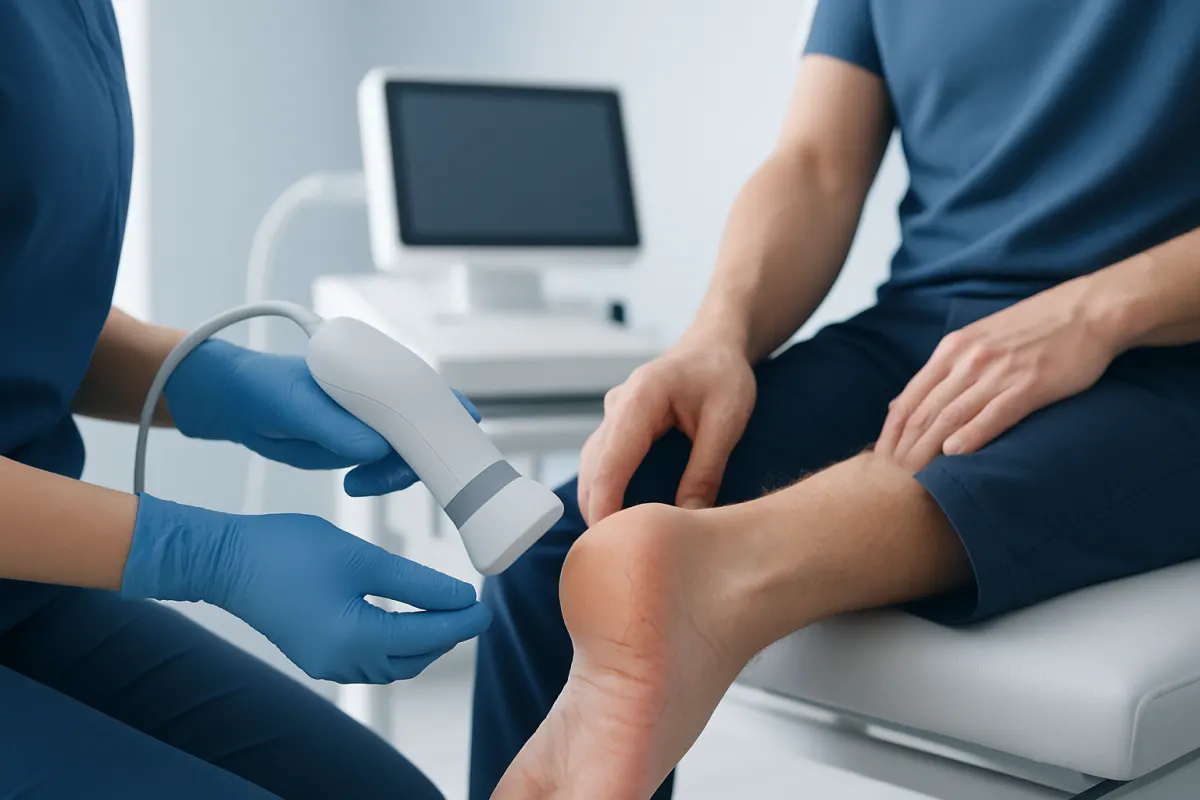
Heel fissures are splits in the thick skin of the heel, usually caused by dryness, callus buildup and pressure on the feet. Most improve with consistent moisturizing and gentle foot care, but painful, bleeding or infected cracks should be assessed by a healthcare professional.
Overview: What Are Heel Fissures?
Heel fissures are cracks or splits that form in the skin around the edge or bottom of the heel. They are often called cracked heels. The heel normally has a naturally thick outer layer of skin that helps absorb pressure during standing and walking. When this skin becomes very dry, hard or callused, it may lose flexibility and split as weight is placed on the foot.
Small, shallow fissures may look like fine lines and cause little discomfort. More advanced cracks can become deeper, painful or bleed, particularly when walking. Although heel fissures are common and usually manageable, they deserve attention because open skin can provide a route for infection.
Heel fissures are a skin concern rather than a diagnosis on their own. In some people, they are linked to environmental dryness or footwear. In others, an underlying skin condition, reduced sensation in the feet, circulation problems or a metabolic condition may contribute. Identifying these factors helps guide safe care.
How Heel Fissures Look and Feel
Heel fissures usually develop gradually. The skin may first appear dry, scaly or ashy, followed by yellowish or gray thickening at the heel rim. Fine cracks may then become wider or deeper. The affected area can feel rough, tight or less elastic than the surrounding skin.
Symptoms vary with the depth of the crack. Some people notice only cosmetic changes, while others experience tenderness, stinging, itching or pain when bearing weight. Deep fissures may bleed. Pain can lead a person to change how they walk, which may place strain on other parts of the foot or leg.
Warmth, increasing redness, swelling, drainage, a bad odor or worsening pain can suggest infection and should not be managed with home care alone. People with reduced feeling in their feet may not notice an injury or painful crack, so regular visual foot checks are important.
- Dry, flaky or thickened skin around the heel
- Visible lines, splits or open cracks
- Pain, especially with walking or prolonged standing
- Bleeding from a deeper crack
- Redness, swelling or discharge, which may indicate infection
Why Heel Fissures Develop

The main process behind heel fissures is a combination of dry skin, callus formation and repeated pressure. The heel expands slightly with each step. If the outer skin is thick, dehydrated and inflexible, it may pull apart at the edges rather than stretch.
Dry indoor air, frequent exposure to hot water, harsh soaps and inadequate moisturizing can reduce the skin barrier. Walking barefoot or wearing sandals and other open-backed shoes may allow the heel pad to spread outward, increasing tension on the skin. Long periods of standing, high-impact activity and excess body weight can also increase pressure on the heels.
Some medical conditions can make fissures more likely or harder to heal. These include eczema, psoriasis, fungal foot infection, thyroid disorders and diabetes. Diabetes can affect sensation, circulation and healing, making routine foot care particularly important. A fungal infection may cause scaling or peeling on the soles or between the toes and needs a different treatment approach than dryness alone.
Age can also play a role because skin may become drier and less elastic over time. Persistent heel cracking is not necessarily a sign of poor hygiene; it often reflects skin biology, mechanical pressure and individual health factors.
How a Clinician Assesses Cracked Heels
Healthcare professionals often diagnose heel fissures by examining the feet and asking about symptoms, footwear, occupation, daily skin care and medical history. They may assess the depth of the cracks, look for signs of infection and check whether there is thick callused skin that needs careful treatment.
For recurrent or severe fissures, assessment may include checking foot pulses, skin temperature, sensation and any swelling. These checks are particularly relevant for people with diabetes, nerve damage, peripheral artery disease or a history of foot ulcers. The clinician may also look for signs of eczema, psoriasis or fungal infection.
Laboratory testing is not usually needed for uncomplicated cracked heels. However, a skin sample may occasionally be examined when a fungal infection is suspected or when the diagnosis is unclear. It is best not to assume all scaling skin is simply dry skin, as the appropriate treatment can differ.
People with diabetes should include heel inspection in their routine diabetes foot care plan and seek professional advice before using strong exfoliating products or attempting to remove thick calluses at home.
Treatment Options for Heel Fissures
Treatment aims to restore moisture, soften excess thickened skin, protect the crack and reduce pressure while the skin heals. For mild fissures, applying a thick, fragrance-free emollient after bathing and again before bed is often helpful. Products containing ingredients such as urea, lactic acid or salicylic acid may soften callused skin, but they should be selected carefully and used as directed, especially on sensitive or damaged skin.
After washing, feet should be dried thoroughly, including between the toes. A rich ointment or heel balm can then be applied to the heels. Some people find that wearing clean cotton socks overnight after moisturizing helps keep the product in place. Fissure dressings, liquid bandages or protective heel cups may reduce discomfort and support shallow cracks, but they should not replace medical review for deep or infected fissures.
Very thick callus may need to be reduced by a podiatrist or other trained clinician. Cutting calluses with blades or using sharp tools at home can cause injury and infection. A clinician may also recommend treatment for eczema, psoriasis or a fungal infection if one is present. When infection is suspected, medical treatment is needed rather than self-treatment alone.
Comfortable, supportive shoes with enclosed heels can reduce outward spreading of the heel pad. Cushioning insoles or heel cups may help some people. If walking is painful, limiting high-impact activities temporarily can reduce repeated stress while the skin recovers.
Daily Prevention and Self-Care
Consistent care is more effective than occasional intensive treatment. A simple routine includes washing feet with lukewarm rather than very hot water, drying them gently and applying moisturizer every day. Moisturizer is generally best applied soon after bathing, when the skin is still slightly damp.
Gentle exfoliation may help when there is hard, intact callused skin. This can be done carefully with a soft foot file after bathing, without trying to remove large amounts of skin. Exfoliation should be avoided on open, bleeding, sore or infected fissures. People with diabetes, poor circulation or reduced sensation should ask a clinician before using foot files, acid-containing products or exfoliating devices.
Choosing well-fitting shoes is also important. Shoes should have adequate cushioning, a stable heel and enough room for the toes. Open-backed shoes may be comfortable for short periods but can increase heel spreading in people prone to fissures. Clean, breathable socks can reduce friction and help manage dryness.
Daily inspection is useful for anyone with recurrent cracked heels. Looking at the soles, heel edges and spaces between the toes can help identify small cracks before they become painful. A mirror or help from another person may be useful if it is difficult to see the bottom of the feet.
- Moisturize heels daily with a thick, fragrance-free product.
- Wear supportive shoes that fit well and protect the heel.
- Avoid barefoot walking on rough, hot or dry surfaces.
- Do not cut or shave calluses at home.
- Address persistent itching, scaling or redness with a clinician.
When to Seek Medical Care
Medical care is recommended when a heel fissure is deep, bleeding, very painful, not improving with regular care, or interfering with walking. Prompt assessment is also important for possible infection, including spreading redness, warmth, swelling, pus-like drainage, fever or a rapidly worsening wound.
People with diabetes, poor circulation, peripheral neuropathy, kidney disease or a weakened immune system should contact a healthcare professional early for any crack, blister, cut or color change on the foot. They should not attempt to trim thick skin or treat deep fissures on their own, because even a minor wound may require specialized care.
A dermatologist, podiatrist or primary care clinician can help identify the cause of persistent fissures and develop a treatment plan that fits the person’s skin and health needs. Acıbadem Health Point’s multidisciplinary specialists and JCI-accredited hospitals can assess and treat foot and skin concerns for international patients.
With early attention and a regular prevention routine, many heel fissures heal and are less likely to return. The goal is not to make the skin perfectly smooth overnight, but to restore a comfortable, flexible skin barrier and prevent deeper cracking.
Frequently asked questions
01What is the fastest way to heal heel fissures?
The safest approach is regular moisturizing with a thick heel balm or ointment, protection from friction and pressure, and supportive footwear. Improvement usually takes consistent care rather than a single treatment. Deep, bleeding or painful cracks should be assessed by a healthcare professional.
02Can heel fissures become infected?
Yes. A deep fissure creates an opening in the skin that can allow germs to enter. Increasing redness, warmth, swelling, drainage, bad odor or pain should be evaluated promptly, especially in people with diabetes or circulation problems.
03Should a person peel or cut off hard skin from cracked heels?
No, cutting or shaving calluses at home can injure healthy skin and increase infection risk. Gentle filing may be appropriate only for intact, non-painful thick skin. Professional callus care is safer for severe buildup or for people with diabetes, poor circulation or reduced foot sensation.
04Are heel fissures a sign of diabetes?
Heel fissures are common and do not by themselves mean a person has diabetes. However, diabetes may contribute to dry skin, reduced sensation and slower healing, so cracks need careful attention. Anyone with diabetes should have new or persistent foot cracks reviewed by a healthcare professional.
05What type of shoes are best for preventing cracked heels?
Well-fitting, closed-back shoes with cushioning and heel support can help reduce pressure and outward spreading of the heel pad. Shoes should not rub or pinch. Some people also benefit from cushioned heel cups or insoles recommended by a clinician.
06Can a fungal infection cause heel cracks?
Yes. Some fungal foot infections can cause dry scaling, peeling and thickened skin on the soles and heels, which may crack. Itching, scaling between the toes or recurring symptoms can make fungal infection more likely. A clinician can confirm the cause and recommend suitable treatment.
This article is for general information only and is not a substitute for professional medical advice. Please consult a qualified doctor about your individual situation.
Explore treatments in Turkey — costs, top hospitals & a free quote
JCI-accredited · board-certified surgeons · reply within 24h
Add us as a Preferred Source to see more of our trusted health content across Google Search, AI Overviews and Discover.