Heart Stent Price: What Is Included in the Estimate?

Heart stent price is not one fixed figure because it reflects the urgency of care, the number and type of stents, hospital services, testing, medicines and insurance or payment arrangements. A clear written estimate from the treating hospital is the safest way to understand expected costs and what may remain payable after coverage.
Heart stent price: what determines what a patient pays?
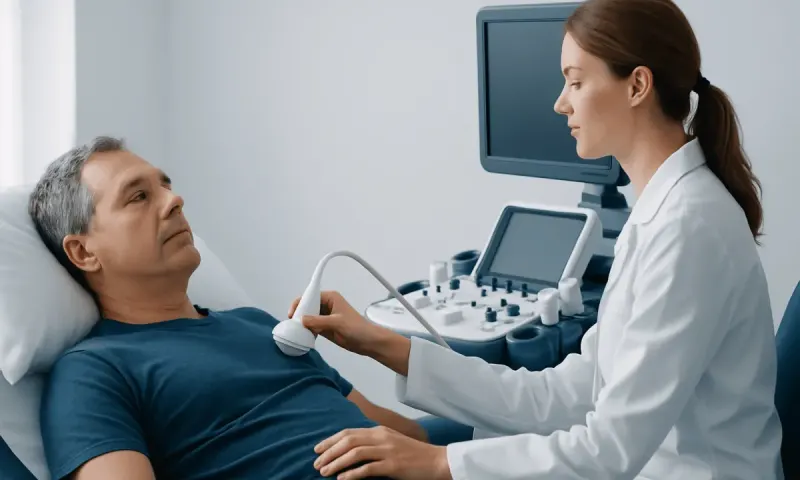
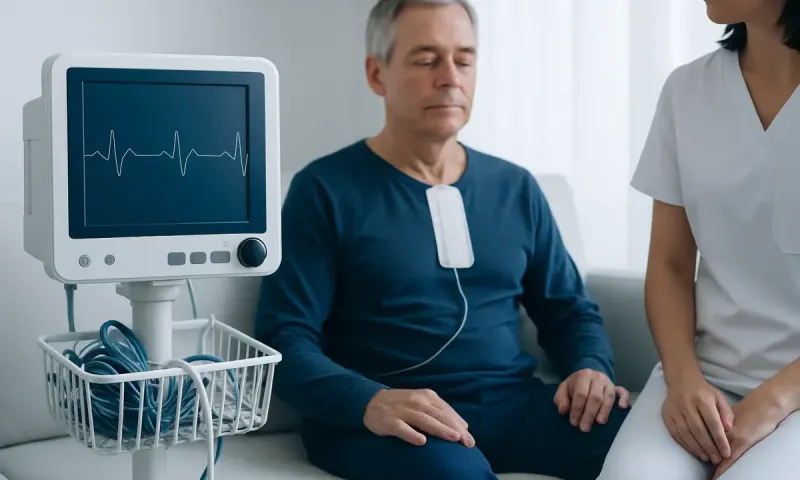
Heart stent price depends on much more than the stent itself. A coronary stent is usually placed during percutaneous coronary intervention (PCI), also called coronary angioplasty. The final bill or personal payment estimate may include consultations, blood tests, electrocardiography, imaging, coronary angiography, catheterization laboratory services, the device, professional fees, medicines, hospital accommodation and follow-up care.
Heart stent prices also vary according to whether care is emergency treatment for a heart attack or a planned procedure for stable symptoms. The number and complexity of narrowed arteries, the need for more than one stent, kidney function, other health conditions and the possibility of intensive monitoring can all affect resource use. Costs also differ between countries, hospitals and individual insurance arrangements.
Before a planned procedure, patients can ask for an itemized financial estimate and clarification of what is included. Useful questions include whether the estimate covers the angiogram, stent or stents, anesthesia or sedation, hospital stay, physician fees, medicines at discharge, follow-up visits and treatment of unexpected complications. For urgent treatment, care should not be delayed while cost questions are being resolved; hospital financial teams can often provide support afterward.
What is a heart stent and how does the procedure work?
Coronary artery disease develops when fatty deposits, inflammation and scarring narrow the arteries that supply blood to the heart muscle. Reduced blood flow may cause chest pressure or discomfort, shortness of breath and reduced exercise tolerance. A stent is a tiny expandable mesh tube designed to support an artery after a narrowed segment has been widened.
During PCI, a cardiologist guides a thin catheter through an artery, commonly in the wrist or groin, toward the heart. A small balloon is positioned across the narrowing and inflated to compress the blockage. Most modern coronary stents slowly release medication that helps reduce excessive tissue growth inside the stent; these are called drug-eluting stents.
The stent remains in the artery permanently and becomes incorporated into the vessel wall over time. It improves blood flow at the treated site, but it does not remove the underlying tendency to develop atherosclerosis elsewhere. This is why medication, smoking cessation, blood pressure and cholesterol management, regular activity and heart-healthy eating remain central after treatment. Coronary artery disease may also be discussed in the context of coronary artery disease.
Who may be a candidate, and what happens during the procedure?

A cardiologist may consider PCI with stenting for a person with symptoms caused by a significant coronary narrowing, for certain findings on heart testing, or during treatment for an acute coronary syndrome such as a heart attack. The decision is individualized. It takes into account symptoms, the location and extent of disease, heart pumping function, kidney health, bleeding risk, previous treatments and the person’s preferences.
Some people benefit most from medication and lifestyle treatment alone. Others may be better suited to coronary artery bypass surgery, particularly when there are complex blockages in several major vessels. A heart team approach can be helpful when the best pathway is uncertain.
PCI usually begins with local anesthetic at the access site and medication to help the patient relax; general anesthesia is not commonly required. Contrast dye and X-ray imaging show the arteries. The cardiologist may use additional tools, such as pressure-wire testing or intravascular imaging, to judge whether a narrowing needs treatment. After the stent is deployed, blood flow is checked before the catheter is removed and the access site is sealed or compressed.
Patients considering treatment can ask their cardiology team why PCI is recommended, whether alternatives are appropriate, how many stents may be needed and what follow-up is expected. Coronary angioplasty and stent placement is tailored to the anatomy of the arteries and the clinical situation.
Recovery, benefits and possible risks
Recovery varies with the reason for PCI and a person’s overall health. After a planned uncomplicated procedure through the wrist, some people go home the same day or after an overnight stay. Following a heart attack, complex intervention or access through the groin, monitoring may take longer. Mild bruising or tenderness at the catheter entry site can occur, but increasing pain, swelling, bleeding, numbness or color change in the affected limb should be reported promptly.
Many patients can resume gentle daily activities within a short period, following their clinician’s instructions about driving, work, bathing and lifting. Return to exercise should be gradual and individualized. Cardiac rehabilitation can provide supervised activity, education and support for risk-factor management after a heart event or intervention.
The key potential benefit is improved blood flow, which may relieve angina and, in an acute heart attack, can limit damage to heart muscle when performed promptly. Risks are uncommon but can include bleeding, bruising, blood-vessel injury, allergic or kidney reactions to contrast dye, irregular heartbeat, heart attack, stroke, infection or a need for urgent surgery. A treated artery can narrow again, and a blood clot can form in a stent, especially if antiplatelet medicines are stopped too soon.
After stenting, clinicians commonly prescribe antiplatelet treatment to reduce clot risk, along with medicines such as cholesterol-lowering therapy when indicated. Patients should never stop antiplatelet medication on their own, including before dental work or another operation, without speaking with the prescribing cardiologist.
How much does a stent cost without insurance?
Without insurance, there is no single reliable answer to how much a stent costs. The out-of-pocket heart stent procedure cost may vary substantially by country, hospital, whether the case is elective or an emergency, the complexity of the artery disease, the number and type of devices used, length of stay and additional testing or treatment required.
Patients paying directly should request a written, itemized estimate whenever the procedure is planned. It is reasonable to ask whether the quoted amount includes pre-procedure assessment, coronary angiography, catheter laboratory charges, stent devices, cardiologist and hospital fees, sedation, laboratory services, medicines, recovery monitoring and follow-up. It is also important to ask what charges might arise if an additional stent, longer admission or higher-level care becomes necessary.
The phrase “heart stent surgery cost in USA” can be misleading because a stent is generally placed through a catheter rather than open-heart surgery. In the United States, uninsured charges can differ greatly by location and provider, and published price ranges may not reflect a particular patient’s needs or negotiated payment arrangements. A hospital billing office, insurer where relevant, or independent financial counselor can help patients understand estimates and payment options.
Why is the stent price so high?
A stent procedure brings together specialized technology, a highly trained clinical team and a facility designed to manage time-sensitive cardiovascular emergencies. The bill may reflect the disposable stent and catheter equipment, advanced imaging, contrast dye, sterile supplies, nursing care, physician expertise, monitoring equipment and the readiness of services that can respond to complications.
Price can also rise when treatment is more complex. For example, multiple narrowed vessels, long or heavily calcified blockages, prior bypass surgery, kidney disease, emergency heart attack care or an unplanned hospital stay can require more testing, devices, staff time and observation. The type of stent selected is based on clinical needs rather than price alone.
For insured patients, the amount they personally pay is not necessarily the same as the amount billed. Deductibles, copayments, coinsurance, annual out-of-pocket limits, prior authorization requirements and whether a hospital and clinicians are in-network can all matter. Asking the insurer for a benefits explanation and the hospital for a pre-treatment estimate may make financial planning clearer.
Can a stent be used for 100% blockage?
Sometimes, but not always. A 100% blocked coronary artery may represent an acute clot causing a heart attack or a Coronary Bypass Surgery May Be Considered" class="ahp-ilk">chronic total occlusion that has developed over time. In an acute heart attack, emergency PCI can often be used to reopen an appropriate blocked artery, depending on the patient’s condition and artery anatomy.
Chronic total occlusions can be technically challenging because the blockage may be long, hardened or located at a branch point. Specialized PCI techniques may be possible in selected patients, but medication treatment or bypass surgery may be more suitable for others. The decision should be made after careful review of coronary imaging, symptoms, the amount of heart muscle at risk and the likely benefit of revascularization.
A person should not assume that a percentage of blockage alone determines treatment. Symptoms, heart function, blood-flow testing, other artery disease and overall health are all important. A cardiologist can explain whether a stent is feasible and whether it is expected to improve symptoms or prognosis in the individual situation.
When to seek medical care
Emergency medical care is needed for new, severe or persistent chest pressure, tightness, squeezing or pain, particularly when it spreads to the arm, shoulder, jaw, back or upper stomach. Sudden shortness of breath, cold sweating, nausea, fainting or a rapid worsening of symptoms can also indicate a heart emergency. Patients should contact local emergency services rather than drive themselves.
Non-emergency medical review is appropriate for recurring chest discomfort with exertion, unexplained breathlessness, reduced exercise capacity, palpitations or concerns after a stent procedure. People with diabetes, prior heart disease or several cardiovascular risk factors may have less typical symptoms, so new changes should still be assessed.
For people seeking coordinated evaluation, Acıbadem Health Point’s multidisciplinary specialists and JCI-accredited hospitals diagnose and treat coronary conditions for international patients. A qualified cardiology team can discuss clinical options, recovery needs and the practical components of an individualized treatment estimate.
Frequently asked questions
01How much does a stent cost without insurance?
There is no universal uninsured price because the total includes much more than the stent device. The final amount can depend on the country, hospital, urgency, number of stents, imaging, medicines, professional fees and hospital stay. For a planned procedure, an itemized written estimate is the most useful source of information.
02What is the life expectancy after a stent?
A stent does not determine life expectancy by itself. Outlook depends on the underlying coronary artery disease, whether the procedure was performed during a heart attack, heart function, other medical conditions and long-term risk-factor control. Taking prescribed medicines, attending follow-up and managing smoking, cholesterol, blood pressure, diabetes and activity can support cardiovascular health.
03Why is the stent price so high?
The overall cost reflects specialized devices, catheter laboratory technology, imaging, medication, sterile equipment and care from trained cardiology, nursing and support teams. Emergency readiness, monitoring and treatment complexity can also contribute. The billed amount and the amount a patient pays can differ considerably when insurance is involved.
04Can a stent be used for 100% blockage?
A stent may be used for some complete coronary blockages, particularly in an acute heart attack, but suitability depends on the artery and the patient’s condition. Chronic total blockages can be more complex and may require specialized techniques, medication treatment or bypass surgery. A cardiologist should assess the images and expected benefits before recommending treatment.
05Is a heart stent the same as open-heart surgery?
No. Coronary stenting is generally a minimally invasive catheter procedure performed through an artery in the wrist or groin. Open-heart bypass surgery uses blood vessels from elsewhere in the body to route blood around blocked coronary arteries and involves a different recovery process.
06Will a person need medication after a heart stent?
Most people need antiplatelet medication after stenting to help prevent a clot from forming in the stent. Other medicines, including cholesterol-lowering treatment, may also be recommended based on individual risk. Medication changes should only be made with guidance from the treating clinician.
This article is for general information only and is not a substitute for professional medical advice. Please consult a qualified doctor about your individual situation.
Heart care in Turkey — expert evaluation and treatment
JCI-accredited · board-certified surgeons · reply within 24h
Add us as a Preferred Source to see more of our trusted health content across Google Search, AI Overviews and Discover.