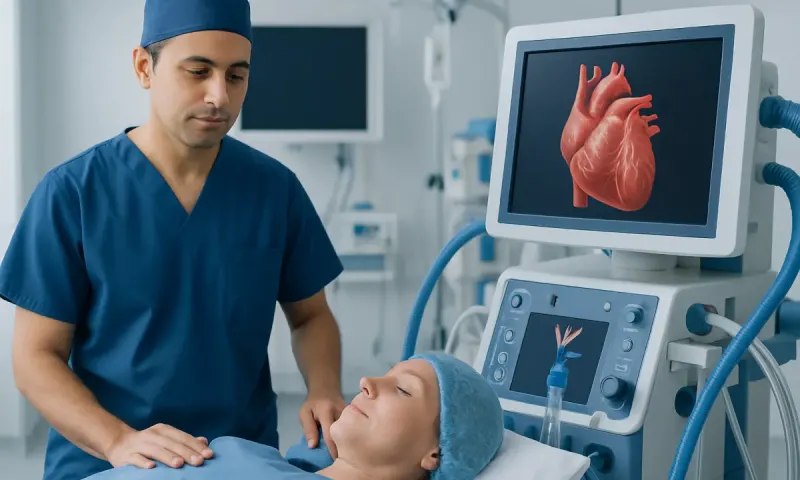
Heart Pacemaker Surgery: Steps, Recovery and Safety

Heart pacemaker surgery is a commonly performed procedure that places a small electronic device under the skin to help the heart maintain an appropriate rhythm. It is usually recommended for certain slow or unreliable heart rhythms, and recovery commonly involves short-term activity limits while the incision and leads settle into place.
Heart Pacemaker Surgery: An Overview
Heart pacemaker surgery is a procedure that implants a small device that helps regulate the heartbeat. It may be recommended when the heart beats too slowly, pauses unexpectedly, or has an electrical rhythm problem that prevents it from pumping blood effectively. The device continuously checks the heart’s rhythm and sends a gentle electrical signal only when support is needed.
A conventional pacemaker has a pulse generator, which contains the battery and computer circuitry, and one or more thin insulated wires called leads. The generator is usually placed beneath the skin in the upper chest, most often below the collarbone. The leads travel through a vein into the heart, where they sense electrical activity and, when necessary, deliver pacing impulses.
Some people may be suitable for a leadless pacemaker, a smaller device placed directly inside the heart through a catheter inserted in a vein in the groin. The right choice depends on the rhythm condition, heart anatomy, medical history, and the type of pacing support required. A cardiology team can explain which approach is appropriate for the individual.
How a Pacemaker Works and Who May Need One
The heart has its own electrical system that coordinates each heartbeat. The natural pacemaker, called the sinus node, normally starts an electrical signal that travels through the heart in an organized pattern. If this system is too slow or blocked, symptoms may occur because the brain and other organs do not receive a consistent blood supply.
Heart pacemaker surgery may be considered for people with symptomatic bradycardia, sinus node dysfunction, certain forms of heart block, or pauses in the heart rhythm. It may also be needed after some cardiac procedures or when medications that are necessary for another condition slow the heartbeat too much. A pacemaker does not usually treat every type of irregular heartbeat and is not the same as an implantable cardioverter-defibrillator, which can deliver treatment for dangerous fast rhythms.
Possible symptoms of a slow rhythm include fatigue, lightheadedness, fainting, near-fainting, shortness of breath, reduced exercise tolerance, or confusion in some older adults. These symptoms can have many causes, so a pacemaker is recommended only after a clinician evaluates the heart rhythm and the person’s overall health.
- Symptoms linked to a documented slow heart rhythm or conduction problem
- Recurrent fainting or near-fainting suspected to be rhythm-related
- Heart block that is likely to worsen or causes symptoms
- A need for pacing after selected heart procedures or treatments
How Is Heart Pacemaker Surgery Performed?

Before the procedure, the care team reviews medications, allergies, medical conditions, and test results. Blood tests, an electrocardiogram, echocardiogram, rhythm monitor, or chest imaging may be used to plan treatment. Patients receive individualized instructions about eating, drinking, and whether medicines such as blood thinners or diabetes treatments need adjustment. These changes should only be made under the direction of the prescribing clinician.
For most standard implants, the patient lies on an imaging table in a sterile procedure room. The chest area is cleaned and covered, and local anesthetic numbs the skin. Sedation may be given to help the person relax, while breathing and heart rhythm are monitored continuously. General anesthesia is not routinely required, although it may be used in selected circumstances.
The cardiologist makes a small incision beneath the collarbone and accesses a nearby vein. Using X-ray guidance, the leads are advanced into the appropriate chamber or chambers of the heart. The team tests the leads to confirm reliable sensing and pacing, then connects them to the generator and places the generator in a pocket under the skin. The incision is closed and covered with a dressing.
The procedure often takes a few hours or less, although timing varies with the device type and clinical situation. Pacemaker implantation is an established cardiac procedure, but it still requires experienced clinicians, careful sterile technique, and follow-up checks. Where appropriate, patients can discuss pacemaker implantation and follow-up care with a cardiac rhythm specialist.
Is Putting in a Pacemaker a Difficult Surgery?
For an experienced electrophysiology or cardiology team, putting in a pacemaker is generally a routine, minimally invasive procedure rather than open-heart surgery. Most standard implants use a small incision and vein access, so the chest is not opened and the heart muscle is not cut. Many people are awake but comfortably sedated during the procedure.
However, “routine” does not mean risk-free. The procedure can be more complex when a person has unusual vein anatomy, prior chest surgery, kidney disease, infection risk, a need for specialized pacing, or an older device that must be replaced or revised. Leadless systems and cardiac resynchronization devices also have different planning and technical considerations.
The care team weighs the expected benefits against the individual risks before recommending an implant. Their goal is to select the device and approach that safely addresses the rhythm problem while supporting the person’s long-term daily life.
Recovery Timeline After Pacemaker Surgery
After the implant, the patient is observed while the team checks the incision, heart rhythm, and device function. A chest X-ray may be performed in some cases to confirm lead position and check for uncommon complications. Many patients return home on the day of surgery or after an overnight stay, particularly if the procedure was planned and recovery is uncomplicated.
During the first few days, mild bruising, tightness, or soreness around the incision is expected. The dressing and wound-care instructions should be followed carefully. The incision should be kept clean and dry as directed, and patients should not apply creams, powders, or other products unless the clinical team advises it. A follow-up appointment is arranged to inspect healing and program the pacemaker if needed.
For roughly the first several weeks, patients are commonly asked to avoid heavy lifting, vigorous upper-body exercise, and repeated overhead movement on the side of the implant. These precautions help the leads remain stable while tissue heals around them. Walking and other gentle movement are often encouraged, with the pace increased gradually according to medical advice.
Returning to desk work may be possible within several days to about a week for some people, while physically demanding work can require longer restrictions. Driving guidance varies by the underlying rhythm condition, symptoms such as fainting, local regulations, and the clinician’s advice. The recovery timeline should therefore be personalized rather than based on one fixed schedule.
How Painful Is Pacemaker Surgery Recovery?
Pacemaker surgery recovery is usually associated with mild to moderate discomfort rather than severe pain. The most common sensations are tenderness at the incision, bruising, tightness in the upper chest, and occasional shoulder stiffness on the implant side. These symptoms generally improve gradually over the first days to weeks.
The clinical team may recommend simple pain relief that is appropriate for the patient’s health conditions and other medicines. It is important not to start anti-inflammatory medicines, supplements, or other products without asking a clinician, especially for people taking blood-thinning medication or living with kidney, stomach, or heart conditions.
Pain that becomes severe, suddenly worsens, or occurs with breathlessness, fever, increasing redness, warmth, drainage, marked swelling, or a new feeling of palpitations needs medical assessment. Such symptoms do not always signal a serious problem, but early review is the safest approach.
Benefits, Risks and Long-Term Living With a Pacemaker
For appropriately selected patients, a pacemaker can prevent excessively slow heart rates and reduce symptoms linked to them, such as dizziness, fainting, or poor exercise tolerance. It may improve day-to-day function and help people safely receive other necessary treatments. The degree of benefit depends on the specific rhythm condition and whether symptoms are caused by the slow heart rate.
Potential procedure-related risks include bleeding or bruising, infection, lead movement, collapsed lung, blood vessel injury, blood clots, and a need for additional treatment. Device problems are uncommon but can include lead malfunction, skin thinning over the generator, or battery depletion over time. The pacemaker is checked regularly, often remotely as well as in clinic, so adjustments and battery planning can be made before the device reaches the end of service.
Most people can resume active lives after healing. They should carry their pacemaker identification card, tell healthcare professionals and dentists about the device, and attend scheduled checks. Certain medical tests and procedures, including magnetic resonance imaging, may require special planning; many newer systems are MRI-conditional, but compatibility must be confirmed for the exact device and leads.
Acıbadem Health Point’s multidisciplinary cardiac specialists and JCI-accredited hospitals provide assessment, pacemaker treatment, and follow-up planning for international patients. Individual recommendations should always come from the treating cardiology team.
Can I Use a Cell Phone After Pacemaker Surgery?
Most people can use a cell phone after pacemaker surgery. Modern pacemakers are designed with protection against common everyday electromagnetic signals. As a sensible precaution, the phone should be kept at least several inches away from the pacemaker site and should not be carried in a chest pocket directly over the device.
Using the phone on the ear opposite the pacemaker is a practical habit, particularly during the early period after implantation. Wireless headphones, home electronics, and routine appliances are generally safe when they are in good working order. The device manufacturer and clinical team can provide instructions specific to the pacemaker model.
People should ask before using or working around strong magnetic or electrical equipment, such as industrial welding equipment, high-powered generators, or certain security and anti-theft systems. If dizziness, palpitations, or unusual symptoms occur near equipment, stepping away from it and seeking medical advice is appropriate.
How Many Days Should I Rest After Pacemaker Surgery?
Most patients need a period of relative rest for the first few days after pacemaker surgery, but complete bed rest is usually unnecessary. Gentle walking and normal light movement are often helpful once the person is home, provided they feel well and follow their team’s instructions. Rest should be balanced with avoiding strenuous activity and protecting the implant area.
People commonly need to limit lifting, pushing, pulling, swimming, and vigorous exercise for several weeks. They may also be asked not to raise the arm on the pacemaker side repeatedly above shoulder height during early lead healing. The exact duration varies according to the device, whether leads were placed, the nature of the person’s work, and any complications.
A clinician should give clear instructions on returning to work, exercise, driving, and sexual activity. Anyone who feels faint, develops chest pain, experiences breathlessness, or notices new wound problems should pause activity and contact the medical team rather than trying to push through symptoms.
When to Seek Medical Care
Patients should contact their pacemaker team promptly if they develop fever, chills, increasing pain, spreading redness, warmth, swelling, bleeding, or drainage at the incision. They should also seek advice for a new bulge over the device, persistent hiccups or twitching, palpitations, dizziness, or symptoms that resemble those present before implantation.
Emergency medical care is appropriate for severe chest pain, severe shortness of breath, fainting, confusion, heavy bleeding, or signs of a serious allergic reaction. Patients should not drive themselves if they are faint, severely unwell, or have concerning chest symptoms.
Routine follow-up remains important even when a person feels well. Device checks confirm battery status, lead performance, and rhythm information stored by the pacemaker, allowing care to be adjusted before problems become symptomatic.
Frequently asked questions
01How long does heart pacemaker surgery take?
A standard pacemaker implantation often takes a few hours or less, though the exact duration depends on the device type, number of leads, and individual anatomy. Time is also needed before and after the procedure for preparation, monitoring, and device checks.
02Will I be awake during pacemaker surgery?
Many people are awake with local anesthetic and sedation during a standard implant. They may feel pressure or brief pulling but should not feel sharp pain. In some situations, deeper sedation or general anesthesia may be used.
03How long does a pacemaker battery last?
Battery life varies by device type, pacing needs, and programmed settings, but pacemakers commonly function for years. Regular checks estimate remaining battery life well before replacement is needed. Replacing the generator is usually simpler than the first implantation because the existing leads may remain in place.
04Can I exercise with a pacemaker?
After the incision and leads have healed, many people can return to regular exercise and recreational activities. The medical team should confirm when and how to resume activity, particularly for contact sports, weight training, swimming, or high-intensity exercise. Exercise recommendations depend on the underlying heart condition as well as the pacemaker.
05What should I avoid after pacemaker surgery?
During early recovery, patients usually avoid heavy lifting, strenuous upper-body activity, and repetitive overhead arm movements on the implant side. They should also avoid soaking the incision until it has healed and follow the specific wound-care instructions provided. Long-term, strong magnets and certain industrial electrical sources may need precautions.
06Does a pacemaker cure an irregular heartbeat?
A pacemaker treats slow heart rhythms and certain electrical conduction problems by preventing the heart rate from becoming too slow or pausing. It does not cure all rhythm disorders, including many fast or irregular rhythms such as atrial fibrillation. Some people need additional medicines, procedures, or monitoring for other heart rhythm conditions.
This article is for general information only and is not a substitute for professional medical advice. Please consult a qualified doctor about your individual situation.
Explore treatments in Turkey — costs, top hospitals & a free quote
JCI-accredited · board-certified surgeons · reply within 24h
Add us as a Preferred Source to see more of our trusted health content across Google Search, AI Overviews and Discover.