Health Benefits of Giving Blood: What Evidence Shows
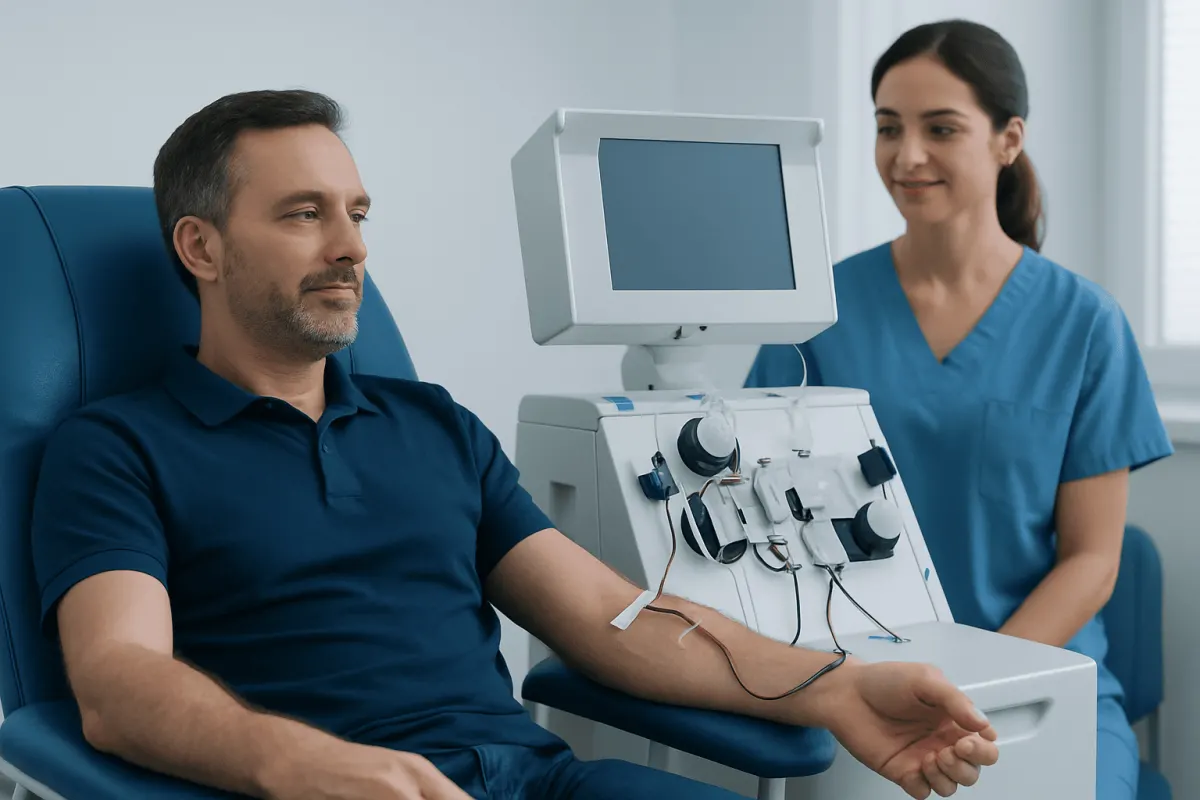
The most established benefit of giving blood is that it provides a potentially life-saving resource for people needing transfusions. For donors, clinical research supports careful screening and generally safe donation for eligible people, but it does not show that donating blood is a reliable way to prevent heart disease, detoxify the body, lose weight, or improve overall health.
Overview: what giving blood involves
Giving blood, also called whole-blood donation, is a voluntary procedure in which a trained collection team removes a measured amount of blood through a vein in the arm. The donated blood is tested, processed and separated into components such as red blood cells, platelets and plasma. These components can then be used for different clinical needs.
The clearest health benefit associated with giving blood is not usually a direct benefit to the donor. It is the contribution to patient care. Blood products may be needed after serious injury, during major operations, for complications of childbirth, and by people receiving cancer treatment or living with conditions that affect blood production.
Donation services use eligibility questionnaires, basic measurements and infection-safety procedures to protect both donors and recipients. Requirements differ by country and by blood service, so a person should always follow the local program’s guidance rather than relying on general online information.
What clinical research supports
Clinical evidence strongly supports the value of a safe blood supply for recipients. Transfusion can be essential when a person has substantial blood loss, severe anemia or low blood components related to treatment or disease. For an eligible donor, blood donation is generally considered safe when it is performed by an established service that follows screening, collection and follow-up standards.
A donation appointment may also identify a low hemoglobin reading, abnormal pulse or high blood pressure measurement that warrants follow-up. However, this is a limited screening process, not a diagnosis. A normal result does not rule out medical conditions, and an abnormal result may be temporary or require confirmation in a healthcare setting.
Some research has explored whether regular blood donation is associated with lower iron stores or different rates of cardiovascular disease. These studies are difficult to interpret because people who donate regularly may differ from non-donors in diet, health habits, healthcare access and pre-existing health. Current evidence does not support recommending blood donation to prevent heart disease or as a general health treatment.
There is also no good evidence that blood donation “cleanses” toxins, boosts immunity, improves circulation in a lasting way or produces meaningful weight loss. The body naturally replaces fluid volume and blood cells over time; donation should be viewed as a regulated act of donation, not a wellness intervention.
Potential effects on the donor

After a whole-blood donation, the body begins replacing the fluid portion of blood relatively quickly. Red blood cell and iron replacement takes longer. Most healthy, eligible donors resume usual daily activities soon afterward, although a short period of rest, fluids and food is commonly advised by donation services.
Common short-term effects include a brief pinch during needle insertion, mild bruising or soreness at the needle site, tiredness, nausea or light-headedness. Fainting can occur, particularly in people who are anxious, dehydrated, have not eaten adequately or are prone to vasovagal reactions. Collection teams are trained to manage these reactions.
Repeated donations can lower iron stores. This is particularly relevant for people who menstruate, follow diets low in iron, have had prior iron deficiency, or donate frequently. Symptoms of low iron or anemia can include fatigue, reduced exercise tolerance, shortness of breath with activity, headaches, paleness or palpitations. These symptoms have many possible causes and should be assessed rather than self-treated.
Iron supplements are not appropriate for every donor without advice. A clinician may recommend dietary changes, testing or supplementation based on the person’s health history and laboratory results. People with anemia should seek medical guidance before considering donation.
Who should postpone or avoid donation
Blood donation programs exclude or defer some people to protect the donor, the recipient or both. Temporary deferral may apply after fever, infection, certain vaccinations, dental work, surgery, pregnancy, childbirth, travel to areas where particular infections occur, or use of certain medicines. The exact waiting period depends on the reason and local policy.
People may be unable to donate if they have low hemoglobin, known iron deficiency, significant heart or lung disease, uncontrolled chronic illness, a bleeding disorder, active cancer treatment, or a history that creates a risk of transfusion-transmitted infection. Eligibility also varies for people taking anticoagulants, antiplatelet medicines, immune-suppressing medicines and some acne, hormone or other prescription treatments.
A person should not stop prescribed medication in order to donate. They should disclose all medicines, supplements, recent illnesses, procedures and relevant travel honestly to the donation team. This information is confidential and helps the service make an appropriate decision.
Therapeutic blood removal is different from volunteer donation. It may be used under specialist supervision for selected conditions, such as iron overload disorders or some causes of excess red blood cells. It is a medical treatment with an individualized plan, not a reason to self-manage symptoms through routine donation.
Preparing safely and recovering after donation
Before donation, a person can reduce the likelihood of discomfort by sleeping adequately, drinking water and having a balanced meal unless the blood service gives different instructions. They should avoid attending while unwell, fasting, dehydrated or after significant alcohol intake. Wearing clothing that allows easy access to the upper arm can also make the process simpler.
Afterward, donors are usually advised to sit for a brief observation period and use refreshments provided by the service. Drinking extra non-alcoholic fluids and avoiding strenuous exercise, heavy lifting with the donation arm, overheating and alcohol for the rest of the day may help lower the chance of dizziness or bleeding from the needle site.
Meals containing iron, including lean meat, fish, beans, lentils, tofu, eggs, leafy green vegetables and iron-fortified grains, support normal dietary iron intake. Pairing plant sources of iron with foods containing vitamin C may improve absorption. Dietary choices should reflect individual health needs, including any kidney disease, diabetes, digestive condition or medically prescribed diet.
For people who give blood regularly, it can be sensible to discuss iron status with a doctor, especially if fatigue or other possible anemia symptoms develop. Donation intervals are set by blood services to allow recovery, but individual needs can vary.
When to seek medical care
Urgent medical care is appropriate for severe or persistent symptoms after donation, such as chest pain, difficulty breathing, fainting that does not resolve promptly, severe weakness, confusion, uncontrolled bleeding, rapidly worsening arm swelling, or signs of a serious allergic reaction. Although serious complications are uncommon, they should not be ignored.
A doctor should assess ongoing fatigue, recurrent dizziness, palpitations, breathlessness, unusual bruising, persistent pain or numbness in the donation arm, or a needle-site area that becomes increasingly red, warm, swollen or painful. These symptoms may not necessarily be caused by donation, but they deserve evaluation.
People who are repeatedly deferred because of low hemoglobin should arrange medical assessment rather than assuming the result is harmless. Causes can include low dietary iron intake, menstrual blood loss, gastrointestinal blood loss, inflammation, inherited blood conditions and other health issues. Assessment may include a history, examination and appropriate blood tests.
Making an informed decision about donation
For most eligible adults, giving blood through a regulated donation service can be a meaningful way to support patient care. It should be based on informed consent, honest health screening and attention to the person’s own wellbeing. Donation is not a substitute for preventive care, a balanced diet, exercise, sleep, vaccination or medical treatment.
Anyone considering donation after an illness, procedure, pregnancy, medication change or international travel should check directly with the relevant blood service. A person with a chronic medical condition should also ask their treating clinician whether donation is appropriate in their situation.
Acıbadem Health Point’s multidisciplinary specialists and JCI-accredited hospitals support international patients with assessment and treatment for blood-related symptoms and conditions when medical evaluation is needed.
Frequently asked questions
01Does giving blood improve the donor’s health?
For most people, the main benefit of giving blood is helping patients who need transfusion. Donation may include basic health checks and can reduce iron stores, but it has not been proven to prevent heart disease, detoxify the body or improve general health. It should not be used as a substitute for medical care.
02Can donating blood lower blood pressure or cholesterol?
Blood donation is not an established treatment for high blood pressure or high cholesterol. A reading taken at a donation appointment is only a snapshot and may vary with stress, activity and other factors. People with consistently elevated readings should discuss them with a doctor.
03Can blood donation cause iron deficiency?
It can contribute to reduced iron stores, particularly in frequent donors or people with low iron intake or ongoing blood loss. Donation services check eligibility, but a hemoglobin check does not always measure iron stores directly. Persistent fatigue or repeated low-hemoglobin deferrals should be medically assessed.
04Is it safe to exercise after donating blood?
Light activity is often reasonable after a person feels well, but strenuous exercise and heavy lifting are commonly avoided for the remainder of the day. This reduces the chance of dizziness, fainting or bleeding from the needle site. Donors should follow the instructions provided by their collection service.
05Can a person donate blood while taking medication?
Some medicines do not prevent donation, while others require a waiting period or may make donation unsuitable. A person should tell the blood service about all prescription medicines, over-the-counter products and supplements. They should never stop a prescribed medicine solely to meet donation eligibility criteria.
06Who should not donate blood?
People with active illness, low hemoglobin, certain chronic diseases, recent surgery or pregnancy, and some infection or medication risks may need to postpone or avoid donation. Rules differ between services and countries. The blood collection team makes the final eligibility decision based on current guidance and individual information.
This article is for general information only and is not a substitute for professional medical advice. Please consult a qualified doctor about your individual situation.
Heart care in Turkey — expert evaluation and treatment
JCI-accredited · board-certified surgeons · reply within 24h
Add us as a Preferred Source to see more of our trusted health content across Google Search, AI Overviews and Discover.