Headache and Ear Pain: Common Causes and Care
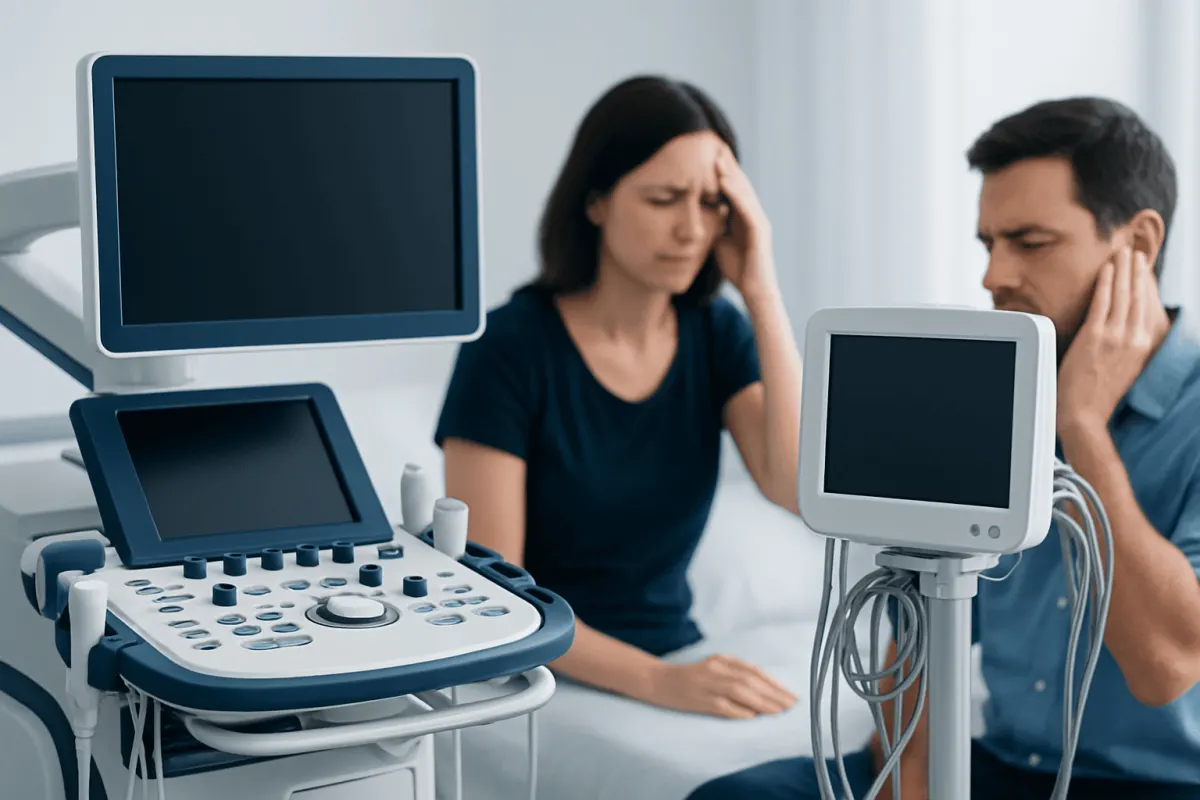
Headache and ear pain can occur together because the ear, jaw, teeth, sinuses, neck, and head share closely connected nerves. Many causes are temporary and treatable, but the pattern of symptoms helps determine whether home care, a routine medical visit, or urgent assessment is appropriate.
Overview: Why Headache and Ear Pain Can Happen Together
Headache and ear pain commonly occur together when inflammation, pressure, muscle tension, or irritation affects structures that share nerve pathways around the face and head. The discomfort may begin in the ear and spread toward the temple, jaw, neck, or forehead. In other cases, the ear feels painful even though the source is outside the ear, such as the jaw joint, a tooth, the throat, or the sinuses.
Common causes include middle or outer ear infections, congestion affecting the eustachian tube, jaw clenching or temporomandibular joint (TMJ) disorders, dental disease, sinus conditions, and migraine. The location, timing, severity, and accompanying symptoms—such as hearing changes, nasal symptoms, nausea, jaw pain, or fever—can provide useful clues.
Most episodes are not caused by a dangerous condition. However, persistent, worsening, recurrent, or unusually severe symptoms should be assessed by a qualified clinician, particularly when they are accompanied by changes in hearing, balance, vision, speech, weakness, or consciousness.
Symptoms That May Help Identify the Source
Ear pain can feel sharp, burning, throbbing, aching, or like pressure or fullness. A person may also notice reduced hearing, ringing in the ear, itching, discharge, dizziness, or pain that is worse when pulling the outer ear or chewing. These features can help distinguish an ear canal problem from pressure behind the eardrum or pain referred from another part of the head and neck.
Headache symptoms also vary. Sinus-related discomfort may be felt around the cheeks, eyes, or forehead and may occur with congestion or nasal discharge. Migraine may cause one-sided throbbing pain, sensitivity to light or sound, nausea, and sometimes ear pressure. Jaw-related pain is often worse on waking, during chewing, or after periods of clenching.
- Ear pain with a cold, blocked nose, or pressure during flying may suggest eustachian tube dysfunction.
- Pain when touching or moving the outer ear may occur with inflammation of the ear canal.
- Jaw clicking, limited mouth opening, or temple pain may point to a TMJ-related problem.
- Tooth sensitivity, gum swelling, or pain when biting may indicate a dental source.
- Recurring headache with nausea or sensory sensitivity may be consistent with migraine and should be discussed with a clinician.
Symptoms may overlap, and self-diagnosis can be difficult. An earache does not always mean an ear infection, especially in adults, where referred pain from the jaw, teeth, or throat is relatively common.
Common Causes and Risk Factors

Ear infections can cause localized ear pain with headache, fever, hearing changes, or drainage. Acute middle ear infection is more common in children but can occur at any age, often after a viral upper respiratory illness. Outer ear infection, sometimes called swimmer’s ear, may develop when moisture, skin irritation, or injury allows inflammation or infection in the ear canal.
Eustachian tube dysfunction is another frequent cause of ear pressure and discomfort. The eustachian tube helps equalize pressure between the middle ear and the outside environment. Allergies, colds, sinus inflammation, and rapid pressure changes during air travel or diving can temporarily interfere with this function, producing fullness, popping, muffled hearing, and headache-like pressure.
TMJ disorders can produce pain near the ear because the jaw joint sits directly in front of it. Teeth grinding, stress-related clenching, arthritis, injury, and bite problems may contribute. Dental cavities, gum infection, impacted teeth, and throat inflammation can also refer pain to the ear through shared nerves.
Migraine and tension-type headache may include ear symptoms without an infection. Migraine can cause ear fullness, sound sensitivity, dizziness, facial pain, or pain around the temple. Neck muscle strain, poor posture, and sleep disruption may also contribute to headaches that are felt around or behind the ears.
How Clinicians Evaluate Headache and Ear Pain
Assessment begins with a careful discussion of when the symptoms started, how they have changed, where pain is located, and what makes it better or worse. A clinician may ask about recent respiratory infections, swimming, travel, allergies, jaw clenching, dental symptoms, injury, medication use, and personal or family history of migraine.
The physical examination may include looking inside the ear with an otoscope, checking the nose and throat, gently assessing the jaw joint and neck muscles, and examining the teeth or gums when appropriate. Hearing tests may be recommended if hearing loss, tinnitus, recurrent infections, or persistent ear fullness is present.
Imaging such as a CT or MRI scan is not routinely needed for uncomplicated earache or headache. It may be considered when symptoms are severe, unusual, persistent, associated with neurological changes, or suggest a complication. A dentist, ear, nose and throat specialist, neurologist, or other clinician may be involved depending on the suspected cause.
Treatment Options Depend on the Cause
Treatment for headache and ear pain focuses on the underlying condition rather than the symptom alone. For viral colds and mild pressure-related ear symptoms, rest, fluids, and appropriate over-the-counter pain relief may be sufficient for many people. A clinician or pharmacist can advise on the safest options, particularly for people with kidney disease, stomach ulcers, bleeding risk, pregnancy, or other medical conditions.
Ear infections may need different care depending on whether the middle ear or outer ear is affected and whether bacterial infection is likely. Some middle ear infections improve with observation and symptom control, while others require prescribed treatment. Outer ear infections are commonly treated with prescription ear drops after examination. Ear pain with drainage, a perforated eardrum, or previous ear surgery should not be treated with non-prescribed ear drops unless a clinician advises it.
For jaw-related pain, supportive measures may include eating softer foods temporarily, avoiding gum chewing, using a warm compress, and addressing daytime clenching or nighttime grinding. A dentist or clinician may recommend a mouth guard or other treatment when needed. Dental infection requires prompt dental assessment rather than relying only on pain medication.
When migraine is suspected, management may include identifying triggers, maintaining regular sleep and meals, staying hydrated, and using clinician-recommended acute or preventive treatment. Persistent or complex migraine symptoms may benefit from evaluation in a headache service. Headache treatment options can be tailored to the type and frequency of symptoms.
Prevention and Safe Self-Care
Simple habits can reduce some common triggers of ear discomfort and headache. Staying hydrated, sleeping regularly, managing stress, taking breaks from screens, and maintaining good posture can help reduce tension-related headaches. People who notice a connection between symptoms and jaw clenching may benefit from consciously relaxing the jaw, avoiding prolonged chewing, and discussing teeth grinding with a dental professional.
To protect the ears, avoid putting cotton swabs, hairpins, or other objects into the ear canal. These can push wax deeper, irritate the skin, or cause injury. After swimming, gently drying the outer ear with a towel can be helpful; people with recurrent outer ear infections should ask a clinician about individualized prevention strategies.
During a cold or allergy flare, treating nasal symptoms under professional guidance may help ear pressure in some people. Swallowing, yawning, or chewing during air travel may help equalize pressure, but forceful attempts to pop the ears should be avoided if they cause pain. For ongoing sinus symptoms, sinusitis assessment may help clarify whether nasal and sinus inflammation is contributing to facial pressure and ear discomfort.
When to Seek Medical Care
Medical advice is appropriate when headache and ear pain lasts more than a few days, returns frequently, worsens despite simple measures, or interferes with sleep, work, eating, or normal daily activities. A same-day assessment is advisable for ear discharge, a significant reduction in hearing, severe dizziness, fever with worsening ear pain, swelling or redness around or behind the ear, or pain following an injury.
Emergency assessment is needed for a sudden, extremely severe headache; headache after a significant head injury; confusion; fainting; seizures; new weakness or numbness; trouble speaking; loss of balance; stiff neck with fever; or new vision changes. These symptoms are uncommon but need urgent evaluation to rule out serious causes.
Children, older adults, people with weakened immune systems, and people with diabetes may need earlier clinical review for ear symptoms. If a person has persistent ear pain with a normal ear examination, clinicians may consider referred pain from the jaw, teeth, throat, or neck. Acıbadem Health Point’s multidisciplinary specialists and JCI-accredited hospitals can evaluate ear, dental, jaw, sinus, and headache-related causes for international patients.
Frequently asked questions
01Can an ear infection cause a headache?
Yes. An ear infection can cause headache through inflammation, pressure, fever, poor sleep, or pain spreading to nearby areas of the head. Headache alone does not confirm an ear infection, so an ear examination is important when symptoms are persistent or severe.
02Why do my ear and jaw hurt with a headache?
The jaw joint is located close to the ear, and jaw muscles can refer pain to the temple, ear, face, and neck. Clenching, grinding teeth, chewing hard foods, or a TMJ disorder may contribute, but dental and ear causes should also be considered.
03Can sinus problems cause ear pain and headache?
Yes. Nasal and sinus inflammation can affect eustachian tube function, causing ear pressure, popping, muffled hearing, and head or facial pressure. However, not every headache with nasal symptoms is sinusitis; migraine can also cause nasal congestion and facial discomfort.
04Should ear pain be treated with antibiotics?
Not always. Some ear pain is caused by viruses, pressure changes, wax, jaw problems, or dental conditions, none of which automatically require antibiotics. A clinician should determine whether an infection is present and whether prescribed treatment is appropriate.
05Is it safe to put ear drops in for ear pain?
It depends on the cause of the pain and the condition of the eardrum. Ear drops may be unsuitable when there is drainage, a suspected eardrum perforation, ear tubes, or past ear surgery, unless they have been specifically recommended by a clinician.
06When is headache and ear pain an emergency?
Emergency care is needed for sudden severe headache, confusion, fainting, seizures, weakness, speech difficulty, stiff neck with fever, major balance problems, or new vision changes. Urgent assessment is also important for swelling behind the ear, severe ear pain with high fever, or symptoms after a serious head injury.
This article is for general information only and is not a substitute for professional medical advice. Please consult a qualified doctor about your individual situation.
Persistent digestive symptoms? Get evaluated in Turkey
JCI-accredited · board-certified surgeons · reply within 24h
Add us as a Preferred Source to see more of our trusted health content across Google Search, AI Overviews and Discover.