HBeAg: What This Hepatitis B Marker May Indicate
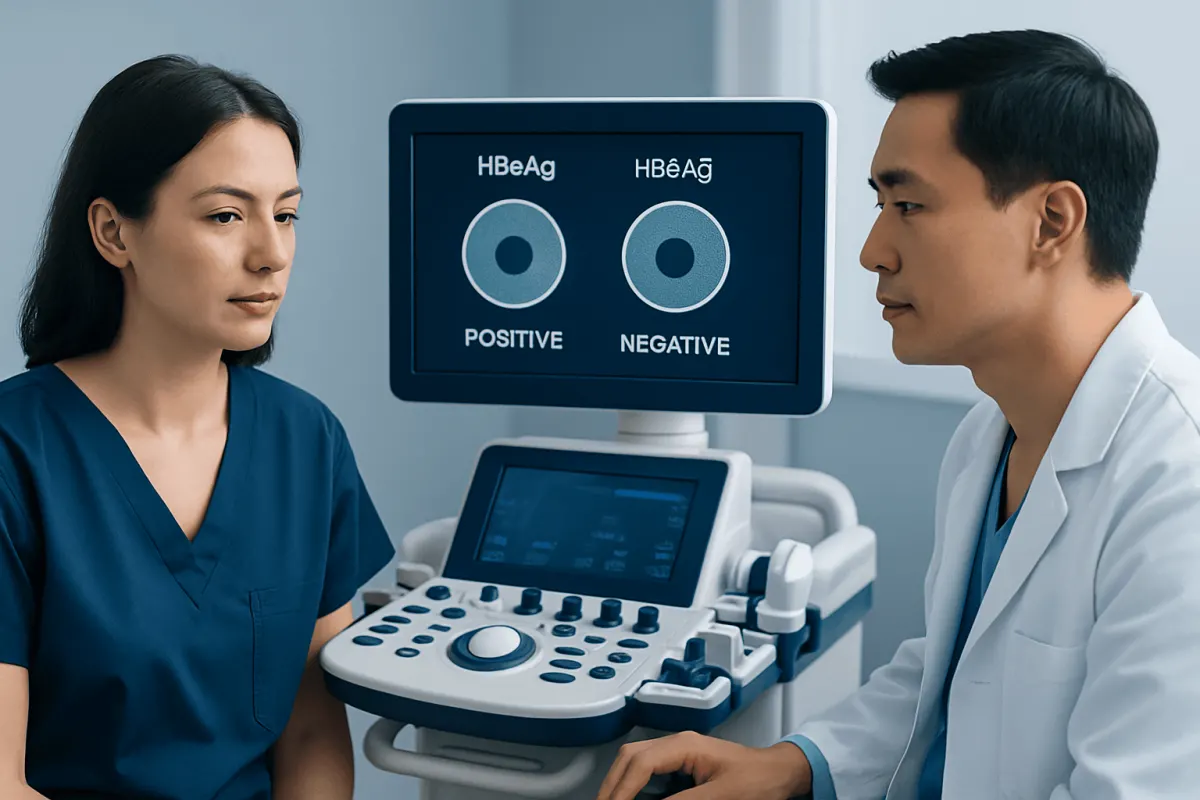
HBeAg, or hepatitis B e antigen, is a protein detected in the blood of some people with hepatitis B virus (HBV) infection. A positive HBeAg result often suggests that the virus is actively replicating, but it does not by itself show how much liver damage is present or whether treatment is needed.
What HBeAg Means
HBeAg stands for hepatitis B e antigen. It is a protein made by the hepatitis B virus and may be found in the bloodstream during HBV infection. Testing for HBeAg helps clinicians understand one part of the virus’s activity. It is not the same as hepatitis B surface antigen (HBsAg), which is the main marker used to identify a current hepatitis B infection.
In many people, a positive HBeAg result is associated with active viral replication, meaning the virus is making copies of itself. This often corresponds with a higher amount of virus in the blood and a higher likelihood of passing HBV to others through blood or certain body fluids. However, HBeAg is not a direct measure of liver health, and it cannot independently determine whether a person has acute infection, chronic infection, cirrhosis or liver cancer.
The most meaningful interpretation comes from looking at the complete clinical picture. A clinician will consider symptoms, the duration of HBsAg positivity, hepatitis B viral load (HBV DNA), liver enzymes such as alanine aminotransferase (ALT), hepatitis B antibodies and, when appropriate, tests that assess liver scarring. This approach avoids drawing conclusions from one result alone.
Understanding Positive and Negative HBeAg Results
An HBeAg-positive result usually means that hepatitis B virus replication is occurring. In a person with chronic hepatitis B, this may be seen in an immune-tolerant or immune-active phase, depending on age, HBV DNA level, ALT results and liver findings. A positive result can be important for transmission prevention, including counselling about household, sexual and perinatal exposure.
An HBeAg-negative result does not automatically mean the virus is inactive or that the infection has resolved. Some people with chronic hepatitis B have developed antibodies to HBeAg, called anti-HBe, and have low or undetectable HBV DNA levels. This pattern can be consistent with inactive chronic hepatitis B infection, although periodic follow-up is still important.
Other people are HBeAg-negative but still have active viral replication and liver inflammation. This can occur when the virus has naturally developed changes, often called precore or basal core promoter mutations, that reduce or stop HBeAg production without stopping replication. For this reason, an HBeAg-negative result must be assessed with HBV DNA and liver tests rather than viewed as a simple reassurance.
- HBeAg positive: often linked with active replication, but needs confirmation with HBV DNA and liver tests.
- HBeAg negative with anti-HBe positive: may reflect reduced viral activity, resolved acute infection or HBeAg-negative chronic hepatitis B.
- HBeAg negative with elevated HBV DNA: can indicate active HBeAg-negative chronic hepatitis B and needs medical assessment.
HBeAg, Anti-HBe and Seroconversion

Anti-HBe, also called HBeAb, is an antibody that can appear when HBeAg becomes undetectable. The change from HBeAg positive to anti-HBe positive is known as HBeAg seroconversion. In some people with chronic hepatitis B, seroconversion is followed by lower HBV DNA levels and less liver inflammation, which can be a favourable change.
Even so, seroconversion is not a cure for hepatitis B. HBsAg may remain present, and the virus can persist in liver cells. Some individuals later experience increased viral activity again, especially those with HBeAg-negative chronic hepatitis B. Ongoing monitoring is therefore tailored to the person’s HBV DNA, ALT results, liver fibrosis risk, family history and other health factors.
During acute hepatitis B, HBeAg may be present early in infection and anti-HBe may develop as the immune system controls the virus. Most healthy adults who acquire hepatitis B clear the infection, but only a healthcare professional can confirm resolution through the appropriate pattern of blood tests. In contrast, infection that persists for more than six months is generally considered chronic hepatitis B.
Why HBeAg Is Tested Alongside Other Blood Tests
HBeAg testing is usually part of a broader hepatitis B evaluation, not a stand-alone screening test. HBsAg establishes whether a current HBV infection is present. Total hepatitis B core antibody (anti-HBc) can indicate previous or ongoing exposure, while hepatitis B surface antibody (anti-HBs) may indicate immunity after vaccination or past resolved infection. IgM anti-HBc is particularly useful when recent acute infection is being considered.
HBV DNA testing measures the amount of hepatitis B viral genetic material in the blood and is commonly called the viral load. It is a key test for evaluating viral replication, deciding whether treatment may be appropriate and monitoring treatment response. ALT and other liver blood tests can suggest liver inflammation or injury, although normal liver enzymes do not always exclude liver disease.
Depending on the results, clinicians may also recommend ultrasound, elastography or other non-invasive methods to estimate liver stiffness and fibrosis. Some people need assessment for other liver conditions or infections, including hepatitis C, hepatitis D or HIV, because coinfections can affect management. Regular monitoring plans vary substantially, so follow-up should be individualised.
What HBeAg Results Mean for Treatment
Treatment decisions for chronic hepatitis B are not based on HBeAg alone. Specialists typically consider HBV DNA level, ALT, the degree of fibrosis or cirrhosis, age, pregnancy status, family history of liver cancer and other medical conditions. A person who is HBeAg positive may need treatment, observation with scheduled tests or additional liver assessment, depending on these factors.
Antiviral medicines can suppress HBV replication and reduce the risk of progressive liver damage in people who meet treatment criteria. In selected circumstances, certain immune-modulating treatments may also be considered. The choice of treatment and its expected duration depend on the individual situation, and medicines should not be started, stopped or changed without specialist guidance.
For people receiving antiviral treatment, declining HBV DNA is generally a central sign that treatment is working. HBeAg loss or seroconversion can provide additional information in those who were initially HBeAg positive, but it is not the only goal of care. Monitoring remains necessary because hepatitis B management focuses on long-term liver health as well as viral suppression.
Acıbadem Health Point’s multidisciplinary specialists and JCI-accredited hospitals assess hepatitis B and related liver concerns for international patients, using laboratory results and liver evaluation to develop an appropriate care plan.
Reducing Transmission and Supporting Liver Health
Hepatitis B is transmitted through contact with infected blood and certain body fluids. It can be passed through sex without barrier protection, sharing needles or equipment used to inject drugs, unsafe tattooing or piercing equipment, and from a pregnant person to a baby around the time of birth. It is not spread through casual contact such as hugging, sharing meals, coughing or using the same toilet.
Vaccination is the most effective way to prevent hepatitis B. Household members, sexual partners and others at risk of exposure should ask a clinician about testing and vaccination. People living with hepatitis B should avoid sharing razors, toothbrushes, nail clippers or injection equipment, cover open cuts, and ensure that any blood spills are cleaned safely. Barrier protection can reduce sexual transmission until a partner’s immunity has been confirmed.
For a pregnant person with hepatitis B, timely prenatal testing is important. Newborn preventive treatment shortly after birth is highly effective at reducing mother-to-child transmission, and some pregnant people with a high viral load may need antiviral treatment later in pregnancy. Obstetric and liver specialists can advise on the safest plan.
To support liver health, people with hepatitis B should avoid alcohol or discuss any alcohol use with their clinician, maintain a balanced diet and healthy weight, and check before using herbal products, supplements or non-prescribed medicines. Some products can injure the liver or interact with prescribed treatment. Hepatitis A vaccination may also be recommended for people with chronic liver disease who are not already immune.
When to Seek Medical Care
Anyone with a positive HBsAg or HBeAg result should arrange a medical review, even if they feel well. Hepatitis B is often silent for years, and planned testing can identify whether the infection is recent, inactive or causing ongoing liver inflammation. Prompt review is especially important during pregnancy, before starting immune-suppressing medicines or chemotherapy, or if there is known exposure to someone with hepatitis B.
Medical care should also be sought for symptoms that may suggest significant liver illness, including yellowing of the skin or eyes, very dark urine, pale stools, persistent nausea or vomiting, marked tiredness, abdominal swelling, confusion or unusual bleeding. These symptoms have many possible causes, but they warrant timely assessment. People with known chronic hepatitis B should keep scheduled follow-up appointments even when symptoms are absent.
After a potential exposure to blood or body fluids that may carry hepatitis B, urgent medical advice is appropriate because preventive care may be time-sensitive. A clinician can assess vaccination status, the nature of the exposure and whether post-exposure prevention is indicated. Testing and advice are confidential and can help protect both the individual and close contacts.
Frequently asked questions
01Is HBeAg positive the same as having hepatitis B?
No. HBeAg is one marker that may be present during hepatitis B infection, but HBsAg is the primary marker used to identify a current infection. A positive HBeAg result should be interpreted with HBsAg, HBV DNA, liver tests and the person’s medical history.
02Does a positive HBeAg result mean liver damage?
Not necessarily. HBeAg positivity often suggests active viral replication, but it does not show the amount of liver inflammation or scarring by itself. Liver enzyme tests, HBV DNA and sometimes imaging or fibrosis assessment provide a clearer picture.
03Can someone be HBeAg negative and still transmit hepatitis B?
Yes. An HBeAg-negative person may still have detectable HBV DNA and can potentially transmit the virus. Transmission risk depends on viral load and the type of exposure, so preventive measures and medical follow-up remain important.
04What does HBeAg seroconversion mean?
HBeAg seroconversion means HBeAg becomes negative and anti-HBe becomes detectable. It can be associated with reduced viral replication in some people, but it does not necessarily mean hepatitis B has been cured or that follow-up can stop.
05How often should HBeAg be tested?
The testing schedule depends on whether the person has acute or chronic hepatitis B, their HBV DNA level, liver tests and whether they are receiving treatment. A liver specialist or another qualified clinician can set an appropriate monitoring schedule.
06Can hepatitis B be prevented if a person has been exposed?
In some situations, yes. Hepatitis B vaccination and, for certain exposures, hepatitis B immune globulin may help prevent infection when provided promptly. Anyone with a recent possible exposure should seek urgent medical advice rather than wait for symptoms.
This article is for general information only and is not a substitute for professional medical advice. Please consult a qualified doctor about your individual situation.
Oncology care in Turkey — second opinion and treatment plan
JCI-accredited · board-certified surgeons · reply within 24h
Add us as a Preferred Source to see more of our trusted health content across Google Search, AI Overviews and Discover.