Hashimoto’s Thyroiditis: Treatment

Key Takeaways
- Hashimoto thyroid is usually managed by treating the thyroid hormone deficiency it can cause, not by “curing” the autoimmune process itself.
- Levothyroxine is the standard treatment when hypothyroidism develops, and dose changes are guided by blood tests and symptoms.
- Regular monitoring matters because thyroid function can change gradually, especially after illness, pregnancy, or major weight changes.
- Diet, sleep, stress management, and medication timing can support symptom control, but they do not replace medical treatment.
- New or worsening symptoms, pregnancy, and planning long-distance care all deserve a timely discussion with a qualified doctor.
Hashimoto thyroid disease is an autoimmune condition that often leads to an underactive thyroid over time. Treatment focuses on replacing thyroid hormone when needed, monitoring thyroid function, and supporting daily well-being with practical self-care.
Overview
Hashimoto thyroid disease, also called Hashimoto’s thyroiditis, is an autoimmune condition in which the immune system gradually affects the thyroid gland. In many people, the thyroid becomes less able to make enough hormone, which can slow metabolism and affect energy, temperature tolerance, mood, and heart rate.
For patients and families, the word “treatment” can mean two different things: treating the autoimmune condition itself and treating the thyroid hormone shortage it may cause. In everyday practice, the most important step is often hormone replacement when the thyroid can no longer keep up. This approach is straightforward, well-established, and usually managed over time with blood tests and clinical follow-up.
Because the condition is long-term, care is often about steady adjustment rather than a one-time fix. That can feel especially relevant for international patients who may begin evaluation in one country and continue follow-up elsewhere. A clear plan, shared records, and a reliable clinician make that process much easier.
Symptoms

Hashimoto thyroid disease may be quiet for years before it causes obvious changes. Some people notice only a slight shift in energy or a general sense that their body is “running slower.” Others develop more distinct symptoms once hypothyroidism becomes established.
Common signs can include tiredness, weight gain that is not fully explained by eating changes, constipation, dry skin, hair thinning, sensitivity to cold, slower thinking, low mood, and muscle aches. In some cases, the thyroid gland becomes enlarged, which may feel like fullness in the neck.
Symptoms are often nonspecific, which is why blood tests are so important. Similar complaints can come from anemia, sleep problems, depression, other endocrine disorders, or medication effects. A careful assessment helps separate Hashimoto-related hypothyroidism from other possible causes.
Causes & Risk Factors

Hashimoto thyroid disease happens when the immune system produces antibodies that mistakenly target thyroid tissue. Over time, inflammation can reduce the gland’s ability to produce thyroid hormone. The exact trigger is not fully understood, but both inherited tendency and environmental influences appear to play a role.
Risk is higher in people with a family history of autoimmune thyroid disease or other autoimmune conditions. It is also more common in women and often appears in middle adulthood, though it can develop at any age. Pregnancy and the period after childbirth may also be important times for thyroid changes to appear or become more noticeable.
Other autoimmune disorders can occur alongside Hashimoto thyroid disease, so doctors may ask about symptoms affecting the skin, joints, gut, or blood counts. This broader review helps build a clearer picture of the person’s overall health rather than focusing on the thyroid alone.
Diagnosis
Diagnosis usually begins with a medical history, a physical examination, and thyroid blood tests. The key laboratory tests are often TSH and free T4, which show how hard the body is working to maintain thyroid hormone levels and whether the hormone level is low.
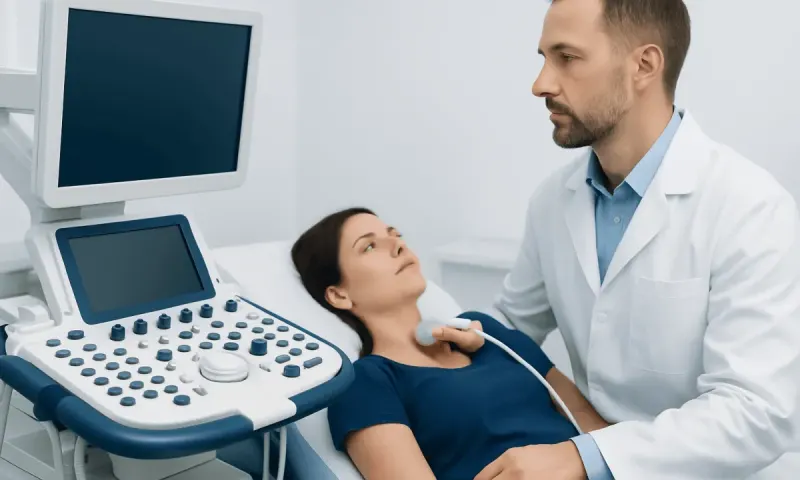
Thyroid antibody tests, especially thyroid peroxidase antibodies, can support the diagnosis of Hashimoto thyroid disease. In some people, an ultrasound may be used if the gland feels enlarged, irregular, or if a nodule needs to be checked. Imaging is not required in every case, but it can be useful when the exam raises additional questions.
For patients receiving care from abroad, it helps to bring previous lab results, medication lists, and any imaging reports. Thyroid values are best interpreted over time, so having older records can make it easier for a new doctor to understand whether the condition is stable, changing, or newly diagnosed.
Treatment Options
The main treatment for Hashimoto thyroid disease is thyroid hormone replacement when hypothyroidism is present. Levothyroxine is the standard medication used to replace the hormone the thyroid can no longer make in sufficient amounts. For many patients, this treatment helps restore energy, concentration, bowel regularity, and overall metabolic balance.
Not everyone with thyroid antibodies needs medication right away. If thyroid hormone levels remain normal, a doctor may recommend observation with periodic testing instead of immediate treatment. The decision depends on lab values, symptoms, pregnancy status, age, heart health, and whether the thyroid function appears to be drifting downward.
Treatment is usually individualized and may need adjustment over time. Blood tests help determine whether the current dose is appropriate, and clinicians may revise the plan after illness, significant weight change, pregnancy, menopause, or changes in other medications. When symptoms persist despite treatment, the doctor may reassess for other causes rather than assuming the thyroid is the only issue.
In selected situations, doctors may also discuss treatment for associated concerns such as goiter discomfort, cholesterol abnormalities, or other autoimmune conditions. However, there is no universal treatment that removes the autoimmune tendency itself, so the practical goal is stable thyroid function and good quality of life.
Prevention & Self-care
Hashimoto thyroid disease cannot usually be prevented, because it is linked to immune and genetic factors that are not under a person’s control. Still, self-care can support better symptom control and make treatment easier to manage.
Medication routine matters. Thyroid hormone is often absorbed best when taken consistently and separated from certain supplements or foods that can interfere with absorption. A doctor or pharmacist can explain how to fit it into a daily schedule, especially for patients who travel, work irregular hours, or take several other medicines.
General wellness habits also help the body cope with thyroid imbalance. Balanced nutrition, regular movement, adequate sleep, and stress reduction can all support day-to-day functioning. These steps do not replace hormone treatment, but they can reduce the strain that often comes with a chronic condition.
- Keep follow-up appointments and repeat thyroid tests as recommended.
- Use the same medication brand or formulation when possible, and tell the doctor if it changes.
- Bring a medication list when traveling so care can continue smoothly across borders.
- Report new symptoms such as palpitations, worsening fatigue, or neck swelling.
When To See a Doctor
A doctor should be consulted if symptoms of hypothyroidism are persistent, worsening, or interfering with everyday life. Fatigue, constipation, cold intolerance, unexplained weight change, or brain fog may all warrant thyroid testing, especially when they appear together.
Prompt medical review is also important if the neck seems enlarged, swallowing becomes difficult, the heartbeat feels unusually slow or fast, or symptoms change during pregnancy. Thyroid levels often need closer monitoring in pregnancy and after delivery because the body’s hormone needs can shift.
For international patients, it can be helpful to seek care early rather than waiting until a short travel window. That allows time for diagnosis, dose adjustment if needed, and a clear plan for follow-up once the patient returns home. Acibadem Health Point’s multidisciplinary specialists and JCI-accredited hospitals can diagnose and treat Hashimoto thyroid disease for international patients with coordinated care.
Living With Hashimoto Thyroid Disease
Many people do well with Hashimoto thyroid disease once the right treatment plan is in place. The condition may require patience, because the body’s needs can change over time and symptoms may improve gradually rather than immediately.
It can be reassuring to think of care as a partnership: the patient notices how the body feels, and the doctor uses blood tests and clinical judgment to fine-tune treatment. That partnership is especially valuable when treatment begins in one healthcare system and continues in another, since records, medication names, and lab targets may differ by country.
With consistent follow-up, most patients can build a routine that supports stable thyroid levels and a full daily life. The most useful next step is often not dramatic—it is simply a well-timed conversation with a qualified clinician who can interpret the symptoms in context.
Frequently asked questions
01Is Hashimoto thyroid disease the same as hypothyroidism?
Not exactly. Hashimoto thyroid disease is an autoimmune condition that often causes hypothyroidism, but the two terms are not identical. A person can have thyroid antibodies before hormone levels become low.
02Can Hashimoto thyroid disease be cured?
There is no proven cure that stops the autoimmune process entirely. Treatment usually focuses on replacing thyroid hormone when needed and monitoring the thyroid over time.
03Do all patients with Hashimoto thyroid disease need medication?
No. Some people have thyroid antibodies but still maintain normal thyroid hormone levels for a period of time. Medication is usually started when tests show hypothyroidism or when a doctor sees a clear clinical reason to treat.
04How is the right dose of thyroid medicine found?
Doctors adjust treatment using blood tests, symptoms, and overall health factors. The goal is to find a dose that keeps thyroid levels in a good range while also helping the person feel well.
05Can diet help manage Hashimoto thyroid disease?
Healthy eating can support general well-being, but it does not replace thyroid hormone treatment. Some supplements or foods can affect medication absorption, so it is wise to ask a doctor or pharmacist about timing.
06Why is follow-up so important with Hashimoto thyroid disease?
Thyroid function can change slowly, and the right treatment today may not be the right treatment later. Regular checks help keep symptoms under control and reduce the chance of under- or over-treatment.
This article is for general information only and is not a substitute for professional medical advice. Please consult a qualified doctor about your individual situation.
Hair transplant in Turkey — costs, graft counts & a free assessment
JCI-accredited · board-certified surgeons · reply within 24h
Add us as a Preferred Source to see more of our trusted health content across Google Search, AI Overviews and Discover.