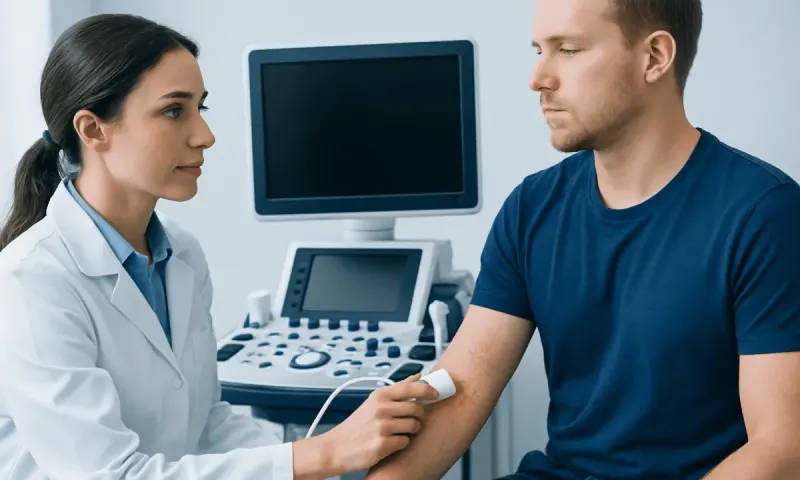
Hashimoto’s and Skin Rash: Possible Causes

Hashimoto's and skin rash may occur together, but a rash is not a typical direct symptom of Hashimoto's thyroiditis. It can reflect dry skin related to low thyroid hormone, chronic hives, another autoimmune condition, a medication reaction, or an unrelated skin problem.
Hashimoto's and skin rash: what is the connection?
Hashimoto’s thyroiditis is an autoimmune condition in which the immune system gradually damages the thyroid gland. A skin rash is not considered a defining or specific symptom of Hashimoto’s. However, some people with Hashimoto’s notice itchy, dry, or irritated skin, particularly if the condition has led to low thyroid hormone levels (hypothyroidism).
The link is often indirect. Autoimmune thyroid disease can occur alongside chronic urticaria (recurrent hives) and other autoimmune conditions that may affect the skin. In many cases, though, a rash has a separate explanation, such as eczema, an irritant or contact allergy, an infection, a medication reaction, or heat and sweating.
It is helpful not to assume that every new skin change is caused by the thyroid. The appearance of the rash, its duration, associated symptoms, recent exposures, and thyroid control all provide useful clues. A clinician can evaluate both the skin concern and thyroid status when appropriate.
Skin changes that may occur with Hashimoto's
When Hashimoto’s causes hypothyroidism, skin may become dry, rough, cool, pale, or flaky. Some people experience itchiness without a visible rash. These changes develop gradually and tend to be most noticeable on the arms, legs, hands, and lower legs. They are related to slower skin-cell turnover, reduced sweating, and changes in circulation rather than to an allergic rash.
Hives, also called urticaria, are raised, itchy welts that may be pink, red, or skin-colored. Individual welts often change shape or location and usually fade within 24 hours, although new ones can continue to appear. Chronic urticaria means hives occur on most days, or repeatedly, for more than six weeks. It has an association with autoimmune thyroid disease, but this does not mean thyroid disease is always the cause.
Other findings need a broader assessment. A rash with blisters, painful sores, purple spots, scaling plaques, marked swelling, or fever is not typical of uncomplicated hypothyroidism. People who have thyroid disease can still develop common skin conditions, so diagnosis should be based on the rash itself rather than on Hashimoto’s alone.
- Dry or flaky skin: may accompany low thyroid hormone levels.
- Persistent itching: can occur with dryness but also has many other causes.
- Recurrent hives: may be associated with autoimmunity and merit review if ongoing.
- New, painful, blistering, or widespread rashes: need timely clinical assessment.
Common triggers and alternative causes
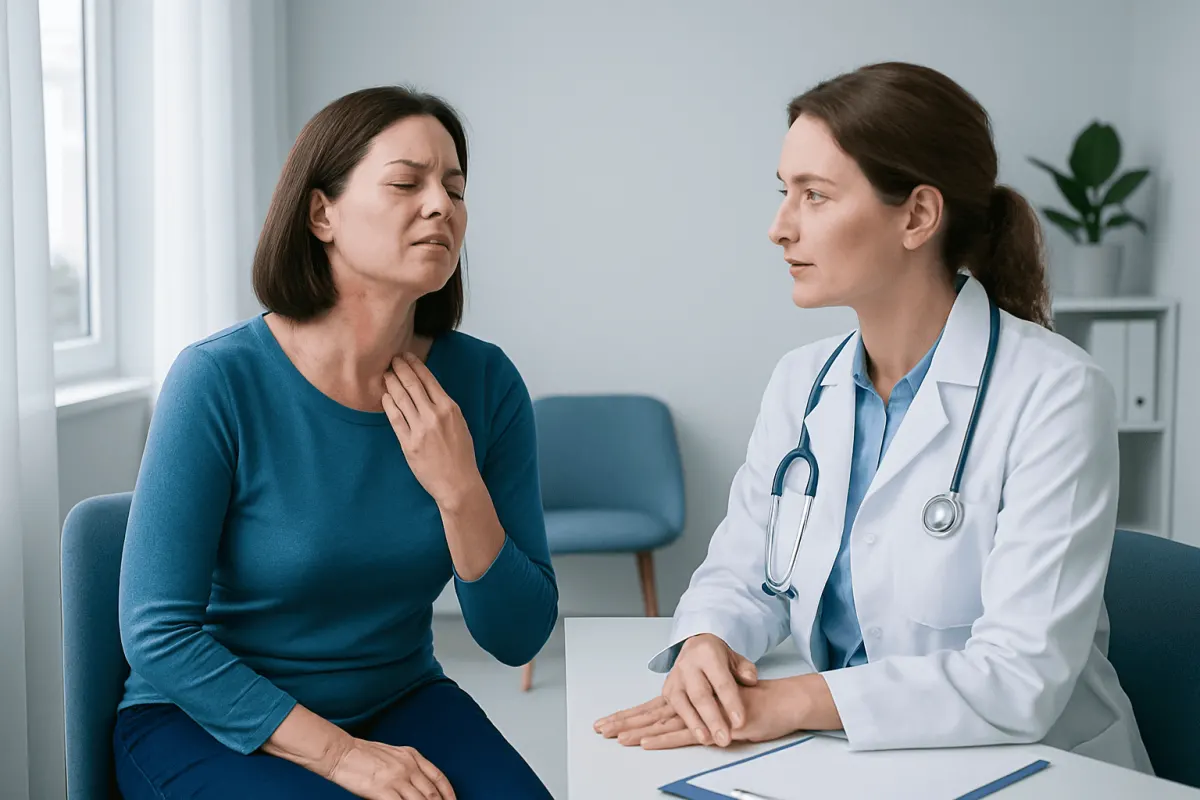
A careful history often identifies possible triggers. New soaps, cosmetics, hair products, fragrances, detergents, jewelry, topical treatments, and fabrics can cause irritant or allergic contact dermatitis. Heat, pressure on the skin, exercise, alcohol, viral illnesses, stress, and some foods or medicines may worsen hives in susceptible people.
Medicines deserve particular attention. A rash that starts soon after beginning a prescription medicine, over-the-counter treatment, supplement, or herbal product should be discussed with the prescribing clinician or pharmacist. People should not stop prescribed thyroid hormone on their own unless they are advised to do so, but should seek prompt guidance if they suspect a serious medicine reaction.
Autoimmune conditions can cluster in the same person. For example, vitiligo causes clearly defined areas of lost skin pigment, while celiac disease may rarely be associated with a very itchy blistering eruption. These conditions are not diagnosed from a photograph or symptom list alone. A clinician may recommend further testing only when the history and examination suggest it.
Environmental factors can also make dry skin more troublesome. Cold weather, low humidity, long hot showers, frequent handwashing, and harsh cleansers can weaken the skin barrier. Addressing these factors may help, even while thyroid testing and treatment are being reviewed.
How clinicians evaluate a rash in someone with Hashimoto's
The assessment usually begins with the timing and pattern of symptoms. Useful details include when the rash began, whether it comes and goes, how long each spot lasts, whether it itches or hurts, and whether there are fever, joint symptoms, swelling, digestive symptoms, or breathing problems. Photographs can be especially helpful when hives disappear before an appointment.
A clinician will examine the skin and may check for signs of hypothyroidism, such as dry skin, hair changes, or swelling. Blood tests may include thyroid-stimulating hormone (TSH) and free thyroxine (free T4) to determine whether thyroid hormone replacement is needed or appropriately adjusted. Thyroid antibody tests may help establish autoimmune thyroid disease, but antibody levels do not usually explain the severity of a rash.
Depending on the findings, testing may also focus on other possible causes. This can include a review of medicines, targeted allergy or infection evaluation, or referral to dermatology or allergy specialists. Skin biopsy or additional autoimmune testing is generally reserved for rashes with features that make another condition more likely.
For more background on the underlying thyroid condition, readers can explore Hashimoto's thyroiditis. The goal is to identify the actual skin diagnosis while ensuring thyroid hormone levels are managed safely.
Treatment: managing the skin and the thyroid condition
Treatment depends on the cause of the skin symptoms. If testing shows hypothyroidism, appropriate thyroid hormone replacement prescribed by a clinician can improve thyroid-related dryness and other systemic symptoms over time. Skin recovery may take weeks after thyroid levels return to the intended range, and dose changes should be based on follow-up blood tests rather than symptoms alone.
For dry, itchy skin, simple skin-barrier care is often useful. A fragrance-free cream or ointment can be applied regularly, especially after bathing. Brief lukewarm showers, gentle cleansers, and avoiding scratching may reduce irritation. If there is eczema or another inflammatory skin condition, a clinician may recommend specific topical treatment.
For hives, management typically starts with identifying and avoiding clear triggers when possible. Clinicians may recommend non-sedating antihistamines or other treatment approaches based on the duration, severity, medical history, and response to initial care. Chronic hives should not be managed solely by repeated elimination diets, as foods are not the cause in many cases and unnecessary restriction can be harmful.
If a person has a suspected medication-related eruption, a clinician should review the medicine promptly. Severe reactions need urgent care. For patients needing coordinated endocrine and dermatology input, Acıbadem Health Point’s multidisciplinary specialists and JCI-accredited hospitals diagnose and treat Hashimoto’s thyroiditis and associated skin concerns for international patients.
Practical self-care and symptom tracking
Keeping a brief symptom record can make an appointment more productive. It may include the date and time of flare-ups, photographs, new products or medicines, meals, exercise, infections, menstrual cycle changes where relevant, travel, and stressors. For hives, noting whether individual welts resolve within a day can be particularly informative.
Patients can support skin comfort by using bland, fragrance-free moisturizers, wearing soft breathable fabrics, and avoiding known irritants. A cool compress may soothe itching. Nails should be kept short to reduce skin damage from scratching, and products should be introduced one at a time when trying to identify a trigger.
It is generally best to avoid high-dose supplements marketed for thyroid or skin health unless a qualified clinician recommends them. Iodine, biotin, and some herbal products can interfere with thyroid management or laboratory testing. Biotin in particular may affect certain thyroid test results, so patients should tell the clinical team about all supplements they use.
Healthy routines such as adequate sleep, balanced nutrition, regular activity suited to the individual’s health, and taking thyroid medicine exactly as prescribed can support overall wellbeing. These measures do not replace evaluation of a persistent, recurrent, or unusual rash.
When to seek medical care
Medical advice is appropriate for a new rash that lasts more than a few days, repeatedly returns, spreads, causes significant itching or discomfort, or occurs with a change in thyroid symptoms. An appointment is also advisable if hives continue for more than six weeks, if there is concern about a medicine reaction, or if dry skin does not improve despite gentle skin care and thyroid follow-up.
Urgent assessment is needed for a rash with fever, severe pain, extensive blistering or peeling, sores involving the mouth or eyes, purple spots that do not fade when pressed, or signs of infection such as rapidly increasing redness, warmth, pus, or marked tenderness. These features can signal conditions that require prompt treatment.
Emergency care is needed if hives occur with swelling of the lips, tongue, face, or throat; trouble breathing or swallowing; wheezing; dizziness; fainting; or a feeling of impending collapse. These can be signs of a severe allergic reaction. Prompt evaluation is also important for anyone who feels acutely unwell along with a widespread rash.
Frequently asked questions
01Can Hashimoto's cause a skin rash?
Hashimoto's does not usually cause one characteristic rash. If it leads to hypothyroidism, it can contribute to dry, rough, itchy, or flaky skin. Recurrent hives may also occur more often in people with autoimmune thyroid disease, but other causes should still be considered.
02What does a Hashimoto's rash look like?
There is no single Hashimoto's rash with a predictable appearance. Thyroid-related skin changes are more often generalized dryness than a distinct eruption. Raised, moving welts may be hives, while scaly, painful, blistering, or purple rashes need separate clinical assessment.
03Are hives a sign that Hashimoto's is getting worse?
Not necessarily. Hives can occur in association with autoimmune thyroid disease, but their presence does not reliably indicate thyroid hormone levels or progression of Hashimoto's. Thyroid blood tests and a clinical review are needed to assess thyroid control.
04Will thyroid medication clear the rash?
If dry skin is related to untreated or undertreated hypothyroidism, appropriate thyroid hormone replacement may gradually help. A rash caused by eczema, allergy, infection, medication, or another condition may need different treatment. Thyroid medication should only be adjusted by a qualified clinician.
05Should people with Hashimoto's avoid certain foods for skin rashes?
Broad food avoidance is not routinely recommended unless there is a clear, medically assessed food trigger or another diagnosed condition. Restrictive diets can lead to inadequate nutrition and may not improve chronic hives. A clinician or registered dietitian can provide individualized guidance when dietary concerns are present.
06When are hives or a rash an emergency?
Emergency care is needed for hives or rash with breathing difficulty, throat tightness, swelling of the tongue or lips, wheezing, fainting, or severe dizziness. Urgent medical assessment is also important for extensive blistering or peeling, mouth or eye sores, fever, or a rapidly worsening painful rash.
This article is for general information only and is not a substitute for professional medical advice. Please consult a qualified doctor about your individual situation.
Explore treatments in Turkey — costs, top hospitals & a free quote
JCI-accredited · board-certified surgeons · reply within 24h
Add us as a Preferred Source to see more of our trusted health content across Google Search, AI Overviews and Discover.