

Harlequin Ichthyosis: Symptoms, Causes and Treatment
- 8 min read
- Published November 28, 2026
Key Takeaways
- Harlequin fetus is a rare genetic skin disorder that is present at birth and requires urgent neonatal care.
- The condition can affect the skin barrier, body temperature, fluid balance, feeding, and infection risk.
- Diagnosis is often based on the newborn’s appearance and may be confirmed with genetic testing.
- Treatment focuses on intensive supportive care, skin protection, nutrition, and monitoring for complications.
- Families benefit from coordinated care, genetic counseling, and a clear follow-up plan after discharge.
Harlequin fetus is an extremely rare and serious inherited skin condition present at birth, best known as harlequin ichthyosis. It affects how the skin develops, so newborns need immediate specialist care and long-term follow-up.
Overview
Harlequin fetus is an older term for harlequin ichthyosis, a rare and severe inherited skin condition that is visible at birth. The skin forms thick, hard plates with deep cracks, which can make ordinary newborn functions such as breathing, feeding, temperature control, and protection from infection more difficult.
Because the condition appears at the first moments of life, care usually begins in a neonatal intensive care setting. The goals are practical and immediate: support the baby’s breathing and hydration, protect the fragile skin barrier, and watch closely for complications while the family begins to understand the diagnosis.
For parents, the first days can feel unfamiliar and emotionally intense, especially if care is needed far from home. A clear explanation of the condition, the expected hospital course, and follow-up planning can make the journey more manageable and help families prepare for ongoing care after discharge.
Symptoms
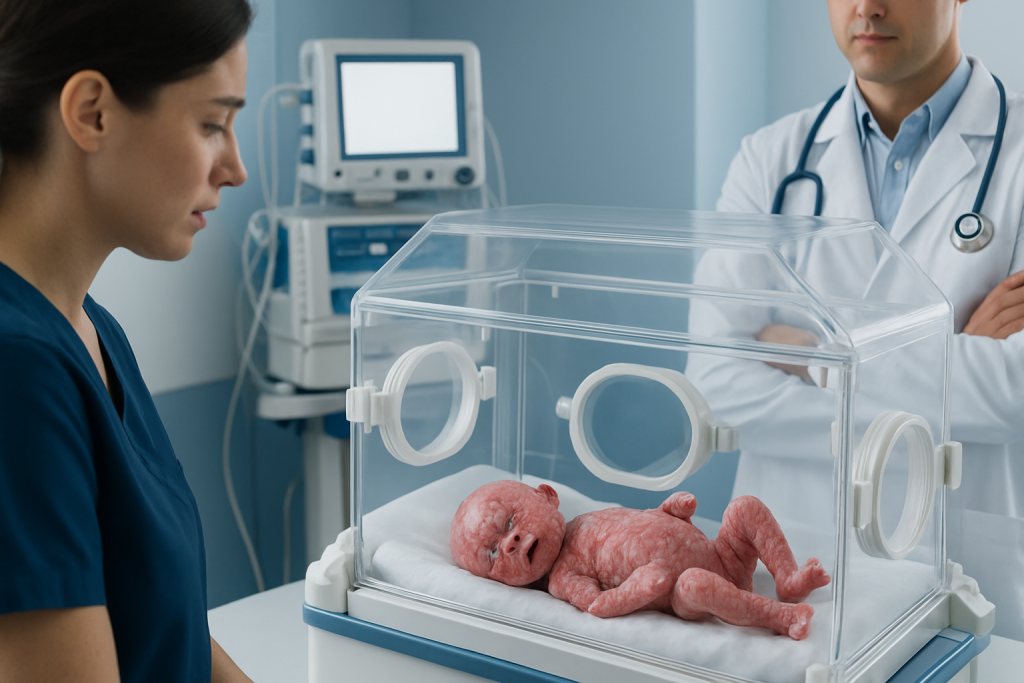
The most recognizable feature is the appearance of the newborn’s skin. It may be covered by thick, armor-like plates separated by deep fissures. The eyelids and lips may turn outward, and the shape of the ears, nose, hands, or feet can look unusual because of tight skin.
These skin changes are not only cosmetic. They can limit movement, interfere with feeding and sucking, and make the baby more vulnerable to dehydration and heat loss. Cracks in the skin can also create an entry point for infection, so the infant is observed carefully from the start.
Other signs may include:
- Difficulty maintaining normal body temperature
- Decreased flexibility of the chest or limbs
- Breathing concerns in some babies
- Eye irritation if the eyelids cannot close well
- Problems with sucking or taking feeds
Not every newborn will show every feature in the same way. The overall pattern, severity, and day-to-day needs can vary, which is why repeated assessment by neonatal and dermatology teams is important.
Causes & Risk Factors
Harlequin fetus is caused by a change in a gene involved in normal skin development and lipid transport, most commonly the ABCA12 gene. This gene helps the skin form a protective outer barrier. When it does not work as expected, the skin can become abnormally thick and rigid.
The condition is usually inherited in an autosomal recessive pattern. That means a child typically receives one altered copy of the gene from each parent. Parents are often healthy carriers and may not know they carry the same gene change until a baby is affected.
Risk is higher when both parents are carriers of the same gene variant, including in families with a previous affected child or with shared ancestry from the same family line. A genetic counselor can explain recurrence risk in a calm, practical way and discuss testing options for current or future pregnancies.
Diagnosis
In many cases, diagnosis begins with the newborn’s physical appearance. Experienced neonatal teams can often recognize the condition at birth or soon afterward, especially when the skin changes are characteristic.
To confirm the diagnosis and guide family counseling, doctors may recommend genetic testing. This can identify the gene change responsible and help clarify whether parents are carriers. In some settings, testing may also be considered during pregnancy if there is a known family history.
Care teams usually also assess how the skin findings are affecting the baby’s breathing, feeding, hydration, and temperature control. That broader evaluation matters because the immediate treatment plan is based not only on the name of the condition, but on the newborn’s day-to-day needs.
Treatment Options
There is no single cure that reverses harlequin ichthyosis in the newborn period, so treatment centers on intensive supportive care. Many babies are managed in a neonatal intensive care unit where temperature, fluids, breathing, and feeding can be closely monitored.
Skin care is a major focus. The care team may use gentle emollients, protect the skin from cracking and infection, and avoid irritants that can further damage the barrier. Because the skin can lose moisture quickly, careful fluid management is essential.
Feeding support may be needed if sucking and swallowing are difficult. Some infants need tube feeding temporarily until they can take feeds more comfortably. Eyes, mouth, and limbs may also need repeated assessment so that dryness, tightness, or restricted movement do not lead to additional complications.
Treatment often includes:
- Warm, humidified nursing environment
- Careful monitoring of hydration and electrolytes
- Nutrition support, including assisted feeding if needed
- Gentle skin moisturization and barrier protection
- Infection surveillance and prompt treatment if concerns arise
- Input from dermatology, neonatology, ophthalmology, genetics, and rehabilitation teams
As the baby grows, the pattern of care usually shifts from emergency stabilization to long-term skin management and developmental follow-up. Families benefit when a discharge plan is practical, written down clearly, and coordinated with local doctors for ongoing care after returning home.
Prevention & Self-care
Harlequin fetus cannot usually be prevented once a pregnancy is already underway, but family planning and genetic counseling can be very helpful. When a gene change is known in the family, carrier testing or prenatal genetic testing may help parents understand their options.
For families caring for an affected baby, self-care often means learning how to support the skin barrier and watching for early warning signs without becoming overwhelmed. Gentle handling, regular moisturization if recommended by the care team, and following the hospital’s instructions about bathing, dressing, and temperature control can make a real difference.
Practical steps after discharge may include:
- Keeping follow-up appointments with dermatology and pediatrics
- Using only the skin products approved by the care team
- Watching for fever, poor feeding, unusual sleepiness, or skin redness
- Maintaining a comfortable room temperature and avoiding overheating
- Asking for written guidance before traveling home or changing time zones
For international patients, having a care plan that can be shared with local clinicians is especially valuable. It helps the family continue treatment smoothly once they leave the hospital and reduces uncertainty during the transition back home.
When to See a Doctor
Harlequin fetus is a condition that requires immediate medical attention at birth. If a newborn has unusually thick, tight, cracked skin, outward-turned eyelids or lips, or trouble feeding, breathing, or staying warm, the baby should be assessed by a neonatal team right away.
Parents with a family history of harlequin ichthyosis, or with a previous child affected by a severe inherited skin disorder, should speak with a doctor before or early in pregnancy about genetic counseling. This can help plan testing and prepare for specialist care if needed.
After diagnosis, families should contact the care team promptly if the baby develops signs of infection, poor feeding, fewer wet diapers, fever, worsening redness, or increasing dryness and discomfort. If treatment is being coordinated across countries, a hospital team that can communicate clearly with local physicians can make follow-up safer and less stressful. Acibadem Health Point’s multidisciplinary specialists and JCI-accredited hospitals diagnose and treat this condition for international patients as part of coordinated care.
Living With the Condition: Family Support and Long-Term Follow-Up
Children with harlequin ichthyosis often need ongoing skin care and periodic specialist review as they grow. The skin may become less rigid over time, but dryness, scaling, and sensitivity commonly continue, so families usually learn a long-term routine rather than a short treatment course.
Support may involve dermatology, pediatrics, ophthalmology, nutrition, and therapy services depending on the child’s needs. A thoughtful follow-up plan is especially helpful when the family returns to another country, because it clarifies who will monitor the child, which products to use, and when to seek urgent help.
Just as important as the medical plan is the family’s understanding of it. When parents know what to expect, how to care for the skin, and which symptoms should prompt a call, they can participate confidently in the child’s care and keep daily life more predictable.
Frequently asked questions
01Is harlequin fetus the same as harlequin ichthyosis?
Yes. Harlequin fetus is an older term, while harlequin ichthyosis is the preferred modern name. Both refer to the same rare inherited skin condition present at birth.
02Can a baby survive with harlequin fetus?
Many infants now receive intensive neonatal care that supports breathing, feeding, temperature control, and skin protection. Outcomes vary, and the baby’s long-term needs depend on the severity of the condition and the quality of ongoing specialist follow-up.
03How is the condition inherited?
It is usually inherited in an autosomal recessive pattern, which means both parents typically carry one altered gene copy. A genetic counselor can explain what that means for future pregnancies and family testing.
04What kind of doctor treats harlequin fetus?
Care is usually led by neonatologists and supported by dermatologists, geneticists, and sometimes ophthalmology, nutrition, and rehabilitation specialists. The team works together to protect the skin barrier and address feeding, hydration, and other early issues.
05Can prenatal testing detect it?
If a family has a known gene change, prenatal genetic testing may be possible. A doctor or genetic counselor can explain which tests are appropriate and when they can be done.
06What should parents prepare for after discharge?
Parents usually need a clear skin-care routine, follow-up appointments, and a plan for urgent concerns such as fever, poor feeding, or skin infection. Written instructions are especially helpful when the family will continue care in another country.
This article is for general information only and is not a substitute for professional medical advice. Please consult a qualified doctor about your individual situation.
Explore treatments in Turkey — costs, top hospitals & a free quote
JCI-accredited · board-certified surgeons · reply within 24h
Add us as a Preferred Source to see more of our trusted health content across Google Search, AI Overviews and Discover.
How can we help you today?
Meet an Acibadem specialist by secure video, before you travel.
Book a video visit