Hair Loss After Surgery: Procedure, Benefits, Risks and Recovery

Key Takeaways
- Hair loss after surgery is often temporary and may appear weeks to months after the operation.
- A common cause is telogen effluvium, a shedding pattern triggered by physical stress.
- Low iron, reduced protein intake, thyroid changes, medications, and prolonged illness can contribute.
- Most cases improve as the body recovers, but persistent or patchy hair loss needs evaluation.
- Gentle hair care and adequate nutrition can support recovery, while the underlying cause is addressed.
Hair loss after surgery is often temporary and commonly linked to the body’s stress response, blood loss, nutrition changes, or recovery from anesthesia and illness. Understanding the cause helps patients know when reassurance is enough and when a medical check is needed.
Overview
Hair loss after surgery is a real and understandably frustrating experience for many people, but it is often temporary. In most cases, the hair itself is not damaged by the operation; rather, the body shifts hair follicles into a resting phase after a major stress such as surgery, anesthesia, infection, blood loss, or a difficult recovery. This pattern is commonly called telogen effluvium.
The shedding may not begin right away. It often becomes noticeable several weeks or even a few months after the procedure, which can make the timing feel confusing. Because the hair cycle works slowly, the body’s reaction to surgery shows up later than the event that triggered it.
For patients traveling internationally for care, this can be especially unsettling because follow-up may happen far from the surgical team. A clear explanation of what type of hair loss is occurring, how long it may last, and which warning signs matter can make recovery feel more manageable and less uncertain.
Symptoms
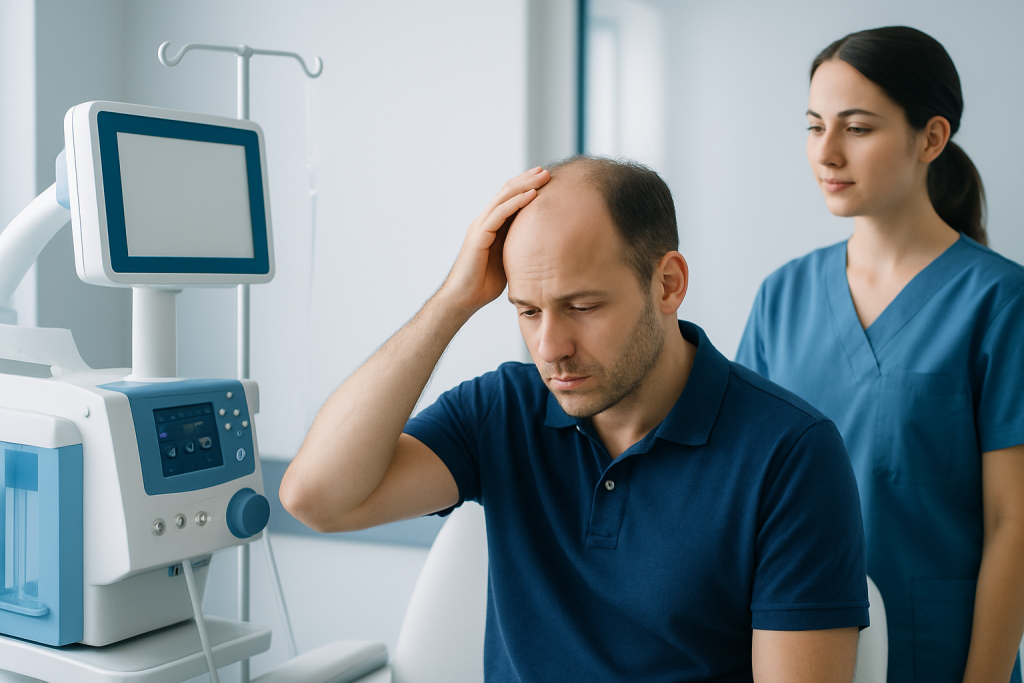
The most common sign is diffuse shedding rather than a single bald spot. Hair may seem thinner overall, more strands may appear in the shower drain or on a brush, and the ponytail may feel less full. Some patients notice shedding when washing, while others become aware of it only when they see reduced volume or a widened part.
Hair loss after surgery usually affects the scalp, but the pattern can vary. It may be more noticeable around the temples, crown, or along the part line. The scalp itself is often normal, without redness, scaling, or pain, which helps distinguish it from inflammatory scalp disorders.
Symptoms that suggest a different cause include patchy bald areas, scalp tenderness, heavy scaling, itching, or hair loss accompanied by fever, fatigue, or other systemic symptoms. In those situations, a medical evaluation is important because the recovery plan may be different.
- Gradual shedding from all over the scalp
- Thinner-looking hair or reduced volume
- More hairs left on pillows, brushes, or in the shower
- Usually no scarring or permanent scalp damage
Causes & Risk Factors

The most common mechanism is telogen effluvium, a temporary shift in the hair growth cycle. Surgery can trigger this change because the body interprets it as a major stressor. The effect may be stronger after longer procedures, emergency operations, significant blood loss, or recovery periods complicated by infection or poor intake.
Several other factors can add to the risk. Reduced calorie or protein intake during recovery, iron deficiency, low zinc, thyroid imbalance, and certain medications can all contribute to shedding. For some people, hair loss begins after multiple stressors combine, such as surgery plus weight loss, childbirth, or a new medical diagnosis.
Common risk factors include:
- Major surgery or prolonged anesthesia
- Blood loss during or after the procedure
- Infection, fever, or a long recovery
- Poor nutrition, rapid weight loss, or low protein intake
- Iron deficiency or other medical deficiencies
- Pre-existing hair thinning or thyroid disease
Hair loss after surgery is not usually caused by the anesthesia itself alone. Instead, the operation and the recovery process together place stress on the body, and the hair cycle responds later.
Diagnosis
Diagnosis begins with a careful history. A clinician will usually ask when the surgery took place, when shedding started, whether blood loss or complications occurred, and whether there are other possible triggers. The timeline is often the key clue, especially when hair loss starts a few months after the procedure.
A scalp examination helps determine whether the pattern looks like diffuse shedding, patterned thinning, or patchy loss. If needed, a doctor may review medications, diet, menstrual history, and other health conditions that could affect hair growth. In some cases, blood tests are ordered to look for iron deficiency, thyroid problems, or nutritional issues.
Most patients do not need advanced procedures to identify the cause, but persistent, severe, or unusual hair loss may require further assessment. When patients are recovering after treatment in another country, remote follow-up or a local dermatologist can help confirm whether the pattern fits post-surgical shedding or whether another condition should be considered.
Treatment Options
Treatment depends on the cause. When hair loss is due to telogen effluvium, the main approach is reassurance, time, and correction of any contributing factors. Once the body recovers and the trigger is addressed, hair often begins to regrow gradually. This process can take months, so early shedding does not necessarily mean permanent loss.
If a medical issue is found, such as iron deficiency, thyroid disease, or inadequate nutrition, treating that problem is important. A clinician may recommend dietary changes, supplements when appropriate, or adjustment of medications if a drug is contributing to the shedding. Any supplement use should be discussed with a doctor, especially after surgery or if other treatments are ongoing.
In some situations, a dermatologist may discuss hair-directed therapies. These are selected based on the type of hair loss and the patient’s overall health, and they are not needed for every case. The most effective plan is usually the one that addresses both the hair and the reason the body is shedding in the first place.
Practical treatment principles often include:
- Identify and correct underlying deficiencies
- Support healthy protein and iron intake
- Review medications with the treating team
- Use hair treatments only with medical guidance
- Track improvement over time rather than expecting immediate regrowth
Benefits, Recovery Timeline and What to Expect
There is no “benefit” to hair loss itself, but the pattern can be useful as a signal. It may indicate that the body is recovering from a major stressor, and it often encourages attention to nutrition, anemia, thyroid function, or other issues that can also affect overall health. In that sense, the hair changes can uncover a correctable problem.
Recovery is usually gradual. Shedding often slows first, then new short hairs begin to appear along the part line or hairline. Because the hair cycle is slow, visible improvement may lag behind the body’s internal recovery. Many people notice that their hair feels different before it looks fuller again.
Some patients become worried when the shedding seems to continue for a while, but a prolonged recovery does not automatically mean the loss is permanent. What matters is whether the pattern is staying diffuse and whether new growth is appearing. If the loss is patchy, progressive, or associated with scalp symptoms, the diagnosis should be revisited.
Prevention & Self-care
Not every case can be prevented, especially after major surgery, but the recovery period can be made gentler on the hair and scalp. The goal is to reduce extra stress on follicles while the body heals. Patients who are preparing for surgery can also discuss nutritional status and medical history in advance so any correctable risks are addressed early.
After surgery, hair care should be simple and gentle. Harsh brushing, tight hairstyles, frequent heat styling, and aggressive chemical treatments may make shedding more noticeable or increase breakage. A mild shampoo, a soft brush, and looser hairstyles are often easier on fragile hair during recovery.
Helpful self-care habits include:
- Eating enough protein and balanced meals during healing
- Following the surgical team’s advice about supplements and medications
- Avoiding crash diets or rapid weight loss
- Using gentle hair care and limiting heat or chemical processing
- Getting enough rest and giving the body time to recover
For international patients, it can help to plan follow-up before travel ends, especially if recovery is likely to overlap with the return home. A written summary of the surgery, medications, and any lab results can make ongoing care easier to coordinate.
When to See a Doctor
Medical review is advisable if hair loss is severe, continues to worsen, or does not begin to stabilize over time. It is also important to seek care if the loss is patchy, the scalp is inflamed or painful, or there are signs of another health issue such as fatigue, heavy menstrual bleeding, fever, or unexplained weight loss.
A doctor should also be consulted if hair loss starts very soon after a minor procedure, because the cause may not be surgery-related at all. In some cases, the real issue is medication, nutritional deficiency, thyroid dysfunction, or a separate scalp condition that happens to appear around the same time.
Patients who had surgery abroad should not feel they are “starting over” if symptoms appear after returning home. A local dermatologist or the original surgical team can help interpret the pattern, and Acibadem Health Point’s multidisciplinary specialists and JCI-accredited hospitals diagnose and treat hair and scalp conditions for international patients with coordinated follow-up when needed.
Frequently Asked Questions
Is hair loss after surgery permanent?
In many cases, no. The most common type is temporary shedding related to stress on the body, and hair often regrows once the trigger is resolved. Permanent hair loss is less common and usually has a different cause that a doctor can help identify.
How long after surgery does hair loss start?
It often begins several weeks to a few months after the operation rather than immediately. This delay happens because the hair growth cycle changes gradually after the body experiences stress.
Does anesthesia cause hair loss?
Anesthesia alone is not usually the main cause. The larger issue is the overall stress of surgery, blood loss, illness, poor nutrition, or recovery complications that can disrupt the hair cycle.
What vitamins help after surgery-related hair loss?
No single vitamin fixes every case. If a deficiency is present, such as iron or another nutrient problem, treating that issue can help, but supplements should be chosen with medical guidance rather than guessed at.
Can stress from surgery make hair fall out everywhere?
Yes, a diffuse shedding pattern is common when the hair cycle shifts into a resting phase. This usually affects the whole scalp rather than creating a single bald patch.
Should patients wash their hair less during shedding?
Not necessarily. Normal gentle washing is usually fine, and washing does not cause the shedding itself. Using mild products and avoiding rough handling is generally more helpful than trying to stop washing completely.
When should patchy hair loss be checked?
Patchy loss should be evaluated sooner because it can point to a different condition than post-surgical shedding. A clinician can examine the scalp and decide whether additional testing is needed.
Frequently asked questions
01Is hair loss after surgery permanent?
In many cases, it is temporary. The most common type is shedding caused by physical stress on the body, and hair often begins to recover once the trigger has passed. Permanent hair loss is less common and usually points to a different cause.
02How long after surgery does hair loss start?
It often starts several weeks to a few months after the operation. This delay happens because the hair growth cycle changes slowly after the body experiences stress.
03Does anesthesia cause hair loss?
Anesthesia alone is not usually the main reason. The overall stress of surgery, blood loss, illness, reduced nutrition, or complications during recovery is more commonly responsible.
04What helps hair grow back after surgery?
The most helpful steps are treating any underlying deficiency, eating well, and giving the body time to recover. A doctor may also review medications or recommend targeted treatment if another cause is found.
05Should a patient worry if hair loss keeps going on?
Ongoing shedding can still be temporary, but it should be checked if it is severe, prolonged, or getting worse. A clinician can confirm the cause and make sure nothing else is contributing.
06Can surgery trigger patchy bald spots?
Patchy bald spots are not the usual pattern for post-surgical shedding. They should be evaluated because they may suggest another scalp condition that needs different treatment.
This article is for general information only and is not a substitute for professional medical advice. Please consult a qualified doctor about your individual situation.
Hair transplant in Turkey — costs, graft counts & a free assessment
JCI-accredited · board-certified surgeons · reply within 24h
Add us as a Preferred Source to see more of our trusted health content across Google Search, AI Overviews and Discover.