Gynecomastia Surgery Cost in the UK: What Affects It
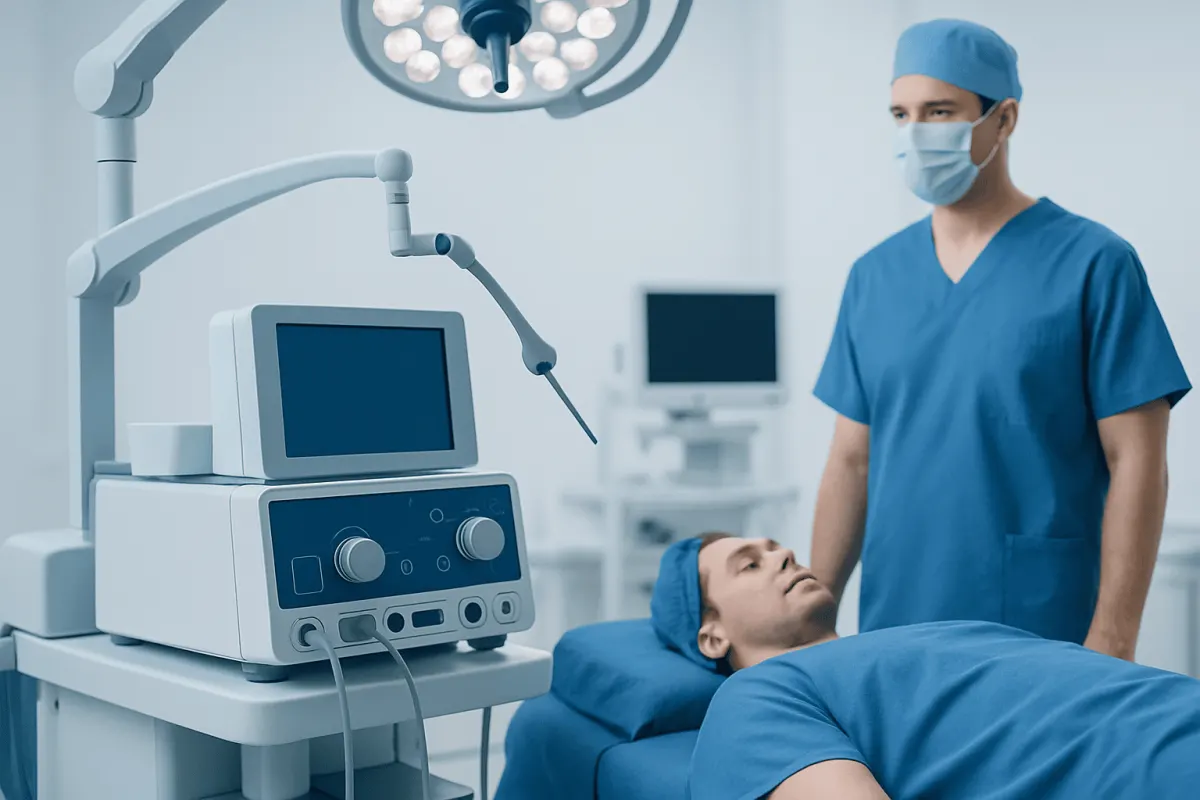
Gynecomastia surgery costs in the UK vary substantially because the planned procedure, clinical setting, anaesthesia, surgeon experience and follow-up arrangements differ between providers. A safe comparison considers the full treatment pathway—not only the initial quoted price—and begins with assessment of the underlying cause of breast enlargement.
Gynecomastia UK Surgery Cost: What Does It Include?
Gynecomastia UK surgery cost cannot be represented by one reliable figure because each person’s treatment plan is different. The total may be influenced by whether excess tissue is mainly fatty, glandular or both; whether one or both sides need treatment; the complexity of skin tightening; the choice of anaesthesia; and the operating facility, surgeon and aftercare arrangements.
Rather than comparing a headline price alone, patients can ask for a written, itemised estimate. It should explain whether consultations, blood tests or imaging when needed, surgeon and anaesthetist fees, theatre charges, compression garments, medicines, follow-up appointments and the policy for unexpected care are included. This helps patients make an informed comparison between services.
Before discussing surgery, a clinician should confirm that breast enlargement is gynecomastia rather than predominantly chest fat, sometimes called pseudogynecomastia. The assessment may also identify a medication, hormonal issue or another health condition that needs attention first. Information about gynecomastia can help patients understand the condition and its possible causes.
How Much Does It Cost to Get Gyno Removed in the UK?
There is no universal UK price for gynecomastia removal. Private providers set their own fees, and a cost estimate depends on the findings of an in-person consultation. A smaller procedure under local anaesthesia may involve different resources from surgery requiring general anaesthesia, liposuction, direct gland excision, skin removal or an overnight stay.
Some people may be assessed through the NHS when breast enlargement is associated with an underlying medical concern. However, access to surgery for long-standing gynecomastia can depend on local eligibility criteria, clinical need and commissioning policies. Patients should discuss the available options with their GP or relevant specialist rather than assuming that surgery will be funded.
When requesting quotes, it is sensible to confirm the qualifications of the operating surgeon, the accreditation and safety standards of the facility, who provides anaesthesia, how urgent concerns are handled outside clinic hours, and how many follow-up visits are planned. The lowest estimate may not reflect the same scope of care as a more comprehensive one.
How Gynecomastia Surgery Works and Who May Be Suitable

Gynecomastia surgery, also called male breast reduction, aims to create a flatter and more proportionate chest by reducing excess gland tissue, fat and, in some cases, loose skin. Liposuction may be used when fatty tissue is an important component. Firm gland tissue beneath the nipple usually requires direct surgical removal through a small incision, often around the lower edge of the areola.
Suitable candidates are generally adults with stable breast enlargement that has not improved after observation or treatment of a reversible cause. They should be in reasonably good general health, at a stable weight, able to stop smoking or nicotine use as advised, and have realistic expectations about scars, contour and recovery. In adolescents, clinicians often consider whether puberty-related changes have had adequate time to settle before surgery is considered.
An individual consultation is essential. The surgeon reviews medical history, current and past medicines, supplements, alcohol and recreational drug use, weight changes and previous chest procedures. Examination helps identify the balance of fat, gland and skin, as well as breast symmetry and nipple position. If symptoms or findings suggest another condition, investigations or referral may be needed before an operation is planned.
What Happens During the Procedure?
The exact approach is tailored to the chest shape and tissue present. After pre-operative planning and consent, the procedure may be performed with local anaesthesia and sedation or with general anaesthesia. The surgical team marks the treatment area while the patient is upright, as this helps plan for natural body contours.
For liposuction, small access points are made and a thin cannula is used to loosen and remove fat. For glandular gynecomastia, the surgeon makes an incision, commonly at the edge of the areola, and removes the necessary tissue while preserving a smooth contour. When there is significant loose skin or marked breast enlargement, a larger skin-reduction procedure may be required, which can leave more visible scars.
At the end of surgery, incisions are closed and dressings and a compression garment are applied. Drains are sometimes used, but not in every case. Patients receive instructions about wound care, activity, medicines and follow-up. Gynecomastia surgery should be planned only after a full clinical assessment and a detailed discussion of the expected benefits, limitations and risks.
Recovery Timeline, Benefits and Risks
Recovery varies with the type and extent of surgery. In the first days, swelling, bruising, tenderness and a feeling of tightness are common. Most people can manage gentle walking soon after surgery, but need to avoid strenuous exercise, heavy lifting and chest training until their surgeon says it is safe. A compression garment is commonly worn for a period recommended by the surgical team to support healing and help control swelling.
Many people return to desk-based work and routine daily activities after a relatively short recovery period, while physical work and sport may require longer. Swelling can take weeks to settle, and the final contour may continue to refine over several months. Scar appearance also evolves gradually; sun protection and following scar-care advice can be helpful once wounds have healed.
Potential benefits include reduced breast prominence, improved chest contour and relief from physical discomfort caused by prominent tissue. Emotional benefits can occur when a person feels more comfortable in clothing or social settings, but surgery cannot guarantee a particular psychological outcome.
All operations carry risks. These include bleeding, infection, fluid collection, temporary or lasting changes in nipple sensation, uneven contour, asymmetry, scarring, delayed healing, skin or nipple complications and the possible need for revision surgery. Anaesthesia also has risks. A qualified surgeon can explain how individual factors, including smoking, medical conditions and the amount of tissue removed, may affect these risks.
Can Stage 2 Gyno Go Away?
“Stage 2” is commonly used in informal grading systems to describe noticeable breast enlargement without major excess skin, but classifications vary and do not predict the outcome for every person. Whether gynecomastia improves depends more on its cause, duration and the type of tissue present than on a stage label alone.
Gynecomastia during puberty often improves naturally over time. If enlargement is linked to a medicine, substance, hormone imbalance or other condition, treating the cause may reduce it in some cases. However, established gland tissue that has persisted for a long time is less likely to disappear completely without treatment.
Weight management can reduce chest fat when excess fat is contributing, but it does not reliably remove firm gland tissue. Anyone considering surgery should first have a clinician assess possible causes and discuss whether observation, medication review, management of an underlying condition or surgery is appropriate.
Which Country Is the Cheapest for Gynecomastia Surgery?
It is not possible to name one country as consistently the cheapest option for gynecomastia surgery. Costs change over time and depend on the procedure, hospital, surgeon, anaesthesia, travel dates, currency and the level of aftercare included. A lower overseas quote may exclude essential elements such as pre-operative assessment, garments, medicines, follow-up or management of complications.
For people considering treatment abroad, safety and continuity of care should take priority over a price comparison. They should verify the surgeon’s training and registration, hospital accreditation, anaesthesia arrangements, infection-control standards, language support, medical records, travel timing and the plan for follow-up after returning home. Flying soon after surgery may carry additional considerations, including comfort, mobility and clot-risk advice from the clinical team.
Acıbadem Health Point’s multidisciplinary specialists and JCI-accredited hospitals diagnose and treat gynecomastia for international patients, with treatment planning based on individual clinical assessment. Patients should request a clear care plan and understand what follow-up support is available before travelling.
Is Gyno Surgery Worth the Money? When to Seek Medical Care
Whether gynecomastia surgery is worth the money is a personal decision that depends on symptoms, confidence, goals, finances and the likely benefit for that individual. It may be a reasonable option for someone with persistent, stable gynecomastia that causes distress or physical discomfort after reversible causes have been addressed. A careful consultation helps set realistic expectations and clarifies the complete costs, recovery commitment and possibility of further treatment.
People should seek medical assessment before pursuing surgery if breast enlargement is new, occurs mainly on one side, is rapidly changing, painful, firm or associated with nipple discharge, skin changes, a lump in the armpit, unexplained weight loss or other systemic symptoms. These signs do not necessarily indicate a serious problem, but they need proper evaluation.
A GP, endocrinologist or breast specialist may review medicines and health history and arrange appropriate tests. Prompt review is also appropriate when breast enlargement begins after starting a new medicine or supplement, or when it is causing significant emotional distress. A supportive, non-judgemental discussion can help identify the safest next step.
Frequently asked questions
01How much does it cost to get gyno removed in the UK?
There is no single standard cost for gynecomastia surgery in the UK. The estimate depends on the surgical technique, whether one or both sides are treated, anaesthesia, facility charges, surgeon fees and what follow-up care is included. A written, itemised quote after a consultation provides the most meaningful comparison.
02Can stage 2 gyno go away?
It can improve when it is recent, related to puberty or caused by a reversible factor such as a medicine or hormone imbalance. Long-standing glandular tissue is less likely to resolve completely on its own. A clinician can assess the likely cause and discuss observation, treatment of contributing factors or surgery.
03Which country is the cheapest for gynecomastia surgery?
No country is reliably the cheapest in every situation because procedure costs, exchange rates, travel and aftercare differ. Patients should compare the total care pathway, not only the operation price. Surgeon credentials, hospital standards and a clear plan for follow-up are important safety considerations.
04Is gyno surgery worth the money?
For some people with persistent gynecomastia, surgery can be worthwhile when it improves chest contour and reduces distress or discomfort. The decision is individual and should include realistic expectations about scars, recovery and potential complications. A consultation can help a person weigh expected benefits against the financial and practical commitment.
05Will exercise get rid of gynecomastia?
Exercise and weight management may reduce chest fat and improve overall body composition. However, they do not reliably remove established glandular breast tissue. A medical assessment can distinguish gynecomastia from fat-predominant chest enlargement and identify any treatable causes.
06How long does it take to recover from gynecomastia surgery?
Early bruising, swelling and soreness are expected and usually improve progressively during the first weeks. Return to office-based work may be possible sooner than return to strenuous work, lifting or chest exercise, which should follow the surgeon’s instructions. Final contour and scar maturation can take several months.
This article is for general information only and is not a substitute for professional medical advice. Please consult a qualified doctor about your individual situation.
Explore treatments in Turkey — costs, top hospitals & a free quote
JCI-accredited · board-certified surgeons · reply within 24h
Add us as a Preferred Source to see more of our trusted health content across Google Search, AI Overviews and Discover.