Gut Cleanse Detox: What Patients Need to Know
You have probably seen the ads: a tea, a juice plan, or a powder that promises to flush out toxins and finally fix your bloating. It sounds appealing. But here is the part the marketing leaves out — your liver, kidneys, and intestines are already doing that job, every single day, without any help from a product.
For most people, the things that genuinely support gut health are far less dramatic: drinking enough water, eating fiber, keeping meals balanced, staying active, and getting checked by a doctor when symptoms stick around.
Overview: What a Gut Cleanse Detox Really Means
A gut cleanse detox usually refers to a diet, supplement, tea, juice plan, laxative, or colon-cleansing method that claims to flush waste, remove toxins, reduce bloating, or “reset” digestion. In medical terms, however, the body does not usually need a special cleanse to detoxify itself. The liver, kidneys, digestive tract, and other organs continuously process and remove waste products on their own.
Some people feel temporarily lighter during a cleanse because they eat less, avoid highly processed foods, or lose water weight. Others may notice more bowel movements because a product contains laxatives or stimulants. These changes do not necessarily mean that toxins have been removed, and they do not always reflect improved digestive health.
There is a real difference between sensible habits and aggressive detox claims. Drinking enough water, eating fiber-rich foods, limiting excess alcohol, and staying physically active support normal digestion. Repeated purging, fasting, or unregulated supplements can do the opposite and put your body under strain.
How the Body Supports Gut and Detox Function Naturally
The digestive system breaks down food, absorbs nutrients, and moves waste out of the body. The liver helps process substances from food, alcohol, and medications. The kidneys filter the blood and remove waste through urine. The intestines handle digestion, water balance, and stool formation. Together, these systems already perform the body’s detox functions every day.
The gut itself is a complex ecosystem. It contains trillions of microorganisms, often called the gut microbiome, that help with digestion and interact with the immune system. A healthy gut is not defined by frequent cleansing. It is better supported by a varied diet, sufficient sleep, stress management, and regular bowel habits.
When digestive symptoms develop, they may have many causes, including constipation, food intolerance, infection, stress, medication side effects, irritable bowel syndrome, or inflammatory conditions. In that setting, the goal should be diagnosis and treatment of the underlying issue rather than repeated detox routines. Conditions such as Crohn’s disease or ulcerative colitis need professional care, not self-directed cleansing.
Why People Try Cleanses and What They May Actually Feel

People are often drawn to gut cleanse detox plans because of symptoms such as bloating, constipation, gas, sluggishness, or a feeling of “heaviness.” Marketing may suggest that these symptoms are caused by built-up toxins or waste in the colon. In reality, these symptoms are common and can happen for many reasons, many of which are unrelated to toxins.
Some people report short-term improvements during a cleanse. This may happen because they temporarily reduce ultra-processed foods, eat smaller meals, avoid excess salt, or become more aware of hydration. In other cases, they simply empty the bowels more often because of laxatives, caffeine, magnesium, herbal stimulants, or enemas.
Feeling better for a few days does not make an approach safe or effective. If symptoms quickly return after the cleanse ends, that can be a sign that the underlying cause has not been addressed. For example, constipation may improve more reliably with long-term changes such as fluids, dietary fiber, and movement, or with evaluation by a gastroenterology specialist when needed.
Common Types of Gut Cleanse Detox Methods
Many gut cleanse detox approaches fall into a few broad categories. Some are food-based, while others use supplements or procedures. Their claims often sound similar, but the ingredients and risks can differ.
- Juice cleanses and liquid-only plans: These may reduce calorie intake and can lead to temporary water loss, but they are often low in protein and may not provide balanced nutrition.
- Detox teas and herbal products: Some contain stimulant laxatives that increase bowel movements. Frequent use may lead to cramping, diarrhea, dehydration, or dependence on laxatives.
- Fiber supplements or “colon sweep” powders: Fiber can help some people, especially with constipation, but too much too quickly may worsen bloating or gas if fluid intake is low.
- Enemas and colon hydrotherapy: These are promoted as deep cleansing methods, but they are not routinely recommended for general detox and may cause irritation, infection, or electrolyte problems.
- Probiotic or “microbiome reset” products: Some probiotics may help selected symptoms in some people, but results vary and they are not a universal detox solution.
Before you try anything advertised for colon cleansing or digestive detox, read the ingredient list and talk it over with a healthcare professional — particularly if you have kidney disease, heart disease, inflammatory bowel disease, are pregnant, or take medication regularly.
Potential Risks and Who Should Be Cautious
A gut cleanse detox is not risk-free. Methods that trigger diarrhea or repeated bowel emptying can lead to dehydration and loss of important minerals such as sodium and potassium. This may cause dizziness, weakness, palpitations, or worsening of existing health conditions. Very restrictive plans can also lower energy intake and make it harder to meet protein, vitamin, and mineral needs.
A “natural” label on a supplement does not mean it is safe. Some herbs can interact with blood thinners, diabetes medicines, blood pressure medicines, and other common drugs. Products purchased online may also contain ingredients in unpredictable amounts. This can be especially concerning for older adults and people with multiple health conditions.
People with digestive diseases should be particularly careful. Inflammatory bowel conditions, severe hemorrhoids, recent abdominal surgery, bowel obstruction, kidney problems, and uncontrolled heart conditions can all increase the risk of complications. Anyone with significant constipation, ongoing abdominal pain, or rectal bleeding should avoid self-treating with repeated cleanses until a doctor has evaluated the cause.
If constipation is severe or recurrent, clinicians may recommend a structured medical approach rather than a detox. In selected situations, testing such as a colonoscopy may be advised to look for causes of bowel symptoms, especially in people with warning signs or age-appropriate screening needs.
Safer, Evidence-Based Ways to Support Gut Health
For most people, the best alternative to a gut cleanse detox is a steady routine that supports the digestive system rather than forcing it. Eating enough fiber from vegetables, fruits, legumes, oats, and whole grains can help maintain regular bowel movements. Increasing fiber gradually and drinking enough fluids are important, because a sudden increase in fiber without hydration may worsen bloating or constipation.
Regular physical activity also helps stimulate normal bowel function and supports overall metabolic health. Consistent meal timing, adequate sleep, and stress management can make a difference as well, especially when symptoms are linked to irritable bowel patterns. Some people benefit from keeping a symptom and food diary to identify triggers such as very fatty meals, excess alcohol, carbonated drinks, or poorly tolerated foods.
Probiotic-containing foods such as yogurt or kefir may be useful for some individuals, although not everyone notices a change. Medical nutrition therapy can be helpful when symptoms are frequent or confusing. In people with persistent digestive concerns, formal assessment by a specialist in gastroenterology may provide a more reliable path than trying multiple detox products.
When symptoms include chronic bloating, alternating diarrhea and constipation, or recurrent abdominal discomfort, doctors may also consider whether there is a functional bowel disorder such as irritable bowel syndrome. The right plan may include diet changes, stress management, targeted medication, and sometimes tests to rule out other causes.
How Doctors Evaluate Ongoing Digestive Symptoms
If a person is considering a gut cleanse detox because of symptoms that keep returning, medical evaluation can be more useful than repeated self-treatment. A doctor will usually ask about the timing of symptoms, bowel pattern, stool appearance, diet, medications, supplements, recent travel, stress, and family history of digestive disease. A physical examination may also help identify signs of dehydration, tenderness, or other concerns.
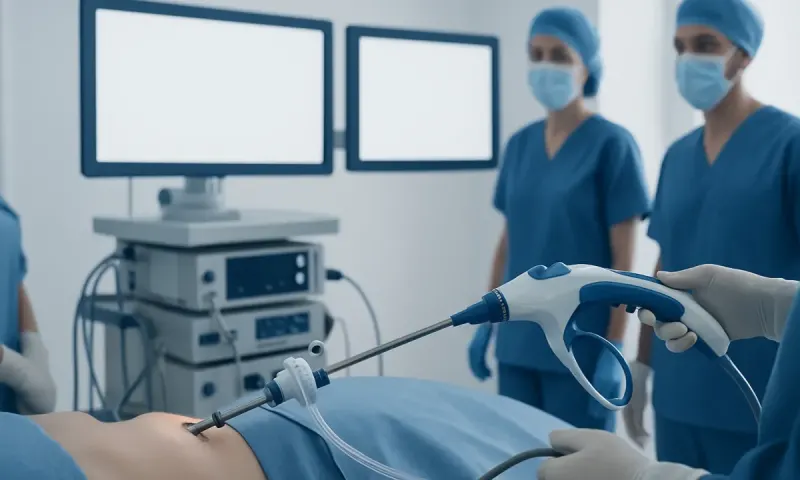
Depending on the symptoms, tests may include blood work, stool studies, breath testing, or imaging. In some situations, direct examination of the digestive tract is needed. Procedures such as endoscopy or colonoscopy can help assess unexplained pain, bleeding, ongoing reflux, anemia, or significant bowel habit changes.
The point is to find out what is actually causing the problem, not just quiet the symptoms. Constipation may relate to low fiber intake, pelvic floor dysfunction, thyroid disease, or medication side effects. Bloating can be linked to food intolerance, swallowing air, constipation, or digestive disorders. Targeted diagnosis allows treatment to be chosen more safely and effectively.
When to Seek Medical Care
Medical advice is recommended if digestive symptoms are new, persistent, or disruptive to daily life. A doctor should assess abdominal pain that keeps coming back, ongoing constipation or diarrhea, significant bloating, unexplained nausea, or symptoms that do not improve with simple lifestyle measures.
Urgent medical care is important for red-flag symptoms such as blood in the stool, black stools, vomiting that does not stop, severe abdominal pain, fainting, signs of dehydration, fever with abdominal symptoms, or unintentional weight loss. These symptoms may have causes that need prompt treatment and should not be attributed to “toxins.”
People who are pregnant, older, immunocompromised, or living with kidney, heart, or inflammatory bowel disease should speak with a clinician before using cleanse products. Some people also choose to seek specialist evaluation abroad. At Acıbadem Health Point, our multidisciplinary specialists and JCI-accredited hospitals diagnose and treat digestive conditions for international patients.
Frequently asked questions
01Does a gut cleanse detox remove toxins from the body?
In most healthy people, no special cleanse is needed to remove toxins. The liver, kidneys, digestive tract, and other organs already perform this job continuously. Many detox products mainly increase bowel movements or fluid loss rather than removing harmful substances.
02Can a gut cleanse detox help with bloating?
Some people feel temporarily less bloated during a cleanse, often because they eat less, avoid salty processed foods, or empty their bowels more. However, bloating often returns if the underlying cause is still present. Persistent bloating should be discussed with a doctor, especially if it is new or accompanied by pain or weight loss.
03Are colon cleanses and enemas safe?
They are not routinely recommended for general wellness or detox. In some people, enemas or colon cleansing methods can cause cramping, dehydration, irritation, infection, or electrolyte imbalance. Anyone with a medical condition or regular medication use should speak with a clinician before considering them.
04What is a safer alternative to a detox plan?
A balanced approach is usually safer and more effective. This includes adequate fluids, gradually increasing fiber, regular physical activity, consistent sleep, and limiting excess alcohol and ultra-processed foods. If symptoms continue, medical assessment is more helpful than repeating detox routines.
05Can probiotics replace a gut cleanse detox?
Probiotics are not a detox treatment, but they may help some people with specific digestive symptoms. Their effects vary by strain, product quality, and individual health status. A doctor or dietitian can help decide whether probiotic foods or supplements are appropriate.
06When should someone worry about digestive symptoms instead of trying a cleanse?
Medical care is important if symptoms are persistent, worsening, or associated with red flags. Blood in the stool, black stools, severe pain, fever, vomiting, dehydration, unexplained weight loss, or major changes in bowel habits should be evaluated promptly. These symptoms may indicate a condition that needs diagnosis and treatment.
This article is for general information only and is not a substitute for professional medical advice. Please consult a qualified doctor about your individual situation.
Persistent digestive symptoms? Get evaluated in Turkey
JCI-accredited · board-certified surgeons · reply within 24h
Add us as a Preferred Source to see more of our trusted health content across Google Search, AI Overviews and Discover.