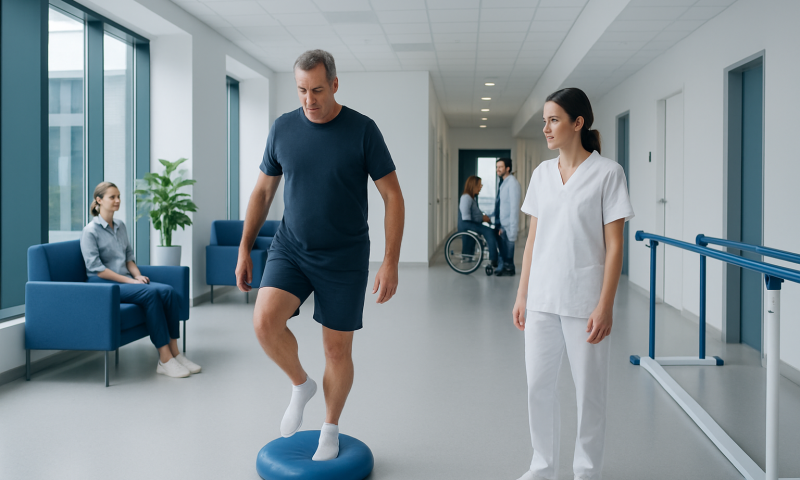
Groin Strain Exercises: Safe Techniques That Actually Help

Key Takeaways
- Early treatment usually focuses on rest, ice, and avoiding movements that worsen pain before exercise begins.
- Gentle range-of-motion work is often safer than aggressive stretching in the first phase of recovery.
- Strengthening the inner thigh and surrounding hip muscles helps rebuild support for walking, running, and sport.
- Pain that increases during or after exercise is a sign to scale back and reassess the plan.
- A full return to activity is usually gradual and should be based on function, not a calendar alone.
Groin strain exercises can help restore comfort, flexibility, and strength when they are introduced at the right time and performed correctly. The best plan depends on how severe the strain is, how pain responds to movement, and whether a clinician has confirmed the injury.
Overview
A groin strain is an injury to one or more muscles on the inner thigh, most often the adductors. When the muscle fibers are irritated or torn, the area may feel tight, sore, or weak, especially during walking, turning, climbing stairs, or changing direction. In this setting, groin strain exercises are not meant to “push through” pain; they are used carefully to restore movement and strength as the tissue heals.
The safest approach is usually staged. Early on, the goal is to calm the injury and protect it from further stress. As pain settles, controlled mobility and strengthening exercises can help the muscle regain normal function. For international patients who are deciding where to seek care, this stepwise plan also matters because it supports follow-up that can continue at home after an initial assessment or treatment visit.
Not every groin pain is a simple strain. Hip joint problems, tendon injuries, hernias, and pelvic conditions can sometimes feel similar, so an accurate diagnosis is important before starting a rehabilitation program. Exercises that help one person may delay recovery for another if the underlying issue is different.
Symptoms
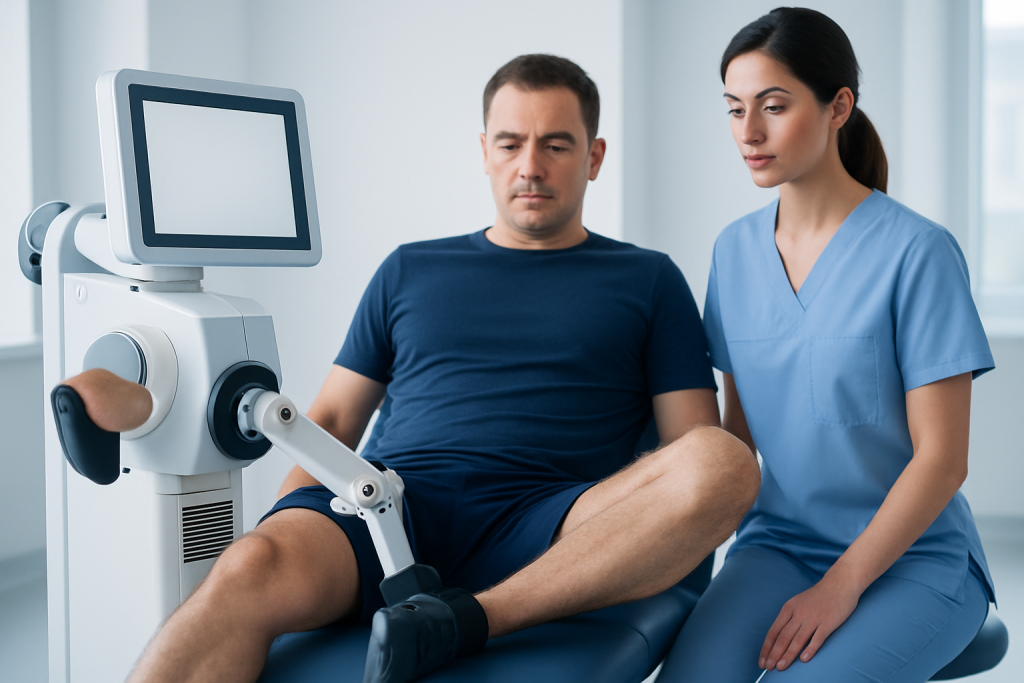
Groin strain symptoms often begin suddenly during sports, lifting, sprinting, kicking, or an awkward step. The pain is usually felt in the inner thigh or along the groin crease and may be sharp at first, then become a dull ache with movement. Some people notice tenderness when they press on the area or try to bring the legs together.
Other common signs include stiffness after sitting, pain when getting in and out of a car, discomfort with side lunges, or weakness when trying to change direction. Bruising or swelling may appear in more noticeable strains, although mild strains may have no visible changes at all.
It is helpful to pay attention to what the muscle is telling the body. Pain that eases as the body warms up and stays mild may fit with early rehabilitation, while pain that worsens quickly, causes limping, or stops normal daily movement suggests the injury should be reassessed before exercise continues.
Causes & Risk Factors
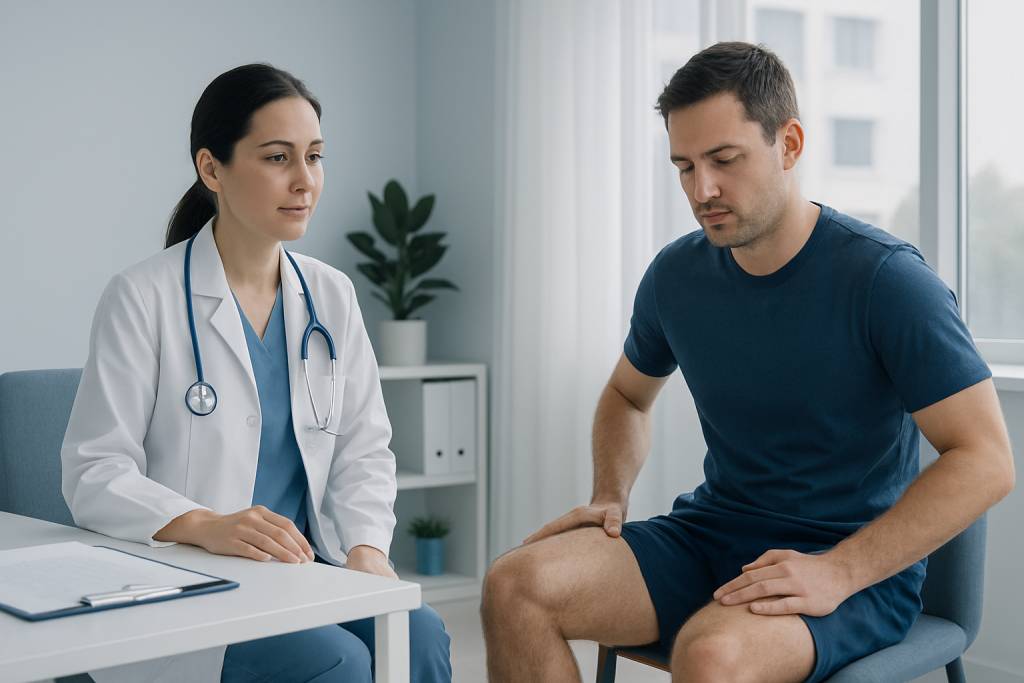
Groin strains usually happen when the adductor muscles are asked to lengthen while producing force. This can occur during sprinting, sudden cutting movements, skating, football, hockey, martial arts, or any activity that combines speed and direction changes. A strain may also develop during less dramatic actions, such as overreaching, slipping, or lifting awkwardly.
Certain factors can increase the chance of this injury. These include limited hip flexibility, weak inner-thigh or core muscles, poor warm-up habits, fatigue, previous groin injury, and a rapid increase in training load. People returning too quickly to sport after time off may also be at higher risk because the tissues are not yet prepared for full force.
In recovery, the same factors can influence how exercises are chosen. Someone with strong pain sensitivity or a recent strain may need very small, controlled movements at first, while someone with a mild strain and good baseline fitness may progress sooner. The aim is not speed alone, but the right amount of stress at the right time.
Diagnosis
Diagnosis usually starts with a history of how the pain began, what movements make it better or worse, and whether there was a clear pulling or tearing sensation. A clinician will often examine the groin, hip, and lower abdomen to check for tenderness, weakness, range of motion, and signs that another condition could be involved.
In many cases, the diagnosis is made clinically without advanced testing. Imaging may be recommended if symptoms are severe, if the recovery is not following the expected pattern, or if a different problem is suspected. Ultrasound or MRI can sometimes help distinguish between a muscle strain, tendon injury, or another cause of groin pain.
Before starting groin strain exercises, a correct diagnosis is especially important for people traveling for care or continuing rehabilitation after returning home. A clear plan from a qualified clinician makes it easier to communicate with local physiotherapists, coaches, or primary care doctors in the next phase of recovery.
Treatment Options
Early treatment usually focuses on protecting the muscle and reducing irritation. Relative rest, avoiding painful activity, and using cold packs for short periods can help in the first days after injury. Some people also benefit from compression or support if recommended by a clinician. The exact plan depends on the severity of the strain and the person’s daily demands.
Once pain begins to settle, rehabilitation typically moves toward gentle movement and then strengthening. The safest groin strain exercises often start with low-load actions such as comfortable range-of-motion work, isometric adductor squeezes, and light hip and core activation. These exercises can help the muscle re-engage without being overstressed.
As symptoms improve, more demanding movements can be added gradually. Examples may include side-lying leg raises, bridge variations, standing adductor work, and later controlled lateral lunges or sport-specific drills. Progression should be based on symptoms, control, and function rather than trying to reach a fixed timeline.
- Early phase: short, pain-light movements and isometric activation
- Middle phase: strengthening of the inner thigh, glutes, and core
- Later phase: dynamic balance, agility, and activity-specific drills
Medication may be used in some cases under medical guidance, but exercise remains a key part of recovery because it helps restore tissue capacity. If pain is persistent or the strain is more complex, a doctor or physiotherapist may adjust the program, recommend manual therapy, or plan a supervised rehabilitation schedule.
Safe Exercise Examples and How They Help
One of the most useful early groin strain exercises is the gentle adductor squeeze. This can be done lying on the back with knees bent and a pillow or soft ball between the knees. The person squeezes lightly at first, holding only as long as it remains comfortable. The purpose is to wake up the muscle, not to test its limits.
Another helpful option is pain-free hip mobility. Small movements such as bent-knee slides or controlled leg opening and closing can reduce stiffness without placing high force through the groin. These are often better tolerated than deep stretching, especially early in recovery.
As healing advances, strengthening becomes more important. A side-lying inner-thigh lift, a short bridge with gentle ball squeeze, or a standing cable or band adduction movement may be added if they do not increase symptoms. Exercises for the glutes and core are also valuable because they share load with the groin during walking and sport.
Technique matters more than intensity. Movements should be slow, controlled, and balanced on both sides. If pain rises above a mild, manageable level, or if soreness is worse the next day, the exercise load is probably too high and should be reduced.
Prevention & Self-care
Preventing another groin strain usually involves rebuilding capacity before returning to full-speed activity. A proper warm-up, regular lower-body strengthening, and gradual increases in training volume can make the groin more resilient. People who play running- or cutting-based sports often need ongoing adductor and hip work, not just a short rehabilitation phase.
At home, recovery is supported by good basics: enough sleep, adequate hydration, sensible activity pacing, and avoiding sudden spikes in exercise. If sitting for long periods makes the area stiff, brief standing breaks and gentle mobility can help. The body usually does better with frequent, low-stress movement than with long stretches of complete inactivity.
For patients recovering away from their home country, self-care also includes planning the next steps clearly. Written exercise instructions, follow-up appointments, and an understanding of which symptoms should trigger reassessment can make recovery more predictable when care is shared between teams in different locations.
- Warm up before sport or strenuous activity
- Build adductor, hip, and core strength progressively
- Increase training load gradually after time off
- Stop and modify exercises if pain is sharpening or spreading
When to See a Doctor
Medical evaluation is advisable if groin pain is severe, if walking becomes difficult, or if the injury happened with a clear pop, sudden weakness, or visible bruising. A doctor should also assess symptoms that do not begin improving after a reasonable rest period, or pain that returns quickly whenever activity is resumed.
It is especially important to seek care if the pain is associated with a bulge in the groin, fever, testicular pain, numbness, abdominal pain, or pain deep in the hip joint. These signs may point to a condition other than a simple muscle strain and should not be managed only with home exercises.
For international patients, early evaluation can save time later by preventing a mismatched rehab plan. Acibadem Health Point’s multidisciplinary specialists and JCI-accredited hospitals diagnose and treat this condition for international patients, with care plans that can be coordinated around travel and follow-up needs. Still, any exercise program should be individualized by a qualified clinician.
Frequently asked questions
01Are groin strain exercises safe right after the injury?
Not usually in the first painful phase if the movement increases symptoms. Early recovery is typically about protecting the muscle and using only very gentle motion that does not worsen pain. A clinician can help decide when to begin active exercises.
02Should groin strains be stretched?
Sometimes, but not aggressively and not too early. Gentle mobility is often safer than strong stretching at first because a strained muscle may be irritated by long holds or deep positions. Stretching is usually introduced only when the tissue is ready and the movement feels comfortable.
03What exercises are best for a groin strain?
Exercises that start with light adductor activation and progress to controlled strengthening are often most useful. Common examples include gentle squeezes, side-lying inner-thigh work, bridges, and later functional drills. The best choice depends on pain level and the stage of healing.
04How long does it take to recover from a groin strain?
Recovery time varies widely because strains range from mild irritation to more significant tearing. Many people improve gradually over days to weeks, but some need a longer rehabilitation period. Return to full activity should be based on pain, strength, and function rather than time alone.
05Can walking help a groin strain?
Light walking is often helpful if it does not increase pain or cause limping. It can keep the area from becoming too stiff and support circulation during healing. If walking is painful or makes symptoms worse later, it is a sign to reduce activity and seek advice.
06When should exercise be stopped during recovery?
Exercise should be reduced or paused if pain becomes sharper, spreads, or lingers longer after the session. A small level of mild soreness can be normal in rehabilitation, but worsening symptoms are not a good sign. If in doubt, it is safer to reassess the program with a clinician.
This article is for general information only and is not a substitute for professional medical advice. Please consult a qualified doctor about your individual situation.
Joint and spine care in Turkey — expert assessment & treatment
JCI-accredited · board-certified surgeons · reply within 24h
Add us as a Preferred Source to see more of our trusted health content across Google Search, AI Overviews and Discover.