Gout Doctor: When to See a Specialist for Flares

A gout doctor evaluates sudden painful joint attacks, confirms whether urate crystals are the cause, and creates a plan to control inflammation and prevent future flares. Most people improve without surgery; operations are uncommon and are generally considered only when long-standing gout causes large tophi, skin problems, nerve pressure, or significant joint damage.
What a Gout Doctor Does
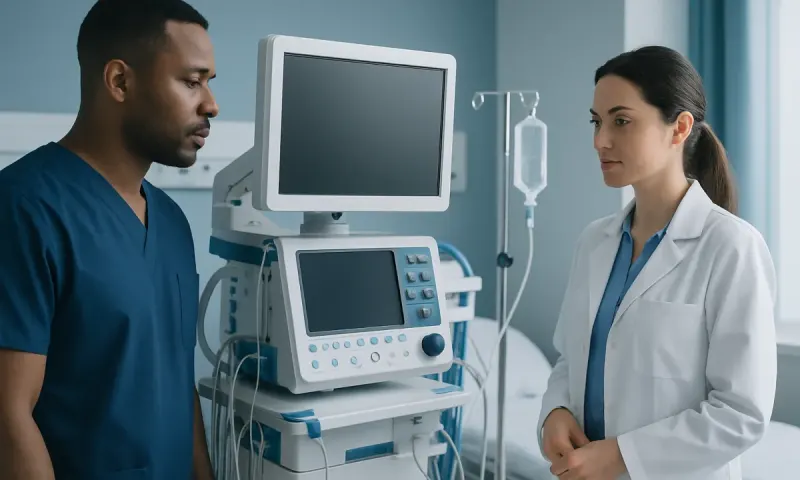
A gout doctor helps identify the cause of acute joint pain, treat the current flare safely, and reduce the likelihood of future attacks. The clinician may be a primary care physician, a rheumatologist who specializes in inflammatory joint diseases, or an orthopedic surgeon when there is substantial joint damage or a possible need for surgery. The right specialist depends on the person’s symptoms, medical history, kidney function, medicines, and the condition of the affected joint.
Gout is a form of inflammatory arthritis caused by monosodium urate crystals. These crystals can form when blood uric acid levels remain high over time. They most often affect the base of the big toe, but may also involve the ankle, knee, wrist, elbow, fingers, or other joints. A flare can begin suddenly, often overnight, with severe pain, swelling, warmth, redness, and tenderness.
A doctor’s plan has two separate goals: calming the active inflammation and managing uric acid over the longer term. This distinction matters because medicines used for a painful flare are not always the same as treatments used to prevent future flares. For broader information about the condition, patients can review gout.
Assessment, Tests and Treatment Planning
During the appointment, the doctor will ask when symptoms began, which joints are involved, whether similar attacks have occurred before, and whether there is a family history of gout or kidney stones. They will also review alcohol intake, dietary patterns, recent illness or surgery, hydration, body weight, kidney disease, high blood pressure, diabetes, and medicines such as certain diuretics, which can raise uric acid levels.
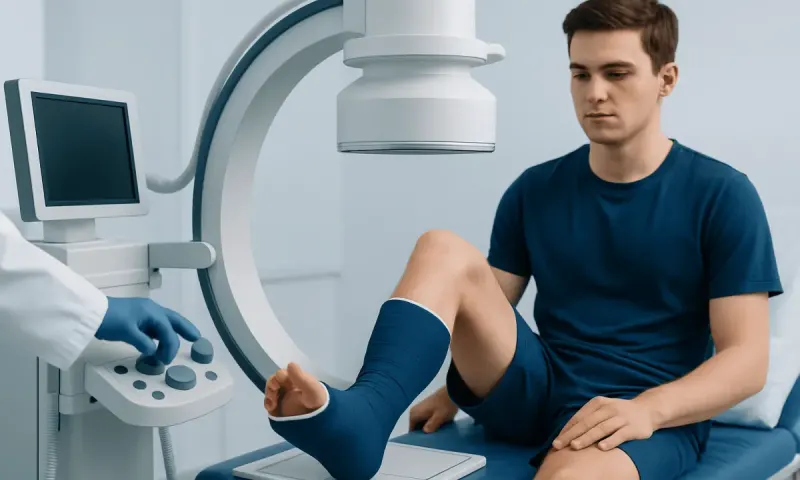
Gout cannot always be diagnosed from symptoms alone. Blood tests may measure uric acid and assess kidney function, although uric acid may be normal during an acute flare. If the diagnosis is uncertain or infection needs to be excluded, a doctor may remove a small amount of joint fluid and examine it for urate crystals. Ultrasound, X-ray, or dual-energy CT may be used to assess crystal deposits, tophi, or joint damage in selected cases.
Treatment for a flare may include anti-inflammatory medicines chosen according to the patient’s health needs and other medications. For people with recurrent attacks, tophi, chronic kidney disease, or persistently high uric acid, the doctor may discuss long-term urate-lowering therapy. These medicines require regular follow-up because treatment is adjusted to reach and maintain a safe uric acid target.
- Bring a list of all medicines, supplements, and past flare dates to the consultation.
- Do not stop prescribed urate-lowering medicine during a flare unless the treating clinician advises otherwise.
- Seek prompt review for a first-ever hot, swollen joint, as infection can look similar to gout.
How Painful Is Gout on a Scale of 1 to 10?

Gout pain is highly individual, so there is no single number that applies to everyone. During a severe acute flare, many people describe pain in the upper part of a 1-to-10 scale, sometimes 8 to 10 out of 10. Even the pressure of a sock, bedsheet, or shoe can feel intolerable when a joint is very inflamed.
Pain intensity often rises rapidly within the first 12 to 24 hours. The joint may feel hot, look red or shiny, and be difficult to move or bear weight on. Pain can then gradually decrease over several days, though soreness, stiffness, and swelling may remain after the sharpest pain has settled.
A pain score alone cannot confirm gout or measure joint damage. Sudden severe pain with fever, chills, feeling unwell, an open wound, or rapidly spreading redness requires urgent medical assessment, because joint infection and other conditions can resemble a gout attack.
Gout Recovery Timeline and Everyday Activity
Gout Neck Surgery Recovery Time?" class="ahp-ilk">recovery time varies with the severity of the flare, how quickly treatment begins, the joint involved, and the person’s overall health. Without treatment, an acute flare commonly improves within several days to about two weeks, but it can last longer. With timely treatment, pain and swelling may begin improving within a few days, although complete comfort may take longer.
For many people, the gout recovery time with treatment is shorter than it would be without treatment. However, a treatment plan to prevent future attacks works over months rather than hours or days. Lowering uric acid reduces the crystal burden gradually, and some people can experience early flares as old deposits begin to dissolve. This is why clinicians may use preventive anti-inflammatory treatment when starting long-term urate-lowering medicine.
The gout recovery timeline after repeated flares or chronic gout can be more complex. Long-standing inflammation may reduce mobility, and tophi may interfere with footwear, hand function, or skin health. Follow-up care, appropriate footwear, physical therapy where needed, and gradual return to normal activity can support recovery.
Is It Better to Walk or Rest With Gout?
During the most painful phase of an acute gout flare, resting and protecting the affected joint is usually more comfortable than walking through severe pain. Elevating the limb, avoiding tight footwear, and using a cold pack wrapped in cloth for short periods may help some people manage swelling and discomfort. A doctor or pharmacist can advise on safe pain-relief options based on the person’s medical history.
Complete inactivity for a prolonged period is usually not necessary. As pain and swelling improve, gentle movement and a gradual return to walking can help maintain mobility. For a gout attack affecting the foot, ankle, or knee, a clinician may recommend temporary support, modified activity, or a mobility aid if weight-bearing is difficult.
People should not force exercise through intense pain, especially when the diagnosis has not been confirmed. If walking becomes impossible, pain is escalating, or the joint is accompanied by fever or significant illness, urgent evaluation is important.
Gout Surgery Recovery: When Is Surgery Considered?
Gout surgery is not a routine treatment for typical gout flares. Effective medical management of inflammation and uric acid is the main approach for most patients. Surgery may be considered when large tophi cause skin ulceration or infection risk, compress a nerve, limit tendon movement, make shoes impossible to wear, or when severe joint destruction causes persistent pain and loss of function.
Depending on the problem, an orthopedic surgeon may remove a troublesome tophus, repair affected tendons, correct deformity, fuse a damaged joint, or replace a joint in advanced cases. The procedure is tailored to the location and extent of damage. Surgery does not replace long-term uric acid control, because crystals can return if uric acid remains above target.
Gout Ankle Surgery Recovery: When Can You Bear Weight?" class="ahp-ilk">surgery recovery time depends greatly on the operation. Removal of a small, superficial tophus may involve a shorter recovery than tendon reconstruction, joint fusion, or joint replacement. Wound care, swelling control, follow-up visits, and rehabilitation may be needed. The surgeon can provide an individualized estimate based on the procedure, tissue healing, mobility needs, and medical conditions such as diabetes or circulation problems.
How Painful Is Gout Surgery Recovery?
Gout surgery recovery can involve pain, swelling, stiffness, and temporary limits on movement, but the level of discomfort varies by procedure and body area. Surgery on the foot or ankle can make walking uncomfortable for a period because these areas bear weight. Larger reconstructive operations generally have a more demanding recovery than removal of a small tophus.
The surgical team provides a plan for anesthesia, pain control, wound care, activity restrictions, and rehabilitation. Following these instructions helps protect the repair and supports healing. Patients should tell their surgical team if pain is not controlled, if dressings become soaked, or if there is increasing redness, drainage, fever, numbness, or color change in the fingers or toes.
Recovery also includes medical gout management. A rheumatologist or primary care doctor may coordinate with the surgeon to keep uric acid controlled and reduce the chance of future crystal deposits. Acıbadem Health Point’s multidisciplinary specialists and JCI-accredited hospitals diagnose and treat gout-related joint concerns for international patients.
Gout Recovery Diet, Prevention and When to Seek Medical Care
A gout recovery diet supports, but does not replace, medical treatment. During and between flares, regular hydration and a balanced eating pattern may be helpful. Many clinicians advise limiting alcohol, particularly beer and spirits, sugary drinks, and frequent large portions of foods high in purines such as organ meats and certain seafood. Crash diets and rapid weight loss can raise uric acid temporarily, so gradual, sustainable changes are generally preferred.
Other useful measures may include maintaining a weight that supports health, managing blood pressure and blood sugar, and taking prescribed medicines consistently. Low-fat dairy foods, vegetables, whole grains, fruit, and protein choices suited to the individual’s health needs can be part of a balanced pattern. A doctor or registered dietitian can give more specific advice for people with kidney disease, diabetes, heart disease, or dietary restrictions.
When to seek medical care: a person should arrange medical assessment for a first suspected gout attack, recurrent flares, symptoms that do not improve with the agreed plan, or lumps around joints that may be tophi. Urgent care is needed for a hot swollen joint with fever, chills, severe illness, rapidly worsening redness, or inability to bear weight, because an infected joint must be ruled out promptly.
Frequently asked questions
01What type of doctor should a person see for gout?
A primary care doctor can often diagnose and manage uncomplicated gout. A rheumatologist may be helpful for frequent flares, uncertain diagnosis, tophi, difficult-to-control uric acid, or other inflammatory joint concerns. An orthopedic surgeon is usually involved only when gout has caused major structural problems or surgery is being considered.
02How long does gout recovery last?
A typical untreated gout flare may last several days to around two weeks, although timing varies. Starting appropriate treatment early often shortens the most painful stage. Recovery may take longer when attacks are severe, recur often, affect several joints, or occur alongside chronic joint damage.
03Can gout go away permanently?
An individual flare can resolve, but gout tends to recur if uric acid remains elevated and crystals stay in the body. Long-term urate-lowering treatment, when indicated, can prevent flares and gradually dissolve crystal deposits. A clinician can determine whether this treatment is appropriate and monitor it safely.
04Should uric acid medication be started during a gout flare?
This decision should be made with the treating clinician. People already taking prescribed urate-lowering medication are commonly advised to continue it during a flare, while starting or adjusting treatment requires an individualized plan. Anti-inflammatory treatment may be used to manage symptoms and reduce flare risk during medication changes.
05What foods should be avoided during gout recovery?
It may help to limit alcohol, sugar-sweetened drinks, organ meats, and frequent large servings of certain high-purine seafood. Dietary changes alone may not lower uric acid enough for everyone, particularly people with recurrent gout or tophi. A balanced, sustainable eating pattern is more useful than extreme restriction.
06When is gout surgery needed?
Surgery is uncommon and is generally reserved for complications such as large tophi that break down the skin, restrict movement, compress nerves, interfere with shoes, or cause serious joint damage. The exact procedure depends on the location and extent of the problem. Ongoing uric acid management remains important after surgery to help prevent new deposits.
This article is for general information only and is not a substitute for professional medical advice. Please consult a qualified doctor about your individual situation.
Joint and spine care in Turkey — expert assessment & treatment
JCI-accredited · board-certified surgeons · reply within 24h
Add us as a Preferred Source to see more of our trusted health content across Google Search, AI Overviews and Discover.