GH Injections: Uses, Risks, and Medical Oversight
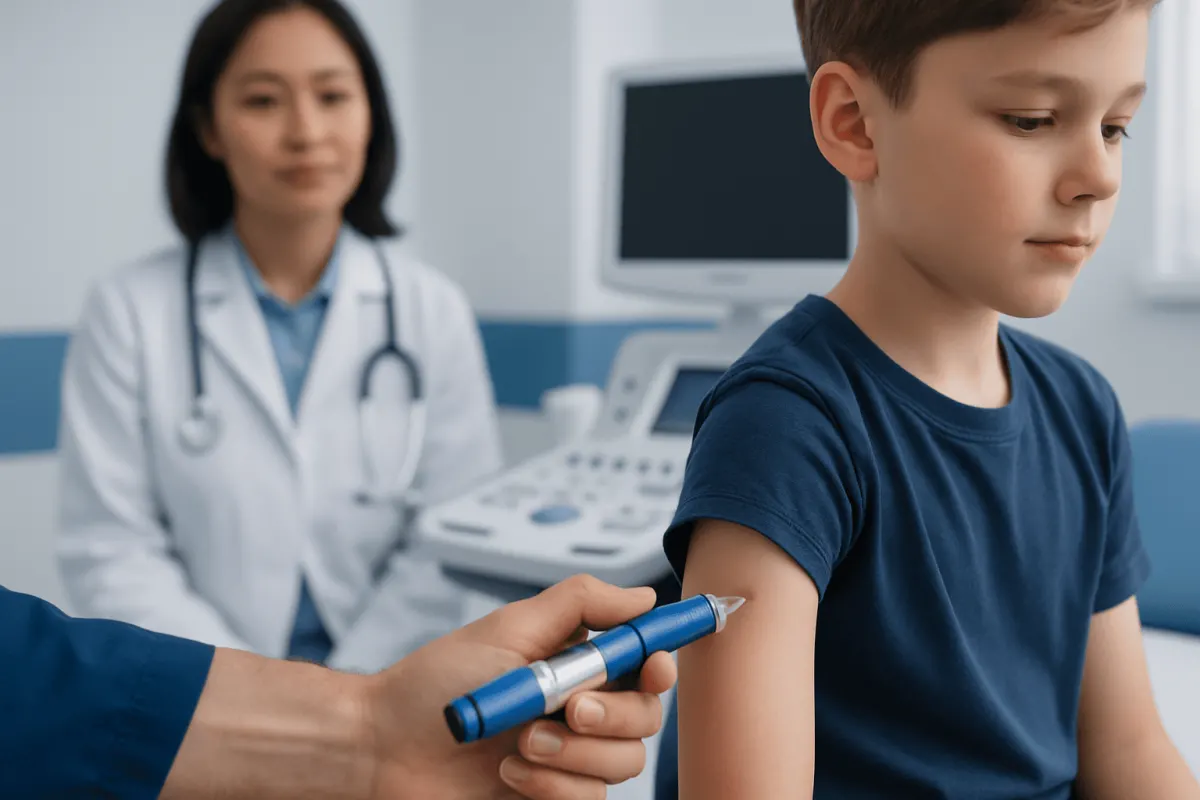
A GH injection contains synthetic human growth hormone, a prescription medicine used for specific, medically confirmed conditions. It can be highly beneficial when appropriately prescribed and monitored, but it is not a routine treatment for aging, muscle building, or weight loss.
What Is a GH Injection?
A GH injection is an injection of laboratory-made human growth hormone, also called somatropin. Growth hormone is naturally produced by the pituitary gland, a small gland at the base of the brain. It supports normal growth in childhood and contributes to body composition, bone health, metabolism, and tissue repair throughout life.
Medical GH injection treatment is prescribed for people with confirmed growth hormone deficiency and certain other specific conditions. It is not the same as unregulated products promoted online as “HGH,” and it should not be started based on tiredness, changes in appearance, or a wish to gain muscle alone.
Evidence supports growth hormone replacement when a person has a clear medical indication. In people without deficiency, however, claimed benefits for anti-aging, athletic performance, or general wellness are uncertain and do not outweigh the known risks for many individuals.
When Is Growth Hormone Treatment Medically Used?
In children, growth hormone may be used when a specialist identifies growth hormone deficiency or certain conditions that affect expected growth. Treatment decisions are based on growth patterns, medical history, examination findings, laboratory assessment, and sometimes imaging or genetic evaluation. The goal is to support healthy growth and development, not to make a child taller than their genetically expected range.
In adults, replacement therapy may be considered for confirmed growth hormone deficiency that began in childhood or developed later due to pituitary disease, brain surgery, radiation therapy, significant head injury, or other disorders affecting the hypothalamus or pituitary gland. Adult deficiency can be associated with changes in body composition, reduced exercise capacity, lower bone density, and reduced quality of life, although these symptoms can also have many other causes.
Growth hormone is also approved in some countries for selected conditions outside classic deficiency. The appropriate indication, medicine choice, and monitoring plan vary by age and local regulatory guidance. A clinician should explain why treatment is being considered and what outcome is realistic for the individual.
Why GH Injection Is Not a General Anti-Aging or Fitness Treatment

Online claims may suggest that growth hormone injections reverse aging, eliminate body fat, increase strength, or improve energy in otherwise healthy adults. These messages can be misleading. Aging, fatigue, reduced fitness, and body-weight changes are complex concerns that may relate to sleep, nutrition, physical activity, stress, medications, thyroid disease, anemia, depression, menopause, or other health conditions.
Although growth hormone can alter body composition in some settings, it has not been established as a safe general anti-aging treatment. Any apparent short-term changes may be accompanied by fluid retention, joint discomfort, effects on blood sugar, and other adverse effects. It should not replace a balanced diet, resistance and aerobic exercise, sleep care, or assessment of persistent symptoms.
Non-prescribed hormone products can also be counterfeit, contaminated, incorrectly stored, or inaccurately labeled. Growth hormone is a regulated prescription medicine in many places. It is safest to obtain it only through a licensed clinician and pharmacy when there is a valid medical reason for treatment.
How Growth Hormone Deficiency Is Diagnosed
Diagnosis begins with a detailed review of symptoms, growth history in children, medical conditions, medicines, prior brain treatment or injury, and family history. A clinician also performs a physical examination and may request tests that assess other pituitary hormones, thyroid function, blood sugar, and general health.
Growth hormone is released in pulses, meaning levels rise and fall during the day and night. For this reason, one random growth hormone measurement usually cannot confirm or exclude deficiency. Clinicians often use insulin-like growth factor 1 (IGF-1), a related substance that is more stable in the bloodstream, alongside other findings.
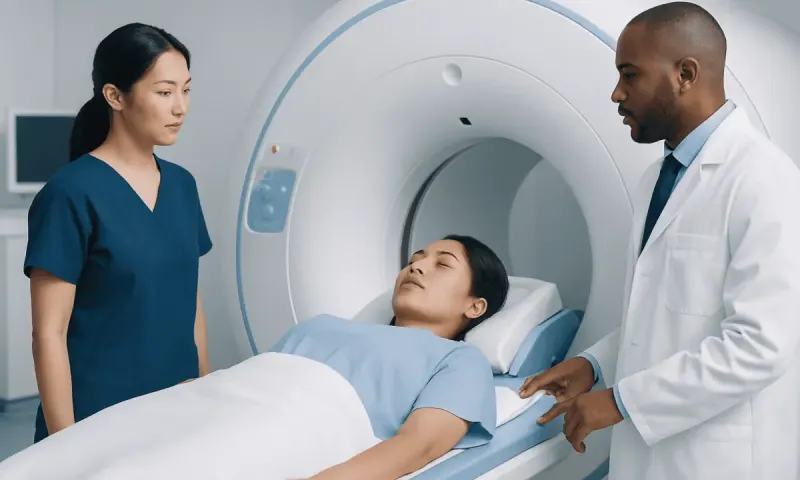
Some adults and children need a supervised growth hormone stimulation test, in which the body’s ability to release growth hormone is evaluated after a carefully chosen stimulus. If a pituitary or hypothalamic problem is suspected, magnetic resonance imaging may also be recommended. Testing is interpreted by an endocrinology team in the context of the whole clinical picture.
- In children, slow growth over time is usually more informative than one height measurement.
- In adults, symptoms alone do not establish growth hormone deficiency.
- Other hormone deficiencies may need assessment and treatment as well.
What Treatment and Monitoring Usually Involve
When GH injection treatment is appropriate, it is usually given as a small injection under the skin. Patients or caregivers are taught safe injection technique, storage, scheduling, and how to rotate injection sites. The medicine is generally started and adjusted by a clinician rather than self-selected or copied from another person’s plan.
Follow-up visits are an essential part of therapy. Clinicians monitor growth and pubertal development in children, and may review symptoms, body measurements, IGF-1, blood sugar, thyroid function, and other relevant tests in adults. The treatment plan may change as a child grows, when goals are reached, or if side effects occur.
In adults with confirmed pituitary-related deficiency, care may involve more than one specialty because other pituitary hormones can be affected. Pituitary disorders are one possible underlying cause and should be assessed carefully when clinically suspected. Decisions about hormone replacement are individualized and should be reviewed regularly.
Possible Side Effects and Safety Considerations
Most people receiving appropriately prescribed growth hormone are monitored closely and can report side effects early. Possible effects include swelling from fluid retention, muscle or joint pain, tingling or numbness in the hands, headaches, and reactions at the injection site. These effects may improve after a clinician adjusts treatment, but they should not be ignored.
Growth hormone can affect how the body handles glucose. People with diabetes, prediabetes, obesity, or a strong family history of diabetes may need particularly careful monitoring. It can also interact with the management of thyroid and adrenal hormone disorders, which is one reason specialized follow-up matters.
GH injection is generally avoided or used only with specialist guidance in people with active cancer, certain serious acute illnesses, or other contraindications. A new severe headache, visual symptoms, worsening swelling, breathing difficulty, persistent vomiting, or significant pain should be discussed promptly with a healthcare professional. Patients should never change the dose or stop a prescribed hormone without advice unless urgent medical care is needed.
Practical Questions to Ask Before Starting GH Injection
Before treatment begins, it is reasonable for patients and families to ask what diagnosis is being treated, which test findings support the decision, what benefits are expected, and how progress will be measured. The clinician should also discuss the likely duration of treatment, possible side effects, and the tests needed during follow-up.
Patients can support safe treatment by attending appointments, using the medication exactly as instructed, keeping it stored according to pharmacy directions, and recording symptoms or missed doses. It is important to tell the care team about all medicines and supplements, including products bought online or used for sports and body-building purposes.
A healthy lifestyle remains important whether or not someone receives hormone therapy. Regular movement, adequate protein and overall nutrition, sufficient sleep, and management of chronic conditions can support well-being but do not substitute for diagnosis or prescribed medical treatment.
When to Seek Medical Care
Parents should arrange a medical review if a child appears to be growing much more slowly than peers, has fallen across growth-percentile lines, or has other concerns such as delayed puberty, frequent headaches, or visual changes. Many children who are shorter than average do not have growth hormone deficiency, but a timely assessment can clarify the cause and provide reassurance or appropriate care.
Adults should speak with a doctor about persistent fatigue, reduced exercise tolerance, unexplained body-composition changes, low mood, or reduced quality of life, especially if there is a history of pituitary disease, brain surgery, radiation therapy, or significant head injury. These symptoms are common and often have causes other than growth hormone deficiency, so careful evaluation is more useful than seeking GH injections directly.
Urgent assessment is appropriate for sudden severe headache, new visual disturbance, confusion, weakness, or other concerning neurological symptoms. Acıbadem Health Point’s multidisciplinary specialists and JCI-accredited hospitals assess and treat hormone-related conditions for international patients, with care plans based on individual clinical needs.
Frequently asked questions
01What does a GH injection do?
A GH injection provides synthetic human growth hormone to replace or supplement hormone activity in specific medically diagnosed conditions. Its effects depend on the reason it is prescribed, the person’s age, and careful dose monitoring. It is not a proven general treatment for tiredness, aging, or athletic performance.
02Is GH injection the same as HGH?
GH and HGH are commonly used terms for growth hormone or human growth hormone. In medical care, prescribed somatropin is a regulated medicine used for defined indications. Products marketed outside regulated healthcare may be unsafe, counterfeit, or not appropriate for the person using them.
03Can adults receive growth hormone injections?
Yes, adults with confirmed growth hormone deficiency may be candidates for replacement therapy under endocrinology supervision. The diagnosis usually requires more than symptoms or one blood test. Regular monitoring is needed because treatment can affect glucose levels, fluid balance, and other hormones.
04Are GH injections safe for children?
When a qualified pediatric endocrine specialist prescribes growth hormone for an appropriate condition, treatment is monitored for safety and effectiveness. Children need regular checks of growth, development, and possible side effects. Growth hormone should not be used simply because a child is shorter than peers without a full assessment.
05Do GH injections help with weight loss?
Growth hormone is not a routine or recommended weight-loss medicine for people without a diagnosed hormone-related indication. It may influence body composition in people with true deficiency, but it can also cause side effects and does not replace nutrition, physical activity, and evidence-based weight management. A clinician can help identify safe options for weight concerns.
06How is growth hormone deficiency tested?
Clinicians use medical history, physical examination, IGF-1 testing, and sometimes a supervised growth hormone stimulation test. Children are also assessed through their growth pattern over time. Imaging of the pituitary region may be needed when an underlying structural problem is suspected.
This article is for general information only and is not a substitute for professional medical advice. Please consult a qualified doctor about your individual situation.
Medical weight-loss options in Turkey — costs & eligibility
JCI-accredited · board-certified surgeons · reply within 24h
Add us as a Preferred Source to see more of our trusted health content across Google Search, AI Overviews and Discover.