

Getting Dry Skin Off Feet: What You Need to Know
- 9 min read
- Published November 27, 2026
Key Takeaways
- Dry skin on the feet is often improved with soaking, gentle exfoliation, and thick moisturisers applied consistently.
- Cracked heels, itching, scaling, or a spreading rash may point to eczema, athlete’s foot, psoriasis, or another condition.
- Very dry feet can also be linked to diabetes, poor circulation, thyroid problems, or ageing skin changes.
- Harsh scrubs, very hot water, and walking barefoot on rough surfaces can make dryness worse.
- Medical review is important if the skin is painful, bleeding, infected, or not improving with home care.
Getting dry skin off feet usually begins with gentle care: softening the skin, removing loose buildup carefully, and restoring moisture with the right products. When dryness is persistent, painful, or accompanied by redness, scaling, or cracks, an underlying skin condition or medical issue may need attention.
Overview
Getting dry skin off feet is usually less about “scrubbing it away” and more about helping the skin release dead cells safely while the newer skin underneath stays protected. In many people, the answer is a simple routine: soften the skin, use gentle exfoliation, then seal in moisture with a richer cream or ointment.
The feet are especially prone to dryness because the skin there has fewer oil glands, spends long hours inside shoes, and often bears repeated pressure from walking. That means a small patch of dryness can quickly become a rough heel, flaking sole, or a split crack if it is ignored.
For most people, this is a manageable skin issue. Still, when dryness keeps returning or begins to itch, burn, peel, or crack, it is worth looking beyond “dry skin” alone and considering what else may be driving it.
Symptoms
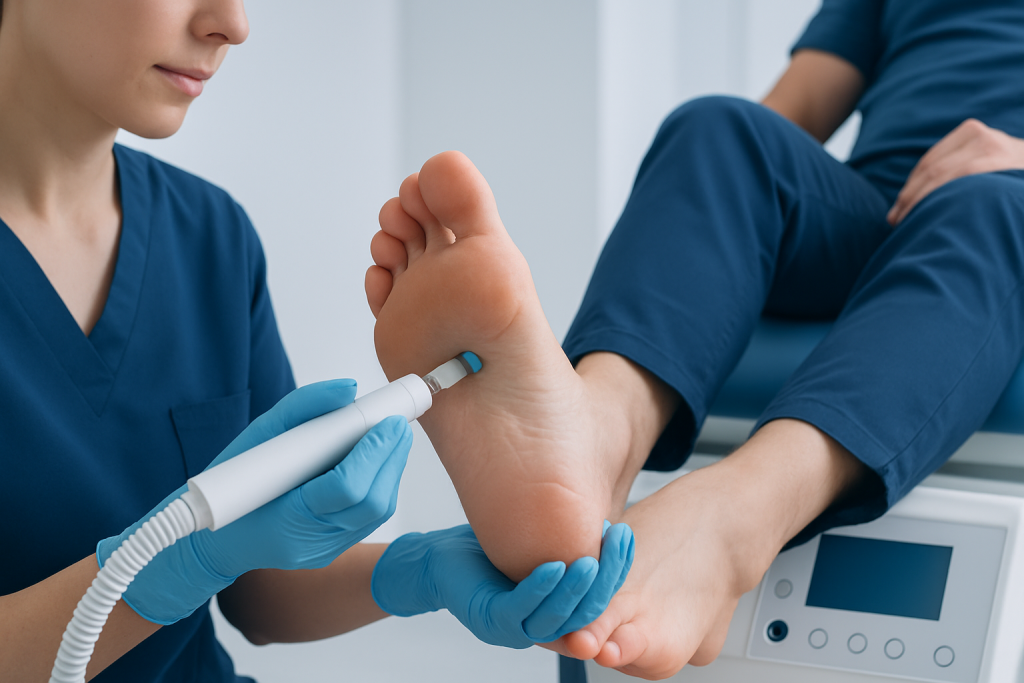
Dry skin on the feet can look mild at first, with a dull, ashy surface or fine scaling around the heel or ball of the foot. As it becomes more pronounced, the skin may feel tight, rough, or brittle, and the edges of the heel may start to thicken.
Some people notice visible flaking or peeling, especially after bathing or removing socks. Others feel discomfort when the skin catches on sheets or shoes, or they see small fissures that sting when they walk.
Signs that dryness may be more than a simple surface issue include:
- Persistent itching or burning
- Redness or inflammation
- Peeling between the toes
- Deep heel cracks or bleeding
- Swelling, warmth, or pus
These features can suggest irritation, infection, eczema, psoriasis, or a fungal rash rather than ordinary dry skin alone.
Causes & Risk Factors

Feet dry out for many everyday reasons. Frequent washing, long hot showers, harsh soaps, cold weather, dry indoor air, and friction from shoes can all strip the skin’s natural barrier. In international travel, long flights and climate changes can also make the skin feel drier than usual, especially when hydration, sleep, and footwear routines shift at the same time.
There are also medical and lifestyle factors that increase risk. Ageing skin naturally holds less moisture, and conditions such as eczema, psoriasis, athlete’s foot, diabetes, thyroid disorders, and poor circulation can all contribute to stubborn dryness. Overweight pressure on the heels, standing for long periods, and barefoot walking on rough surfaces may worsen thick, dry patches.
Common risk factors include:
- Open-back shoes or sandals that increase heel friction
- Very hot water and aggressive scrubbing
- Dehydration or low humidity
- Skin conditions such as eczema or psoriasis
- Diabetes or vascular problems affecting the feet
When dryness is tied to an underlying condition, treating the skin alone often brings only temporary relief.
Diagnosis
Many cases of dry feet can be recognised by appearance alone, but a clinician may ask more questions when the skin is severe, painful, or not responding to home care. The goal is not just to label the dryness, but to understand whether there is a fungal infection, inflammatory skin disease, or circulation-related problem behind it.
A doctor may examine the feet closely, ask about bathing habits, footwear, symptoms elsewhere on the body, and any history of diabetes or thyroid disease. If the skin is peeling in a pattern that suggests fungus, a small sample may be taken for testing. If cracks are deep or infection is suspected, further assessment may be needed.
For international patients, this evaluation is often straightforward and can be coordinated with dermatology, endocrinology, or podiatry depending on the findings. Clear diagnosis matters because the right treatment for eczema is different from the right treatment for athlete’s foot.
Treatment Options
Treatment starts with restoring the skin barrier. A thick, fragrance-free moisturiser is usually the mainstay, and many people do best with ointments or creams rather than lotions. Applied after bathing and again at bedtime, these products help reduce water loss and soften built-up skin over time.
Gentle exfoliation can help remove loose surface scale, but it should be cautious. A pumice stone, foot file, or soft washcloth may be used after soaking the feet in warm—not hot—water. The aim is to smooth the skin, not thin it aggressively; overdoing it can cause more cracking and irritation.
If there are signs of a specific condition, treatment changes accordingly. Antifungal medicines may be needed for athlete’s foot, while eczema or psoriasis may require prescription creams or other anti-inflammatory treatments. Deep heel fissures sometimes benefit from protective dressings or products designed to reduce further splitting.
In some cases, dry skin off feet is part of a broader medical picture, and a clinician may recommend managing blood sugar, improving circulation, or reviewing medications that contribute to dryness. That wider approach often leads to more durable improvement than skin care alone.
Prevention & Self-care
The most effective prevention habits are often the simplest ones repeated consistently. Mild cleansers, lukewarm water, and immediate moisturising after washing help protect the skin barrier. Choosing breathable shoes and moisture-wicking socks can also reduce friction and sweat-related irritation.
Self-care works best when it is steady rather than intense. A person may exfoliate lightly once or twice a week if needed, but rough sanding, razor blades, or strong chemical peels can injure the skin. If the feet are very dry, covering moisturised skin with cotton socks overnight can help lock in hydration.
Helpful habits include:
- Apply a thick cream or ointment daily, especially after bathing
- Avoid very hot water and harsh soap
- Dry carefully between the toes
- Wear shoes that reduce heel rubbing
- Check the feet regularly for cracks or colour changes
For people with diabetes or reduced sensation in the feet, self-care should stay gentle and foot injuries should be watched closely. Even small cracks can become important if healing is slower than expected.
When to See a Doctor
Medical advice is sensible when dry skin does not improve after a consistent home routine, or when it keeps coming back despite moisturising and gentle care. A clinician should also see the feet if the skin is deeply cracked, bleeding, very itchy, or painful to walk on.
Prompt evaluation is especially important if there is redness spreading beyond the dry area, warmth, swelling, drainage, or fever. These signs can point to infection, which is easier to treat when addressed early. People with diabetes, circulation problems, or nerve damage should not wait if foot skin changes are new or worsening.
Dry skin between the toes, a strong odour, or a rash that spreads to both feet may suggest a fungal infection rather than simple dryness. In that situation, targeted treatment is more effective than repeated exfoliation. Acibadem Health Point’s multidisciplinary specialists and JCI-accredited hospitals can help international patients diagnose and treat foot skin conditions with coordinated care when needed.
Living With Dry Feet While Recovering
When the skin is already irritated, recovery is often about avoiding small setbacks. A person may need to pause exfoliation for a few days, switch to a gentler product, or protect cracked areas while walking. Healing is usually more comfortable when shoes fit well and the feet are kept clean, dry, and lightly covered if rubbing is a problem.
If travel is involved, bringing a familiar moisturiser, spare socks, and supportive footwear can make routines easier to maintain. Dry climates, long days of sightseeing, and airport walking can all place extra stress on already fragile skin, so regular moisturising becomes especially useful.
Follow-up is worthwhile if the feet improve and then worsen again. Recurrent dryness can be a clue that the skin barrier is not the only issue, and a clinician may look for fungal infection, dermatitis, pressure points, or a systemic reason the skin is not holding moisture well.
Practical Bottom Line
Getting dry skin off feet is safest when the goal is to soften and support the skin rather than force it off. Most people improve with a warm soak, very gentle exfoliation, and a rich moisturiser used consistently.
If the skin is cracking, painful, itchy, or spreading, the dryness may be part of a treatable condition that needs medical evaluation. With the right diagnosis, feet usually become much more comfortable and easier to care for.
Frequently asked questions
01What is the safest way of getting dry skin off feet at home?
The safest approach is to soften the skin first with warm water, then gently smooth loose dead skin with a soft foot file or washcloth. After that, apply a thick moisturiser to help the skin barrier recover. It is best to avoid blades, sharp tools, or harsh scrubbing.
02Why do the heels usually get the driest?
Heels bear a lot of body weight and are exposed to repeated friction from shoes and the ground. The skin there also has fewer oil glands, so it can dry out and thicken more easily than other areas. When pressure and dryness combine, cracks are more likely to form.
03Can dry feet be a sign of something more serious?
Sometimes, yes. Persistent dryness can be linked to eczema, psoriasis, athlete’s foot, diabetes, thyroid problems, or circulation issues. If the skin is painful, itchy, red, or not improving, it deserves medical attention.
04How often should moisturiser be used on dry feet?
Many people benefit from applying moisturiser at least once daily, and often after bathing when the skin is still slightly damp. Very dry feet may need a richer product more than once a day. Consistency matters more than using a strong product occasionally.
05When should cracked heels be checked by a doctor?
Cracked heels should be checked if they are deep, bleeding, very painful, infected, or not improving with home care. People with diabetes or reduced circulation should seek advice sooner because foot skin problems can become complicated more quickly. Early assessment usually keeps treatment simpler.
This article is for general information only and is not a substitute for professional medical advice. Please consult a qualified doctor about your individual situation.
Explore treatments in Turkey — costs, top hospitals & a free quote
JCI-accredited · board-certified surgeons · reply within 24h
Add us as a Preferred Source to see more of our trusted health content across Google Search, AI Overviews and Discover.



How can we help you today?
Meet an Acibadem specialist by secure video, before you travel.
Book a video visit