Genes and Chromosomes: How They Differ
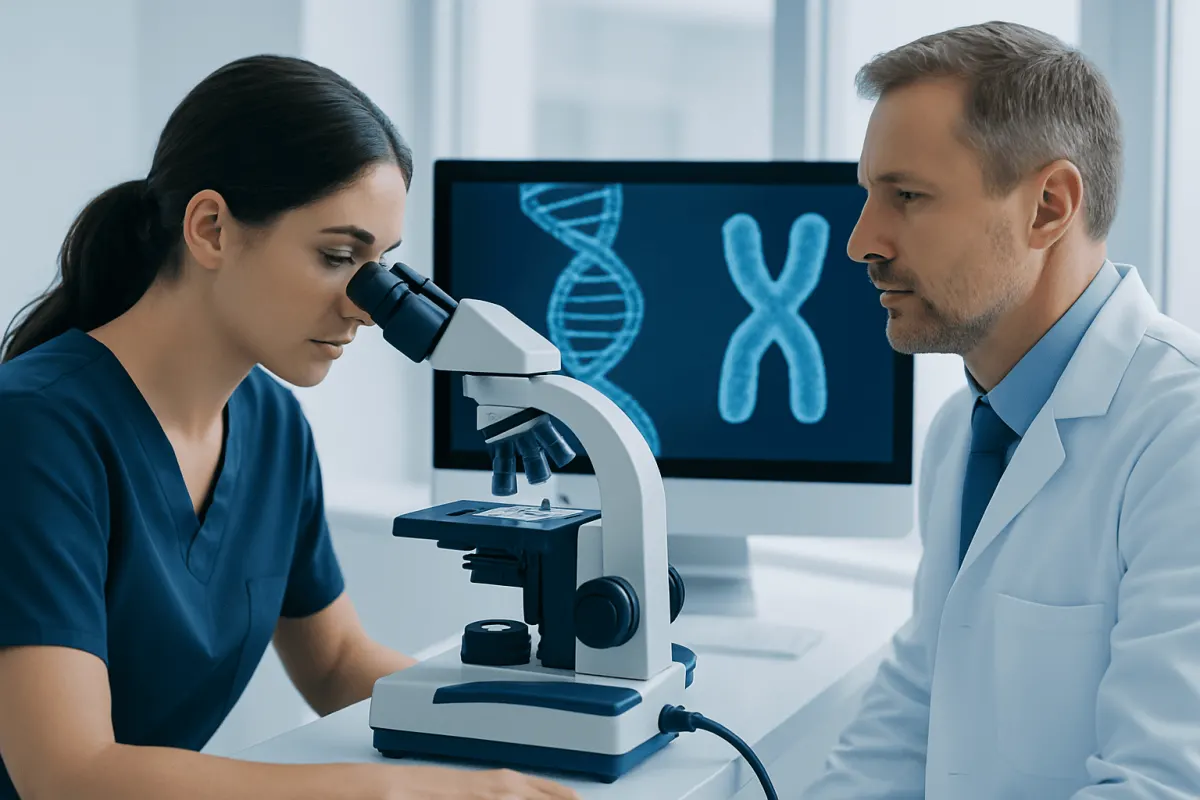
A gene is a segment of DNA that carries instructions for making a functional molecule, usually a protein. A chromosome is a tightly organized package of DNA that contains many genes; both help guide growth, body function, and inherited characteristics.
Gene or Chromosome: The Essential Difference
A gene is a small, meaningful section of DNA that contains biological instructions. These instructions help cells make proteins or functional RNA molecules, which support processes such as development, energy use, immune responses, and the maintenance of tissues. Genes contribute to many human characteristics, but most traits result from the combined effects of many genes and environmental influences.
A chromosome is a much larger structure made from DNA wrapped around proteins. It acts like an organized package that stores and protects DNA inside the cell nucleus. Each chromosome contains hundreds to thousands of genes, along with DNA regions that help control when and where genes are active.
An easy way to understand gene or chromosome is to picture a library. A chromosome is like one volume in the library, while genes are individual instructions or recipes located within that volume. Both are important: chromosomes organize the genetic material, and genes provide specific biological directions.
How DNA, Genes, and Chromosomes Work Together
DNA, short for deoxyribonucleic acid, is the chemical molecule that stores genetic information. Its familiar double-helix structure is built from four chemical bases: adenine, thymine, cytosine, and guanine. The order of these bases forms a code that cells can read and use.
In most cells, DNA is not left loose. It is carefully wound around proteins called histones and further folded into chromosomes. This compact arrangement allows a very long DNA molecule to fit inside a microscopic cell nucleus while still remaining available for copying and gene activity.
Cells use only the genes needed for their particular role. For example, a nerve cell and a muscle cell generally contain the same chromosomes, but they switch on different sets of genes. This selective gene activity helps cells become specialized and perform their distinct functions.
- DNA is the molecule that holds genetic information.
- A gene is a functional stretch of DNA.
- A chromosome is an organized structure containing one long DNA molecule and many genes.
Human Chromosomes and Inheritance

Most people have 46 chromosomes in nearly all body cells. These are arranged in 23 pairs: one chromosome in each pair is usually inherited from the mother and the other from the father. Twenty-two pairs are called autosomes. The remaining pair, the sex chromosomes, is commonly XX or XY, although natural variations in sex chromosome patterns also occur.
Egg and sperm cells are different because they normally contain 23 chromosomes rather than 46. When an egg and sperm join at fertilization, their chromosomes combine to form a new set of 46. This process helps explain why children inherit genetic material from both biological parents.
Inheritance is not always simple or predictable. Some health conditions are linked to a change in one gene, while others involve multiple genes together with lifestyle, age, exposures, or chance. A person can also carry a genetic variant without developing symptoms, depending on how that variant is inherited and how it affects the body.
Gene Changes and Chromosome Changes
A genetic variant is a difference in DNA sequence. Many variants are common and do not cause disease. Some may influence a person’s likelihood of developing a condition, alter how the body processes medicines, or cause a genetic disorder. A variant may be inherited from a parent, arise for the first time around conception, or occur later in certain cells.
Single-gene conditions result from a change in one particular gene. Depending on the condition, the change may affect a protein’s structure, reduce the amount of a protein made, or alter how a gene is regulated. The impact can range from minimal to significant, and symptoms can differ even among relatives with the same variant.
Chromosome changes involve larger amounts of genetic material. They may include an extra or missing chromosome, a missing segment, an extra segment, or a rearrangement of chromosome pieces. For example, Down syndrome usually results from an extra copy of chromosome 21. Chromosomal changes can be present in every cell or only in some cells, a pattern known as mosaicism.
It is important to avoid assuming that a genetic or chromosome finding predicts every aspect of a person’s health. The meaning of a result depends on the exact change, medical history, physical findings, family history, and, at times, additional testing. A genetics specialist can place results in their appropriate clinical context.
How Genetic and Chromosome Conditions Are Evaluated
Healthcare professionals may consider genetic evaluation when a person has a known family history, developmental differences, certain birth differences, repeated pregnancy losses, unexplained medical findings, or a condition that appears unusually early in life. Testing may also be considered before or during pregnancy, or when planning a family.
The first step is often a detailed medical and family history. A clinician may ask about relatives across several generations, their diagnoses, ages at diagnosis, and any known test results. Physical examination and standard laboratory or imaging studies may also help guide the choice of test.
Different tests answer different questions. A karyotype examines the number and broad structure of chromosomes. Chromosomal microarray testing can identify many smaller gains or losses of chromosome material. Gene panels, single-gene tests, exome sequencing, and genome sequencing may be used when a specific inherited condition is suspected or when broader evaluation is appropriate.
Testing can identify a clearly relevant finding, a result that is unlikely to explain symptoms, or a variant of uncertain significance. An uncertain result does not confirm or rule out a diagnosis. Genetic counseling before and after testing can help individuals understand possible outcomes, limitations, privacy considerations, and implications for family members.
Treatment, Health Planning, and Everyday Support
There is no single treatment for a gene or chromosome change because care depends on the specific condition and its effects. Some genetic findings require no treatment at all. Others may benefit from regular monitoring, preventive care, medicines, developmental support, surgery, rehabilitation, or care from several medical specialties.
Early recognition can be useful because it may allow clinicians to monitor known health concerns, address symptoms promptly, and connect patients with appropriate services. For children, care may include pediatric follow-up, developmental assessment, speech or physical therapy, educational support, and specialist care where needed.
Healthy daily habits remain valuable for everyone, including people with inherited health risks. A balanced diet, regular physical activity suited to the person’s abilities, adequate sleep, avoidance of tobacco, recommended vaccinations, and routine medical care can support overall wellbeing. These steps cannot change a chromosome pattern or inherited gene variant, but they may reduce other health risks.
When a genetic condition is confirmed or strongly suspected, family members may wish to discuss whether testing is relevant for them. Decisions about testing are personal. A qualified clinician or genetic counselor can explain options without pressure and help individuals make informed choices consistent with their values.
When to Seek Medical Care
People should arrange a medical appointment if they have a family history of a known genetic condition, a relative with an unexplained chromosome finding, or concerns about inherited disease risk. It is also reasonable to seek advice before pregnancy or when planning a family, particularly if there have been repeated pregnancy losses, infertility concerns, or a previous pregnancy affected by a genetic condition.
For a child, prompt medical assessment is appropriate for developmental delays, loss of previously acquired skills, unexplained growth concerns, multiple congenital differences, seizures, hearing or vision concerns, or symptoms that suggest an inherited condition. These features do not necessarily mean there is a genetic cause, but evaluation can help identify the right support.
Urgent symptoms such as difficulty breathing, severe weakness, a seizure lasting longer than expected, loss of consciousness, or sudden severe illness require emergency care. Genetic information is one part of medical assessment and should not delay treatment for urgent symptoms.
Acıbadem Health Point’s multidisciplinary specialists and JCI-accredited hospitals can assess suspected genetic and chromosome-related conditions and coordinate care for international patients. A clinician can help determine whether genetic counseling, targeted testing, or specialist referral is appropriate.
Frequently asked questions
01Is a gene the same as a chromosome?
No. A gene is a section of DNA with instructions for a biological function, while a chromosome is a larger package of DNA that contains many genes. Genes and chromosomes work together to store and use genetic information.
02How many genes are on a chromosome?
The number varies widely by chromosome. Some chromosomes contain relatively few genes, while others contain many hundreds or more. Chromosomes also include DNA that helps regulate genes and organize genetic material.
03Does everyone have 46 chromosomes?
Most people have 46 chromosomes in most body cells. Some people have a different number or arrangement of chromosomes, which may or may not affect health. Egg and sperm cells normally contain 23 chromosomes each.
04Can a person have a genetic condition without a family history?
Yes. Some genetic changes arise for the first time in an egg, sperm, or early embryo and are not inherited from either parent. In addition, a family history may be unknown, small, or affected by relatives who had mild or unrecognized symptoms.
05What is the difference between genetic testing and chromosome testing?
Chromosome testing looks at chromosome number or structure and may identify missing, extra, or rearranged chromosome material. Genetic testing may examine one gene, a group of genes, or much of the DNA sequence. The most suitable test depends on the clinical question.
06Can lifestyle change genes or chromosomes?
Lifestyle cannot change the chromosome number a person was born with or remove an inherited genetic variant. However, lifestyle and environmental factors can influence how some genes are regulated and can meaningfully support overall health. Medical follow-up remains important when a genetic risk is known.
This article is for general information only and is not a substitute for professional medical advice. Please consult a qualified doctor about your individual situation.
Explore treatments in Turkey — costs, top hospitals & a free quote
JCI-accredited · board-certified surgeons · reply within 24h
Add us as a Preferred Source to see more of our trusted health content across Google Search, AI Overviews and Discover.