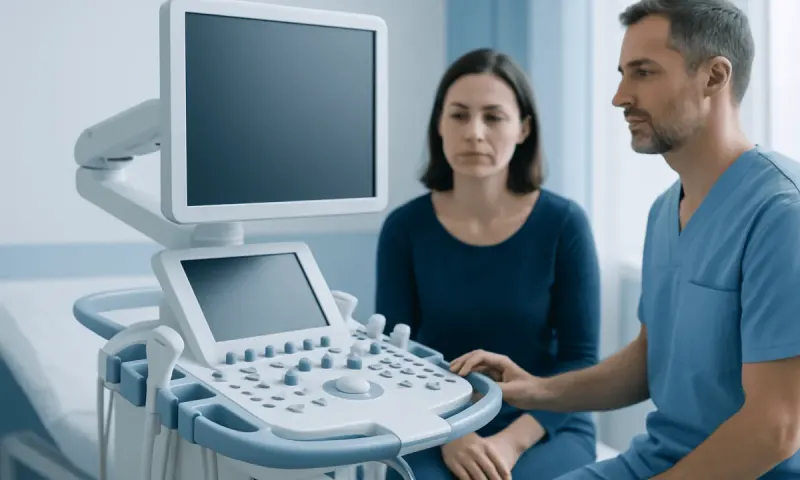
General Practitioners: Your First Doctor for Health Concerns

Doctors general practitioners are usually the first health professionals people see for new symptoms, routine check-ups, prevention and ongoing care. They assess a wide range of concerns, arrange tests when needed, offer treatment and coordinate referrals to appropriate specialists.
Overview: What Doctors General Practitioners Do
Doctors general practitioners, also called GPs, family doctors or primary care doctors in some healthcare systems, provide medical care for a broad range of everyday health needs. They are trained to assess symptoms, diagnose and treat many common conditions, support prevention, and help patients navigate care when specialist input is needed.
A GP considers health in context. This can include current symptoms, previous illnesses, medicines, family history, lifestyle, emotional wellbeing and practical circumstances that may affect health. They may care for children, adults and older people, although the exact scope of practice can vary by country, clinic and local healthcare system.
Rather than replacing specialist care, general practice often coordinates it. A GP can explain when monitoring is appropriate, when tests may clarify a problem, and when a referral to a specialist is the safest next step. This ongoing relationship can make it easier to identify changes in health over time.
Reasons to Book a General Practice Appointment
People may see a GP for a new symptom, a health concern that has not improved, or advice about a known condition. Common reasons include coughs and infections, headaches, digestive symptoms, skin changes, allergies, minor injuries, sleep problems, stress, low mood and questions about medicines.
General practitioners also provide planned preventive care. Depending on age, medical history and local recommendations, this may involve blood pressure checks, vaccination advice, screening discussions, lifestyle support and review of risk factors for conditions such as heart disease or diabetes. A GP can help interpret what preventive care is relevant for an individual.
For long-term health conditions, regular review may help monitor symptoms, discuss treatment effects, check for complications and update care goals. Examples include asthma, high blood pressure, diabetes, thyroid conditions, arthritis and anxiety or depression. If a concern needs more focused assessment, the GP may arrange a referral, such as to a diabetes care team or another relevant service.
What Happens During the Appointment

Before the visit, it can be useful for patients to note when symptoms started, what makes them better or worse, and whether there are associated changes such as fever, weight change, pain, fatigue or changes in bowel, bladder or sleep habits. Bringing an up-to-date list of medicines, supplements, allergies and previous test results can also support a productive consultation.
The appointment usually begins with questions about the main concern and relevant medical history. The GP may ask about work, home life, diet, activity, smoking, alcohol use and mental wellbeing where these are clinically relevant. These questions are intended to build a complete picture and guide safe care.
A physical examination may be performed if appropriate and with the patient’s consent. This may include checking temperature, blood pressure, pulse, weight, breathing, the heart, abdomen, skin, ears, throat, joints or nervous system. The examination is tailored to the concern; not every visit requires one.
At the end of the consultation, the GP should explain the working diagnosis or possible causes, what can be done next and which symptoms should prompt earlier review. Patients can ask questions, discuss preferences and make sure they understand how and when to follow up.
Tests, Procedures and Referrals
Many general practice visits are based on clinical assessment and do not require a procedure. When further information is needed, a GP may request laboratory tests, such as blood or urine tests, or arrange diagnostic investigations including imaging. The purpose of each test, possible preparation and how results will be communicated should be discussed.
Some practices provide simple procedures, depending on training and local services. These may include vaccinations, wound assessment, removal of stitches, ear care, cervical screening, basic skin treatments or joint injections. More complex procedures are generally performed by specialist clinicians in an appropriate setting.
A referral is not a sign that a problem is necessarily serious. It can be a practical step when symptoms require specialised equipment, expertise or treatment. For example, persistent chest symptoms may need cardiac assessment, while ongoing joint pain may benefit from musculoskeletal review. A GP may also recommend a comprehensive health check-up when a broader assessment is appropriate.
Urgent referrals may be made when symptoms or test findings need timely specialist review. In emergencies, the GP or clinic team may advise direct transfer to an emergency department rather than waiting for routine investigations.
Recovery, Follow-Up and Expected Results
There is usually no recovery period after a standard GP consultation. Patients can normally return to their daily activities immediately. If blood tests, vaccinations, a minor procedure or a physical examination are performed, the clinician will give specific aftercare guidance where needed.
The result of a general practice appointment is often a care plan rather than a single immediate answer. This may include self-care measures, a prescription or medicine review, tests, observation of symptoms, a follow-up appointment or referral to another clinician. Some conditions can be treated promptly, while others need time, monitoring or further assessment before a clear diagnosis is possible.
It is important to complete recommended tests and attend follow-up appointments, especially if symptoms persist, worsen or change. Patients should contact the clinic if they do not receive expected results or are unsure what a result means. Safe care depends on clear communication and a shared understanding of the next steps.
For people living with chronic conditions, the desired outcome is often improved symptom control, prevention of complications and support for daily functioning. A GP can review progress over time and adjust the plan in collaboration with other healthcare professionals.
Prevention and Building a Long-Term Health Partnership
Regular contact with a general practitioner can support preventive care throughout life. The frequency of appointments depends on a person’s age, symptoms, existing conditions, medicines and individual risk factors. People without health concerns may not need routine testing every year, but they can still seek advice about recommended screening and vaccinations.
General practitioners can provide practical support for healthy routines, including balanced eating, physical activity, sleep, tobacco cessation and reducing harmful alcohol use. They can also identify when a health goal requires additional support from a dietitian, mental health professional, physiotherapist or specialist service.
Patients can make care safer by keeping one clinician informed about medicines prescribed by different providers, including non-prescription products and supplements. Sharing new diagnoses, hospital visits and important family health changes helps the GP maintain an accurate overview of care.
A continuing relationship with a trusted primary care clinician may improve continuity, particularly for people managing several conditions. However, patients should still seek timely review for new or concerning symptoms rather than assuming they are related to an existing diagnosis.
When to Seek Medical Care
A GP appointment is appropriate for symptoms that are persistent, recurrent, affecting daily life or causing concern. Examples include a cough that does not settle, repeated headaches, unexplained fatigue, changes in bowel habits, new skin lesions, ongoing pain, mood changes or difficulty managing a long-term condition.
Same-day medical assessment may be needed for symptoms such as high fever with worsening illness, significant dehydration, rapidly spreading rash, severe persistent pain, new confusion, or symptoms that are getting worse quickly. The appropriate service depends on local guidance, time of day and the severity of symptoms.
Emergency care should be sought immediately for severe chest pain, severe difficulty breathing, fainting, uncontrolled bleeding, seizures, sudden weakness or numbness on one side of the body, a new facial droop, trouble speaking, or a sudden severe headache. These can be warning signs of a serious emergency, including stroke, and should not wait for a routine appointment.
Acıbadem Health Point’s multidisciplinary specialists and JCI-accredited hospitals support international patients who need diagnostic assessment, general medical coordination or specialist care. A qualified healthcare professional can advise on the most suitable service for an individual’s symptoms and circumstances.
Frequently asked questions
01What is the difference between a general practitioner and a specialist?
A general practitioner provides broad care for many health concerns and is often the first clinician a person consults. A specialist has advanced expertise in a particular area, such as cardiology, dermatology or endocrinology. A GP may manage a condition directly or refer a patient when specialist assessment is needed.
02Do doctors general practitioners perform procedures?
Some GPs perform minor procedures, but this depends on their training, the clinic and local regulations. Examples may include vaccinations, wound care, stitch removal or selected skin procedures. Complex or higher-risk procedures are usually referred to a specialist or hospital team.
03How should a patient prepare for a GP appointment?
It can help to write down symptoms, when they began, how they have changed and any questions to ask. Patients should bring a list of medicines, supplements, allergies and relevant medical reports where possible. They should also mention pregnancy, recent travel, important family history and changes in mental wellbeing when relevant.
04Can a general practitioner diagnose mental health conditions?
GPs can assess common mental health concerns, including anxiety, depression, sleep difficulties and stress-related symptoms. They may offer initial support, discuss treatment options, prescribe appropriate medicines in some situations and refer to a mental health professional when needed. Urgent help is important if someone feels at risk of harming themselves or others.
05What if symptoms continue after seeing a GP?
Patients should follow the agreed care plan and attend recommended tests or follow-up appointments. They should contact the clinic sooner if symptoms worsen, new symptoms appear or they are worried about their condition. Persistent symptoms may require reassessment, different tests or referral to a specialist.
06Can a general practitioner help prevent illness?
Yes. General practitioners can discuss vaccinations, screening, healthy lifestyle measures and personal risk factors. They can also monitor long-term conditions and identify health changes early, although no screening or prevention strategy can eliminate all risk.
This article is for general information only and is not a substitute for professional medical advice. Please consult a qualified doctor about your individual situation.
Heart care in Turkey — expert evaluation and treatment
JCI-accredited · board-certified surgeons · reply within 24h
Add us as a Preferred Source to see more of our trusted health content across Google Search, AI Overviews and Discover.