Gastric Sleeve Turkey Death Rate: Safety and Risks
The gastric sleeve Turkey death rate cannot be represented by one reliable national figure because reporting systems, patient populations and follow-up periods vary. Sleeve gastrectomy is generally a low-mortality operation when it is performed in an appropriately equipped hospital by an experienced bariatric team, with careful assessment and structured aftercare.
Overview: gastric sleeve Turkey death rate
The gastric sleeve Turkey death rate is low when surgery is performed for an appropriately assessed patient in a fully equipped hospital with experienced bariatric, anaesthesia and critical-care teams. However, there is no single, independently verified national rate that applies to every clinic, hospital, surgeon or travelling patient in Turkey. Outcomes differ according to the patient’s health, the quality of perioperative care, the definition of mortality used and whether follow-up after return home is included.
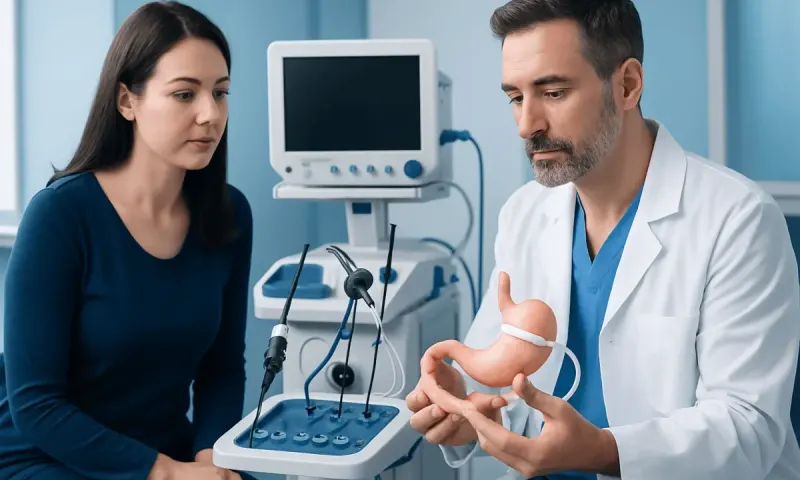
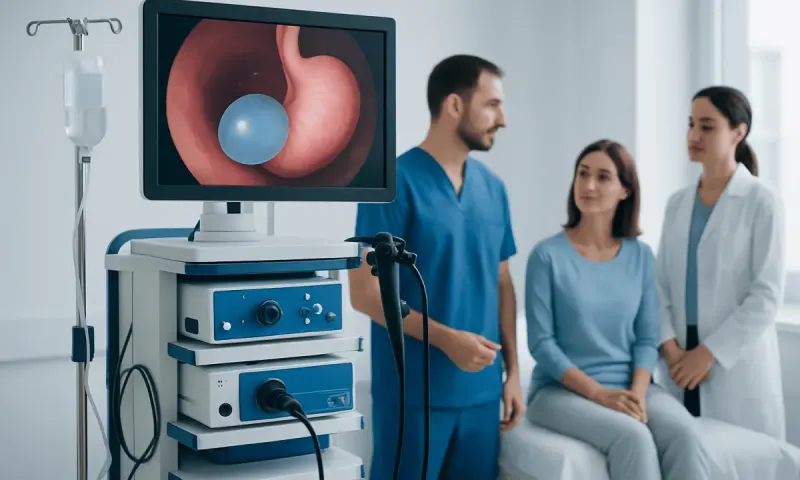
Gastric sleeve surgery, also called sleeve gastrectomy, removes a large portion of the stomach to create a narrow, sleeve-shaped stomach. It is a major operation, usually performed laparoscopically, and may be considered for people with obesity when medical, nutrition and lifestyle treatment alone have not achieved sufficient benefit. It can support substantial weight loss and improvement in obesity-related conditions, but it requires lifelong nutrition, medical follow-up and behaviour changes.
People considering surgery abroad should focus less on a headline number and more on verifiable safety arrangements. These include a detailed preoperative assessment, appropriately credentialed surgeons and anaesthetists, hospital accreditation, prevention of blood clots, the ability to perform urgent imaging or reoperation, and a written plan for follow-up after travel.
What is the mortality rate for gastric sleeve surgery in Turkey?
There is no dependable single mortality rate for gastric sleeve surgery in Turkey that can be applied to all providers. Published bariatric surgery data from well-organised programs internationally generally describe short-term mortality after sleeve gastrectomy as uncommon, often well below 1%, but this broad estimate should not be treated as a personal prediction or as a Turkey-wide result. Rates may be reported at different time points, such as during admission, within 30 days or within 90 days, which makes direct comparisons difficult.
A hospital’s outcome data are most meaningful when they are clearly defined, independently monitored and connected to a specific procedure volume and follow-up period. Patients may ask whether the centre tracks complications, unplanned intensive-care admissions, reoperations, readmissions, leaks, blood clots and deaths after discharge. It is also reasonable to ask who will provide care if a serious issue develops after the patient has returned home.
Individual risk can be higher than average in people with severe heart or lung disease, untreated obstructive sleep apnoea, previous blood clots, limited mobility, advanced age, very high body weight, smoking, or poorly controlled diabetes. A responsible team discusses these factors openly and may recommend further assessment, risk reduction or a different treatment plan.
How safe is a gastric sleeve in Turkey?
A gastric sleeve in Turkey can be safe when it is carried out in an appropriate hospital by a qualified multidisciplinary bariatric team and when the patient is carefully selected and followed. Turkey has hospitals that provide modern surgical, imaging, intensive-care and anaesthesia services. At the same time, standards and continuity of care can vary between providers, as they can in any country, so patients should assess the individual programme rather than rely on location alone.
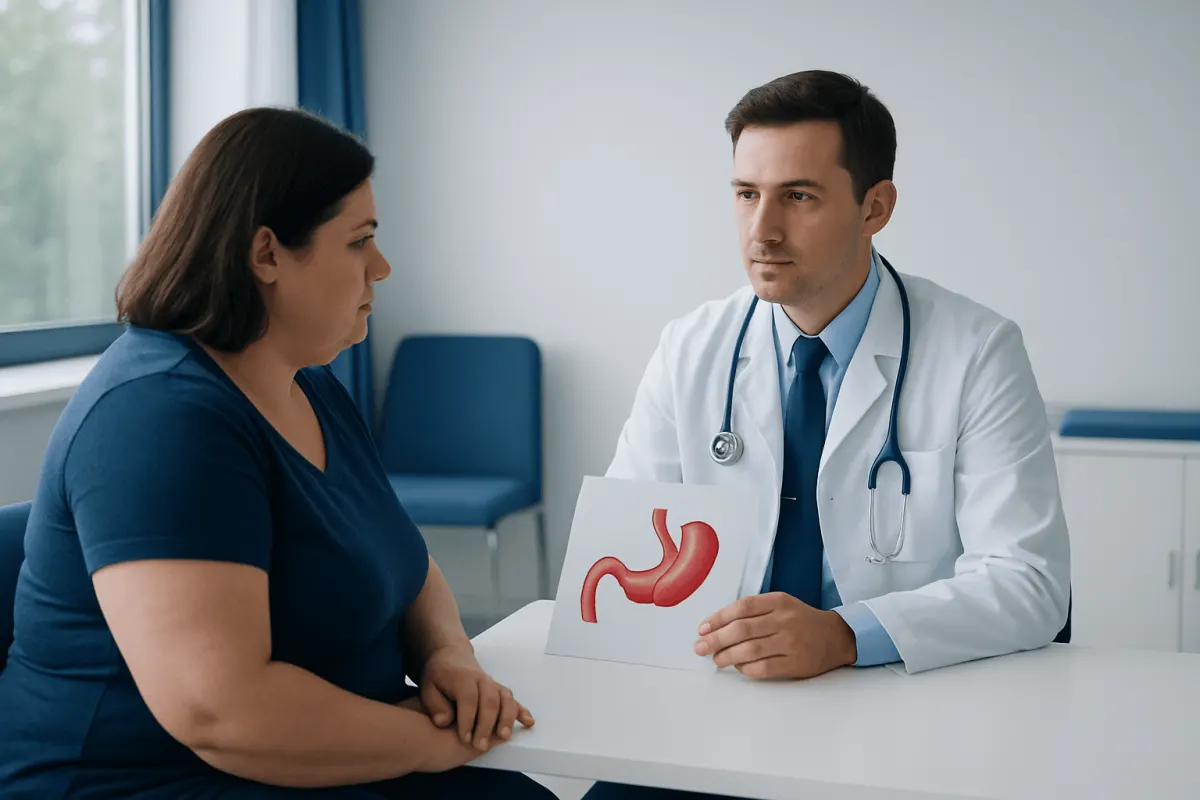
Before deciding, patients should receive a medical evaluation that considers body weight, medical history, medications, previous abdominal surgery, eating patterns, mental health needs and readiness for long-term follow-up. They should understand the procedure, possible alternatives, expected dietary stages, vitamin and mineral supplementation, activity guidance and warning signs that need urgent attention.
Useful questions include whether the operation will take place in a licensed hospital, whether the surgeon specialises in bariatric surgery, what anaesthesia and intensive-care support is available, and whether the team has a protocol for leaks and blood clots. Patients should also avoid providers that minimise risks, pressure them to decide quickly, or cannot explain arrangements for postoperative follow-up in their home country.
For international patients, Acıbadem Health Point’s multidisciplinary specialists and JCI-accredited hospitals can assess and treat people considering bariatric procedures, with care planning that includes clinical evaluation and follow-up needs.
What is the fatality rate of gastric sleeves?
The fatality rate of gastric sleeve surgery is generally low, but it is not zero. In modern bariatric practice, death within the early postoperative period is uncommon, especially in experienced centres that use structured safety pathways. Nevertheless, mortality figures do not describe every outcome: a person can have a serious complication requiring hospital readmission, drainage procedures, transfusion, intensive care or repeat surgery and still recover.
Risk is shaped by more than the operation itself. Patient factors include cardiovascular disease, respiratory disease, blood-clotting history, smoking, frailty, kidney or liver disease, and the severity of obesity-related illness. Care factors include the quality of preoperative screening, anaesthesia, surgical technique, nursing observation, clot prevention, early mobilisation, rapid access to imaging and the ability to recognise and treat complications promptly.
Patients should be cautious about comparisons based only on very low advertised death rates. A meaningful informed-consent discussion covers the likely benefits, the possibility of complications, individual risk factors, and the plan if a problem occurs. A bariatric surgeon can explain how the person’s medical profile affects risk more accurately than an online average can.
What is one of the top 3 causes of death after bariatric surgery?
One of the major causes of early death after bariatric surgery is pulmonary embolism, a blood clot that travels to the lungs. The risk is why bariatric teams take clot prevention seriously before, during and after surgery. Measures may include early walking, leg-compression devices, hydration and preventive anticoagulant medication when clinically appropriate.
Other serious early complications that can contribute to death include bleeding, a leak from the stomach staple line with abdominal infection or sepsis, and heart or breathing complications. These events are uncommon, but they require urgent assessment. A leak may not always cause dramatic symptoms at first; persistent fast heart rate, worsening abdominal or chest pain, fever, shortness of breath, weakness or inability to tolerate fluids should never be ignored after surgery.
Risk continues beyond the hospital stay, particularly if patients travel long distances soon after surgery or do not have accessible follow-up. The surgical team should give clear instructions on activity, hydration, medication, diet progression, travel timing and local emergency contacts. Patients should follow these directions even when they feel well.
Reducing risk before and after sleeve gastrectomy
Risk reduction begins before surgery. Patients should provide a complete medical history, including previous clots, sleep apnoea, allergies, current medicines and supplements, alcohol or substance use, and past operations. Stopping smoking and nicotine exposure before surgery, when advised by the clinical team, can reduce risks related to breathing, wound healing and blood clots. Optimising diabetes, blood pressure, sleep apnoea and nutritional status is also important.
After surgery, following the prescribed diet and fluid plan helps protect recovery. Patients usually progress gradually from liquids to softer foods and then to a long-term eating pattern under the guidance of the bariatric team. Protein intake, vitamin and mineral supplements, regular blood testing and ongoing nutritional support are important because the smaller stomach can make it harder to meet nutritional needs.
- Walk regularly as directed and avoid prolonged immobility.
- Take prescribed medicines exactly as instructed, including clot-prevention treatment if provided.
- Attend follow-up appointments and arrange continuing care with a clinician near home.
- Do not use non-prescribed anti-inflammatory medicines or supplements without checking with the bariatric team.
- Seek prompt medical advice for persistent vomiting, poor fluid intake or symptoms of infection.
Weight-loss surgery is not a one-time intervention. Long-term success and safety depend on medical monitoring, nutrition support, physical activity and attention to emotional wellbeing. Some patients benefit from psychological support or treatment for eating-related concerns before and after surgery.
When to seek medical care
Patients should seek urgent medical care after gastric sleeve surgery for severe or worsening abdominal pain, chest pain, shortness of breath, fainting, confusion, a persistent fast heartbeat, fever, repeated vomiting, inability to drink fluids, black stools, vomiting blood, or redness and drainage from an incision. These symptoms do not always mean a life-threatening complication is present, but they need timely clinical assessment.
Emergency care is particularly important if symptoms occur after travelling home, because complications such as blood clots, bleeding, dehydration or infection may develop after discharge. Patients should tell emergency clinicians that they recently had sleeve gastrectomy and provide the operation date, hospital details and any discharge documentation.
Non-urgent concerns, such as difficulty meeting protein or fluid goals, ongoing reflux, constipation, mood changes or questions about supplements, should also be discussed with the bariatric team or a local healthcare professional. Early advice can prevent smaller problems from becoming more serious.
Frequently asked questions
01Is gastric sleeve surgery in Turkey more dangerous than in other countries?
Safety cannot be judged by country alone. Risks depend on the patient’s health, the experience and organisation of the bariatric team, hospital resources, complication protocols and the quality of follow-up. Patients should compare individual programmes using clear clinical and safety questions rather than relying on general claims.
02Can someone die from gastric sleeve surgery?
Death after sleeve gastrectomy is uncommon, but it is possible because this is major surgery. Serious complications may include pulmonary embolism, bleeding, infection from a leak, and heart or breathing problems. Careful screening, blood-clot prevention and prompt treatment of warning signs help reduce risk.
03What is the biggest risk after gastric sleeve surgery?
There is not one single biggest risk for every patient. In the early period, clinicians watch closely for bleeding, staple-line leak and blood clots, while dehydration and nutritional problems can also occur. A patient’s individual health conditions influence which risks are most important.
04How long should a person stay in Turkey after gastric sleeve surgery?
The appropriate length of stay should be decided by the operating team based on recovery, travel distance, medical history and any complications. Patients should not travel until the surgeon considers it safe and a follow-up plan is in place. Long travel can increase clot risk, so travel instructions and movement advice should be followed carefully.
05How can a patient check whether a bariatric clinic is safe?
Patients can ask where surgery is performed, whether the hospital is licensed and accredited, and whether the surgeon and anaesthetist have relevant credentials and bariatric experience. They should also ask about emergency imaging, intensive care, leak and clot protocols, complication reporting and written arrangements for follow-up after returning home. A reputable service allows time for informed decisions and answers questions clearly.
06When should a person call emergency services after a gastric sleeve?
Emergency assessment is needed for chest pain, shortness of breath, fainting, severe or increasing abdominal pain, fever, repeated vomiting, inability to keep fluids down, vomiting blood or black stools. A persistent rapid heartbeat or sudden worsening weakness also needs urgent attention. The patient should tell clinicians about the recent gastric sleeve operation.
This article is for general information only and is not a substitute for professional medical advice. Please consult a qualified doctor about your individual situation.
Medical weight-loss options in Turkey — costs & eligibility
JCI-accredited · board-certified surgeons · reply within 24h
Add us as a Preferred Source to see more of our trusted health content across Google Search, AI Overviews and Discover.