Gamma Knife Procedure: What Happens on the Day
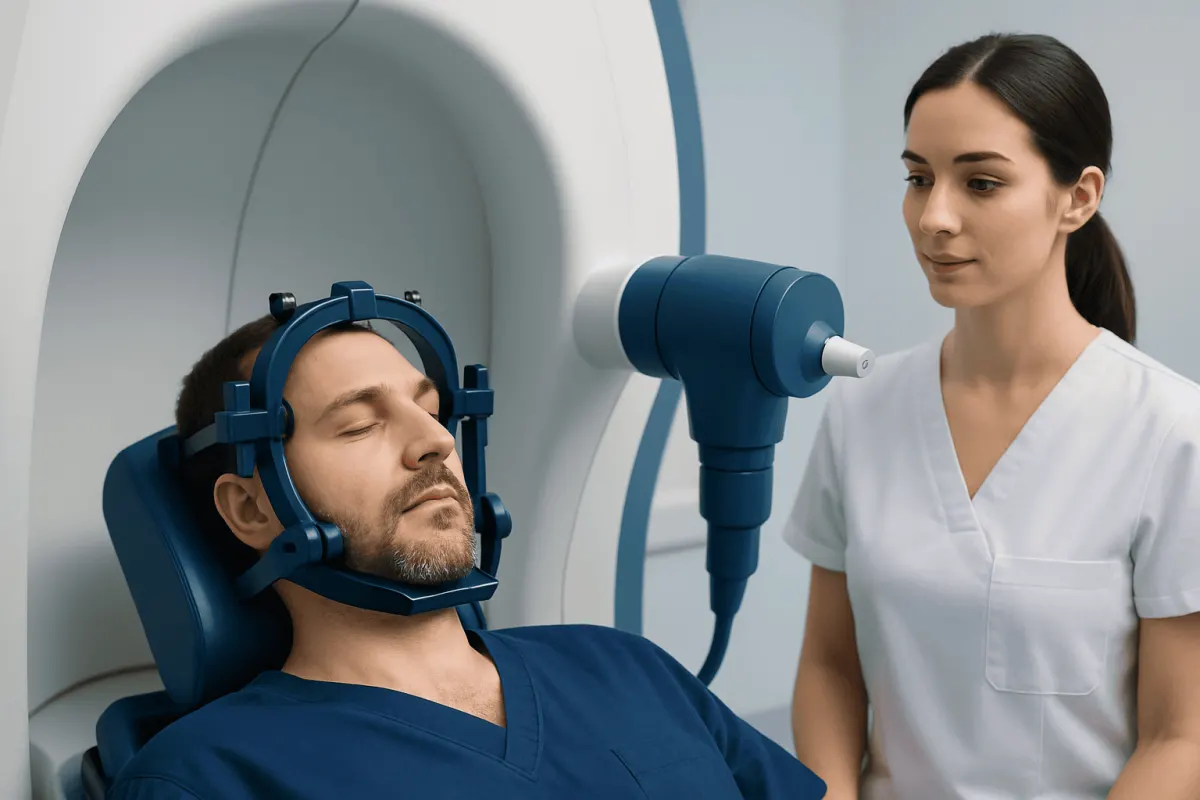
A gamma knife procedure is a form of stereotactic radiosurgery that delivers highly focused radiation to a target in the brain without an incision. It is usually completed in one day, but its treatment effects develop gradually over weeks, months, or sometimes longer depending on the condition being treated.
What Is a Gamma Knife Procedure?
A gamma knife procedure is a highly precise radiation treatment for selected conditions in the brain. Despite its name, it does not involve a blade, surgical incision, or removal of tissue. Instead, many individually low-dose beams of radiation are directed toward a defined target, where they meet to deliver a therapeutic dose while limiting exposure to nearby healthy brain tissue.
The treatment is a type of stereotactic radiosurgery, often abbreviated as SRS. It uses a rigid head frame or a custom-fitted mask, along with MRI, CT, or angiography images, to identify the target accurately. A multidisciplinary team may include a neurosurgeon, radiation oncologist, medical physicist, neuroradiologist, and specialist nurses.
Gamma Knife is one technique within stereotactic radiosurgery. It is commonly considered when a target is small, clearly defined, and located in an area where open surgery could carry greater risk. Whether it is appropriate depends on the diagnosis, size and location of the target, previous treatment, symptoms, and the person’s overall health.
Conditions Gamma Knife May Treat
Doctors may recommend Gamma Knife for certain noncancerous and cancerous brain tumors, including some vestibular schwannomas, meningiomas, pituitary tumors, and brain metastases. It may also be used for blood-vessel abnormalities called arteriovenous malformations (AVMs), as well as selected functional disorders such as trigeminal neuralgia.
For a tumor, the aim may be to stop or slow growth, reduce the chance of further progression, or treat a remaining or recurrent area after another procedure. In the case of brain metastases, stereotactic radiosurgery can treat one or more defined lesions while avoiding whole-brain radiation in suitable patients. Management of a brain tumor is individualized and may involve observation, surgery, radiation therapy, systemic treatment, or a combination.
For an AVM, focused radiation gradually causes abnormal blood vessels to thicken and close. This process takes time, so it does not immediately remove risks associated with the AVM. For trigeminal neuralgia, radiation is aimed at part of the trigeminal nerve to reduce severe facial pain. Not every person or condition is suitable for Gamma Knife, and alternative treatment approaches should be discussed carefully.
How the Gamma Knife Procedure Is Performed

Before treatment, the clinical team reviews imaging, medications, allergies, and medical history. Patients receive specific instructions about food, fluids, and regular medicines. Some medicines, particularly blood thinners, diabetes medicines, or drugs that affect seizure control, may need individualized guidance; they should never be stopped without instructions from the prescribing clinician.
On the treatment day, the head is positioned with either a lightweight frame secured using local anesthetic at the pin sites or an immobilization mask. Imaging is then performed to map the treatment target. The team creates a detailed radiation plan that balances treatment coverage with protection of surrounding structures such as the optic nerves, brainstem, and hearing pathways.
During radiation delivery, the patient lies on a treatment couch while the Gamma Knife unit delivers planned radiation from multiple angles. There is no sensation from the radiation itself. Treatment time varies substantially, from minutes to several hours, depending on the condition and plan. Patients can communicate with staff throughout the session.
After the session, the frame or mask is removed and the person is monitored briefly. Most Gamma Knife procedures are outpatient treatments, although an overnight stay may occasionally be recommended based on symptoms, travel arrangements, or medical needs.
How long does it take to recover from Gamma Knife radiation?
Physical recovery after Gamma Knife radiation is usually short because there is no incision or general surgical wound to heal. Many people go home the same day and can resume quiet, routine activities within one to two days. Individual recovery varies depending on the condition treated, the type of head immobilization used, medicines given, pre-existing symptoms, and travel demands.
Fatigue can last several days and occasionally longer. People who had a frame may have temporary tenderness, minor swelling, or small scabs at the pin sites. A mild headache, nausea, or a feeling of tiredness can occur, particularly after a long day of imaging and treatment. The care team may prescribe a short course of medicines, such as corticosteroids, if there is a concern about treatment-related swelling.
Recovery from the procedure should be distinguished from the time needed to see treatment results. Radiation works gradually. Pain relief from trigeminal neuralgia may take weeks or months, tumor control is usually assessed across serial scans, and AVM closure may take several years. Follow-up imaging is therefore a central part of care, not a sign that treatment has failed.
What are the hardest days after radiation treatment?
For many patients, the first one to three days are the most physically demanding because of tiredness, a mild headache, scalp discomfort, disrupted sleep, or anxiety after a major medical appointment. Symptoms are often manageable with rest, fluids, regular meals, and medicines recommended by the treating team. People should arrange for support at home and avoid driving until their clinicians confirm it is safe.
Some effects may appear later rather than immediately. In the days to weeks after treatment, inflammation around the treated area can occasionally cause temporary worsening of existing symptoms, such as headache, dizziness, balance difficulty, facial sensations, or seizures in people prone to them. The likelihood and type of effect depend largely on the brain area treated and the volume of tissue receiving radiation.
A less common delayed effect is radiation-related swelling or tissue change, which may occur months later and is usually monitored with scheduled MRI scans. Contacting the treatment team early allows symptoms to be assessed and managed appropriately. Patients should follow their individualized plan rather than comparing their recovery with another person’s experience.
Is gamma knife surgery serious?
Gamma Knife is a serious medical treatment because it delivers radiation to the brain and is used for conditions that require specialist assessment. However, it is generally less invasive than open brain surgery: it does not require an incision into the skull, usually does not require general anesthesia, and often allows a faster return home.
Its risks are real but vary by diagnosis and treatment location. Possible short-term effects include fatigue, headache, nausea, scalp tenderness, and temporary swelling. Depending on the target, potential neurological effects can include changes in vision, hearing, balance, speech, movement, sensation, or seizures. Serious complications are uncommon but should be discussed in the context of the individual treatment plan.
Gamma Knife also has limits. It may not be suitable for large lesions, targets that are too close to critical structures, widespread disease, or situations needing immediate decompression or tissue diagnosis. A specialist team will compare it with options such as monitoring, microsurgery, conventional radiation therapy, or other forms of radiotherapy.
How do you feel after Gamma Knife radiation?
Immediately after Gamma Knife radiation, many people feel tired but otherwise well enough to go home after observation. Some have a mild headache, nausea, or soreness where a head frame was placed. If sedating medicine was used, drowsiness and reduced concentration can continue for the rest of the day.
Emotionally, it is also common to feel relieved, uncertain, or mentally fatigued while waiting for follow-up results. Gamma Knife typically does not provide an instant indication of whether treatment has worked. The care team will explain when imaging will be repeated and which symptoms should be reported between appointments.
People should rest, take prescribed medicines exactly as directed, and return gradually to normal activity. Alcohol, driving, strenuous exercise, and work responsibilities may need to be postponed briefly depending on symptoms and the treatment team’s advice. Keeping a simple symptom record can help during follow-up visits.
Results, Follow-Up and When to Seek Medical Care
The results of Gamma Knife are measured differently for each condition. For tumors, the desired result is often stable size or gradual shrinkage rather than immediate disappearance. For trigeminal neuralgia, the goal is meaningful pain reduction; for AVMs, the goal is eventual closure of the abnormal vessel connection. Follow-up MRI, CT, or angiography helps clinicians evaluate the response and detect swelling or other changes.
Patients should contact their treatment team promptly if they develop worsening headache, repeated vomiting, new weakness or numbness, confusion, speech or vision changes, worsening balance, a seizure, fever, drainage from frame pin sites, or other new neurological symptoms. Sudden severe symptoms, loss of consciousness, or signs of stroke require emergency medical care.
Acıbadem Health Point’s multidisciplinary specialists and JCI-accredited hospitals diagnose and treat complex brain conditions for international patients, with follow-up planning tailored to the treatment and travel needs of each person. A qualified neurosurgery and radiation oncology team can explain whether Gamma Knife, another form of stereotactic radiosurgery, or a different treatment is most appropriate.
Frequently asked questions
01Is Gamma Knife painful?
The radiation delivery itself is not painful. People treated with a head frame may feel brief discomfort when local anesthetic is administered and may have scalp tenderness afterward. A mask-based setup is usually painless, though lying still can be tiring.
02Do you lose hair after Gamma Knife treatment?
Hair loss is less common with Gamma Knife than with broader-field brain radiation because the radiation is tightly focused. A small patch of temporary hair thinning may occur when a treatment target is close to the scalp, but this depends on the treatment plan. The clinical team can explain the expected risk before treatment.
03Can Gamma Knife remove a brain tumor?
Gamma Knife does not physically remove a tumor. It uses radiation to damage tumor cells or their blood supply so that the lesion may stop growing or shrink over time. Some tumors still require surgery, medication, other radiation treatment, or ongoing monitoring.
04How soon can someone return to work after Gamma Knife?
Some people return to desk-based work within a few days, while others need more time because of fatigue, symptoms from the underlying condition, or treatment-related swelling. The appropriate timing depends on the person’s role, neurological symptoms, and medical advice. Jobs involving driving, heights, heavy machinery, or major physical demands may require additional clearance.
05Will Gamma Knife affect memory or thinking?
Memory and thinking effects are not expected for every patient and depend on the location and size of the treated area, prior treatments, and the underlying condition. Focused radiosurgery is designed to reduce radiation exposure to healthy brain tissue, but cognitive or neurological changes can still occur in some circumstances. New concerns with memory, concentration, or behavior should be discussed with the care team.
06Why are follow-up scans needed after Gamma Knife?
Gamma Knife produces changes gradually, so imaging is needed to assess the treatment response over time. Scans can show whether a tumor is stable, whether an AVM is closing, or whether swelling or other delayed changes need treatment. Follow-up schedules differ by diagnosis and are determined by the specialist team.
This article is for general information only and is not a substitute for professional medical advice. Please consult a qualified doctor about your individual situation.
Oncology care in Turkey — second opinion and treatment plan
JCI-accredited · board-certified surgeons · reply within 24h
Add us as a Preferred Source to see more of our trusted health content across Google Search, AI Overviews and Discover.
More from the Health Library
Transposition of the Great Arteries Surgery: Procedure, Recovery and Results
When to Start Scar Treatment after Surgery: Procedure, Recovery and Results