Full mouth reconstruction vs All on 4: Which Is Right for You?
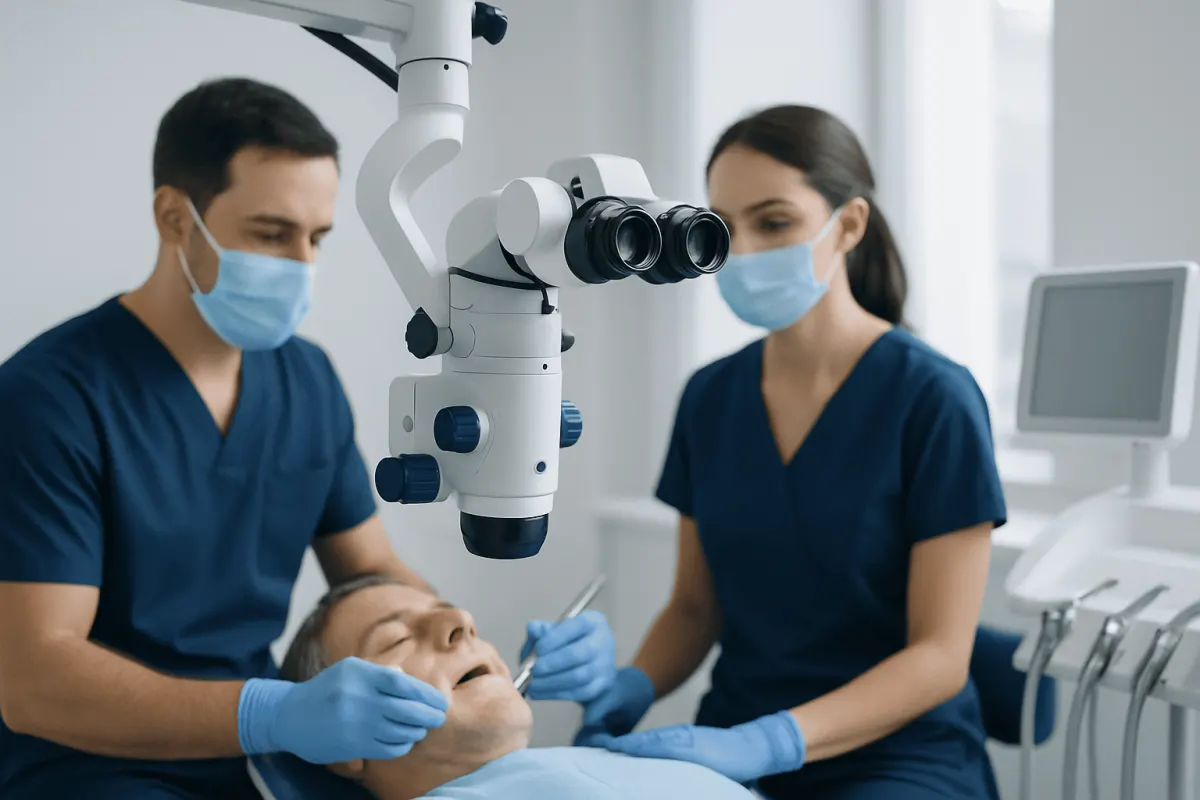
Full mouth reconstruction and All-on-4 can both restore chewing ability, appearance and confidence, but they address different dental needs. Full mouth reconstruction aims to preserve and repair suitable natural teeth, whereas All-on-4 replaces all teeth in one upper or lower arch with an implant-supported fixed bridge.
Full Mouth Reconstruction vs All-on-4: The Main Difference
Full mouth reconstruction vs All-on-4 is mainly a question of whether remaining natural teeth can and should be saved. Full mouth reconstruction repairs or replaces teeth selectively to rebuild oral function and appearance. All-on-4 is a full-arch implant approach that replaces all teeth in the upper jaw, lower jaw or both with a fixed prosthetic bridge supported by four or more implants.
Neither option is automatically better. When teeth have a favorable long-term outlook, preserving them may be appropriate through treatments such as fillings, crowns, gum treatment, root canal therapy or individual implants. When teeth are severely damaged, loose from advanced gum disease, repeatedly infected or missing, a full-arch solution may offer a more practical route to stable function.
A comprehensive dental assessment is essential because the decision affects chewing, speech, facial support, oral hygiene routines and future maintenance. The treatment plan should be based on clinical findings rather than on appearance alone.
How Each Treatment Works
Full mouth reconstruction, also called full mouth rehabilitation, is not one single procedure. It is a coordinated plan that may include treating gum disease, repairing decay, restoring worn or fractured teeth with crowns or onlays, replacing missing teeth with bridges or implants, and adjusting bite alignment. The aim is to create a healthy, comfortable and balanced bite while retaining healthy natural tooth structure whenever possible.
All-on-4 uses implants placed at planned positions in the jaw to support a fixed full-arch bridge. The rear implants are commonly angled to make use of available bone and may reduce the need for bone grafting in selected patients. If teeth are still present but cannot be maintained, they may be removed before implant placement. A temporary fixed bridge may sometimes be fitted on the day of surgery or shortly afterward, depending on implant stability and the treatment plan.
For a broader explanation of coordinated restoration options, patients can review full mouth reconstruction. For information about implant-supported replacement of an entire dental arch, see All-on-4 dental implants.
Who May Be a Candidate?

People may be considered for full mouth reconstruction when they have multiple dental concerns but retain teeth that can be restored reliably. Common reasons include extensive tooth wear from grinding or acid erosion, repeated broken restorations, several missing teeth, widespread decay, an uneven bite, or dental damage after injury. A dentist evaluates each tooth individually and considers whether treatment can provide a predictable outcome.
All-on-4 may be considered for people who are missing most or all teeth in an arch, use poorly fitting removable dentures, or have teeth with a poor long-term prognosis. Candidates need adequate jawbone in the planned implant areas or a realistic plan to create support when needed. Healthy gums, good plaque control and a commitment to follow-up care are also important.
Smoking, uncontrolled diabetes, active gum disease, untreated teeth grinding and certain medications or health conditions can affect healing and implant success. These factors do not always rule out treatment, but they should be assessed and managed before surgery. A medical and dental history, examination and imaging help the team determine the safest option.
- Full mouth reconstruction may suit: people with restorable teeth and complex bite or restorative needs.
- All-on-4 may suit: people needing replacement of an entire arch because most remaining teeth cannot be maintained.
- Either plan may need preparation: gum treatment, infection control, smoking cessation support or management of grinding.
Planning and Procedure Steps
Both treatments begin with detailed planning. The dentist reviews medical history, oral hygiene, gum condition, tooth stability and bite. Digital X-rays, photographs, impressions or scans, and three-dimensional imaging may be used to assess teeth, roots, nerves and jawbone. A diagnostic plan helps patients understand the anticipated stages, alternatives and expected maintenance.
With full mouth reconstruction, treatment is usually staged. Gum disease or infection is addressed first, followed by restorative work such as fillings, root canal treatment, crowns, bridges or implants. Temporary restorations may be used to test bite position and appearance before final restorations are made. The sequence is individualized, and completion may take several appointments over months.
For All-on-4, the surgical appointment may involve removing failing teeth, preparing the jaw and placing implants under local anesthesia, sedation or general anesthesia where appropriate. A temporary bridge may be attached when conditions allow. After a healing period, the final bridge is designed and fitted once the implants and surrounding tissues are stable. Some patients require additional procedures, and immediate fixed teeth are not suitable in every case.
In both pathways, the restoration should be designed with the bite, facial proportions, speech and cleanability in mind. An experienced dental team may include restorative dentists, oral and maxillofacial surgeons, periodontists, dental technicians and hygienists.
Benefits, Limitations and Possible Risks
Full mouth reconstruction can retain natural teeth, restore a more even bite and address several problems in a structured way. It can be particularly valuable when damaged teeth are still biologically sound and can be restored. However, it may involve several procedures and appointments, and restored teeth still require ongoing care. Crowns, bridges and fillings can wear, loosen or need replacement over time.
All-on-4 can provide a fixed alternative to removable dentures and may improve chewing comfort, speech and confidence for suitable candidates. It also replaces an entire arch in a coordinated way. However, it is irreversible when remaining teeth are removed, and it requires surgery, healing and lifelong maintenance. A full-arch bridge does not behave exactly like natural teeth, and patients need to learn how to clean beneath and around it.
Possible surgical risks include pain, swelling, bruising, bleeding, infection, temporary numbness, sinus-related complications in the upper jaw, implant failure and problems with the temporary or final bridge. Risks vary with anatomy, general health, oral hygiene and smoking status. With either option, bite discomfort, fracture or wear of restorative materials, and gum inflammation can occur if maintenance is inadequate.
A dentist should discuss realistic benefits and limitations before treatment. Preserving a healthy tooth is often desirable, but retaining teeth with a poor prognosis can lead to repeated treatment and discomfort. The goal is a durable plan that supports long-term oral health.
Recovery and Long-Term Care
Recovery after full mouth reconstruction depends on the treatments included. Mild sensitivity after restorative work may settle within days or weeks, while healing after gum surgery, root canal therapy or implant placement takes longer. Patients may need temporary dietary adjustments and should attend planned review visits so the bite and restorations can be checked.
After All-on-4 surgery, discomfort, swelling and bruising are common in the first few days and generally improve gradually. The dental team may recommend a soft-food diet during early healing, particularly while a temporary bridge is in place. The exact timeline for fitting a final bridge varies, because implants need time to integrate with the jawbone and tissues need to heal.
Daily care is central to long-term success. Natural teeth require brushing with fluoride toothpaste and cleaning between teeth as advised. Implant-supported bridges need careful brushing at the gumline and cleaning beneath the bridge with tools recommended by the dental team. Professional hygiene visits and periodic checks help identify inflammation, bite changes or mechanical concerns early.
People who grind or clench their teeth may benefit from a protective night guard if recommended. Avoiding tobacco, managing health conditions such as diabetes and maintaining regular dental care can support healing and the longevity of both natural teeth and implants.
When to Seek Medical Care
A dental appointment should be arranged if there is persistent tooth pain, a loose tooth, bleeding gums, recurrent swelling, difficulty chewing, broken restorations or dentures that no longer fit comfortably. Early assessment may allow teeth or supporting tissues to be treated before damage becomes more extensive.
Urgent dental care is advisable for facial swelling, severe pain, fever with dental symptoms, uncontrolled bleeding, a spreading infection, or difficulty swallowing or breathing. Breathing difficulty, rapidly increasing swelling or trouble swallowing requires emergency medical assessment.
Patients considering extensive dental treatment should seek a second opinion if they are unsure whether teeth are restorable or if a plan includes removing multiple teeth. At Acıbadem Health Point, multidisciplinary dental specialists at JCI-accredited hospitals assess complex restorative and implant needs for international patients and develop individualized treatment plans.
Frequently asked questions
01Is full mouth reconstruction the same as All-on-4?
No. Full mouth reconstruction is a customized combination of treatments that can repair, restore and replace teeth throughout the mouth. All-on-4 is one type of full-arch implant treatment used to replace all teeth in an upper or lower jaw.
02Can natural teeth be saved instead of having All-on-4?
In many cases, yes, if the teeth and their supporting tissues have a good long-term prognosis. A dentist evaluates decay, fractures, root health, gum support, bite forces and the likelihood that each tooth can function comfortably after treatment.
03How long does All-on-4 treatment take?
Implant surgery may be completed in one appointment, and some patients receive a temporary fixed bridge on the same day or soon afterward. Final restorations are typically placed after a period of healing, but the timing varies according to implant stability, healing and the complexity of the case.
04Does full mouth reconstruction always involve dental implants?
No. It may include implants when teeth are missing, but it can also use crowns, bridges, fillings, root canal treatment, periodontal care or orthodontic treatment. The plan is based on what each person needs and what can be predictably maintained.
05Is All-on-4 suitable for people with bone loss?
All-on-4 may be suitable for some people with reduced jawbone because implant positioning can make use of available bone. However, imaging is needed to assess anatomy, and some people may still need bone augmentation or another treatment approach.
06How should an All-on-4 bridge be cleaned?
It should be brushed carefully, especially around the gumline, and cleaned underneath using tools recommended by the dental team, such as interdental brushes or water flossing devices. Regular professional hygiene appointments are important because plaque can still accumulate around implants and bridge materials.
This article is for general information only and is not a substitute for professional medical advice. Please consult a qualified doctor about your individual situation.
Joint and spine care in Turkey — expert assessment & treatment
JCI-accredited · board-certified surgeons · reply within 24h
Add us as a Preferred Source to see more of our trusted health content across Google Search, AI Overviews and Discover.