Full mouth reconstruction Before & After: What Realistic Results Look Like
Maybe you’ve stopped chewing on one side. Maybe a bridge feels loose, or you catch yourself covering your mouth when you laugh. When several teeth are worn, broken or missing, no single filling is going to fix it.
With full mouth reconstruction, before and after results are usually measured by better oral function, reduced pain or instability, improved bite balance and a natural-looking smile—not by a single identical cosmetic result. A personalized plan may combine restorative, periodontal, orthodontic and implant treatments, with the final outcome developing over weeks to months as tissues heal and restorations are adjusted.
What Full Mouth Reconstruction Before and After Results Look Like
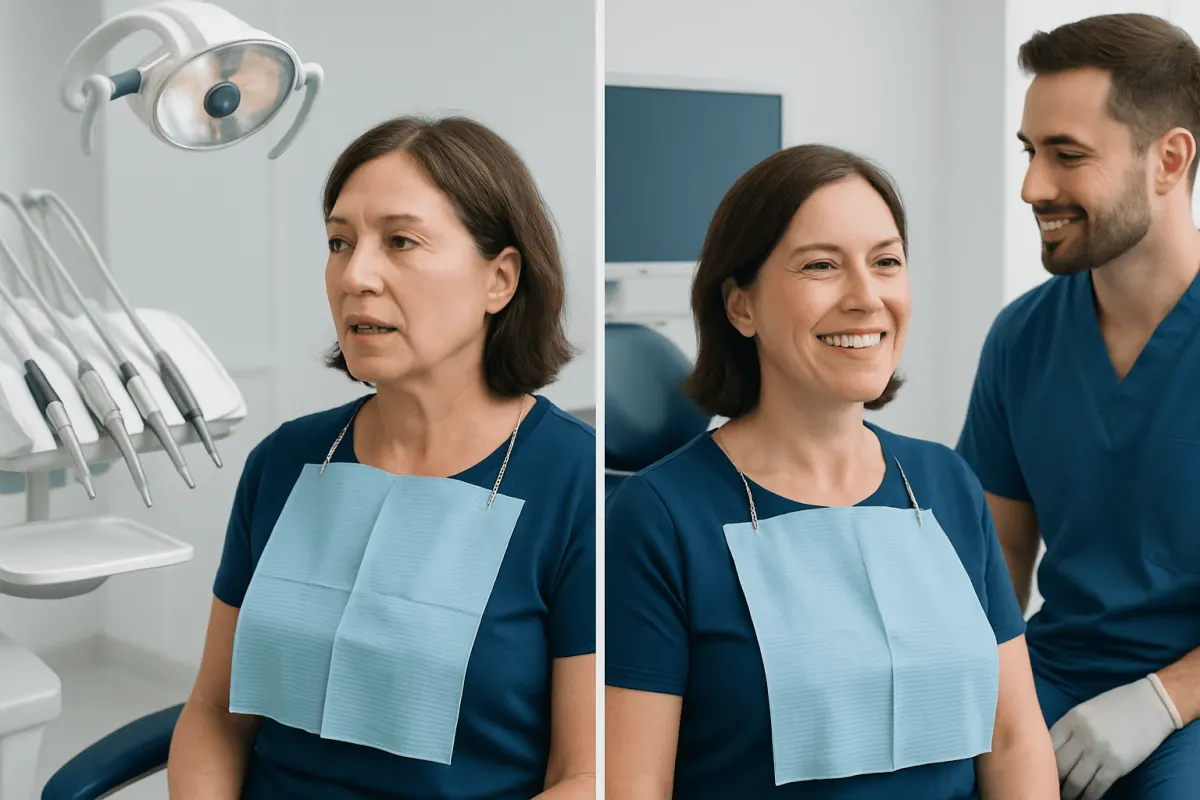
Full mouth reconstruction before and after results can be meaningful when several teeth, the gums, or the bite have been affected by decay, wear, tooth loss, injury or previous dental work. Before treatment, a person may have broken or shortened teeth, gaps, loose dentures, discomfort while chewing, uneven bite forces or concerns about smiling. After treatment, the intended result is a mouth that feels more comfortable and works more reliably, with teeth that look proportionate to the face and gums.
There is no one “ideal” before-and-after picture. Some people need only extensive restoration of worn teeth, while others need gum treatment, replacement of missing teeth and bite rehabilitation. Realistic results aim to preserve healthy tooth structure where possible, restore chewing ability and create a stable bite. Shade, tooth shape and smile design are discussed in advance, but natural facial features, gum contours and healing response influence the final appearance.
A full mouth reconstruction is not one procedure. Think of it as a coordinated plan that may draw on restorative dentistry, periodontics, endodontics, oral surgery and orthodontics. For an overview of planning and available approaches, see full mouth reconstruction treatment.
Why a Full Mouth Reconstruction May Be Recommended
A dentist may consider full mouth reconstruction when oral problems affect many teeth or when isolated repairs would not create a comfortable, stable bite. Common reasons include extensive tooth wear from grinding or acid erosion, widespread decay, multiple missing teeth, failing crowns or bridges, cracked teeth, severe bite imbalance and damage after trauma. Gum disease must also be identified and controlled because it can weaken the tissues that support the teeth.
People often seek care because daily activities have become difficult. They may avoid certain foods, experience sensitivity, notice frequent chipping, feel that their teeth do not meet properly or rely on temporary repairs. Emotional concerns can matter as well: a person may feel self-conscious about visible damage, gaps or changes in tooth length.
Not everyone with cosmetic concerns needs full reconstruction. A careful examination helps distinguish between a broad rehabilitation plan and more limited treatment, such as individual crowns, fillings, periodontal care or tooth replacement. The recommended approach should match the person’s oral health needs, goals, timeline and ability to maintain the result.
Candidacy and Planning: How the Procedure Works

Good candidates are people with multiple dental problems who are able to take part in assessment, treatment and long-term follow-up. Overall health, medications, smoking or nicotine use, oral hygiene habits, teeth grinding and medical conditions that affect healing are reviewed. A person does not need to have perfect gums or bone at the first appointment; however, inflammation, infection and other active problems generally need treatment before final restorations are placed.
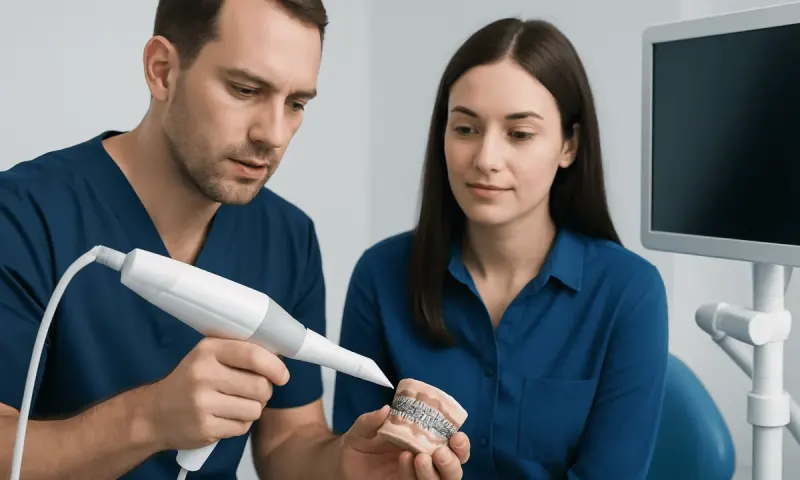
Planning begins with a dental examination, photographs, digital or conventional impressions, X-rays and, when needed, three-dimensional imaging. The dental team evaluates each tooth, the gums, jawbone, jaw joints and bite. They may also use diagnostic models or a temporary “mock-up” to test proposed tooth shapes, tooth position, speech and bite comfort before committing to final restorations.
For people considering implants, the assessment includes whether there is enough healthy bone and whether bone grafting or sinus procedures may be needed. Implant options are part of dental implant treatment, but implants are not necessary for every reconstruction. The best plan is one that is biologically sound and practical to clean and maintain.
- Dental and medical history review
- Evaluation of teeth, gums, bone and bite
- Discussion of functional and aesthetic priorities
- Sequenced plan for disease control, healing and final restorations
- Temporary restorations or mock-ups when appropriate
Step by Step: From Before Treatment to Final Teeth
The first phase focuses on stabilizing oral health. It may involve professional cleaning, treatment for gum inflammation, fillings, root canal treatment, removal of teeth that cannot be saved, or management of infection. If periodontal disease is present, treatment may be needed before restorations are made so the gum tissues are as healthy and stable as possible.
The rebuilding phase depends on the plan. Teeth may be repaired with fillings, inlays, onlays, veneers or crowns. Missing teeth may be replaced with bridges, removable prostheses or implant-supported restorations. Some people require bite adjustment, orthodontic treatment or protective treatment for grinding. When dental implants are placed, time is usually needed for the implant to integrate with the jawbone before the definitive crown, bridge or full-arch restoration is fitted.
Temporary restorations are commonly used during more complex cases. They protect prepared teeth and allow the person and dental team to assess appearance, pronunciation and bite function. Final crowns, bridges or implant restorations are then produced and adjusted carefully. The final appointment is not always the end of care: planned reviews help refine comfort and monitor gum health.
Recovery Timeline and What to Expect After Treatment
Recovery varies because full mouth reconstruction may be completed in stages and can include different procedures. After fillings, crowns or minor bite adjustments, people may notice temporary temperature sensitivity or mild bite awareness that improves as they adapt. After extractions, gum surgery or implant placement, swelling, tenderness and temporary dietary changes may occur. The dental team provides personalized instructions for pain relief, oral hygiene and food choices.
In the first days, softer foods and careful chewing are often advised, especially after surgical procedures or when temporary restorations are in place. As comfort improves, food texture can usually be advanced according to the clinician’s guidance. Temporaries may feel different from natural teeth and should be protected from hard, sticky or very chewy foods. A person should contact the dental team if a temporary restoration breaks, feels loose or causes persistent pain.
The visible “after” stage may be reached quickly for some restorations, but the biological result develops more gradually. Gum tissues may need weeks to settle after treatment, while implant integration and complex bite rehabilitation can take several months. Follow-up appointments are important because small adjustments can improve comfort, protect restorations and support a balanced bite.
Benefits, Limits and Possible Risks
Potential benefits of successful treatment include more efficient chewing, a more comfortable bite, improved speech in some cases, better tooth protection and an appearance that feels more harmonious. Replacing missing teeth and stabilizing damaged teeth can also make oral hygiene easier when restorations are properly designed. For many people, the most valuable change is being able to eat, speak and smile with greater confidence.
That said, reconstruction cannot make teeth maintenance-free, and it cannot promise that everything will feel exactly like your natural teeth. Crowns, bridges and implant restorations can wear, chip, loosen or need repair over time. Teeth that have had extensive treatment may remain more vulnerable than untouched teeth, and gum recession or changes in the jawbone can alter the appearance of gum lines later.
Risks depend on the procedures used and may include temporary sensitivity, infection, bleeding, nerve irritation, bite discomfort, fracture of a restoration or failure of an implant to integrate. Teeth grinding can place significant stress on new restorations, so a night guard may be recommended. Clear planning, experienced care and regular review can reduce risks, but no dental procedure is risk-free.
Realistic Expectations and Illustrative Treatment Scenarios
Realistic expectations focus on progress in function, health and appearance rather than an edited or standardized smile. For example, a person with heavily worn but otherwise healthy teeth may have the bite rebuilt with carefully planned restorations. Their after result may show restored tooth length, improved chewing and a less strained bite, while still retaining natural variations in tooth shape and gum contour.
A person with several missing teeth and unstable older bridges may first need gum treatment and removal of teeth that cannot be restored. Replacement may later involve implant-supported crowns or bridges, with temporary teeth used while healing occurs. The final appearance can be substantially different, but the timing and exact result depend on bone quality, gum healing, bite forces and the person’s hygiene habits.
Ask to see examples that match your own problem — and keep in mind that someone else’s treatment cannot predict how yours will turn out. Helpful discussions include what can be improved, what limitations remain, how long treatment may take and what maintenance will be required. A good plan makes room for adjustments rather than promising perfection.
Daily Care and When to Seek Medical Care
Long-term care protects both natural teeth and restorations. Brushing twice daily with fluoride toothpaste, cleaning between teeth as advised, attending professional dental visits and limiting frequent sugary or acidic foods all support oral health. People who clench or grind their teeth should use any recommended protective appliance. Smoking or nicotine use can affect gum health and healing, so discussing support to stop is worthwhile.
Medical or dental care should be sought promptly for severe or worsening pain, swelling of the face or gums, fever, persistent bleeding, pus, trouble swallowing or breathing, or a suspected spreading infection. Urgent assessment is also appropriate after facial trauma, when a restoration breaks sharply, or when a tooth or implant becomes suddenly loose. Less urgent but important concerns include a bite that no longer feels correct, ongoing sensitivity, bleeding gums or difficulty cleaning around restorations.
At Acıbadem Health Point, our dental specialists work together across JCI-accredited hospitals to assess and treat complex rehabilitation needs for international patients. A qualified dentist can tell you whether a full reconstruction, or something more conservative, fits your situation.
Frequently asked questions
01How long does full mouth reconstruction take?
The timeline depends on the number and type of treatments needed. Some restoration-focused plans may be completed in a few visits, while plans involving gum treatment, extractions, implants or orthodontics can take months. Healing time and review appointments are important parts of the process.
02Will full mouth reconstruction look natural?
The goal is usually a natural-looking result that suits the person’s facial features, gum line and preferences. Dentists plan tooth shape, color, size and position carefully, often using temporary restorations to test the design. Natural-looking results do not necessarily mean perfectly identical or unnaturally white teeth.
03Is full mouth reconstruction painful?
Comfort measures and local anesthesia are used during many dental procedures, and additional sedation options may be available when appropriate. Mild discomfort, sensitivity or swelling can occur after certain treatments, especially surgery. The dental team can provide individualized aftercare advice and should be contacted if symptoms are severe or worsening.
04Can all teeth be replaced with dental implants?
In some cases, implants can support replacement teeth for an entire arch or both arches. Suitability depends on bone volume, gum health, general health, bite forces and ability to maintain good oral hygiene. Alternatives such as bridges or removable prostheses may be more appropriate for some people.
05How long do crowns, bridges and implants last?
Their lifespan varies with material, bite forces, gum health, daily cleaning and regular dental care. Restorations can require repair or replacement over time, and implants need ongoing monitoring even though they do not decay like natural teeth. Protecting the gums and controlling grinding are especially important.
06What should a person ask before starting treatment?
Useful questions include which teeth can be preserved, what treatment stages are needed, what temporary restorations will be used and what healing time is expected. It is also helpful to ask about likely benefits, limitations, maintenance needs and alternatives. A written treatment plan can help clarify the sequence of care.
This article is for general information only and is not a substitute for professional medical advice. Please consult a qualified doctor about your individual situation.
Explore treatments in Turkey — costs, top hospitals & a free quote
JCI-accredited · board-certified surgeons · reply within 24h
Add us as a Preferred Source to see more of our trusted health content across Google Search, AI Overviews and Discover.