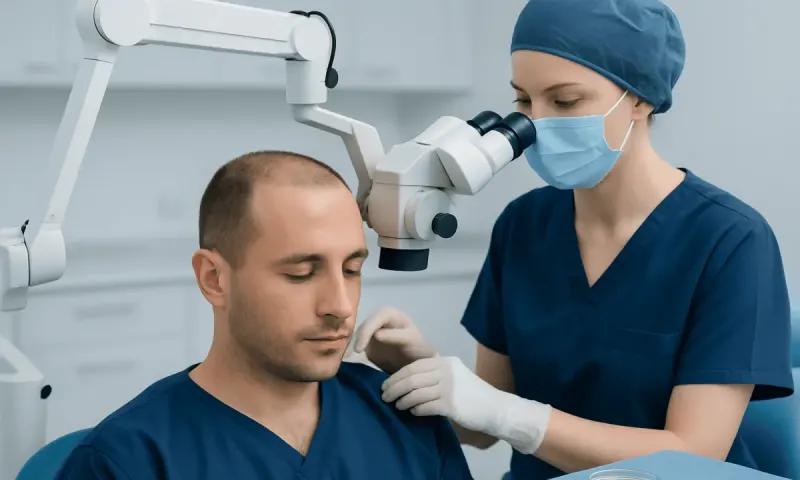
Full Face Botox Before and After: Expected Changes
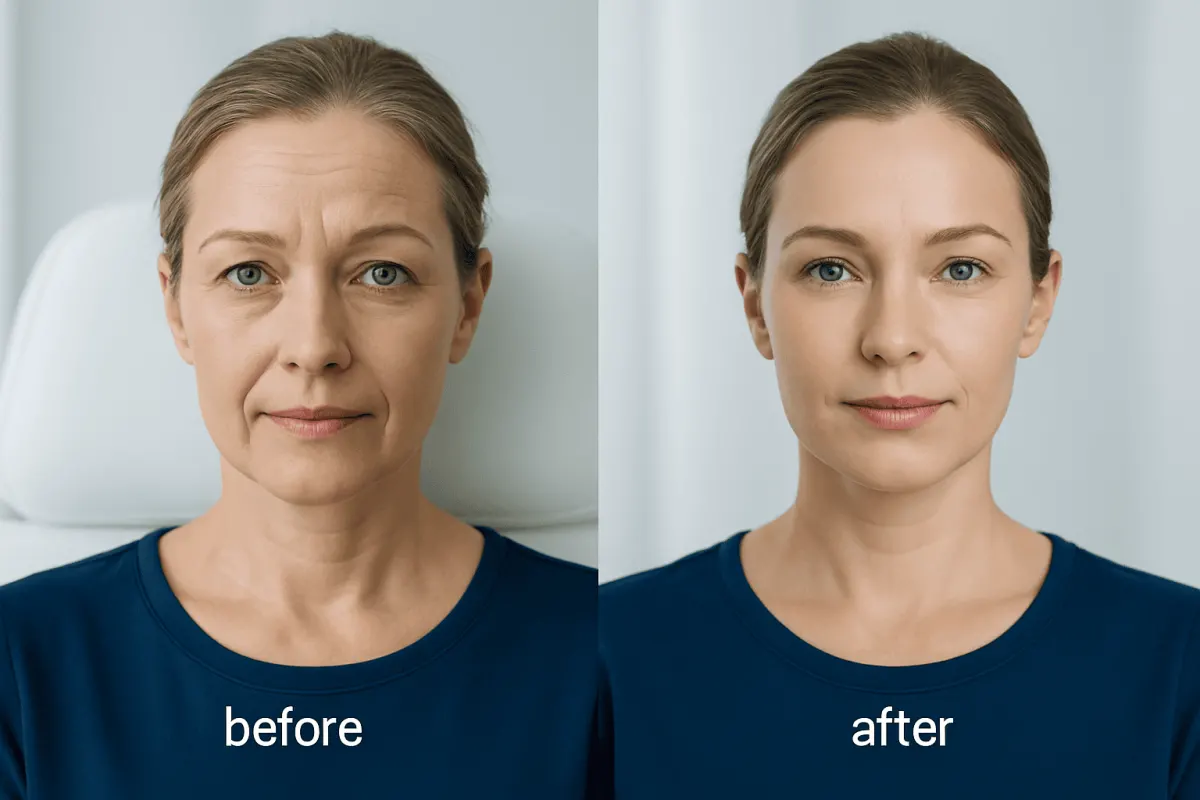
Full face Botox before and after results are usually subtle: expression lines soften, facial tension may lessen, and the face should still look natural when treatment is carefully planned. Results depend on the areas treated, muscle strength, skin quality, dose, and injector skill.
Overview: What Full Face Botox Before and After Results Can Show
Full face Botox before and after results typically show softened forehead lines, frown lines, and crow’s feet, with a more relaxed or refreshed facial expression rather than a dramatic change in identity. Botox is a brand name for botulinum toxin type A; it temporarily reduces the activity of selected muscles that create dynamic wrinkles when a person frowns, squints, smiles, or raises the eyebrows.
“Full face” does not mean that every facial muscle is injected. It usually describes a tailored plan that considers several areas together, such as the upper forehead, glabella (the area between the eyebrows), outer eye lines, nose wrinkles, chin dimpling, downturned mouth corners, jaw muscles, or neck bands. The safest and most natural plan is based on the person’s anatomy, expressions, goals, medical history, and prior treatments.
Before-and-after photographs can be useful for discussing realistic goals, but they should be interpreted carefully. Lighting, facial expression, camera angle, makeup, timing after treatment, and image editing can all influence how a result appears. A reputable clinician should explain what Botox can improve, what it cannot correct, and whether another approach may better suit the concern.
What Changes Over the First Two Weeks?
Botox does not usually create an immediate final result. Some people notice reduced muscle movement within 2–3 days, but the change develops gradually. The effect is commonly assessed around 10–14 days after treatment, when the clinician can determine whether the planned relaxation and facial balance have been achieved.
In the first day, small raised areas, mild redness, tenderness, or bruising can occur at injection sites. These effects are generally temporary. A clinician may advise avoiding rubbing or massaging treated areas and following any personalized aftercare instructions. Normal gentle facial movement is expected; the medication works within targeted muscles over time.
At the follow-up point, a well-planned result should allow appropriate expression. The forehead may look smoother when raised, the frown may look less tense, and lines around the eyes may be less visible during smiling. Static lines that remain visible when the face is resting may improve less, especially if they are deeper or related to skin aging rather than muscle movement alone.
Which Areas Can Be Included in a Full-Face Plan?

The upper face is the most common focus. Treatment may reduce horizontal forehead lines, vertical frown lines, and crow’s feet. In selected patients, carefully placed injections may also help with a brow position concern, but this requires detailed assessment because forehead and eyebrow muscles work together and excessive relaxation can contribute to heaviness or asymmetry.
Lower-face treatment is more individualized. Botox may be used for chin dimpling, a gummy smile, prominent jaw muscles caused by clenching, downturned mouth corners, or vertical neck bands. These uses require particular expertise because the muscles involved in speaking, smiling, chewing, and swallowing are close together. The goal is balance and functional safety, not simply reducing movement.
Searches for full face Botox before and after cheeks can be confusing because Botox is not generally a cheek-volume treatment. If cheeks appear flatter, hollow, or less supported, Botox alone is unlikely to restore volume. In some cases, clinicians may discuss dermal fillers or other options, depending on skin quality, facial structure, and individual goals.
- Forehead and frown lines: usually treated to soften active wrinkles.
- Outer eye lines: may be treated to reduce crow’s feet during smiling.
- Jaw muscles: may be considered for muscle-related jaw width or clenching symptoms.
- Chin and neck: may be treated selectively for dimpling or visible muscle bands.
Is Full Face Botox Worth It?
Whether full face Botox is worth it depends on the person’s goals, facial anatomy, budget, tolerance for repeat treatments, and expectations. It may be worthwhile for someone seeking temporary softening of expression-related lines or a more relaxed appearance across several areas. It may be less suitable when the main concern is skin laxity, significant volume loss, deep resting wrinkles, pigment changes, or facial contour changes unrelated to muscle activity.
A consultation should identify which features are caused by dynamic muscle movement and which are not. Treating too many areas, or using more product than necessary, can produce an overly still expression, eyebrow heaviness, or an appearance that does not feel like the patient. Conservative treatment with review after the effect develops is often a sensible way to begin.
Full face Botox and filler before and after results can look different from Botox-only results. Fillers are designed to restore or enhance volume and contour, whereas Botox reduces selected muscle activity. Combining treatments may be appropriate for some people, but it is not automatically necessary and should be planned by a qualified clinician after examining the face at rest and in motion.
What Happens to Your Face Years After Botox?
With repeated, appropriately administered Botox treatments, the treated muscles may remain less active for part of each treatment cycle, which can reduce repeated folding of the skin. Some people find that certain dynamic lines appear less prominent over time. However, Botox does not stop normal aging, sun-related skin changes, volume loss, or the development of lines in untreated areas.
When Botox wears off, muscle activity gradually returns. It does not cause the face to age suddenly or become “dependent” on treatment. A person may simply notice their usual expressions and wrinkles more once the smoothing effect is gone. If treatment is discontinued, appearance generally returns toward the person’s baseline pattern over time.
Long-term outcomes depend on technique and treatment choices. Repeated excessive treatment of some muscles may contribute to weakness, changes in eyebrow position, or unwanted changes in facial balance. Regular reassessment is important because facial anatomy and aesthetic priorities can change with age. Good skin care, sun protection, sleep, nutrition, and avoiding smoking also support skin health independently of Botox.
What Does 10 Years of Botox Look Like?
There is no single “10 years of Botox” appearance. Some people who have received conservative, well-targeted treatment for many years may have fewer deeply etched expression lines in treated areas than they otherwise would. Others may see only temporary smoothing during each treatment cycle, particularly when wrinkles are already established or when skin aging is driven by factors Botox does not address.
A natural long-term result should still allow facial communication and should be reviewed periodically rather than repeated on a fixed pattern without assessment. A skilled clinician may adjust the areas treated, the amount used, or the interval between sessions as muscle activity, skin quality, and facial proportions change.
Long-term use is not a substitute for medical evaluation of new facial weakness, drooping, swallowing problems, or other neurological symptoms. These symptoms should not be assumed to be cosmetic-treatment effects and should be assessed promptly by a healthcare professional.
What Is the Average Cost of Full Face Botox?
There is no reliable single average cost for full face Botox because “full face” is not a standardized treatment package. The overall cost can vary according to the country and city, the qualifications of the injector, the product used, the number of areas treated, the amount required, and whether a review appointment is included.
People comparing plans should ask what areas are being treated, who will perform the injections, whether the product is licensed and traceable, and what follow-up is available. Choosing treatment primarily by the lowest advertised price can increase the risk of poorly individualized care or non-authentic products. A consultation is the most appropriate setting for a personalized treatment plan and transparent estimate.
Acıbadem Health Point’s multidisciplinary specialists and JCI-accredited hospitals provide assessment and aesthetic treatment planning for international patients. A clinician can explain whether Botox, filler, skin-focused treatments, or no procedure is the most suitable option for an individual concern.
When to Seek Medical Care
Contact the treating clinician if there is significant pain, increasing swelling, signs of infection, a marked difference in facial movement, eyelid drooping, or a result that feels concerning after Botox. Mild temporary redness, pinpoint bruising, and tenderness are common, but symptoms should be discussed if they are persistent or worsening.
Seek urgent medical care for trouble breathing, swallowing, or speaking; widespread muscle weakness; severe allergic-type symptoms such as facial swelling or hives; or visual symptoms that are sudden or severe. These symptoms are uncommon, but they require prompt assessment.
Botox should only be considered after a clinician reviews relevant health information, including pregnancy or breastfeeding status, neuromuscular conditions, medication use, previous reactions, and active infection at the intended injection site. People should avoid injections from unlicensed providers or products obtained outside regulated clinical settings.
Frequently asked questions
01How long do full face Botox results last?
For many people, the visible effect lasts about 3–4 months. Duration varies with the treated area, muscle strength, metabolism, dose, and previous treatment history. Muscle movement returns gradually rather than all at once.
02When will I see full face Botox before and after results?
Initial changes may be noticeable within a few days. The result is usually best assessed around 10–14 days after injections. A clinician may recommend a review at that point if one is needed.
03Can Botox lift the face or replace a facelift?
Botox can create a subtle lifting effect in selected areas by relaxing muscles that pull downward. It does not remove excess skin, correct substantial sagging, or replace surgical lifting procedures. An assessment can clarify which approach best matches the concern.
04Do full face Botox before and after eyes pictures show permanent changes?
No. Botox effects are temporary, and photographs usually show the result during the active treatment period. Images may also differ because of lighting, expression, camera angle, and timing, so they are not a guarantee of an individual result.
05Can Botox and filler be used at the same appointment?
In some cases, yes. Botox can reduce muscle-driven lines, while filler can address selected areas of volume loss or contour. Whether they should be combined depends on the person’s anatomy, goals, medical history, and the clinician’s assessment.
06Will my face look frozen after full face Botox?
A frozen appearance is not the intended outcome of carefully planned treatment. Conservative dosing and precise placement aim to soften movement while preserving natural expression. If a person prefers a very subtle result, they should say so during the consultation.
This article is for general information only and is not a substitute for professional medical advice. Please consult a qualified doctor about your individual situation.
Explore treatments in Turkey — costs, top hospitals & a free quote
JCI-accredited · board-certified surgeons · reply within 24h
Add us as a Preferred Source to see more of our trusted health content across Google Search, AI Overviews and Discover.