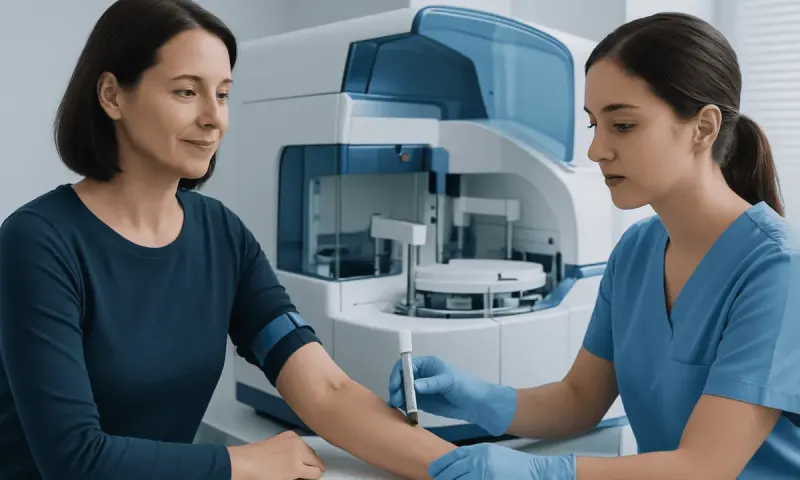
FUE Price Factors: Grafts, Expertise and Location
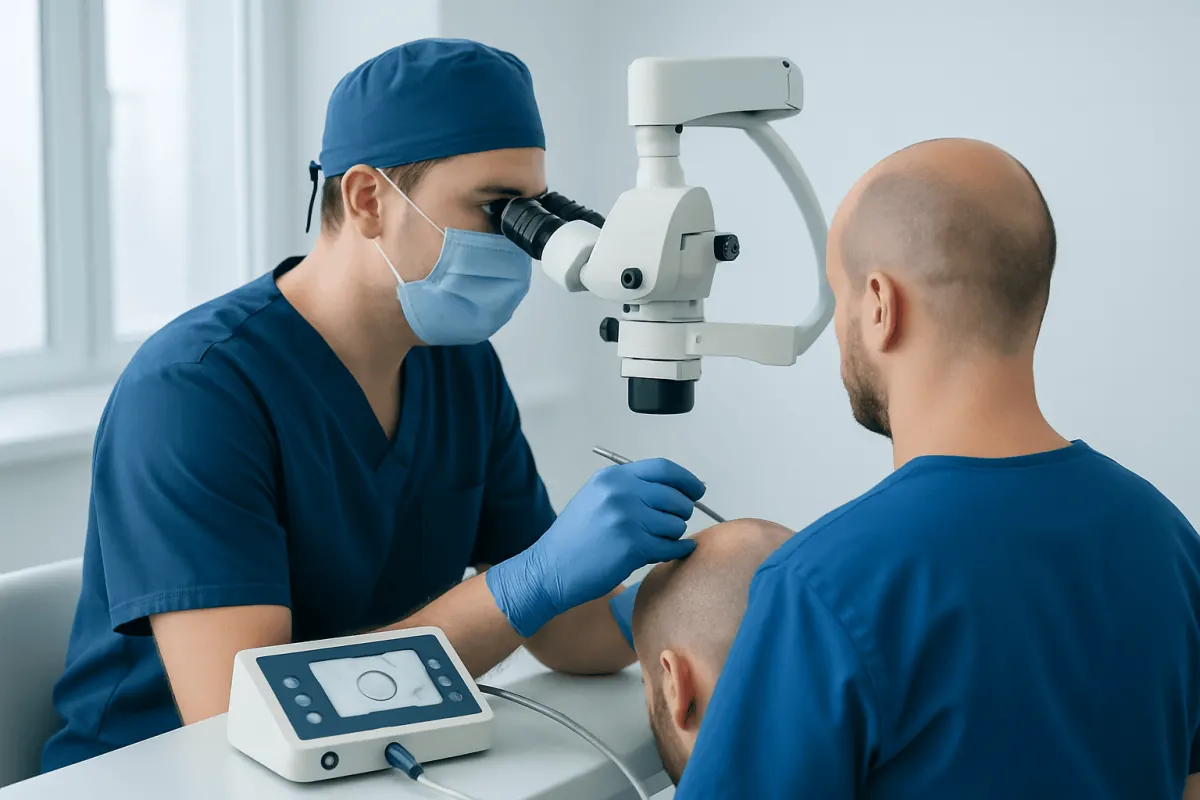
FUE price cannot be estimated reliably from graft count alone because the final plan depends on the donor area, degree of hair loss, hair characteristics, surgical team and aftercare needs. A consultation with a qualified hair-restoration clinician helps determine whether FUE is appropriate and what treatment scope is medically realistic.
FUE Price: What Does a Patient Really Pay For?
FUE price reflects much more than the number of hair grafts transplanted. Follicular unit extraction (FUE) is a detailed surgical procedure that requires assessment, design planning, donor-hair management, extraction, graft preparation, recipient-site creation, implantation and follow-up care. A safe, natural-looking plan should be tailored to the individual rather than based on a standard graft package.
Cost discussions may include the clinician’s expertise, the surgical setting, anesthesia or sedation arrangements where used, nursing and technical support, laboratory-quality graft handling, prescribed aftercare and planned follow-up. Geographic location can also influence fees. Patients should ask for a written explanation of what is and is not included, rather than relying only on a headline price.
A lower initial quote does not necessarily represent better value if it excludes essential care, uses an unrealistic graft target or does not account for future hair loss. The most useful starting point is an in-person or appropriately conducted clinical assessment that considers both cosmetic goals and the lifelong limits of the donor area.
How FUE Hair Transplantation Works
FUE is a hair-restoration technique in which naturally occurring groups of hairs, called follicular units, are removed individually from a donor area. The donor area is most often the back and sides of the scalp, where hair is usually more resistant to pattern hair loss. These grafts are then placed into carefully prepared sites in areas affected by thinning or baldness.
Each graft may contain one, two, three or occasionally more hairs. For this reason, graft count and hair count are different measures. A clinician uses the patient’s hair thickness, curl pattern, color contrast between scalp and hair, scalp characteristics and existing density to plan how grafts can be used most effectively.
FUE differs from strip-harvesting methods because follicular units are taken one by one rather than from a narrow strip of scalp. It may leave many small extraction marks rather than a linear scar, but it is still surgery and can cause scarring. The appropriate technique depends on the patient’s donor hair, haircut preferences, extent of hair loss and medical history.
For a fuller explanation of surgical hair restoration, patients can review hair transplant treatment options.
Who May Be a Candidate for FUE?

FUE may be considered for adults with stable or suitably assessed hair loss who have enough healthy donor hair to support transplantation. It is commonly discussed for androgenetic alopecia, also called male- or female-pattern hair loss, but it may be considered in selected cases of hair loss from scarring, trauma or previous procedures. The cause of hair loss must be identified before surgery is planned.
A good candidate has realistic expectations about density, coverage and the possibility that hair loss may continue in untreated areas. A hair transplant redistributes existing hair; it does not create new follicles or stop progressive hair loss. Medical treatment, monitoring and a conservative hairline design may be important parts of a long-term plan.
People with active scalp inflammation, certain untreated medical conditions, unstable hair loss or limited donor reserves may need treatment or further evaluation before considering surgery. A clinician will also review medications, smoking or nicotine use, bleeding risk, skin conditions and previous hair procedures.
Pattern hair loss can be evaluated in the context of androgenetic alopecia, although an individual diagnosis requires a professional examination.
What Happens During an FUE Procedure?
Before treatment, the clinician assesses the scalp and donor area, discusses goals, estimates graft needs and designs a plan that protects donor supply. Photographs may be taken to document the baseline. The procedure is usually performed with local anesthesia, and the care team explains preparation instructions, expected duration and aftercare before the treatment day.
During FUE, the donor area is trimmed as needed and individual follicular units are carefully extracted with a small instrument. The grafts are examined and kept in appropriate conditions before placement. The clinician then creates very small recipient sites at planned angles, directions and distributions to support a natural appearance.
The grafts are placed into the recipient sites, generally with single-hair grafts used where softer transitions are needed and multi-hair grafts used to build density behind them. The exact approach varies by anatomy and treatment goals. Larger sessions may take many hours, and in some situations a clinician may recommend more than one session rather than overharvesting the donor area.
Patients should feel comfortable asking who will perform each stage of the procedure, what safety protocols are used and how complications are managed. Clear answers support informed consent and realistic planning.
FUE Recovery Timeline, Benefits and Risks
After FUE, temporary redness, mild swelling, tenderness, crusting and itchiness can occur in the donor and recipient areas. The team provides instructions on washing, sleeping position, activity restrictions and scalp protection. It is important not to pick at crusts or rub the transplanted area, especially during the early healing period.
Transplanted hairs commonly shed in the first weeks after the procedure. This is usually part of the normal cycle and does not mean the follicles have been lost. New growth generally begins gradually over the following months, while maturation in texture and density continues over a longer period. Individual timelines vary.
Potential benefits include improved coverage in selected areas and a natural-looking use of the patient’s own hair when the procedure is well planned. However, results cannot be guaranteed. Possible risks include bleeding, infection, swelling, altered sensation, visible scarring, folliculitis, uneven growth, poor graft survival and an unnatural cosmetic outcome if planning or technique is inadequate.
Following aftercare instructions and attending follow-up visits can support healing. Patients should contact their clinical team promptly if they develop increasing pain, spreading redness, fever, drainage, significant bleeding or other concerning symptoms.
How Much Do 1000 FUE Grafts Cost?
The cost of 1,000 FUE grafts varies substantially between clinics and countries, so there is no single medically reliable price. It may depend on whether the clinic charges by graft, by session or by an individualized treatment plan. The stated amount can also differ according to whether consultation, medications, anesthesia, laboratory handling, postoperative checks and other services are included.
One thousand grafts may be used for a limited purpose, such as refining a hairline, adding density to a small area or treating a localized region. It may not provide enough coverage for more extensive hair loss. A clinician should assess donor capacity and projected future hair loss before recommending any graft number.
When comparing plans, patients can ask how grafts are counted, whether the planned number is clinically appropriate, who performs extraction and implantation, and what follow-up is provided. This approach helps keep treatment decisions focused on safety and suitability rather than graft volume alone.
Which State in the USA Is the Cheapest for Hair Transplants?
There is no dependable way to identify one US state as consistently the cheapest place for hair transplantation. Fees can differ not only between states but also between cities and clinics in the same area. They are influenced by local operating costs, clinician experience, the complexity of the case, staffing model and the services included in the treatment plan.
Choosing a clinic solely because it offers the lowest advertised price can introduce avoidable risks. Hair transplantation requires careful donor-area preservation and artistic as well as surgical judgment. Correcting an unsatisfactory procedure may be more difficult than planning an appropriate first procedure.
Patients can compare providers by confirming professional credentials, discussing who will conduct the surgical steps, reviewing the clinic’s informed-consent process and obtaining an itemized plan. Travel, accommodation, time away from work and access to follow-up care should also be considered when evaluating overall affordability.
How Much Do 5000 Hair Grafts Cover?
Five thousand grafts can potentially cover a large area, but the coverage achieved varies greatly from one person to another. It depends on scalp size, hair thickness, color contrast, curl, existing hair, the pattern of loss and the intended density. A broad area of advanced thinning generally requires the available grafts to be distributed more widely than a smaller area seeking higher density.
A graft count does not directly predict how full the result will look because grafts contain differing numbers of hairs. For example, fine straight hair with high contrast against the scalp may require a different strategy from thick, curly hair with lower contrast. The best plan prioritizes an age-appropriate hairline and protects the donor region for future needs.
Five thousand grafts is a substantial number for many patients and may not be suitable or safely available in a single session. The clinician must assess donor density, scalp laxity where relevant, prior transplantation and the risk of thinning the donor area. In some cases, staged treatment or a more conservative coverage goal is safer.
How Much Does a 5000 Hair Grafts Hair Transplant Cost?
A 5,000-graft hair transplant does not have one fixed price. It is usually a complex treatment plan, and the fee may reflect the time required, clinical staffing, extraction and implantation approach, graft handling, whether treatment is performed in one or more sessions and the level of follow-up care. The location and regulatory environment of the clinic can also affect the overall cost.
Patients should be cautious about assuming that a large graft number is automatically better. The central clinical question is whether that many grafts can be safely harvested and placed while preserving a natural appearance and adequate donor density. A responsible recommendation should be based on examination, not on a preselected graft target.
It is reasonable to request a detailed written plan that explains the recommended graft range, expected treatment stages, inclusions and exclusions, aftercare schedule and what may be needed if hair loss progresses. This supports an informed comparison between providers without reducing the decision to price alone.
When to Seek Medical Care
Medical assessment is advisable when hair loss is sudden, patchy, associated with scalp pain, scaling, itching, redness or scarring, or accompanied by other changes in health. These features may suggest a cause other than typical pattern hair loss and may need medical treatment before any cosmetic procedure is considered.
Anyone considering FUE should first seek care from a qualified dermatologist or hair-restoration clinician for diagnosis and planning. They can discuss non-surgical options, assess donor hair and explain whether a transplant is appropriate now or should be delayed while hair loss is monitored or treated.
After an FUE procedure, urgent clinical advice is appropriate for fever, worsening swelling, increasing pain, pus-like drainage, significant bleeding or signs of an allergic reaction. Acıbadem Health Point’s multidisciplinary specialists and JCI-accredited hospitals assess and treat hair-loss concerns and hair-transplant candidates for international patients.
Frequently asked questions
01Is FUE price based on the number of grafts?
Some clinics use a per-graft model, while others quote a session-based or personalized treatment fee. The final cost may also include clinical assessment, surgical staffing, graft handling, aftercare and follow-up. Patients should ask for an itemized explanation of the proposed plan.
02How much do 1000 FUE grafts cost?
There is no universal cost for 1,000 FUE grafts because pricing varies by clinic, location, team expertise and included services. A 1,000-graft session may suit a small, defined area but may not be enough for more extensive hair loss. An assessment is needed to determine whether this graft number is appropriate.
03Which state in the USA is the cheapest for hair transplants?
No single state can reliably be called the cheapest because costs vary considerably between clinics, cities and treatment plans. The lowest advertised price may not include all necessary elements of care. Safety standards, clinician qualifications and long-term donor management are important factors alongside cost.
04How much do 5000 hair grafts cover?
Five thousand grafts may cover a broad area, but the visible result depends on hair caliber, curl, color contrast, existing hair and the size of the area being treated. Graft count alone cannot guarantee a particular level of density. A clinician should determine whether enough donor hair is available without overharvesting.
05How much does a 5000 hair grafts hair transplant cost?
A 5,000-graft procedure has no fixed price because it may involve a complex, lengthy treatment plan and sometimes more than one session. Fees differ based on the clinic, location, surgical approach, staffing and follow-up services. A written individualized estimate is the most reliable way to understand expected costs.
06Does FUE leave scars?
FUE creates small extraction wounds in the donor area and can leave small scars. These are often less noticeable when hair is kept at an appropriate length, but visibility varies with skin type, healing and extraction technique. Anyone considering FUE should discuss scarring risk and haircut preferences during consultation.
07When will hair grow after an FUE transplant?
The transplanted hairs often shed during the first weeks, which is commonly expected. New growth usually starts gradually over the following months, with appearance continuing to mature over time. The exact timeline differs between individuals and should be discussed with the treating clinician.
This article is for general information only and is not a substitute for professional medical advice. Please consult a qualified doctor about your individual situation.
Hair transplant in Turkey — costs, graft counts & a free assessment
JCI-accredited · board-certified surgeons · reply within 24h
Add us as a Preferred Source to see more of our trusted health content across Google Search, AI Overviews and Discover.