Fresh vs Frozen Embryo Transfer in IVF: How Doctors Choose

Fresh and frozen embryo transfer are both established options in IVF, and neither is automatically best for every patient. Doctors choose by assessing embryo development, hormone levels, uterine readiness, safety factors, genetic testing plans, and personal circumstances.
Overview
In in vitro fertilization, an embryo transfer is the step in which one or more embryos are placed into the uterus with the aim of achieving pregnancy. A fresh embryo transfer is performed in the same treatment cycle as ovarian stimulation and egg retrieval, usually several days after fertilization. A frozen embryo transfer is performed in a later cycle, after embryos have been frozen, stored, and then thawed when the uterus is prepared.
The question of fresh vs frozen embryo transfer is common because modern embryo freezing techniques have improved significantly. Vitrification, a rapid freezing method, allows many embryos to survive thawing and continue development. This has made frozen embryo transfer a routine part of many IVF treatment plans rather than a second-choice option.
However, the best approach is not the same for everyone. Doctors consider the patient’s age, ovarian response, hormone levels, uterine lining, embryo quality, risk of ovarian hyperstimulation syndrome, and whether preimplantation genetic testing is planned. The goal is to transfer an embryo when both the embryo and the uterine environment have the best possible conditions, while keeping treatment safe for the patient.
What Happens in a Fresh Embryo Transfer

In a fresh embryo transfer cycle, ovarian stimulation medications are used to help several eggs mature. The eggs are collected during egg retrieval, fertilized in the laboratory, and monitored as embryos develop. Depending on the clinic’s protocol and embryo progress, transfer may occur at the cleavage stage, often around day 3, or at the blastocyst stage, usually around day 5 or 6.
The main advantage of a fresh transfer is that it can be completed without waiting for another menstrual cycle. For some patients, this shorter timeline feels emotionally easier and may reduce the number of appointments. It can also be appropriate when hormone levels are within a favorable range, the uterine lining looks receptive, and the patient has no safety concerns after stimulation.
Fresh transfer is not always ideal, because ovarian stimulation changes the body’s hormone environment. In some cycles, estrogen or progesterone levels may rise in a way that affects endometrial receptivity, meaning the uterine lining may not be optimally synchronized with the embryo. If the ovaries respond very strongly, doctors may also avoid fresh transfer to reduce health risks and allow the body to recover before attempting pregnancy.
What Happens in a Frozen Embryo Transfer
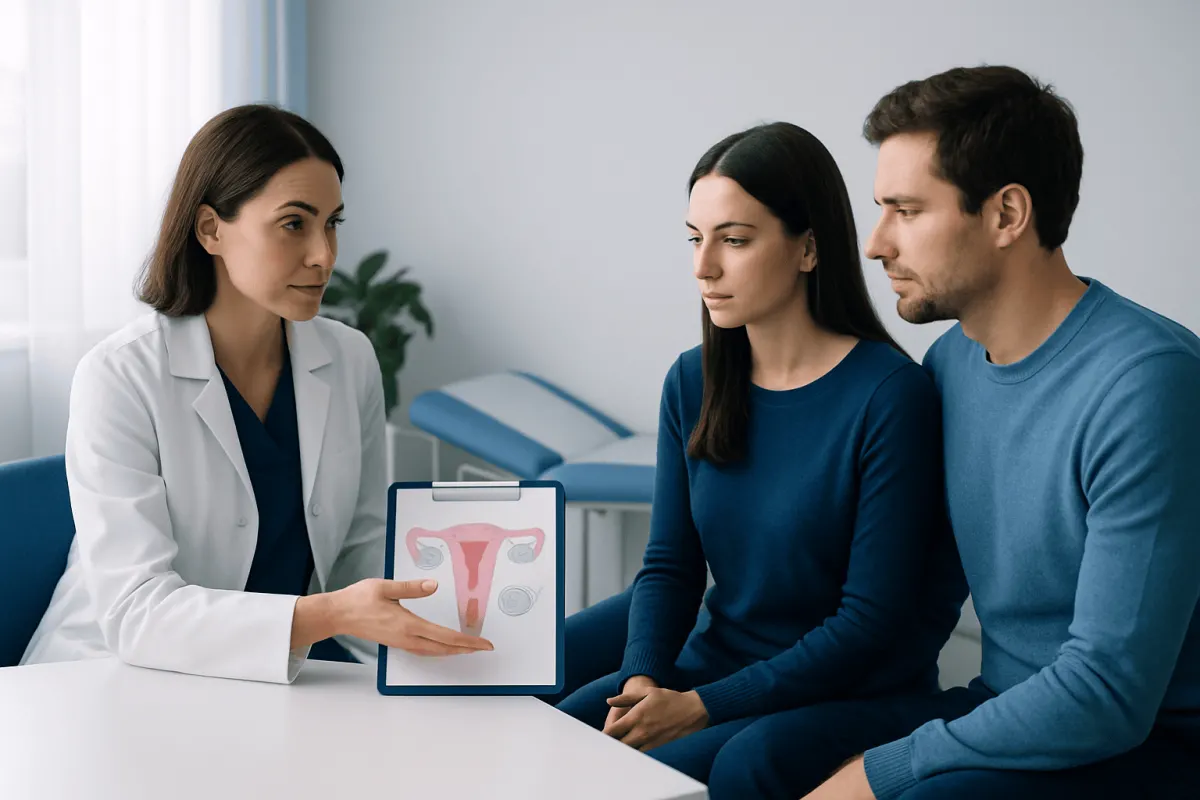
In a frozen embryo transfer, embryos are cryopreserved after fertilization and development in the laboratory. They are stored until the patient is ready for transfer. Later, the uterus is prepared either in a natural cycle, a modified natural cycle, or a medicated cycle, depending on ovulation patterns, medical history, and clinic preference.
Frozen embryo transfer offers more flexibility. It allows time for the ovaries and hormones to return closer to baseline after stimulation. It also makes it possible to perform preimplantation genetic testing, to transfer one embryo at the most suitable time, or to plan treatment around medical needs and personal schedules. Many patients who create more than one suitable embryo may use frozen transfer for later attempts without repeating ovarian stimulation.
The freezing and thawing process is generally reliable in experienced laboratories, but it still requires careful embryology expertise. Not every embryo will be suitable for freezing, and a small number may not survive thawing. Doctors discuss embryo grading, thaw survival expectations, and the number of embryos available so patients can understand what a frozen transfer plan means in their individual case.
How Doctors Choose Between Fresh and Frozen Transfer
The decision is based on medical safety and the likelihood that the embryo and uterine lining are well matched. A fertility specialist reviews ultrasound findings, blood hormone results, embryo development, symptoms after egg retrieval, and the patient’s overall health. The plan may change during the cycle if new information suggests that freezing all embryos would be safer or more effective.
Doctors commonly consider the following factors:
- Hormone levels: High estrogen or an early rise in progesterone may affect endometrial timing.
- Ovarian response: A high number of follicles or symptoms of ovarian hyperstimulation may make fresh transfer less safe.
- Uterine lining: Thickness, pattern, and any suspected uterine cavity issue can influence timing.
- Embryo development: The number and quality of embryos may support either immediate transfer or freezing.
- Genetic testing plans: Testing usually requires embryos to be biopsied and frozen while results are processed.
- Medical conditions: Thyroid disease, uncontrolled diabetes, infection, or other health issues may need attention before pregnancy.
Patient priorities also matter. Some people value the fastest possible transfer, while others prefer a pause to recover physically and emotionally. A good decision is shared: the doctor explains the medical reasoning, and the patient has space to ask about expected timing, medications, costs, and the practical steps of each option.
Success Rates and Safety Considerations
Many patients ask which method has better success rates. The most accurate answer is that outcomes depend on the patient and the cycle. Frozen embryo transfer may show advantages in some groups, such as patients with high ovarian response or cycles where the uterine lining may be affected by stimulation. Fresh transfer may be equally appropriate in other patients with favorable hormone levels and a receptive endometrium.
Embryo quality remains one of the most important predictors. A well-developed blastocyst with appropriate grading has a better chance of implantation than an embryo with limited development, whether transferred fresh or frozen. Age, egg quality, sperm factors, uterine health, body weight, smoking status, and underlying diagnoses such as endometriosis or ovulation disorders can also influence success. In some cases, fertilization support such as ICSI may be recommended when sperm-related factors or previous fertilization problems are present.
Safety is another key reason doctors may recommend freezing embryos. Ovarian hyperstimulation syndrome, often called OHSS, can occur when the ovaries overrespond to stimulation. Pregnancy can worsen or prolong OHSS, so delaying transfer may reduce risk in susceptible patients. Frozen transfer can also provide time to evaluate bleeding, fluid in the uterus, polyps, fibroids, or other findings that might affect implantation.
Special Situations: PCOS, Genetic Testing, and Uterine Factors
Patients with polycystic ovary syndrome may produce many follicles during stimulation and can have a higher risk of OHSS. For this reason, a freeze-all approach followed by frozen embryo transfer is often considered when the response is strong. The decision is still individualized, because not every patient with polycystic ovary syndrome has the same hormone profile or risk level.
When preimplantation genetic testing is planned, frozen embryo transfer is commonly used. Embryos are usually biopsied at the blastocyst stage, frozen, and stored while genetic results are processed. Once results are available, the medical team can select an embryo for transfer based on the testing purpose and embryo development, while preparing the uterine lining in a later cycle.
Uterine factors may also lead doctors to delay transfer. If ultrasound suggests a polyp, submucosal fibroid, adhesions, fluid in the uterine cavity, or a lining that is not developing as expected, further evaluation may be recommended. Treating or clarifying these issues before transfer can help avoid using a valuable embryo when conditions may not be optimal.
Preparing for Embryo Transfer and Self-Care
Preparation depends on whether the transfer is fresh or frozen. In a fresh cycle, the patient continues luteal support medications after egg retrieval as prescribed and attends monitoring appointments. In a frozen cycle, the clinic may track natural ovulation or prescribe estrogen and progesterone to prepare the lining. Patients should take medications exactly as instructed and contact the clinic if a dose is missed rather than trying to adjust the plan alone.
Healthy habits can support general fertility care, although they cannot guarantee implantation. Patients are usually advised to avoid smoking, limit alcohol, maintain a balanced diet, discuss caffeine intake with their doctor, and continue safe physical activity unless told otherwise. Folic acid or prenatal vitamins are often recommended before pregnancy, but supplements and herbal products should be reviewed with the fertility team because some may interfere with treatment.
Emotional preparation is also important. Waiting for embryo development, transfer, and pregnancy testing can be stressful. Clear communication with the clinic about what to expect, when to test, and which symptoms require attention can reduce uncertainty. People undergoing treatment for infertility may also benefit from counseling, support groups, or practical planning around work and travel.
When to See a Doctor and Questions to Ask
Anyone considering IVF should consult a qualified fertility specialist for a complete evaluation of both partners when applicable. Medical advice is especially important if the patient has irregular periods, recurrent pregnancy loss, known endometriosis, PCOS, tubal disease, male factor infertility, prior unsuccessful IVF cycles, or a history of ovarian hyperstimulation. Age is also an important factor, so timely assessment can help patients understand their options.
Before deciding between fresh and frozen transfer, patients may want to ask: Are hormone levels favorable for a fresh transfer? Is there any OHSS risk? How many embryos are suitable for transfer or freezing? Is genetic testing recommended? What type of frozen transfer cycle would be used? What are the clinic’s embryo thaw practices and transfer policies? These questions help make the plan transparent and personalized.
Acıbadem Health Point’s multidisciplinary fertility specialists and JCI-accredited hospitals evaluate and treat fertility conditions for international patients, including IVF planning and embryo transfer decisions. Patients should choose a center where they feel comfortable discussing medical details, laboratory processes, safety precautions, and realistic expectations.
Frequently asked questions
01Is frozen embryo transfer better than fresh embryo transfer?
Frozen embryo transfer is not automatically better for everyone. It may be preferred when hormone levels are high, ovarian hyperstimulation risk is present, genetic testing is planned, or the uterus needs more time to be prepared. Fresh transfer may be suitable when the patient is stable and the uterine lining appears receptive in the same cycle.
02Does freezing harm embryos?
Modern vitrification techniques have made embryo freezing and thawing highly effective in experienced laboratories. However, no laboratory process is completely risk-free, and a small number of embryos may not survive thawing. The embryology team can explain embryo quality and thaw expectations for each individual case.
03Why would a doctor freeze all embryos instead of transferring one right away?
A freeze-all plan may be recommended to improve safety or timing. Common reasons include high ovarian response, risk of ovarian hyperstimulation syndrome, elevated progesterone, planned genetic testing, or a uterine lining concern. Freezing embryos allows transfer to be scheduled when the body is better prepared.
04How long after egg retrieval can a frozen embryo transfer be done?
Timing varies by clinic protocol and the patient’s recovery. Some patients may proceed in the next menstrual cycle, while others need more time for hormone levels to normalize, test results to return, or a medical issue to be addressed. The fertility specialist will advise when transfer is safest and most appropriate.
05Is the embryo transfer procedure painful?
Embryo transfer is usually a brief procedure and often feels similar to a cervical screening or intrauterine procedure. Some patients feel mild pressure or cramping, but anesthesia is usually not needed. The clinic will provide instructions about bladder filling, medications, and activity afterward.
06Can patients choose fresh or frozen transfer themselves?
Patient preference is important, but the final recommendation should be based on medical findings and safety. A patient can discuss timing, emotional concerns, travel needs, and previous experiences with the fertility team. The best plan is usually a shared decision that balances personal priorities with clinical evidence.
This article is for general information only and is not a substitute for professional medical advice. Please consult a qualified doctor about your individual situation.
IVF & fertility treatment in Turkey — success rates and costs
JCI-accredited · board-certified surgeons · reply within 24h
Add us as a Preferred Source to see more of our trusted health content across Google Search, AI Overviews and Discover.