Fresh Transfer IVF: What Happens After Egg Retrieval
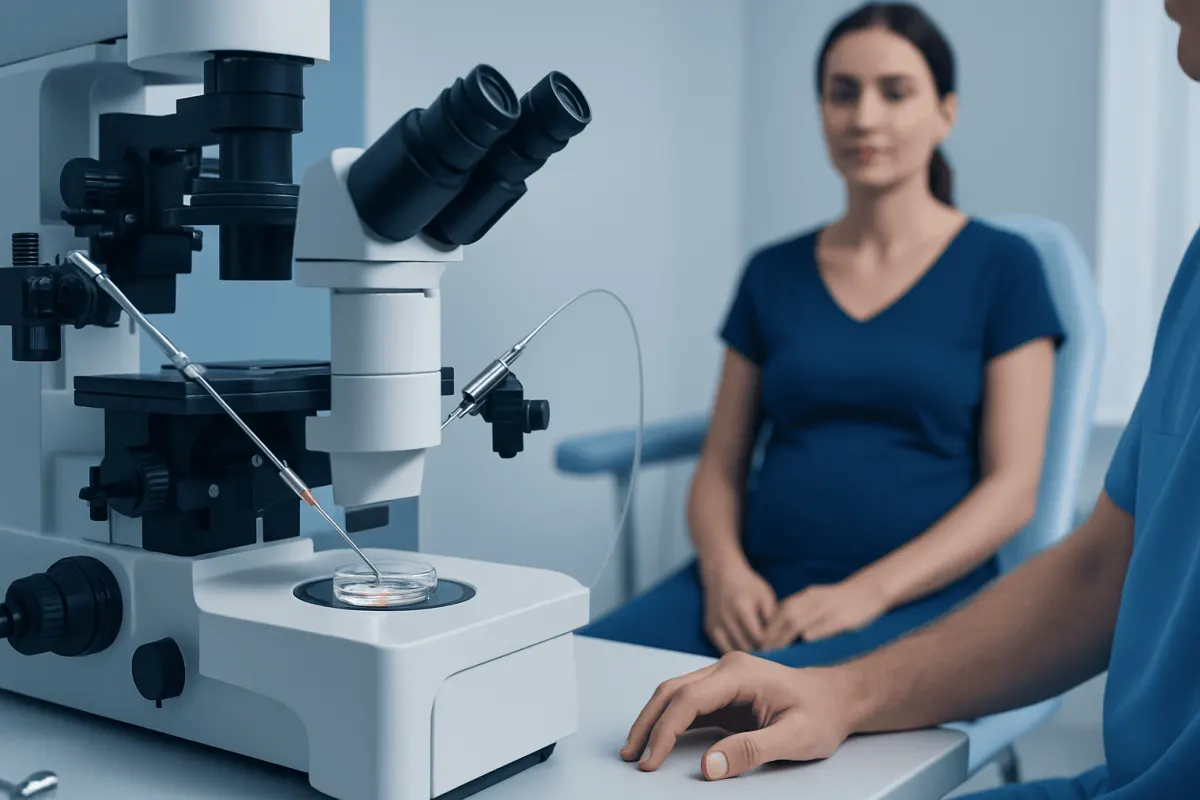
Fresh transfer IVF is an in vitro fertilization approach in which an embryo created during the same treatment cycle is transferred to the uterus shortly after egg retrieval. Whether it is appropriate depends on embryo development, hormone levels, uterine lining, symptoms after stimulation, and the individual treatment plan.
Overview: what is fresh transfer IVF?
Fresh transfer IVF is a type of in vitro fertilization in which an embryo is placed into the uterus during the same cycle as ovarian stimulation and egg retrieval. After eggs are collected, they are fertilized in the laboratory. If an embryo develops appropriately and the body is ready for transfer, the fertility team may transfer one embryo a few days later rather than freezing all embryos for a later cycle.
A fresh transfer procedure is usually planned on day 3 or day 5 after fertilization, depending on embryo development and the clinic’s approach. The transfer is not surgery: a clinician guides a soft, thin catheter through the cervix and deposits the embryo in the uterus. The embryo does not “fall out” after transfer, and ordinary gentle movement does not disrupt implantation.
The choice between a fresh transfer and freezing embryos for later use is individualized. A team considers the risk of ovarian hyperstimulation syndrome, hormone levels, the appearance of the uterine lining, embryo development, genetic testing plans, and the patient’s overall health. A fresh transfer may be cancelled or postponed when a frozen transfer is expected to offer a safer or more suitable path.
Who may be a candidate for a fresh embryo transfer?
A person may be considered for fresh embryo transfer when ovarian stimulation has progressed safely, at least one embryo is available, and the uterine lining and hormone environment appear supportive. It can be an option for people undergoing IVF because of blocked fallopian tubes, ovulation problems, endometriosis, male-factor infertility, unexplained infertility, or other causes of difficulty conceiving.
Fresh transfer after egg retrieval may not be advised if there is a meaningful concern for ovarian hyperstimulation syndrome (OHSS), particularly when many follicles develop or hormone levels are high. It may also be deferred when progesterone rises earlier than expected, the uterine lining is not optimal, there is significant illness, or embryos are being tested genetically. In these situations, embryos can often be frozen for a later transfer cycle.
Age, ovarian reserve, previous IVF outcomes, sperm and egg factors, embryo quality, uterine conditions, and medical history all influence candidacy. For people with concerns affecting the uterus, such as fibroids or endometriosis, the fertility specialist may recommend further assessment and treatment planning before transfer. The decision should be made with a reproductive medicine team that can explain the likely benefits and limitations in the individual situation.
Fresh IVF transfer protocol: step by step

The fresh IVF transfer protocol begins with ovarian stimulation. Injectable fertility medicines encourage multiple eggs to mature, while ultrasound scans and blood tests help the care team monitor follicle growth and hormone levels. When the follicles are ready, a trigger medicine supports final egg maturation, and egg retrieval is scheduled approximately 34 to 36 hours later.
Egg retrieval is commonly performed with sedation or anesthesia. Using ultrasound guidance, the clinician collects eggs from the ovaries through the vagina. The laboratory then fertilizes mature eggs using conventional IVF or intracytoplasmic sperm injection when indicated. Embryologists observe fertilization and early embryo development over the next several days.
If a transfer remains appropriate, the clinician selects an embryo for transfer, often at the cleavage stage on day 3 or blastocyst stage on day 5. During the fresh transfer procedure, a speculum is placed gently in the vagina, and a soft catheter is passed through the cervix under ultrasound guidance. The embryo is released into the uterine cavity. The process commonly takes only a few minutes and may cause mild cramping or no discomfort.
After transfer, progesterone support is usually prescribed to help prepare and maintain the uterine lining. It is important to use it exactly as directed and not to stop it because of bleeding, cramps, or a home pregnancy test unless the fertility team advises otherwise. For a broader overview of assisted conception pathways, patients can explore IVF treatment.
What to expect after IVF fresh transfer?
After an IVF fresh transfer, most people can go home shortly after the procedure and return to many normal daily activities. Resting briefly may feel comforting, but prolonged bed rest has not been shown to improve implantation. Gentle walking, routine work that is not physically strenuous, bathing or showering, and normal meals are generally acceptable unless the care team gives different instructions.
Light spotting, mild pelvic cramping, breast tenderness, fatigue, bloating, constipation, or vaginal discharge can occur after transfer. Some symptoms may relate to progesterone medication or recovery from egg retrieval rather than pregnancy. Symptoms cannot reliably tell whether implantation has occurred, and the absence of symptoms does not mean that the transfer was unsuccessful.
Many teams advise avoiding high-impact exercise, heavy lifting, overheating, smoking, alcohol, and recreational drugs during the waiting period. Sexual activity guidance varies, especially if the ovaries remain enlarged after stimulation, so patients should follow their clinic’s instructions. Continue prescribed medicines and ask the fertility team before starting any new medication, supplement, or herbal product.
Recovery from egg retrieval may take several days. Abdominal fullness may be more noticeable when several eggs were collected. Keeping hydrated, eating regular meals, and contacting the clinic about worsening symptoms can support a safer recovery.
How successful is fresh embryo transfer?
A fresh transfer IVF success rate cannot be represented by one number because outcomes differ widely. The most meaningful measures are clinical pregnancy and live birth, rather than a positive test alone. Success is influenced by the age of the person providing the eggs, embryo development and chromosome status, sperm factors, the uterus and endometrium, underlying fertility diagnosis, laboratory practices, and whether one or more embryos are transferred.
In general, embryos made from younger eggs have a higher chance of implantation and live birth than embryos made from older eggs, although successful outcomes are possible across age groups. A good-quality embryo improves the likelihood of pregnancy, but embryo grading is not a guarantee. Likewise, a receptive uterine lining is important, yet no single scan or blood result can predict the outcome with certainty.
Fresh and frozen transfer results may be similar for many patients, while one strategy may be preferred in specific circumstances. Frozen transfer can provide time for the body to recover from stimulation and may be recommended when hormone conditions are less favorable for a fresh cycle. The fertility team can discuss clinic-specific outcomes using comparable measures, especially live birth rates for people with similar treatment characteristics.
To reduce the risks of multiple pregnancy, many patients are advised to have a single embryo transferred. This approach may still offer a strong chance of success while lowering risks associated with twins or higher-order multiple pregnancies.
How long after an IVF transfer do you know it worked?
The most reliable early answer comes from a blood test that measures human chorionic gonadotropin (hCG), the pregnancy hormone. Clinics commonly arrange this test around 9 to 14 days after embryo transfer, although the exact timing depends on whether the embryo was transferred on day 3 or day 5 and on the clinic protocol. Testing too early can give unclear or misleading results.
Home urine tests may be tempting, but they may be falsely positive if hCG trigger medicine remains in the body or falsely negative if taken before hormone levels rise enough. A fertility clinic may repeat the blood test about 48 hours later to assess whether hCG is rising in an expected pattern. A rising result is encouraging but cannot by itself confirm the location or viability of a pregnancy.
An ultrasound is usually scheduled later, often several weeks after transfer, to confirm that the pregnancy is in the uterus and to look for early development. Until the clinic confirms results, progesterone and other prescribed support medicines should generally continue. A negative test can be emotionally difficult, and the team can review the cycle and discuss whether embryos are available for a future transfer.
Is IVF more successful with fresh or frozen eggs?
This question involves two related but different comparisons: fresh versus frozen embryo transfer, and fresh versus frozen eggs. In IVF, eggs are usually collected fresh and fertilized soon after retrieval. The resulting embryos may then be transferred fresh or frozen for later use. Eggs themselves can also be frozen before fertilization, but this is a separate decision from whether an embryo transfer is fresh or frozen.
Neither fresh nor frozen embryo transfer is universally more successful. For some people, a fresh transfer is a practical and appropriate option when the uterine environment and recovery after stimulation are favorable. For others, freezing all suitable embryos and transferring one in a later cycle may be safer or may better align the endometrium with embryo development.
Modern egg freezing can allow mature eggs to be stored for later fertilization, but outcomes depend largely on age at egg freezing, the number of mature eggs stored, laboratory methods, and individual reproductive factors. A specialist can explain how these choices apply to fertility preservation, donor eggs, or planned future pregnancy. Decisions should focus on safety, medical suitability, and realistic expectations rather than assuming one method is always superior.
Risks, self-care, and when to seek medical care
Embryo transfer is usually low risk, but IVF as a whole can involve side effects and complications. Mild discomfort, spotting, medication effects, and enlarged ovaries after stimulation are relatively common. Less commonly, OHSS can develop, causing significant abdominal swelling or pain, nausea and vomiting, reduced urination, shortness of breath, or rapid weight gain. Pregnancy-related risks can include ectopic pregnancy, miscarriage, and, when more than one embryo implants, multiple pregnancy.
Patients should contact their fertility clinic promptly for increasing abdominal pain or swelling, persistent vomiting, heavy vaginal bleeding, fever, painful urination, or concerns about medication. Urgent medical care is needed for chest pain, breathing difficulty, fainting, severe one-sided pelvic pain, confusion, or markedly reduced urine output. These symptoms do not always indicate a serious problem, but timely assessment is important.
Emotional wellbeing also matters during the waiting period and after results. It can help to identify supportive people, limit unhelpful online comparisons, and ask the clinic about counseling or support resources. At Acıbadem Health Point, multidisciplinary fertility specialists in JCI-accredited hospitals assess and treat international patients with individualized reproductive care plans.
Frequently asked questions
01Does a fresh embryo transfer hurt?
Most people find embryo transfer uncomfortable at most, rather than painful. A speculum and a thin catheter are used, which can cause pressure or mild cramping. Anesthesia is not usually needed for the transfer itself.
02Can someone exercise after a fresh embryo transfer?
Gentle movement, such as walking, is commonly acceptable after transfer. High-impact exercise, strenuous workouts, and heavy lifting may be discouraged, especially while the ovaries are enlarged after egg retrieval. The fertility clinic’s specific instructions should guide activity levels.
03Can bleeding after a fresh transfer mean pregnancy?
Light spotting can occur after embryo transfer and may be related to the cervix, hormonal medicines, or early pregnancy changes. It cannot confirm implantation or predict the outcome. Heavy bleeding, severe pain, or worsening symptoms should be reported to the fertility team.
04Why might a planned fresh transfer be cancelled?
A clinic may recommend freezing embryos instead if there is concern about OHSS, high hormone levels, an unsuitable uterine lining, illness, or another factor that could affect safety or implantation. This does not necessarily mean the embryos are poor quality. It may allow transfer in a more suitable later cycle.
05Can an embryo fall out after transfer?
No. Once the embryo has been placed in the uterine cavity, it does not fall out when a person stands, walks, coughs, or uses the bathroom. Normal gentle daily activity does not dislodge the embryo.
06When can a pregnancy test be taken after a fresh IVF transfer?
The clinic will provide the appropriate test date, often around 9 to 14 days after transfer. Testing earlier may produce an inaccurate result, particularly if trigger medication containing hCG was used. A blood test arranged by the clinic is the most reliable early assessment.
This article is for general information only and is not a substitute for professional medical advice. Please consult a qualified doctor about your individual situation.
IVF & fertility treatment in Turkey — success rates and costs
JCI-accredited · board-certified surgeons · reply within 24h
Add us as a Preferred Source to see more of our trusted health content across Google Search, AI Overviews and Discover.