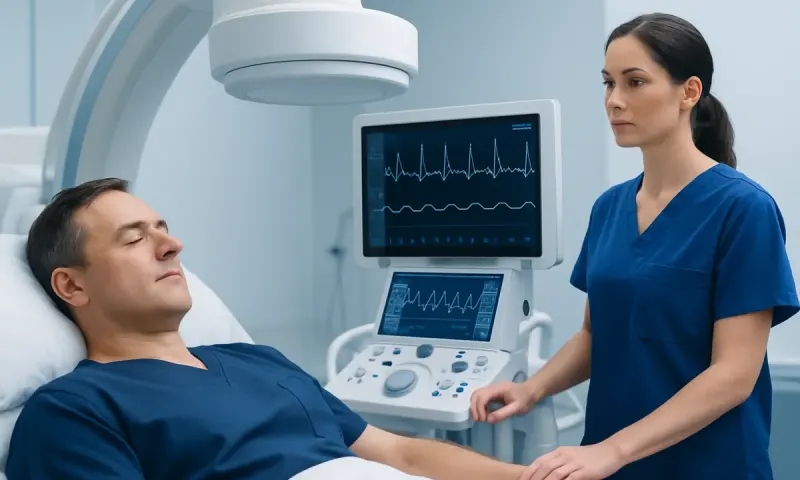
Freeze Fat Treatment: Recovery and Expected Results
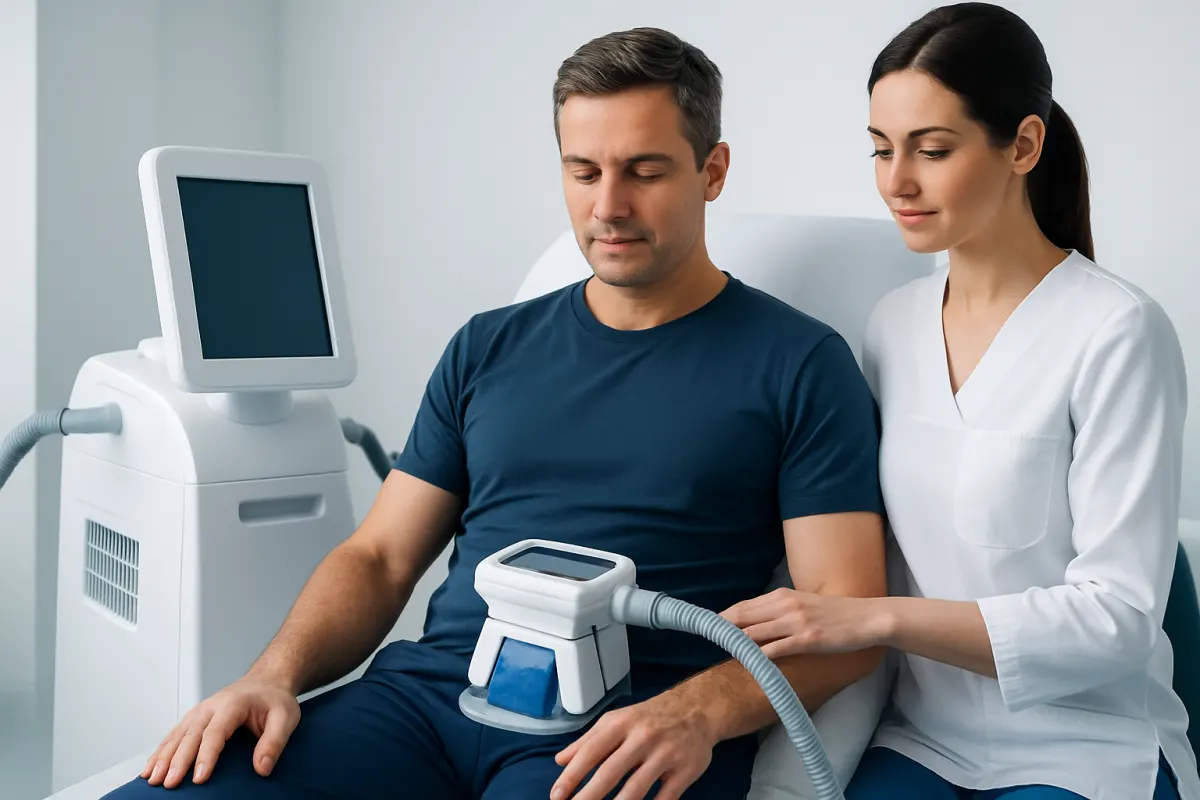
Freeze fat, also called cryolipolysis, is a non-surgical body-contouring treatment that uses controlled cooling to reduce small, stubborn pockets of fat. It is not a weight-loss procedure, and results develop gradually as the body clears treated fat cells over the following weeks to months.
Freeze Fat: What the Procedure Does
Freeze fat is a commonly used term for cryolipolysis, a non-surgical procedure designed to reduce localized areas of subcutaneous fat, the layer of fat just beneath the skin. During treatment, a device delivers carefully controlled cooling to an area such as the abdomen, flanks, thighs, upper arms, back, under the chin or beneath the buttocks. Fat cells are more sensitive to cooling than surrounding skin and many other tissues, so the process can damage a proportion of targeted fat cells without surgery.
The body then gradually processes and removes the affected fat cells through normal metabolic and lymphatic pathways. Freeze fat is intended for body contouring in people who are close to a stable, healthy-for-them weight but have specific fat bulges that do not respond as expected to diet and activity. It does not treat obesity, improve general health on its own, or replace nutrition, exercise or medically supervised weight management.
CoolSculpting is one brand name associated with cryolipolysis. Different devices and approaches may be available, so people considering treatment should ask what technology is being used, who will perform it, and whether the provider has assessed the area in person.
Who May Be Suitable for Fat Freezing?
The best candidates usually have visible, pinchable fat in a defined area and realistic expectations about modest contour changes. Skin quality also matters. Freeze fat does not tighten loose skin, so people with substantial skin laxity may not see the smooth result they expect. A clinician can examine the area and discuss whether another option, such as weight management, surgery or a different body-contouring approach, may better match the person’s goal.
A medical assessment is important before treatment. Cryolipolysis may not be appropriate for people with conditions triggered or worsened by cold, including cryoglobulinemia, cold agglutinin disease or paroxysmal cold hemoglobinuria. Caution may also be needed with impaired sensation, significant skin conditions in the treatment area, a hernia near the intended site, recent surgery, pregnancy, or certain medical implants.
People should share their full medical history, medicines and prior procedures with the treating clinician. Weight changes, smoking, skin healing concerns and previous contouring treatments can influence planning and expected results.
What Happens During a Freeze Fat Procedure?
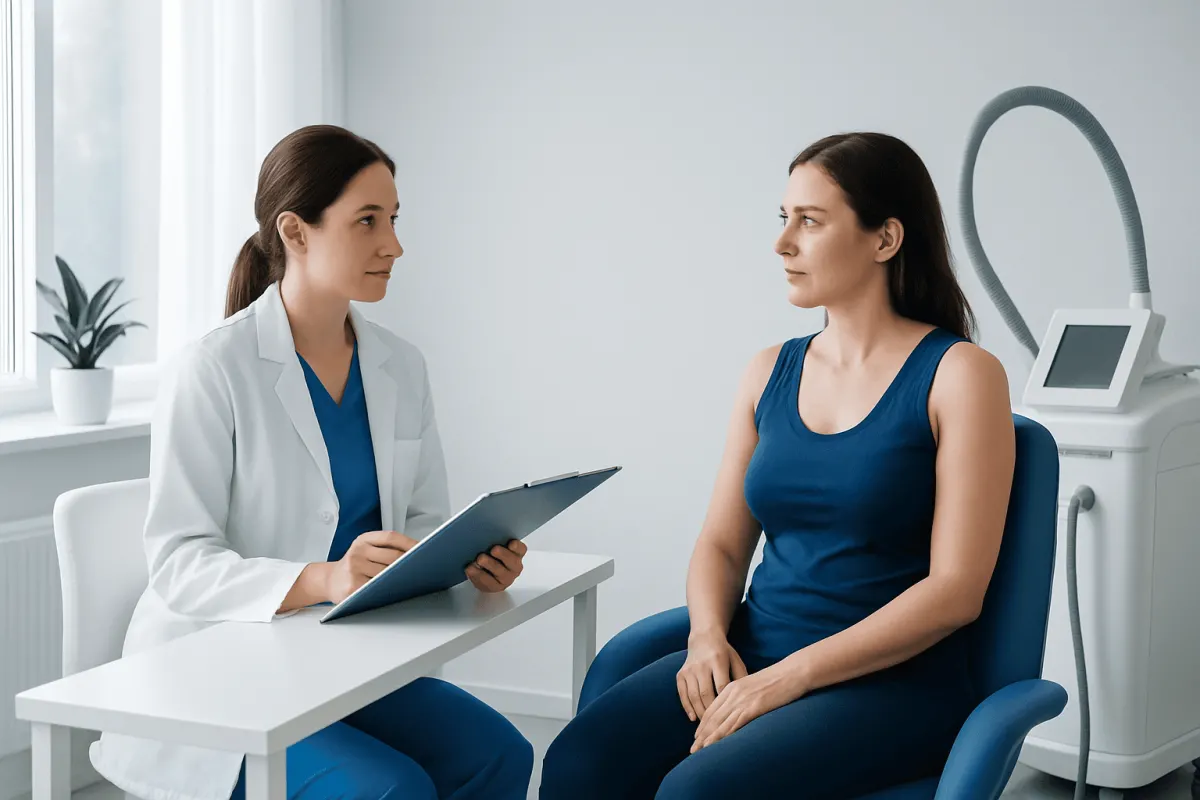
Before treatment, the clinician identifies the area to be treated, takes measurements or photographs when appropriate, and selects an applicator. Depending on the device and body area, the applicator may use gentle suction to draw the tissue between cooling panels or may sit against the skin. A protective gel pad or membrane is generally placed on the skin first.
The area may feel intensely cold, pulling, pressure, tingling or cramping at the beginning. These sensations often lessen as the area becomes numb. Treatment duration varies by device, applicator and body area. Some plans involve more than one applicator or more than one session, particularly when several areas are being addressed.
Once the applicator is removed, the skin can look raised, firm, red or temporarily misshapen. The clinician may massage the area, depending on the device protocol. Most people can return to normal daily activities soon afterward, although the treated area may remain sensitive for a time.
Recovery and Results After Fat Freezing
Recovery after freeze fat is generally brief because there are no surgical incisions or general anesthesia. Common short-term effects include redness, swelling, bruising, firmness, itching, tingling, cramping, numbness and tenderness. These effects commonly improve over days to weeks, but altered sensation can occasionally last longer.
Results are not immediate. The body needs time to break down and clear the injured fat cells, so early changes may be subtle. Many people begin to notice a difference after several weeks, with fuller results often assessed around two to three months. Some people may continue to see change for longer, and some may need additional treatment to reach an agreed contour goal.
Fat cells removed through cryolipolysis do not regenerate. However, remaining fat cells can enlarge if a person gains weight. Maintaining a stable weight through balanced eating, regular physical activity, sleep and other sustainable habits is the most reliable way to preserve the overall contour achieved.
What Are the Downsides of Fat Freezing?
The main drawback of fat freezing is that results are gradual and may be modest rather than dramatic. It is not a method for rapid weight loss, and it cannot reliably produce the same degree of change as liposuction. Response also varies between individuals and body areas, so no provider can promise a particular contour outcome.
Temporary side effects are common and can be uncomfortable. These include bruising, swelling, pain, numbness, sensitivity, itching and skin color changes. Less commonly, prolonged pain or numbness can occur. Rarely, a complication called paradoxical adipose hyperplasia may develop, in which the treated fat area becomes larger, firmer and more clearly defined instead of shrinking. This usually requires assessment and may need surgical treatment.
Uneven contour, asymmetry or dissatisfaction with the appearance are also possible. Choosing an appropriately trained clinician, having a careful assessment and discussing realistic expectations can reduce avoidable risks, but cannot remove all uncertainty.
Why Is CoolSculpting Not Popular Anymore?
CoolSculpting remains a recognized brand of cryolipolysis, but public interest and provider preferences can change over time. Some people have become more cautious because of reports of side effects, including paradoxical adipose hyperplasia, and because social media has increased awareness of variable outcomes. Consumer expectations have also shifted toward treatments that offer faster results, greater fat reduction, or skin tightening at the same time.
This does not mean cryolipolysis is automatically unsafe or unsuitable. It means that it should be approached as a medical aesthetic procedure with benefits, limitations and potential complications. Device choice, treatment technique, patient selection and informed consent are all important.
A consultation should focus on the person’s anatomy and goals rather than on a brand name alone. A clinician can explain whether non-surgical contouring is reasonable or whether another approach would be more appropriate.
Where Do Dead Fat Cells Go After CoolSculpting?
After cooling injury, the targeted fat cells undergo a gradual process of cell death and inflammation. The immune system helps break down cellular material, and the body processes it through normal pathways over time. This is not the same as fat being suddenly “melted” or released into the bloodstream in a way that overwhelms the liver.
The process is slow, which is one reason visible results take weeks or months. Research and clinical experience have not shown that properly performed cryolipolysis causes meaningful harmful changes in blood fat levels in healthy, suitable candidates. However, people with liver disease, metabolic conditions or other significant health concerns should discuss their individual situation with a doctor before any cosmetic procedure.
The treatment reduces cells only in the selected area. It does not remove visceral fat, the fat stored around internal organs, and it should not be considered a treatment for metabolic disease.
Do and Don'ts After Fat Freezing
Most people can resume everyday routines after fat freezing. Gentle movement, drinking enough water, regular meals and normal physical activity as tolerated can support general wellbeing during recovery. Follow the clinic’s specific aftercare advice, particularly if there is marked tenderness, bruising or numbness. A clinician may advise simple comfort measures if needed.
Do monitor the area, keep follow-up appointments, maintain stable lifestyle habits and contact the treating team if symptoms feel unusual or worsen. Do not massage, use heat, wear restrictive garments or take medicines solely to speed results unless the clinician has recommended this. Avoid judging the final outcome too early, as swelling and the gradual clearance process can affect the appearance at first.
It is sensible to avoid additional cosmetic treatments on the same area until the provider confirms that healing is complete. People should also avoid assuming that freeze fat allows unrestricted eating or replaces exercise; weight gain can change the result.
When to Seek Medical Care
Contact the treating clinic or a healthcare professional promptly if there is severe or worsening pain, extensive blistering, persistent skin discoloration, signs of infection, or a reaction that does not seem to improve. New marked swelling, a hard enlarging bulge in the treated area, or symptoms that continue longer than expected should also be assessed.
Urgent medical care is appropriate for symptoms that may indicate a serious general reaction, such as difficulty breathing, facial swelling, fainting or chest pain, although these are not typical effects of cryolipolysis. For routine concerns, a qualified clinician can help distinguish expected recovery effects from a complication.
Acıbadem Health Point’s multidisciplinary specialists and JCI-accredited hospitals can assess body-contouring concerns and discuss appropriate treatment options for international patients.
Frequently asked questions
01Is freeze fat a weight-loss treatment?
No. Freeze fat is designed to reduce small, localized deposits of subcutaneous fat and improve contour in selected areas. It does not treat obesity or produce the health benefits associated with sustained weight loss.
02How long do freeze fat results last?
The fat cells affected by treatment are gradually cleared and do not return. However, untreated fat cells can enlarge with weight gain, so maintaining a stable weight is important for preserving the result.
03Does fat freezing hurt?
People commonly feel cold, pulling, pressure, tingling or cramping when the applicator is first applied. The area often becomes numb during treatment, but tenderness, numbness or bruising can occur afterward.
04Can fat freezing cause a larger fat bulge?
Rarely, paradoxical adipose hyperplasia can cause treated fat to become larger and firmer rather than smaller. It should be assessed by an experienced clinician, as additional treatment, including surgery, may be considered.
05How soon can a person exercise after fat freezing?
Many people can return to routine activity, including light exercise, soon after treatment if they feel comfortable. The treating clinician may give different advice based on the body area treated, symptoms and medical history.
06Who should avoid fat freezing?
People with certain cold-related blood disorders, significant cold sensitivity or some skin and medical conditions may not be suitable. A clinician should review medical history, medications and the treatment area before proceeding.
This article is for general information only and is not a substitute for professional medical advice. Please consult a qualified doctor about your individual situation.
Medical weight-loss options in Turkey — costs & eligibility
JCI-accredited · board-certified surgeons · reply within 24h
Add us as a Preferred Source to see more of our trusted health content across Google Search, AI Overviews and Discover.