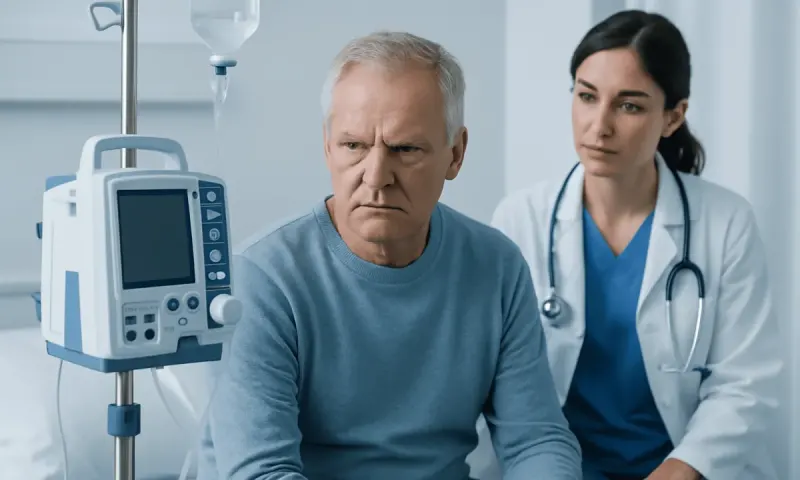
Free Online Dementia Tests: Can They Diagnose Dementia?
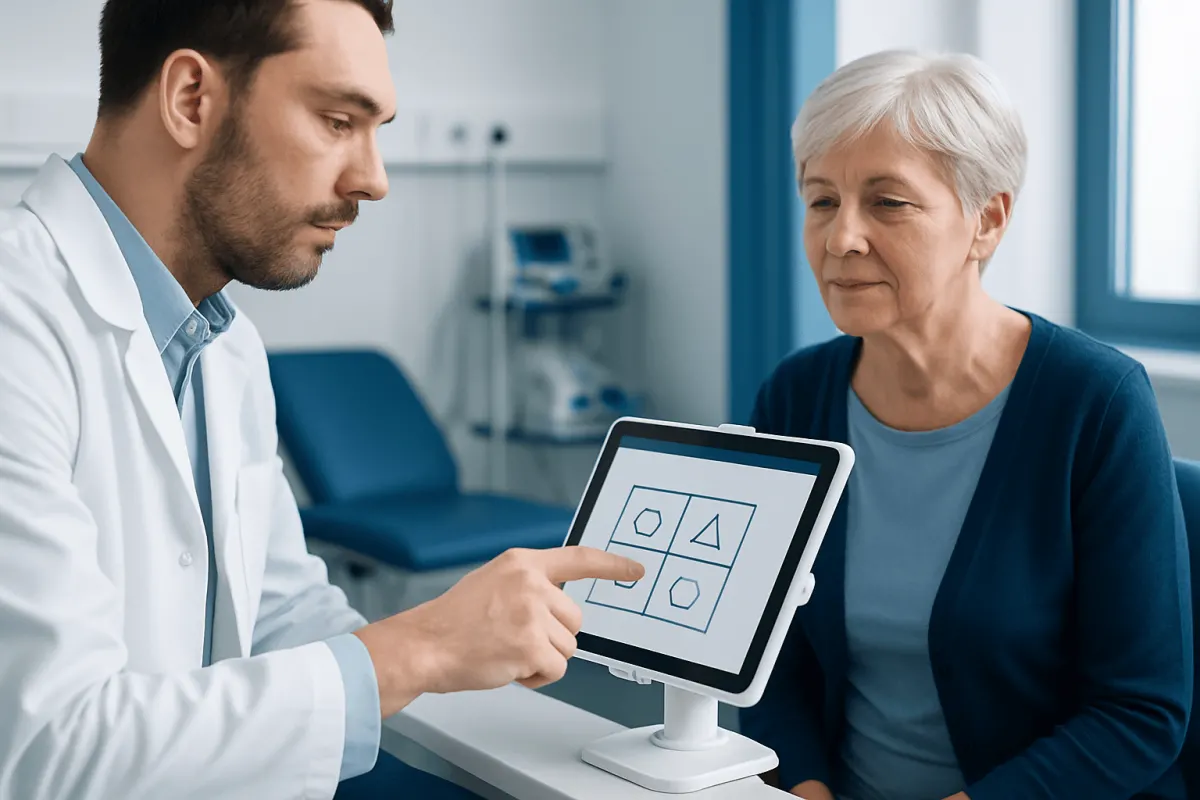
Online dementia tests free may provide an immediate score and can help a person notice possible changes in memory or thinking. However, no online test can confirm or rule out dementia; concerning results should be discussed with a qualified healthcare professional.
Overview: What Free Online Dementia Tests Can and Cannot Do
Online dementia tests free of charge are usually short questionnaires or thinking tasks that assess areas such as memory, attention, orientation, language, planning and problem-solving. Many provide a score immediately after completion. These tools may be useful as a starting point for a conversation about memory changes, but they are not designed to diagnose dementia.
Dementia is a broad term for ongoing cognitive decline that interferes with everyday independence. Its causes can include Alzheimer’s disease, vascular changes, Lewy body disease and other neurological conditions. Memory difficulties can also occur for reasons that may be treatable, including depression, sleep problems, medication effects, thyroid disorders, vitamin deficiencies, infections or hearing loss.
An online dementia screening test cannot account fully for a person’s health history, culture, language, education, sensory needs or current wellbeing. Results should therefore be interpreted cautiously. A low score does not prove dementia, and a reassuring score does not replace medical advice when symptoms are persistent or progressing.
Is There a Free Online Dementia Test That Shows Results?
Yes. Some websites offer an online dementia test for free and display a result or score after the questions are completed. These may be adapted from cognitive screening questionnaires or may be educational tools created for the public. The result may indicate whether further assessment could be helpful, but it should not be treated as a diagnosis.
For a result to be meaningful, the test should be completed in a quiet setting, without help from another person and while using any usual glasses or hearing aids. Even then, performance may be affected by anxiety, pain, poor sleep, unfamiliar technology, limited English proficiency, vision or hearing difficulties, or a lack of comfort with timed tasks.
People should be cautious about websites that make definite diagnostic claims, request unnecessary personal information, or suggest that one score alone confirms a disease. A more appropriate use of online dementia test questions is to identify concerns to discuss with a doctor, particularly if everyday activities are becoming harder.
What Is the 12 Question Test for Dementia?

The phrase “12 question test for dementia” can refer to several brief questionnaires, rather than one single universal test. Often, it describes an informant-based checklist in which a relative, friend or caregiver reports whether a person’s memory, judgment, ability to manage tasks or behavior has changed over time.
Informant questionnaires can be helpful because dementia may affect insight: a person may not notice all of their own difficulties. They also focus on change from a previous level of functioning, which is important in a dementia assessment. However, a family member’s observations can be influenced by stress, limited contact, relationship dynamics or incomplete knowledge of the person’s day-to-day abilities.
Clinicians may use a short questionnaire alongside a direct cognitive assessment, medical history and examination. A 12-item screening form is not enough on its own to identify the cause of cognitive changes. It may help guide whether a more detailed assessment is appropriate.
What Is the 30-Question Test Used for in Diagnosing Dementia?
A “30-question test” often refers to a 30-point cognitive screening assessment, such as the Mini-Mental State Examination, commonly called the MMSE. It includes tasks that may assess orientation to time and place, attention, recall, language and the ability to follow instructions. It is usually administered by a trained healthcare professional rather than relied upon as an unsupervised online test.
These assessments are used to screen for cognitive impairment, establish a baseline and monitor change over time. They can support clinical decision-making, but they do not diagnose dementia by themselves. Scores are interpreted in context because they may be affected by a person’s education, language, culture, visual or hearing impairment, neurological condition and emotional state.
Doctors may choose different tools depending on the situation. More detailed neuropsychological testing can assess several cognitive domains and help clarify the pattern of strengths and difficulties. This can be particularly useful when symptoms are mild, complex or inconsistent with a brief screening result.
Is There a Reliable Online Test for Dementia?
There is no online test that is reliable enough to diagnose dementia independently. Some digital tools use questions based on established cognitive screening methods and may provide a reasonable prompt for further evaluation. However, reliability is limited when testing is self-administered, completed in an uncontrolled environment or used without professional interpretation.
A reliable medical assessment considers more than memory test performance. It reviews when symptoms began, whether they are changing, how they affect daily activities, medical conditions, medications, mood, sleep, alcohol or substance use, and information from someone who knows the person well. This broader approach helps distinguish dementia from other causes of cognitive symptoms.
Online screening may be most useful when it encourages timely care rather than reassurance or worry based on a number. Anyone with ongoing concerns should arrange an appointment with a doctor, even if an online score appears normal. Likewise, an unusual score should be confirmed through an in-person or professionally supervised assessment.
How Dementia Is Evaluated in Clinical Care
Clinical evaluation begins with a careful conversation about symptoms and daily functioning. A doctor may ask about forgetting appointments, repeating questions, getting lost, difficulty managing finances or medication, problems finding words, changes in judgment, or shifts in behavior and personality. Input from a family member or trusted person may be valuable with the patient’s permission.
The assessment may include a physical and neurological examination, a validated cognitive test and tests for conditions that can contribute to cognitive symptoms. Blood tests may look for issues such as thyroid dysfunction, vitamin deficiencies, infection or metabolic imbalance. Brain imaging may be recommended in selected cases to look for stroke-related changes, tumors, fluid buildup or other structural causes.
Finding the cause matters because care plans differ. Some causes of cognitive symptoms can improve with treatment, while neurodegenerative conditions benefit from individualized symptom management, safety planning, support for caregivers and discussion of future needs. Evaluation of Alzheimer’s disease and related conditions should be led by an appropriately qualified clinician.
Practical Steps After an Online Screening Result
A person who completes an online dementia screening test can note the result, the date and any questions that felt difficult. It is also helpful to record examples of memory or thinking changes, when they started, how often they occur and whether they affect work, home responsibilities, driving, finances, cooking or medication management.
Supporting brain health includes regular physical activity suited to the individual, adequate sleep, balanced nutrition, social and mental activity, management of blood pressure and diabetes, avoiding tobacco and limiting alcohol. These measures support overall health but do not replace an assessment when symptoms are present.
Family members can offer practical support without taking over unnecessarily. Keeping important appointments, medication lists and emergency contacts organized may reduce stress. Acıbadem Health Point’s multidisciplinary specialists and JCI-accredited hospitals assess and treat neurological conditions for international patients when Stroke Specialist Evaluation: What to Expect at Your First Vascular Neurology Visit" class="ahp-ilk">specialist evaluation is needed.
When to Seek Medical Care
Medical advice is appropriate when memory, thinking, communication or behavior changes persist, become more frequent or begin to affect independence. Examples include repeatedly asking the same questions, missing essential bills or medication, becoming disoriented in familiar places, struggling with familiar tasks, or changes noticed by close family or friends.
Urgent medical assessment is needed for sudden confusion, a rapid change in alertness, new weakness or numbness, facial drooping, speech difficulty, severe headache, seizures, fever with confusion, or a head injury. Sudden cognitive change may be caused by a medical emergency, including stroke or delirium, and should not be managed with an online test.
For gradual symptoms, a primary care doctor, neurologist, geriatrician or memory clinic can advise on next steps. Bringing a trusted relative or friend to the appointment may help provide a clear account of changes and support shared decisions about testing and care.
Frequently asked questions
01Can a free online dementia test diagnose Alzheimer’s disease?
No. A free online dementia test cannot diagnose Alzheimer’s disease or another form of dementia. Diagnosis requires a clinical evaluation that considers symptoms, daily functioning, medical history, cognitive testing and, when appropriate, laboratory tests or brain imaging.
02Should a family member complete online dementia test questions?
A family member may find an informant questionnaire useful because it asks about changes they have observed over time. However, the answers should be discussed with a healthcare professional rather than used to label someone with dementia. Respectful communication and the person’s involvement in decisions are important.
03What can cause a low score on an online cognitive test?
A low score may reflect stress, depression, fatigue, pain, poor sleep, hearing or vision difficulties, language differences, unfamiliar technology or medications. It can also reflect a cognitive condition, which is why a score needs professional interpretation. Repeating tests frequently is not a substitute for an assessment.
04Can dementia symptoms be reversible?
Some causes of memory and thinking problems may improve when the underlying cause is identified and treated, such as medication side effects, sleep disorders, depression, thyroid problems or vitamin deficiencies. Many forms of dementia are progressive, but early assessment can help identify supportive treatments and planning needs. A doctor can help determine the likely cause.
05What should someone bring to a memory assessment?
It can help to bring a list of medications, medical conditions, recent test results and notes about when symptoms began. Examples of specific changes in daily life are useful, as is input from a trusted person who has noticed changes. The person should also bring glasses or hearing aids they normally use.
06How often should someone take an online dementia screening test?
There is no recommended schedule for self-testing online. Repeating a test may increase familiarity with the questions and make scores less informative. Persistent concerns should lead to a healthcare appointment rather than repeated online screening.
This article is for general information only and is not a substitute for professional medical advice. Please consult a qualified doctor about your individual situation.
Explore treatments in Turkey — costs, top hospitals & a free quote
JCI-accredited · board-certified surgeons · reply within 24h
Add us as a Preferred Source to see more of our trusted health content across Google Search, AI Overviews and Discover.