Free Mental Health Tests: What Screening Can Show
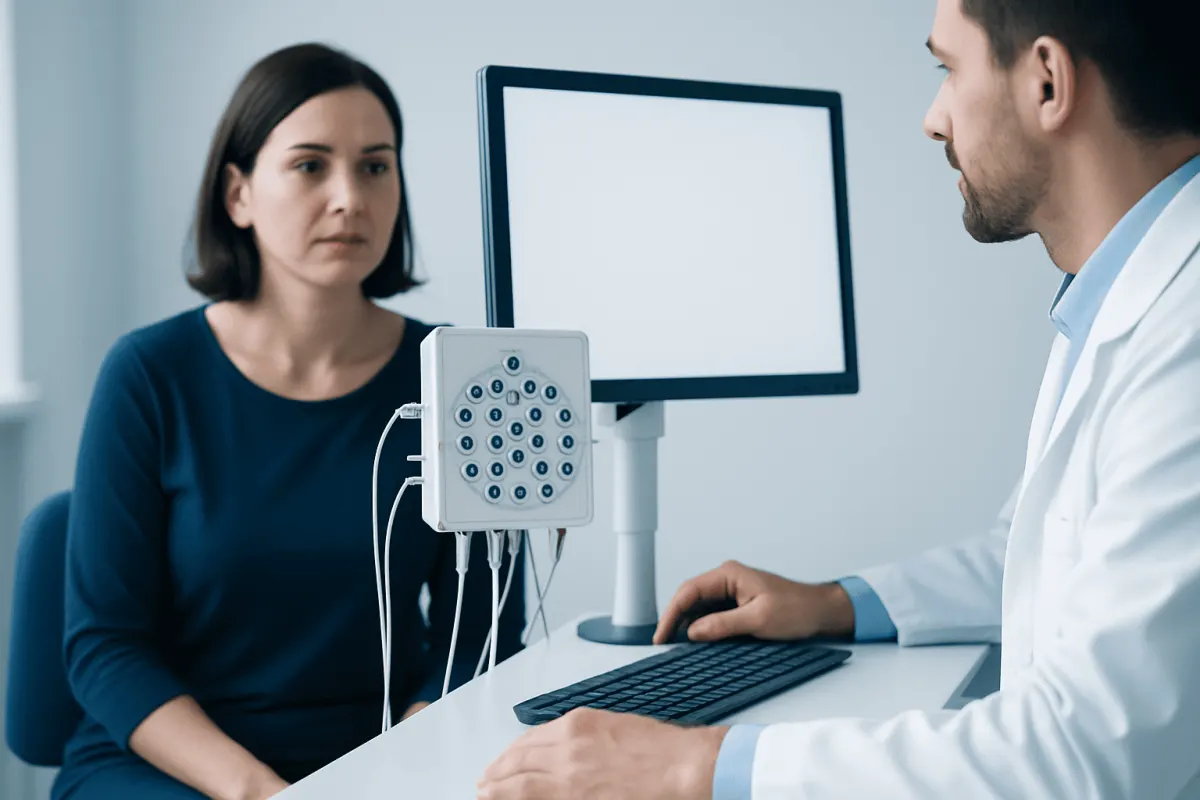
A free mental disorders test is usually an online symptom screening questionnaire that provides immediate feedback about whether a person may benefit from professional support. It can be a useful first step, but only a qualified mental health professional can diagnose a mental health condition.
Free Mental Disorders Test: What It Can and Cannot Tell You
A free mental disorders test is generally an online questionnaire that asks about mood, thoughts, sleep, anxiety, trauma-related experiences, concentration, substance use, or changes in daily life. Many provide a result immediately, such as a symptom score or a recommendation to consider speaking with a healthcare professional. These tools may help someone put concerns into words and take a practical next step.
However, a screening result is not a diagnosis. Similar symptoms can occur in different conditions, and symptoms may also be related to physical health problems, medication effects, alcohol or drug use, stressful life events, grief, or lack of sleep. A clinician makes a diagnosis by looking at the full pattern of symptoms, their duration, severity, personal history, and impact on work, relationships, school, and self-care.
For the most useful and safe experience, a person should choose a screening tool from a recognized public health organization, medical institution, or established mental health charity. It should state that it is a screening tool, explain how information is handled, and include guidance for urgent support. Results should be viewed as information for a conversation with a professional rather than a label.
How Online Mental Health Screening Usually Works
Most online screenings use a set of validated or adapted questions. A person answers based on a recent period, often the past two weeks or month, and indicates how often certain experiences have occurred. Depending on the tool, questions may cover low mood, loss of interest, panic, worry, intrusive memories, avoidance, changes in energy, unusually elevated mood, eating patterns, or use of alcohol and other substances.
After completion, the tool may calculate a score and place symptoms into broad ranges, such as low, mild, moderate, or high concern. It may suggest monitoring symptoms, making a routine appointment, or seeking prompt assessment. Some tests also ask direct safety questions about self-harm or suicide and direct people to emergency or crisis support when needed.
A person does not need physical recovery time after completing a questionnaire. Still, reflecting on painful experiences can bring up difficult feelings. It can help to take the test in a private, calm setting, pause if it becomes overwhelming, and speak with a trusted person or professional afterward. If an online tool raises immediate safety concerns, it is important to seek urgent local help rather than wait for a later appointment.
Is There a Free Trauma Test That Gives Free Results?
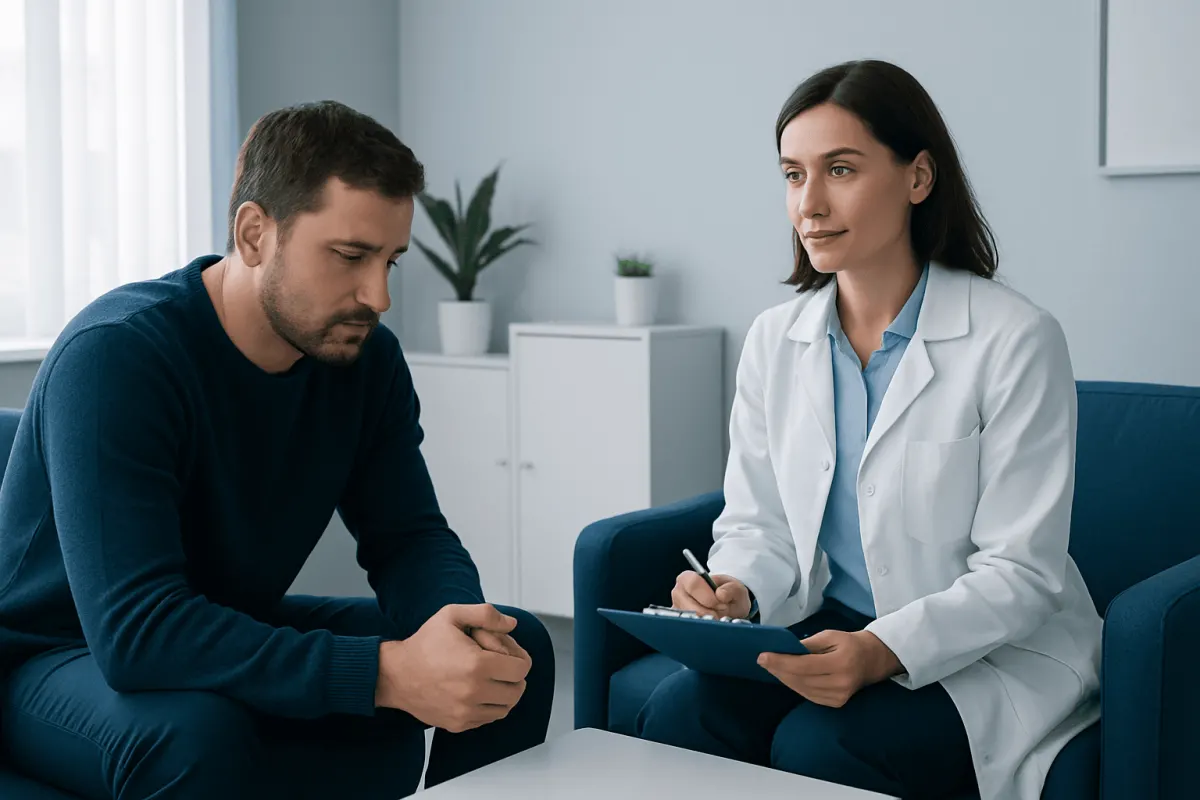
Yes. Some reputable organizations provide free trauma symptom screenings that give results immediately. These questionnaires commonly ask about distressing memories, nightmares, feeling on guard, avoidance of reminders, negative mood changes, and how symptoms affect everyday functioning. They can indicate whether a person’s experiences may be consistent with trauma-related symptoms and whether further assessment would be helpful.
A free trauma test cannot confirm post-traumatic stress disorder (PTSD) or another trauma-related condition. PTSD assessment requires careful clinical evaluation because symptoms can overlap with depression, anxiety, sleep disorders, grief, chronic stress, and other concerns. A clinician will also consider the type of event, symptom duration, safety, and the effect on daily life.
If memories of trauma are causing ongoing distress, avoidance, disrupted sleep, panic, numbness, or difficulty functioning, a person can discuss this with a mental health professional. Evidence-based care may include trauma-focused psychotherapy, and treatment is tailored to the individual’s needs, preferences, and safety.
Where Can I Get a Free Depression Test With Results?
A free depression test with results may be available through public health services, recognized mental health charities, academic medical centers, and some primary care organizations. Many use questions similar to well-known depression screening measures and provide immediate information about the level of symptoms reported. A trustworthy test should clearly explain that its result does not diagnose depression.
Depression screenings typically ask about persistent sadness or emptiness, reduced interest or pleasure, sleep and appetite changes, tiredness, poor concentration, feelings of worthlessness, slowed or restless movement, and thoughts of death or self-harm. Symptoms that last for two weeks or more, recur, or interfere with normal life deserve discussion with a doctor or qualified mental health professional.
A primary care doctor can often provide an initial assessment and check for physical contributors such as thyroid disorders, anemia, chronic pain, sleep problems, or medication side effects. Referral to a psychologist or psychiatrist may be appropriate for a more detailed evaluation, psychotherapy, medication discussions, or complex symptoms.
What Mental Disorder Do I Have Free Results For?
No free online test can reliably tell a person exactly which mental disorder they have. Online results can suggest that reported symptoms resemble patterns seen in depression, anxiety, trauma-related conditions, bipolar spectrum conditions, eating disorders, substance-related concerns, or attention difficulties. Because these experiences often overlap, a score should never be used for self-diagnosis.
For example, poor sleep, irritability, fatigue, and difficulty concentrating can occur with anxiety, depression, trauma, physical illness, medication effects, or prolonged stress. A person may also experience more than one mental health condition at the same time. A comprehensive assessment helps clarify what is happening and identifies the most suitable support.
During an assessment, a clinician may ask when symptoms began, whether they come and go, what makes them better or worse, and how they affect daily activities. They may also review physical health, family history, current medicines, alcohol or drug use, and recent life changes. Honest answers support accurate, respectful care.
What Are the Most Serious Mental Disorders?
Mental disorders are not best ranked by a single measure of seriousness. Any condition can become serious when symptoms are intense, persist without support, impair daily functioning, create safety risks, or occur alongside physical illness or substance use. The most important question is whether a person is struggling, feeling unsafe, or unable to manage important parts of life.
Conditions that may require prompt specialist assessment include severe depression with suicidal thoughts, bipolar disorder with severe mood episodes, psychotic disorders involving hallucinations or strongly held false beliefs, severe eating disorders, substance use disorders, and severe trauma-related symptoms. These conditions are treatable, and early assessment can help reduce distress and improve functioning.
Psychosis, mania, extreme agitation, severe confusion, dramatic changes in behavior, or inability to care for basic needs should be evaluated urgently. Loved ones can help by staying calm, listening without judgment, removing immediate hazards when safe to do so, and contacting local emergency services or an urgent mental health service if there is a danger of harm.
Professional Diagnosis and Treatment Options
A mental health diagnosis is based on a clinical conversation and, when appropriate, structured assessment tools. The professional considers internationally recognized diagnostic criteria alongside the individual’s culture, circumstances, strengths, medical health, and personal goals. Physical examination, laboratory tests, or other investigations may be considered when symptoms could have a medical cause.
Treatment depends on the condition and its severity. Options may include psychological therapies, practical support for sleep and daily routines, family or social support, treatment of coexisting medical conditions, and medication when clinically appropriate. A collaborative care plan should explain expected benefits, possible side effects, alternatives, and how progress will be reviewed.
Acıbadem Health Point’s multidisciplinary specialists and JCI-accredited hospitals can assess and treat mental health concerns for international patients. People who are unsure about screening results can begin by arranging a qualified clinical assessment rather than relying on repeated online tests.
When to Seek Medical Care
A person should arrange a routine medical or mental health appointment when emotional or behavioral symptoms last longer than a couple of weeks, keep returning, or affect sleep, work, school, relationships, eating, or self-care. It is also sensible to seek assessment if friends or family have noticed a marked change in mood, behavior, energy, or thinking.
Urgent help is needed if a person has thoughts of suicide or self-harm, has a plan or intent to harm themselves or someone else, hears or sees things others do not, feels severely confused, is unable to meet basic needs, or is experiencing extreme agitation or risky behavior. They should contact local emergency services, go to the nearest emergency department, or use an available crisis service immediately. They should not remain alone if immediate safety is in question.
While waiting for an appointment, supportive steps can include maintaining regular meals and sleep where possible, avoiding alcohol and recreational drugs, writing down symptoms and questions, and asking a trusted person for support. These measures do not replace professional care, but they can make it easier to describe concerns and stay connected.
Frequently asked questions
01Are free mental disorders tests accurate?
Some free tests use established screening questions and can identify symptoms that may need attention. Their accuracy depends on the quality of the tool and honest responses, but they cannot confirm a diagnosis. A qualified clinician should interpret symptoms in the context of a full assessment.
02Can an online mental health test diagnose depression or anxiety?
No. Online tests can screen for symptoms associated with depression, anxiety, and other conditions, but they do not replace clinical diagnosis. A doctor, psychologist, or psychiatrist can assess symptom patterns, duration, severity, and possible physical or situational causes.
03Is there a free trauma test that gives free results?
Yes, some reputable health organizations offer free trauma symptom questionnaires with immediate results. The result may show whether a person reports symptoms that could warrant further evaluation. It cannot diagnose PTSD or determine the best treatment on its own.
04Where can I get a free depression test with results?
Free depression screenings may be offered by public health organizations, established mental health charities, and medical institutions. A reliable option explains that it is a screening tool and provides clear advice about next steps. If symptoms are severe or include thoughts of self-harm, urgent professional support is more important than completing a test.
05What mental disorder do I have free results for?
A free online questionnaire cannot determine exactly which mental disorder a person has. It may indicate symptom areas, such as depression, anxiety, trauma, or substance use, that could benefit from professional assessment. Many symptoms overlap across conditions and can also have physical health causes.
06What should I do after a high screening score?
A high score is a reason to arrange an appointment with a doctor or qualified mental health professional, especially if symptoms affect daily life. Bringing the result and notes about symptoms can help start the conversation. If there are thoughts of self-harm, suicide, or immediate danger, seek emergency or crisis support right away.
This article is for general information only and is not a substitute for professional medical advice. Please consult a qualified doctor about your individual situation.
Explore treatments in Turkey — costs, top hospitals & a free quote
JCI-accredited · board-certified surgeons · reply within 24h
Add us as a Preferred Source to see more of our trusted health content across Google Search, AI Overviews and Discover.