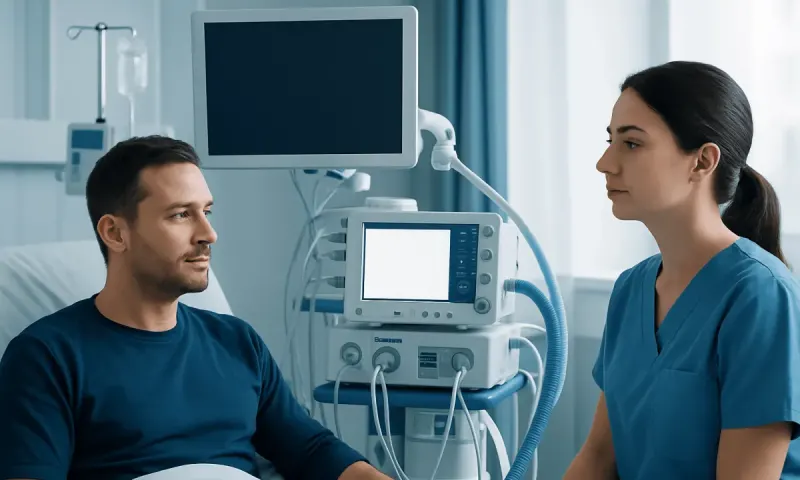
Frailty and Life Expectancy in Older Adults: What Doctors Assess
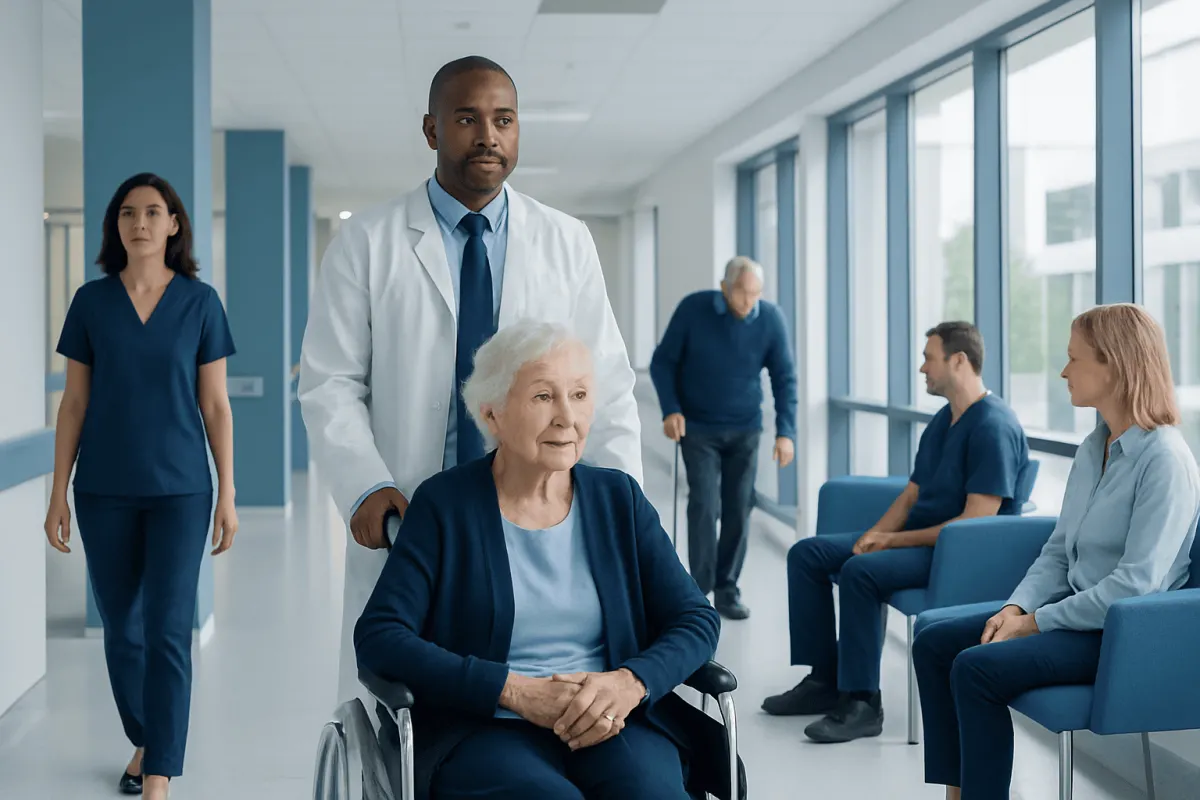
Frailty is a medical syndrome that reflects reduced strength, energy, and resilience in older adults. Doctors assess frailty because it can affect life expectancy, recovery from illness, and day-to-day independence, but it is not the same as inevitable decline.
Overview: What frailty means
Frailty is a clinical state in which the body has less reserve to cope with physical or emotional stress. In practical terms, this means an older adult may recover more slowly after an infection, hospitalization, fall, or operation than someone with greater strength and resilience. Frailty is not simply “getting old,” and it is not a diagnosis based on age alone.
When doctors discuss frailty and life expectancy, they are usually trying to understand overall health risk, not to predict an exact number of years. Frailty can be linked with a higher chance of complications, disability, hospitalization, and mortality, but the outlook varies greatly from person to person. Many people with mild or moderate frailty maintain meaningful routines and quality of life with the right support.
Frailty is best understood as a spectrum. Some people are considered robust, others are prefrail, and some meet criteria for frailty. Identifying frailty early matters because it can influence treatment decisions, rehabilitation planning, home safety, and the need for nutrition or social support.
How frailty can affect life expectancy
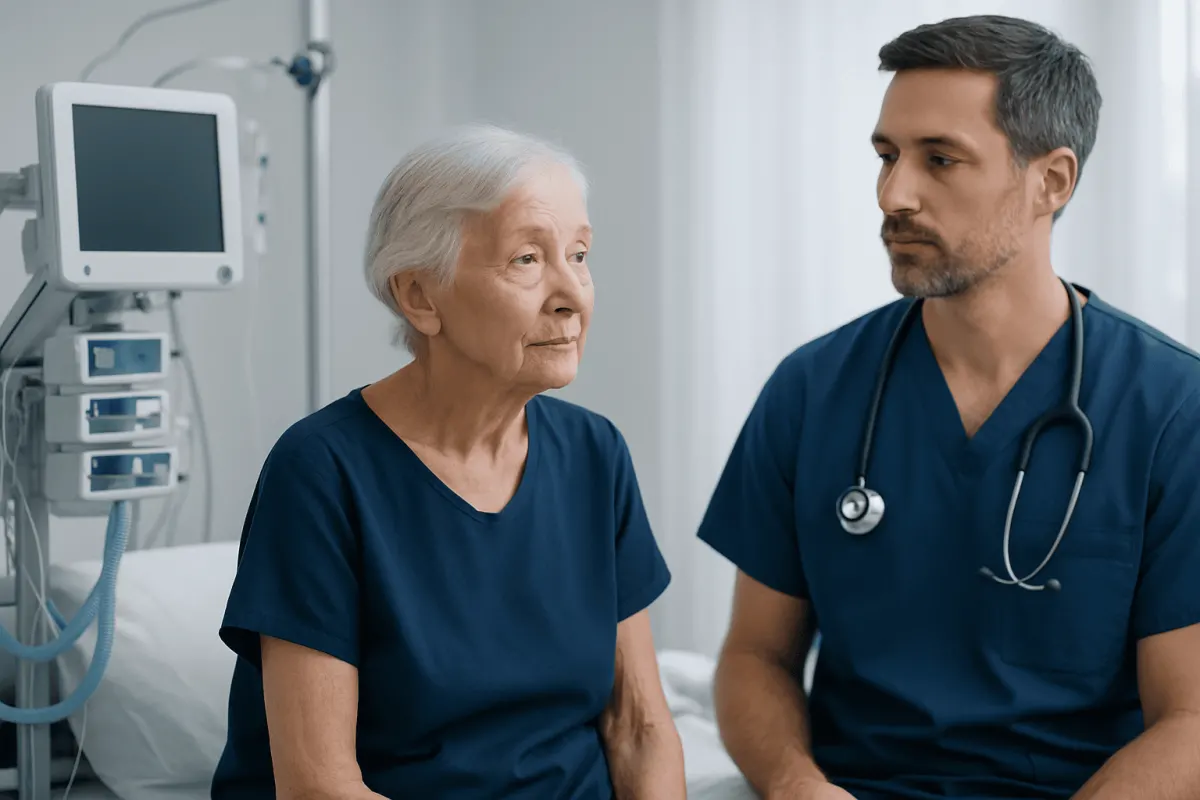
Frailty may affect life expectancy because it reflects how well multiple body systems work together under stress. A person with frailty may have less muscle strength, poorer balance, lower energy, unintentional weight loss, or slower walking speed. These changes can make serious illness harder to overcome and can increase the likelihood of complications.
Even so, frailty is only one part of the picture. Doctors also consider chronic diseases, cognitive health, mood, medications, social support, nutrition, and how independently a person manages daily life. Two people of the same age can have very different health trajectories depending on these factors.
Importantly, frailty does not automatically mean a short life expectancy. It is more accurate to say that frailty raises vulnerability. Some causes of declining function are treatable, and targeted interventions may help improve strength, reduce falls, and support independence. For this reason, frailty assessment is often used to guide care in a thoughtful and individualized way rather than to define a person’s future.
What doctors assess when evaluating frailty
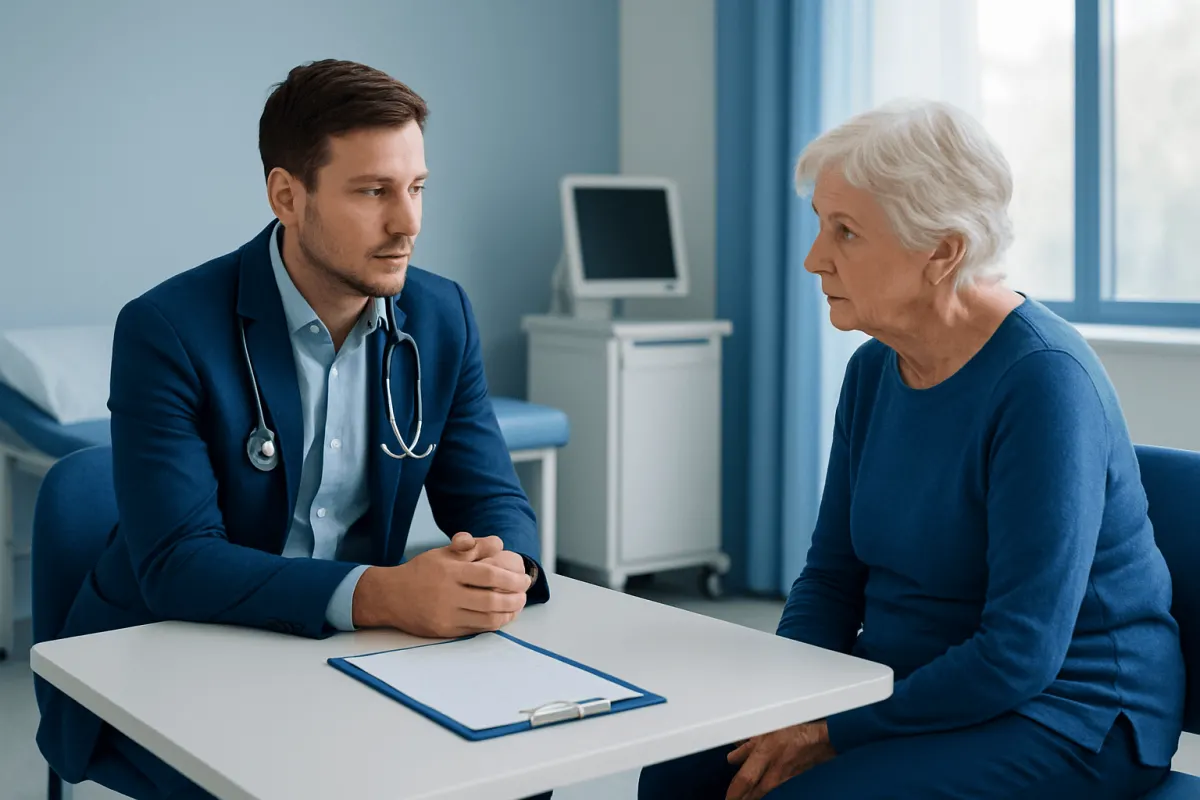
Doctors use a combination of observation, questionnaires, physical tests, and medical history to assess frailty. There is no single test that captures the whole picture. Instead, clinicians look for patterns that suggest reduced physiologic reserve and increased vulnerability.
Common areas of assessment include:
- Walking speed and overall mobility
- Grip strength or general muscle strength
- Unintentional weight loss
- Fatigue or low endurance
- Balance and fall history
- Ability to perform daily activities such as bathing, dressing, shopping, and cooking
- Memory, attention, and decision-making
- Mood, especially depression or social withdrawal
- Nutrition and swallowing problems
- Hearing, vision, and pain that may affect function
Doctors may also use formal tools such as a frailty phenotype, Clinical Frailty Scale, gait speed testing, timed chair rises, or a broader geriatric assessment. These tools help standardize evaluation, especially before surgery, during hospitalization, or after a noticeable decline. In some cases, further testing is needed to look for contributors such as anemia, heart disease, infection, dehydration, thyroid disorders, or cognitive conditions.
Because frailty can overlap with disorders that affect movement or thinking, the medical team may also consider whether symptoms are related to another condition, such as Alzheimer’s disease or Parkinson’s disease. Recognizing these conditions can make the care plan more accurate and supportive.
Causes and risk factors
Frailty usually develops through a combination of aging-related changes and medical, functional, and social factors. Muscle mass naturally decreases with age, and physical activity may become lower over time. If this is combined with poor nutrition, chronic disease, or repeated illness, the body’s reserve can decline more quickly.
Common risk factors include multiple long-term conditions, recent hospitalization, chronic inflammation, malnutrition, inactivity, depression, cognitive impairment, poor sleep, and polypharmacy, which means taking many medications. Sensory loss, such as reduced hearing or vision, can also contribute by limiting mobility and confidence. Loneliness, financial stress, and lack of practical support may further increase risk.
Frailty can also develop after a major health event. A severe infection, surgery, a prolonged bed-bound period, or a fracture may trigger a noticeable drop in strength and independence. Sometimes this decline improves with rehabilitation, but in other cases it becomes a turning point that reveals previously hidden vulnerability.
Although frailty is more common with advanced age, not every older adult becomes frail. Lifelong physical activity, balanced nutrition, social engagement, and good management of chronic illness all seem to support healthier aging. This is why doctors focus not only on diseases, but also on function and resilience.
Diagnosis and broader geriatric evaluation
Frailty itself is assessed rather than diagnosed through a single lab result or scan. A clinician usually identifies it through patterns such as weakness, slower movement, shrinking appetite, reduced daily activity, and increasing dependence. The goal is to understand why these changes are happening and whether they can be improved.
A broader geriatric evaluation often includes a review of medications, blood pressure, heart and lung health, memory, mood, bladder and bowel symptoms, pain, sleep, and home safety. Blood tests may be used to look for anemia, vitamin deficiencies, thyroid disease, kidney problems, infection, or other reversible issues. If there are concerns about balance, falls, or fractures, imaging or bone assessment may also be appropriate.
This type of evaluation is especially important before major treatment. For example, if an older adult is being considered for an operation or another intensive procedure, frailty assessment helps estimate recovery needs and guide discussions about risks, benefits, and goals. When needed, doctors may recommend support from specialists in nutrition, rehabilitation, internal medicine, neurology, or palliative care.
Treatment options and supportive care
There is no single medicine that “cures” frailty. Treatment focuses on improving function, reducing risks, and addressing the causes that are contributing to decline. In many cases, even small gains in strength, mobility, or nutrition can make a meaningful difference in daily life.
Exercise is one of the most important parts of care. Supervised programs that include resistance training, balance work, and walking can help improve strength and confidence. For some people, a structured physical therapy and rehabilitation program is useful after illness, surgery, or a fall. Nutrition support is also central, especially if there has been weight loss, poor appetite, chewing difficulty, or low protein intake.
Medication review is another key step. Doctors often look for drugs that may worsen dizziness, confusion, appetite loss, low blood pressure, or fatigue. Treating underlying conditions such as heart failure, lung disease, depression, pain, sleep disorders, or vitamin deficiency may also improve function. If memory or behavior changes are present, clinicians may consider evaluation and care for neurologic assessment and treatment.
For some patients, care planning includes setting realistic goals around independence, mobility, symptom control, and quality of life. This may involve family caregivers, community services, fall-prevention strategies, mobility aids, or home modifications. Near the end of the care journey, Acıbadem Health Point’s multidisciplinary specialists in JCI-accredited hospitals also assess frailty and support individualized treatment planning for international patients when appropriate.
Prevention and self-care strategies
While not all frailty can be prevented, many supportive steps can reduce risk or slow progression. Regular movement is one of the most effective strategies. Strength exercises, walking, flexibility work, and balance training can all help maintain mobility and confidence. The safest plan depends on the person’s health status, so older adults should ask a doctor or therapist before starting a new routine if they already have limitations.
Good nutrition matters as much as exercise. Older adults may benefit from regular meals that include protein, fruits, vegetables, whole grains, and enough fluids. If weight loss, dental problems, swallowing difficulty, or low appetite are present, a medical review is important. In selected cases, doctors may recommend targeted nutrition support and health check-up and screening to identify contributing issues early.
Other helpful measures include reviewing medications regularly, staying socially engaged, treating hearing or vision problems, improving sleep habits, and reducing fall hazards at home. Families can support healthy aging by watching for gradual changes in walking, strength, memory, mood, and appetite rather than waiting for a crisis.
When to see a doctor
A medical assessment is advisable if an older adult has unexplained weight loss, repeated falls, increasing fatigue, slower walking, difficulty standing from a chair, reduced appetite, new confusion, or a noticeable decline in independence. These changes are often attributed to “just aging,” but they may signal frailty, a treatable illness, or both.
Prompt medical attention is especially important after a fall, sudden weakness, fever, dehydration, chest symptoms, severe pain, or a major change in thinking or behavior. Early treatment may prevent further decline and can reduce the risk of hospitalization. Families and caregivers often notice subtle changes first, so their observations can be very helpful.
If frailty is already known, regular follow-up helps the care team adjust exercise, nutrition, medications, and support services over time. A proactive approach can improve comfort, safety, and decision-making even when health conditions are complex.
Frequently asked questions
01Does frailty mean someone is near the end of life?
Not necessarily. Frailty means the body has less reserve and may struggle more with stressors such as illness or injury, but many people with frailty live for years. The outlook depends on the severity of frailty, other medical conditions, function, nutrition, and support.
02Can frailty be reversed?
In some people, frailty can improve, especially when it is recognized early. Strength training, rehabilitation, better nutrition, medication review, and treatment of underlying illness may improve function and resilience. Even when frailty cannot be fully reversed, it can often be managed to reduce risk and support quality of life.
03How do doctors measure frailty?
Doctors assess frailty using a combination of clinical judgment and structured tools. They may look at walking speed, grip strength, fatigue, weight loss, falls, daily function, and cognition. A broader geriatric assessment helps show which factors are contributing most.
04Is frailty the same as disability or dementia?
No. Frailty, disability, and dementia can overlap, but they are different concepts. Frailty refers to reduced physiologic reserve, disability describes difficulty performing activities, and dementia affects thinking and memory. A person may have one, two, or all three, so careful assessment matters.
05Why is frailty checked before surgery or hospitalization?
Frailty assessment helps doctors estimate how well an older adult may tolerate a procedure or recover from illness. It can guide discussions about risks, rehabilitation needs, nutrition support, and discharge planning. This makes care more personalized and can improve safety.
06What can families do if they notice signs of frailty?
Families can encourage a medical review rather than assuming the changes are due to age alone. Keeping track of falls, weight loss, medications, mood changes, memory concerns, and reduced activity can help the doctor identify patterns. Support with meals, exercise, appointments, and home safety can also make a meaningful difference.
This article is for general information only and is not a substitute for professional medical advice. Please consult a qualified doctor about your individual situation.
Medical weight-loss options in Turkey — costs & eligibility
JCI-accredited · board-certified surgeons · reply within 24h
Add us as a Preferred Source to see more of our trusted health content across Google Search, AI Overviews and Discover.