Foot Drop: Symptoms, Causes and Treatment

Key Takeaways
- Drop foot affects the ability to lift the front of the foot, which can change walking and increase the risk of tripping.
- It is often linked to nerve problems, especially involving the peroneal nerve, but it can also arise from spinal, muscle, or brain-related conditions.
- Diagnosis focuses on finding the underlying cause through a neurological exam, imaging, and sometimes nerve tests.
- Treatment may include braces, physiotherapy, medications, or surgery depending on the reason for the weakness.
- Prompt medical assessment helps reduce falls and improves the chance of recovery when treatment starts early.
Drop foot is a symptom, not a disease, that makes it hard to lift the front of the foot while walking. It can happen for several reasons, including nerve injury, muscle weakness, or neurological conditions, and it is usually manageable once the underlying cause is identified.
Overview
Drop foot, also called foot drop, describes difficulty lifting the front part of the foot during walking. Instead of clearing the floor smoothly, the toes may drag or the foot may slap down, which can make a person adjust their gait in a noticeable way. The problem often points to weakness in the muscles that lift the ankle and toes, but the true source can be anywhere along the pathway from the brain and spinal cord to the peripheral nerves and muscles.
Because drop foot is a sign rather than a diagnosis, the most useful first step is to understand what is causing it. Sometimes the issue is temporary, such as pressure on a nerve after prolonged leg crossing or prolonged kneeling. In other cases, it may reflect a more lasting neurological, musculoskeletal, or metabolic condition that needs structured treatment and follow-up.
For people traveling internationally for care, this condition can feel especially disruptive because it affects mobility, airport transfers, stairs, and recovery planning. A clear diagnosis is important not only for treatment, but also for selecting the right support devices, timing rehabilitation, and deciding whether additional tests or procedures are needed before or after returning home.
Symptoms
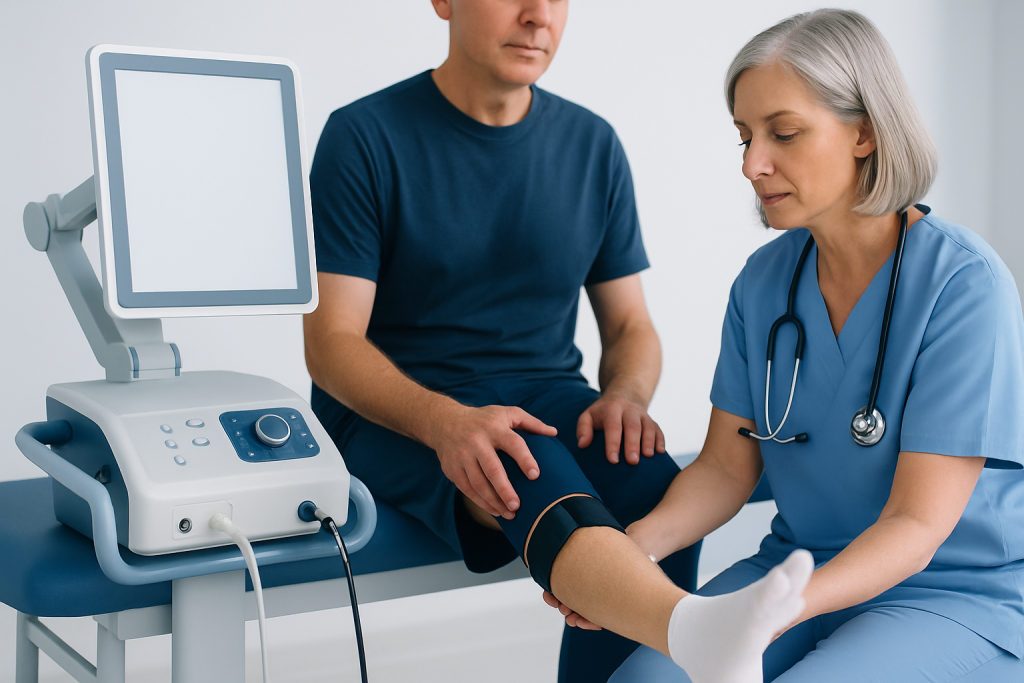
The most recognizable feature of drop foot is an altered walking pattern. A person may lift the knee higher than usual to avoid dragging the toes, a movement sometimes called a steppage gait. Some people notice that the foot catches on carpets, curbs, or uneven ground, especially when they are tired or distracted.
Symptoms can vary depending on the cause. There may be numbness, tingling, weakness in the shin or outer leg, pain in the back or leg, or a sense that the ankle is unstable. In some situations, the foot may also turn inward or outward unexpectedly, which can make balance feel less secure.
Other signs that may appear alongside drop foot include muscle wasting if the problem has been present for a longer time, difficulty climbing stairs, and frequent tripping. The exact pattern of symptoms can give clinicians helpful clues about whether the problem is coming from the peroneal nerve, the lower spine, the brain, or a generalized nerve or muscle disorder.
Causes & Risk Factors

Drop foot happens when the muscles that lift the foot do not receive the signals they need, or when those muscles cannot respond normally. One common cause is compression or injury of the peroneal nerve near the outside of the knee. This nerve is relatively exposed, which is why prolonged pressure from leg crossing, certain positions during surgery, weight loss, casts, or braces can sometimes contribute.
Problems in the lower back can also interfere with the nerves that control ankle movement. A slipped disc, spinal stenosis, or nerve root compression may produce weakness in the foot along with back pain or pain radiating down the leg. In other cases, the cause may be more central, such as a stroke, multiple sclerosis, cerebral palsy, or other brain and spinal cord conditions.
Muscle disorders, peripheral neuropathy, diabetes, trauma to the leg or knee, and complications after orthopedic procedures may also play a role. Risk is not determined by one factor alone; rather, it is often a combination of anatomy, underlying illness, and a triggering event. Understanding the setting in which symptoms started is one of the fastest ways for a clinician to narrow the possibilities.
Factors that may increase the chance of drop foot include:
- Recent knee, hip, or spine surgery
- Prolonged pressure on the outer knee
- Diabetes or other causes of peripheral neuropathy
- Back problems with nerve involvement
- Neurological disease affecting movement pathways
- Trauma, fractures, or direct nerve injury
Diagnosis
Diagnosis begins with a careful history and physical examination. A clinician will usually ask when the weakness started, whether it appeared suddenly or gradually, and whether there was injury, surgery, back pain, numbness, or changes in bladder or bowel function. Observing how a person walks is often very informative, because the gait pattern can suggest where the weakness is coming from.
A neurological exam checks strength, reflexes, sensation, and muscle tone. Depending on the findings, the clinician may order imaging such as MRI or CT scans of the spine or brain, or ultrasound or MRI around the knee if a local nerve compression is suspected. Blood tests may be used when a metabolic or inflammatory cause is being considered.
Electromyography and nerve conduction studies are often important because they help distinguish nerve damage from muscle weakness and show how severely the nerve is affected. For patients arranging care from abroad, it can be helpful to ask early which tests are likely to be done on the first visit so that travel timing, mobility assistance, and follow-up plans can be organized efficiently.
Treatment Options
Treatment depends on the cause, but the overall goal is the same: restore safe walking, protect the foot and ankle, and address the underlying problem. In mild or temporary cases, the nerve may recover with time and supportive care. In other situations, treatment needs to target a compressed nerve, spinal problem, or neurological disease directly.
An ankle-foot orthosis, often called an AFO, is commonly used to hold the foot in a neutral position and reduce tripping. Physiotherapy is also important because it can strengthen nearby muscles, improve balance, stretch tight structures, and teach safer walking strategies. If pain is present, clinicians may recommend general pain-relief approaches appropriate to the underlying condition.
When a specific structural problem is identified, surgery may be considered. For example, a nerve entrapment, severe disc problem, or other compressive lesion may require a procedure to relieve pressure. In some cases, tendon transfer surgery is discussed when weakness is long-standing and nerve recovery is unlikely. The choice of treatment is individualized and should be based on a specialist assessment rather than a one-size-fits-all plan.
For people seeking treatment internationally, coordinated care is often useful because the right sequence may involve diagnostic testing, rehabilitation planning, and specialist review before a procedure is chosen. Acibadem Health Point’s multidisciplinary specialists and JCI-accredited hospitals diagnose and treat this condition for international patients as part of a coordinated care pathway.
Prevention & Self-care
Not every case of drop foot can be prevented, especially when the cause is a neurological illness or an injury that cannot be predicted. Even so, practical steps can reduce strain on the nerves and lower the chance of falls while someone is waiting for diagnosis or treatment. The most valuable self-care starts with keeping the environment and daily routine as safe as possible.
People with weakness in the foot may benefit from removing loose rugs, using supportive footwear, and being careful on stairs and uneven surfaces. If a brace has been prescribed, it should be worn as directed, since it can make walking more secure and reduce the risk of ankle strain. Stretching and strengthening exercises should be guided by a physiotherapist, especially if the person is recovering after surgery or managing a nerve injury.
It is also sensible to avoid prolonged pressure on the outer knee, especially if numbness or weakness has already appeared. For international travelers, planning extra time for walking through airports, arranging assistance when needed, and carrying medical documentation can make the journey safer and less tiring. Self-care supports recovery best when it works alongside medical follow-up rather than replacing it.
When to See a Doctor
Drop foot deserves medical evaluation, especially if it is new, worsening, or affecting balance. A person should seek assessment promptly if the weakness appeared after an injury, back pain, surgery, or a period of prolonged pressure on the leg, because some causes are time-sensitive and easier to treat earlier.
Immediate medical care is particularly important if drop foot begins suddenly, is accompanied by facial drooping, speech changes, severe back pain, bowel or bladder changes, or numbness in a widespread pattern. These features may suggest a more urgent neurological or spinal problem that should not be ignored.
Even when the symptoms seem mild, repeated tripping, near-falls, or increasing difficulty climbing stairs are good reasons to consult a doctor. A specialist can identify the cause, guide the right tests, and recommend support that matches the person’s daily needs and travel plans.
Frequently asked questions
01Is drop foot a disease or a symptom?
Drop foot is usually a symptom of another problem rather than a disease by itself. It can result from nerve compression, spine disorders, stroke, peripheral neuropathy, or muscle weakness. Finding the cause is the key step in treatment.
02Can drop foot get better on its own?
Sometimes it can improve if the nerve irritation is temporary and the underlying pressure is relieved. Recovery is less predictable when the cause is a more serious nerve, spine, or brain condition. A clinician can help estimate the chance of improvement based on the cause and exam findings.
03What does drop foot feel like?
People often describe it as dragging the toes, tripping more often, or having to lift the knee higher to walk. Some also notice numbness, tingling, or weakness in the lower leg. Pain may or may not be present, depending on the cause.
04What tests are used to diagnose drop foot?
Doctors commonly use a neurological exam, imaging studies, and nerve tests such as electromyography and nerve conduction studies. Blood tests may be added if a metabolic or inflammatory cause is suspected. The exact tests depend on the person’s symptoms and medical history.
05Do all people with drop foot need surgery?
No, many people are managed without surgery. Braces, physiotherapy, and treatment of the underlying condition are often enough, especially when the problem is temporary or mild. Surgery is considered when there is a structural cause or when recovery is unlikely without an operation.
06Can I travel if I have drop foot?
Many people can travel, but planning helps. Supportive shoes, a brace if prescribed, extra time for walking, and assistance with luggage or transfers can reduce strain and the risk of falls. It is wise to discuss travel plans with a doctor, especially if treatment or testing is still in progress.
This article is for general information only and is not a substitute for professional medical advice. Please consult a qualified doctor about your individual situation.
Joint and spine care in Turkey — expert assessment & treatment
JCI-accredited · board-certified surgeons · reply within 24h
Add us as a Preferred Source to see more of our trusted health content across Google Search, AI Overviews and Discover.