Food Intolerance After Gastric Sleeve: Common Triggers and Diet Adjustments

Food intolerance after gastric sleeve can happen because the stomach is smaller, more sensitive, and less able to handle large portions or certain textures. Most patients improve by eating slowly, prioritizing protein, tracking triggers, and working with a bariatric care team.
Overview
Food intolerance after gastric sleeve is a common experience during recovery from Sleeve Surgery: BMI Criteria, Health Goals, and Patient Selection" class="ahp-ilk">gastric sleeve surgery. It means that certain foods, drinks, textures, or eating patterns cause uncomfortable digestive symptoms such as nausea, pressure, reflux, bloating, cramps, diarrhea, or vomiting. This is different from a food allergy, which involves the immune system and may cause hives, swelling, wheezing, or a serious allergic reaction.
After a sleeve gastrectomy, much of the stomach is removed, leaving a narrow, tube-shaped stomach. This smaller stomach holds less food and can be more sensitive to volume, texture, temperature, fat, sugar, and eating speed. Foods that were easy to tolerate before surgery may feel heavy or uncomfortable for a period of time, especially in the first months.
For many people, intolerance improves as swelling decreases, eating skills improve, and the body adapts. However, ongoing symptoms should not be ignored because they can affect hydration, protein intake, vitamin and mineral levels, and overall recovery. A bariatric surgeon and dietitian can help separate expected adjustment from problems that need treatment.
Common Symptoms and What They May Mean
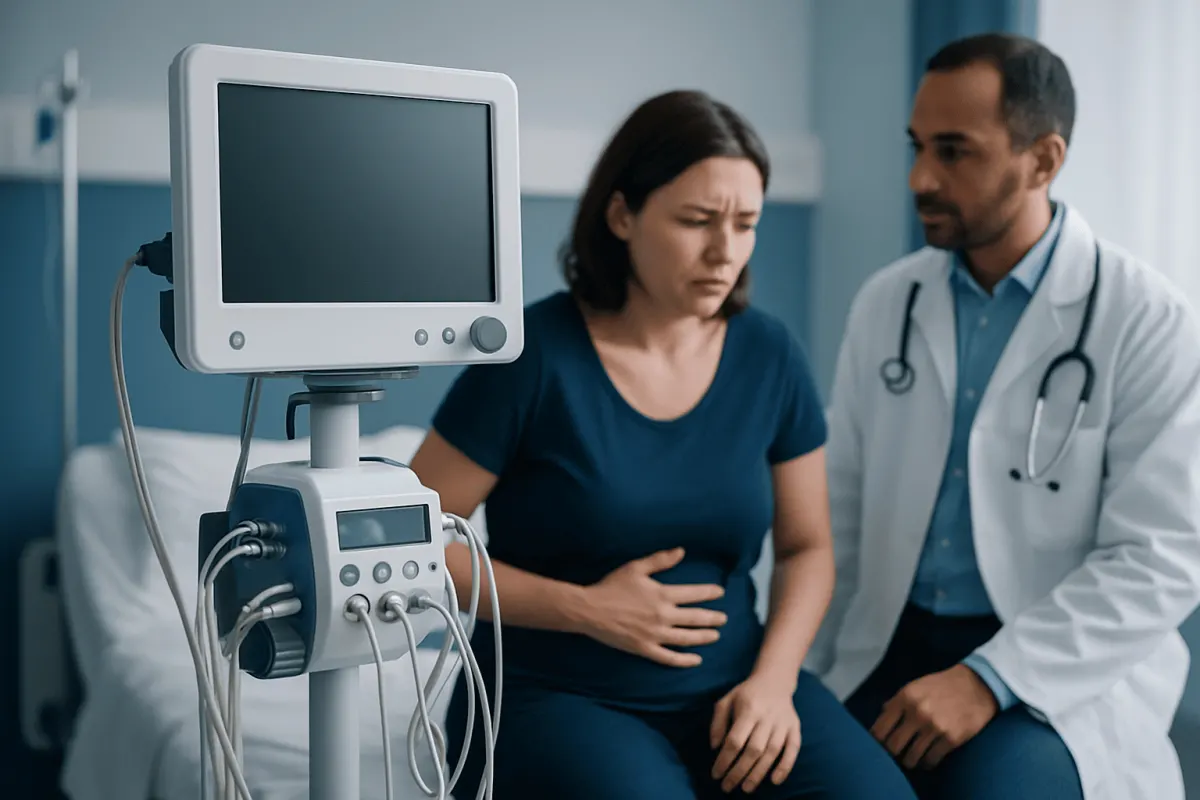
Symptoms can vary from mild discomfort to repeated vomiting. Many patients describe a sense of food getting stuck, chest or upper abdominal pressure, early fullness after only a few bites, burping, hiccups, nausea, or reflux. Others may notice bloating, loose stools, constipation, or cramping after specific meals.
Timing can provide useful clues. Symptoms that occur within minutes of eating may be related to eating too quickly, swallowing large bites, poorly chewed food, or choosing a food texture that is too dense for the current recovery stage. Symptoms that appear later may be linked to fat, sugar, lactose, fiber load, or the overall size of the meal.
Some symptoms need medical attention rather than trial-and-error diet changes. Repeated vomiting, inability to keep fluids down, worsening reflux, black stools, fever, severe abdominal pain, dizziness, or signs of dehydration should be discussed urgently with a qualified healthcare professional. These symptoms may require evaluation for narrowing, ulceration, gallbladder disease, severe reflux, or other complications.
Why Food Intolerance Happens After Sleeve Gastrectomy

The main reason is anatomy. The new stomach pouch is narrow and has limited capacity, so it cannot comfortably handle large portions. Dense foods, especially if eaten quickly, can create pressure and nausea because they take longer to pass through the sleeve.
Healing also plays a role. In the early weeks, swelling and irritation can make the stomach more reactive. This is why patients usually progress through staged textures, beginning with liquids, then purees, soft foods, and later regular foods as recommended by their surgical team.
Hormonal and digestive changes may also influence appetite, fullness, and tolerance. Sleeve surgery can affect stomach emptying, acid exposure, and hunger signals. In some patients, reflux becomes more noticeable, especially with spicy foods, acidic foods, caffeine, large meals, or eating close to bedtime.
Eating behavior is just as important as food choice. Taking large bites, not chewing enough, drinking during meals, or lying down soon after eating can cause symptoms even when the food itself is generally appropriate. For this reason, many diet adjustments focus on technique as much as avoiding triggers.
Most Common Food and Drink Triggers
Trigger foods are individual, but several patterns are common after sleeve gastrectomy. Dense, dry proteins such as overcooked chicken breast, steak, turkey, or dry fish can be difficult unless they are moist, tender, and eaten slowly. Eggs may be tolerated by some patients and poorly tolerated by others, especially early on.
Starchy foods can also cause discomfort. Bread, rice, pasta, tortillas, and doughy foods may expand or clump in the stomach, creating pressure or a stuck sensation. Patients are often advised to focus first on protein and non-starchy vegetables, then add small portions of starch only when tolerated and approved by the care team.
- High-fat foods: fried foods, creamy sauces, fast food, and greasy snacks may cause nausea, reflux, or diarrhea.
- High-sugar foods and drinks: sweets, sweetened beverages, pastries, and desserts may cause nausea, cramping, or rapid bowel symptoms in some patients.
- Carbonated drinks: soda, sparkling water, and beer can create gas pressure and discomfort.
- Dairy: milk, ice cream, or soft cheeses may trigger symptoms if lactose intolerance develops or becomes more noticeable.
- Fibrous or tough foods: raw cabbage, celery, corn skins, fruit peels, and tough salad leaves may be hard to digest early in recovery.
- Spicy, acidic, or caffeinated items: coffee, chili, citrus, tomato products, and strong spices may worsen reflux in sensitive patients.
Not every patient needs to avoid all of these foods long term. The goal is to identify personal patterns, pause foods that repeatedly cause symptoms, and reintroduce them later in a safer form or smaller amount when appropriate.
Diet Adjustments That Usually Help
The most helpful first step is to return to bariatric basics. Meals should be small, calm, and protein-focused. Patients are commonly advised to take tiny bites, chew thoroughly, pause between bites, and stop at the first sign of comfortable fullness rather than trying to finish a portion.
Protein remains a priority because it supports healing, muscle preservation, and long-term weight management. Softer protein options may be better tolerated at first, such as Greek yogurt, cottage cheese, soft fish, minced meat, beans if tolerated, tofu, and moist slow-cooked poultry. A dietitian can help match protein goals to the person’s surgery stage, medical needs, and tolerance.
Hydration is equally important, but drinking and eating at the same time can overfill the small stomach. Many bariatric programs recommend separating fluids from meals and sipping water throughout the day. If plain water feels uncomfortable, patients can ask their care team about safe alternatives such as non-carbonated, sugar-free fluids or electrolyte drinks when appropriate.
A food and symptom diary is often very useful. It should include the food, portion size, texture, time eaten, eating speed, symptoms, and timing of symptoms. Patterns often become clear within one to two weeks, helping the care team make targeted changes without unnecessarily restricting the diet.
Diagnosis and Medical Evaluation
Most food intolerance after surgery is diagnosed through clinical history, diet review, and symptom tracking. The bariatric team will ask when symptoms started, what foods trigger them, whether liquids are tolerated, and whether there are warning signs such as persistent vomiting or dehydration. A review of medications, supplements, eating habits, and bowel patterns is also important.
Blood tests may be used to assess nutrition, including iron, vitamin B12, folate, vitamin D, and other markers depending on the patient’s situation. If symptoms suggest reflux, narrowing, obstruction, ulceration, or gallbladder disease, the doctor may recommend additional tests such as imaging, endoscopy, or other digestive evaluations.
It is important not to assume that all symptoms are simply normal after bariatric surgery. Mild, improving intolerance is common, but severe or worsening symptoms deserve assessment. Early evaluation can help protect nutrition and avoid unnecessary discomfort.
Prevention, Self-Care, and Long-Term Nutrition
Prevention starts before surgery with education about the post-operative diet, realistic expectations, and follow-up planning. After surgery, patients do best when they follow the recommended diet stages instead of rushing to regular foods. Advancing textures too quickly can increase nausea, vomiting, and food avoidance.
Long-term self-care includes regular meals, adequate protein, daily fluids, prescribed supplements, and planned follow-up visits. Patients should avoid using intolerance as a reason to skip protein or rely mainly on soft, low-nutrient foods. If only a few foods feel safe, a bariatric dietitian can help expand choices while protecting comfort.
Physical activity, sleep, stress management, and mindful eating can also affect digestion. Eating while distracted or anxious may lead to faster eating and poorer chewing. Slowing the meal environment can make a noticeable difference for many patients.
For international patients who need evaluation or follow-up, Acıbadem Health Point’s multidisciplinary specialists and JCI-accredited hospitals diagnose and treat conditions related to obesity surgery, including post-operative nutrition concerns, without replacing the need for individualized medical advice from the patient’s own doctor.
When to See a Doctor
Patients should contact their bariatric team if food intolerance is frequent, worsening, or limiting protein and fluid intake. Medical advice is especially important if symptoms continue beyond the expected recovery stage, if reflux becomes persistent, or if previously tolerated liquids or soft foods suddenly become difficult.
Urgent assessment is recommended for repeated vomiting, inability to keep fluids down, very dark urine, fainting, severe abdominal pain, fever, blood in vomit or stool, or signs of dehydration. These symptoms do not always mean a serious problem, but they should be checked promptly and safely.
Patients should also seek help if they feel anxious about eating, avoid many foods, or experience rapid fatigue, hair loss, weakness, or symptoms that may suggest nutrient deficiency. Support from the surgeon, dietitian, primary doctor, and when needed a mental health professional can make recovery more comfortable and sustainable.
Frequently asked questions
01Is food intolerance after gastric sleeve normal?
Yes, some food intolerance is common, especially in the first months after surgery. The stomach is smaller and healing, so certain textures and portions can cause discomfort. Symptoms should gradually improve, but persistent vomiting or inability to tolerate fluids should be assessed by a doctor.
02What foods are hardest to tolerate after gastric sleeve?
Common difficult foods include dry meats, bread, rice, pasta, fried foods, sweets, carbonated drinks, and tough raw vegetables. Dairy can also be a problem for people who develop or notice lactose intolerance. Tolerance varies, so a food diary can help identify personal triggers.
03Does food intolerance mean the surgery failed?
No, food intolerance does not mean the surgery failed. It often reflects the normal adjustment to a smaller stomach, healing tissues, or eating too quickly. If symptoms are severe, worsening, or long-lasting, the bariatric team should check for treatable causes.
04Can lactose intolerance develop after gastric sleeve?
Some patients notice new or stronger sensitivity to milk and other dairy products after surgery. Symptoms may include bloating, cramps, diarrhea, or nausea after dairy. A dietitian can suggest suitable protein-rich alternatives and help ensure calcium and vitamin D needs are met.
05How can someone reintroduce a food that caused symptoms?
It is usually best to pause the food for a period and try again later in a smaller portion, softer texture, or moister preparation. The person should eat slowly, chew well, and avoid testing several challenging foods at the same meal. Reintroduction should follow the surgeon’s or dietitian’s guidance.
06When is vomiting after gastric sleeve a concern?
Occasional vomiting after eating too fast or too much can happen, but repeated vomiting is not something to ignore. It can lead to dehydration and nutrient problems, and it may signal narrowing, reflux, or another issue. A doctor should be contacted if vomiting continues or fluids cannot be kept down.
07Will food tolerance return to normal over time?
Many patients tolerate a wider variety of foods as healing progresses and eating habits improve. However, some people continue to have long-term sensitivity to specific foods, especially greasy, sugary, carbonated, or very dense items. The aim is not to return to old eating patterns, but to build a balanced, sustainable way of eating after surgery.
This article is for general information only and is not a substitute for professional medical advice. Please consult a qualified doctor about your individual situation.
Medical weight-loss options in Turkey — costs & eligibility
JCI-accredited · board-certified surgeons · reply within 24h
Add us as a Preferred Source to see more of our trusted health content across Google Search, AI Overviews and Discover.