A Focal Seizure Starts in One Part of the Brain

Maybe you have watched someone suddenly stop mid-sentence, stare for a few seconds, then carry on as if nothing happened. Or maybe you are the one who gets a strange smell, a wave of fear, or a jolt in one hand out of nowhere. These brief moments can be focal seizures.
A focal seizure begins in one part of the brain, so what you experience depends a great deal on which area is involved. That is why symptoms vary so widely from person to person. The good news: many focal seizures can be managed well once they are properly assessed and treated, and recognising the pattern helps you get care sooner rather than later.
What is a focal seizure?
A focal seizure is a seizure that begins in one localized part of the brain rather than affecting both sides at the start. Because different brain regions control different functions, a focal seizure can look very different from person to person. It may cause changes in movement, sensation, emotion, speech, memory, or awareness for a short time.
Some focal seizures happen without loss of awareness, while others make a person seem confused, unresponsive, or unable to remember the event clearly afterward. Older terms such as “partial seizure” may still be used, but “focal seizure” is the more current name. In some cases, a focal seizure can spread and become a generalized seizure involving both sides of the brain.
Here is something families often miss: focal seizures are not always dramatic. A person may simply pause, stare, make repeated mouth or hand movements, report a strange smell, or feel a sudden wave of fear or déjà vu. These brief episodes can be easy to miss or confuse with other conditions, which is why medical assessment matters.
How focal seizures can appear in daily life

Focal seizures are often described by how they affect awareness and by the symptoms they produce. A focal aware seizure happens when the person remains awake and knows what is happening, even though they may feel unusual sensations or have involuntary movements. A focal impaired awareness seizure affects consciousness or responsiveness, so the person may seem confused, stare blankly, or perform automatic movements without full awareness.
The experience depends on where the seizure starts. If it begins in the temporal lobe, symptoms may include a rising sensation in the stomach, a sudden emotional shift, unusual tastes or smells, lip smacking, or confusion. If it starts in the frontal lobe, there may be abrupt movements, posturing, vocal sounds, or brief nighttime episodes. Seizures starting in the occipital or parietal regions can cause visual changes, tingling, numbness, or distortions of body sensation.
Many people notice a repeated pattern. Episodes may last seconds to a couple of minutes and can be followed by tiredness, headache, difficulty speaking, or short-term confusion. Tracking what happens before, during, and after an event can help a neurologist recognize whether the episodes are likely to be seizures and whether they fit with conditions such as epilepsy.
Symptoms of a focal seizure

Symptoms vary, but focal seizures often involve one or more brief, sudden changes that are difficult to explain otherwise. A person may feel “off” just before the event, which is sometimes called an aura. In medical terms, an aura is itself a type of focal seizure and can offer clues about where in the brain the seizure begins.
Possible symptoms include:
- Staring spells or a sudden pause in activity
- Jerking or stiffening of one arm, one leg, or one side of the face
- Repetitive movements such as lip smacking, chewing, swallowing, or picking at clothes
- Strange smells, tastes, sounds, or visual changes
- Tingling, numbness, or a rising sensation in the stomach
- Sudden fear, déjà vu, jamais vu, or other unusual feelings
- Difficulty speaking, understanding, or responding normally
- Confusion, fatigue, or headache after the event
Keep in mind that not every unusual spell is a seizure. Migraine aura, fainting, panic attacks, sleep disorders, Neurology Evaluation" class="ahp-ilk">movement disorders, and low blood sugar can sometimes resemble focal seizures. Since the right treatment depends on the right diagnosis, please do not try to sort this out on your own from symptoms alone.
Causes and risk factors
A focal seizure can happen for several reasons. In some people, it is part of a long-term seizure disorder. In others, it may be triggered by a specific brain condition or by a temporary medical problem. Sometimes no definite cause is found even after appropriate testing.
Potential causes and risk factors include prior head injury, stroke, brain infection, congenital brain differences, brain tumors, scarring in the brain, and a history of seizures in childhood. Conditions that irritate or injure brain tissue can make seizures more likely. Focal seizures may also occur in relation to brain tumors or after a cerebrovascular event such as stroke, depending on the person’s overall neurological health.
Short-term triggers do not necessarily cause epilepsy, but they can lower the seizure threshold in someone who is susceptible. Common examples include sleep deprivation, alcohol withdrawal, severe stress, fever, missed anti-seizure medication, and metabolic disturbances such as abnormal blood sugar or electrolyte imbalance. Identifying triggers can help reduce future episodes, although trigger control alone is usually not enough if recurrent seizures are present.
How doctors diagnose focal seizures
Diagnosis begins with a detailed description of the event. Because the person having the seizure may not remember it clearly, a witness account can be extremely valuable. Doctors often ask what happened just before the episode, how long it lasted, whether awareness changed, what movements were seen, and how the person felt afterward.
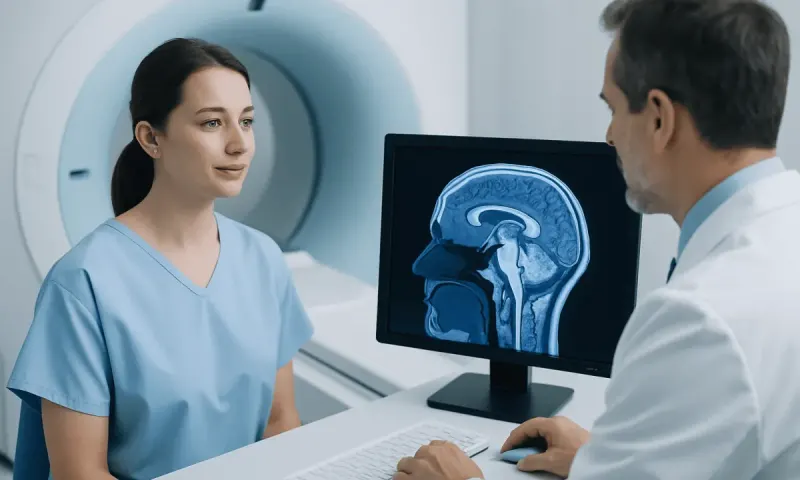
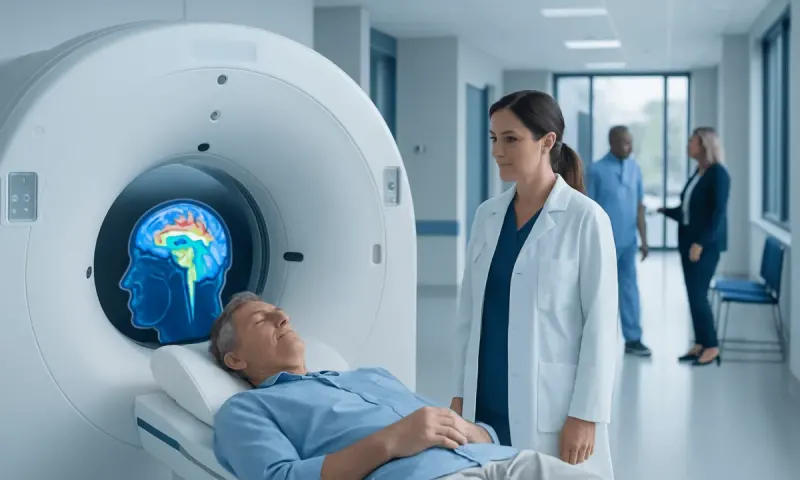
A neurological examination helps look for signs that point to the affected part of the brain or to another underlying condition. Testing commonly includes an electroencephalogram (EEG), which records the brain’s electrical activity and can show patterns consistent with seizures. Brain imaging, especially MRI, may be used to look for structural causes such as scarring, inflammation, or a lesion. In some situations, blood tests are also needed to check for infection, metabolic problems, or other medical contributors.
When the diagnosis is uncertain, doctors may recommend prolonged or video EEG monitoring to capture an event and compare symptoms with brain activity. This can help distinguish epileptic seizures from episodes that look similar but have a different cause. If more advanced care is needed, evaluation may involve EEG testing and brain MRI as part of a structured neurology workup.
Treatment options and long-term management
Treatment depends on the cause, the seizure pattern, age, overall health, and whether the person has had one seizure or repeated events. Anti-seizure medication is often the first treatment for recurrent focal seizures. The goal is to prevent seizures while minimizing side effects, and medicine choice is individualized by a neurologist.
If seizures continue despite medication, doctors may reassess the diagnosis, review whether triggers or missed doses are involved, and look again for a treatable structural cause. Some patients may be candidates for advanced options such as epilepsy surgery, nerve stimulation devices, or dietary therapy, especially when seizures come from a well-defined area of the brain. In selected cases, epilepsy surgery can be considered after comprehensive testing.
Long-term management also includes practical safety planning. Patients may need guidance about driving rules, swimming, bathing, heights, operating machinery, and work-related risks, depending on local regulations and seizure control. Some people also benefit from a second look at a specialised neurology centre. At Acıbadem Health Point, our multidisciplinary specialists and JCI-accredited hospitals evaluate and treat neurological conditions including focal seizures for international patients.
Self-care, prevention, and when to seek medical care
You cannot prevent every focal seizure, but your daily habits do make a difference in how often they come back. Regular sleep, taking medication exactly as prescribed, limiting alcohol when advised, managing stress, and avoiding known personal triggers are all important. Patients should also tell their doctor about over-the-counter medicines, supplements, or major lifestyle changes, since these can sometimes affect seizure control.
A seizure diary is worth the effort. Useful details include the date and time, what the person was doing before the event, how long it lasted, symptoms during the episode, recovery afterward, and possible triggers such as poor sleep or illness. Phone videos recorded safely by a witness can also help the medical team understand what is happening.
Medical care should be sought promptly for any first seizure, repeated seizures, or new episodes of unexplained staring, confusion, or unusual movements. Urgent care is needed if a seizure lasts more than five minutes, happens in clusters without full recovery, causes injury, occurs in water, is followed by breathing difficulty, or happens during pregnancy. A doctor should also be contacted if seizures become more frequent, medication side effects appear, or recovery after events changes noticeably.
Frequently asked questions
01Is a focal seizure the same as epilepsy?
Not exactly. A focal seizure is a type of seizure that starts in one area of the brain, while epilepsy is a condition involving a tendency to have recurrent unprovoked seizures. A person can have a single focal seizure without being diagnosed with epilepsy.
02Can a person stay awake during a focal seizure?
Yes. In a focal aware seizure, the person remains conscious and may remember the episode clearly. In other focal seizures, awareness is reduced, and the person may be confused or unable to respond normally.
03What does a focal seizure feel like?
It can feel very different depending on the part of the brain involved. Some people report tingling, a strange smell, déjà vu, a rising feeling in the stomach, sudden fear, or brief confusion, while others notice jerking or stiffening of one body part.
04Can stress or lack of sleep trigger a focal seizure?
They can contribute in some people. Stress, sleep deprivation, missed medication, illness, alcohol withdrawal, and some metabolic disturbances may lower the seizure threshold. Identifying and reducing triggers is helpful, but medical assessment is still important.
05How are focal seizures treated?
Treatment often begins with anti-seizure medication chosen according to the person’s seizure type, age, and health profile. If seizures continue, doctors may consider further testing, medication adjustment, or advanced options such as surgery or device-based therapies.
06When should someone go to the emergency room for a focal seizure?
Emergency care is needed if the seizure lasts more than five minutes, repeats without full recovery, causes significant injury, occurs in water, or is linked with breathing problems. A first seizure or a seizure during pregnancy also deserves urgent medical evaluation.
This article is for general information only and is not a substitute for professional medical advice. Please consult a qualified doctor about your individual situation.
Explore treatments in Turkey — costs, top hospitals & a free quote
JCI-accredited · board-certified surgeons · reply within 24h
Add us as a Preferred Source to see more of our trusted health content across Google Search, AI Overviews and Discover.