What to Expect From Flexor Tendon Repair and Hand Therapy
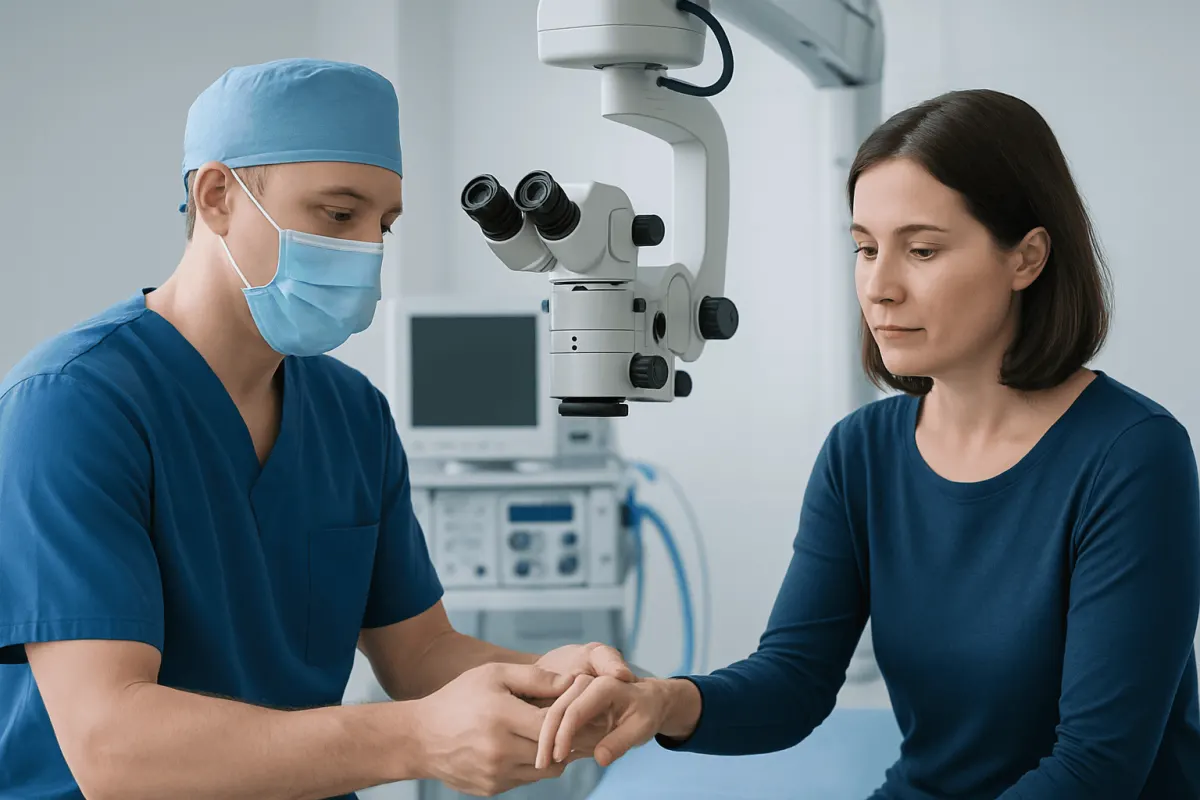
You cut your hand, and now one finger just won’t curl the way it used to. That is often the first sign that a flexor tendon — one of the cords that bends your fingers or thumb — has been torn, usually after a deep cut or injury.
Flexor tendon repair is the surgery that reconnects it. But the operation is only part of the story. Getting seen early by a specialist, and then following carefully guided hand therapy, is what protects the repair while your movement and grip slowly come back.
Flexor Tendon Repair: Overview
Flexor tendon repair is an operation used to reconnect a cut or ruptured tendon in the hand, fingers, thumb or wrist. Flexor tendons are strong, cord-like tissues that connect forearm muscles to the bones of the fingers and thumb. They allow the hand to close into a fist, bend individual fingers and grip objects.
A tendon may be injured by a deep cut, crush injury, sports accident or other trauma. When a tendon is completely divided, the affected finger or thumb may no longer bend normally. Because the tendon ends can pull apart and because nearby nerves, blood vessels, joints and skin may also be injured, assessment by a hand specialist is important.
Surgery is one stage of care, not the whole of it. The repair needs time to regain strength, and a structured rehabilitation programme balances two goals at once: protecting the healing tendon and keeping the finger from stiffening. Your hand surgeon and hand therapist will shape that plan around your injury and what you need your hand to do each day.
Who May Need Flexor Tendon Surgery?
Flexor tendon surgery may be recommended when examination suggests a complete tendon cut or when a partial cut causes pain, catching, weakness or a meaningful loss of function. A person may notice that one joint of a finger cannot bend, that the fingertip will not curl, or that a thumb cannot flex as usual. Open wounds affecting the palm-side of the hand, wrist or finger require timely medical evaluation.
Partial tendon injuries are not all treated the same way. Very small partial tears can sometimes be managed with wound care, protection and specialist monitoring; larger tears are more likely to need repair. Wound contamination, skin loss, fractures, circulation, nerve injury and how long ago the injury happened all feed into that decision.
Before surgery, clinicians assess sensation, blood flow and active finger movement where possible. X-rays may be used to look for fractures or foreign material such as glass. Ultrasound or other imaging can occasionally help clarify a tendon injury, particularly if the skin wound is small or the diagnosis is uncertain.
People with diabetes, smoking exposure, poor circulation, immune suppression or an infected wound may need additional preparation and follow-up. These factors do not necessarily prevent surgery, but they can influence timing, wound healing and rehabilitation planning.
How Flexor Tendon Repair Works: Step by Step
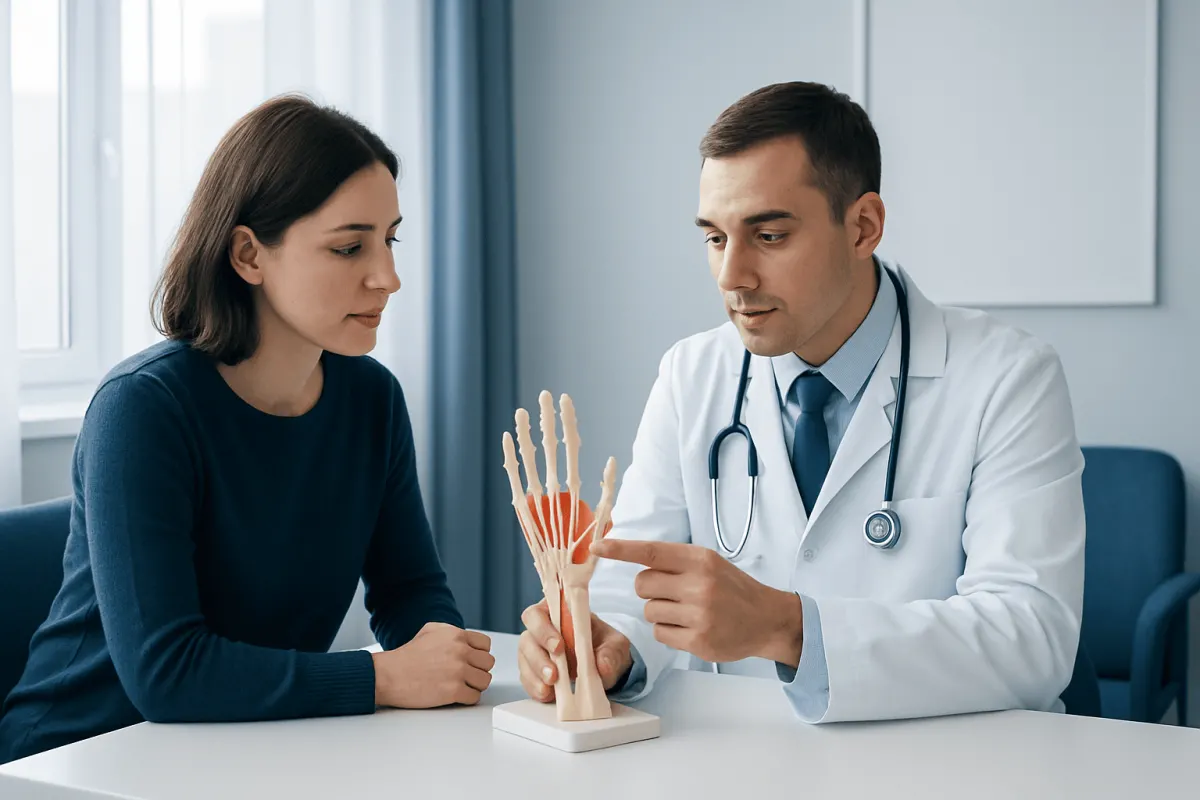
Flexor tendon repair is usually performed by an orthopaedic hand surgeon or plastic surgeon with hand surgery expertise. Depending on the injury and the person’s health, the procedure may use regional anaesthesia to numb the arm, local anaesthesia with sedation, or general anaesthesia. The choice is discussed before surgery.
The surgeon carefully cleans and examines the wound, then may extend the skin incision to identify both ends of the tendon. Using magnification and fine instruments, the tendon ends are aligned and joined with strong sutures. The surgeon also checks for injury to nerves, blood vessels, tendon pulleys, joints and bone. Any associated injuries may be treated during the same operation when appropriate.
The wound is then closed and the hand is placed in a protective splint, usually with the wrist and fingers positioned to reduce tension on the repair. Many patients can go home the same day, although more complex injuries may require different arrangements. The repaired tendon should not be tested forcefully in the early stage, even if the finger can move.
For patients seeking specialist treatment, hand surgery may involve coordinated assessment, tendon repair and rehabilitation planning. The exact technique varies according to the location of the injury, tendon involved, quality of the tissue and whether other structures have been damaged.
Recovery Timeline After Flexor Tendon Repair
Recovery begins immediately after surgery with elevation, wound care, splint protection and pain management as advised by the surgical team. Swelling and discomfort are common early on. Keeping the hand elevated and moving unaffected joints, when permitted, may help control swelling.
Hand therapy often begins within days of surgery or soon afterward. A therapist teaches carefully prescribed exercises that may involve passive movement, protected active movement, or both. These exercises are designed around the repair and must be performed exactly as instructed. The splint is generally worn continuously at first, except during approved therapy or hygiene routines.
During the first several weeks, the tendon is healing but remains relatively weak. Gradual progression of movement is guided by the surgeon and therapist. Around later stages of recovery, the plan may introduce more active use, gentle strengthening and work-specific tasks. Returning to heavy lifting, contact activities or forceful gripping usually takes longer and should only happen after clearance.
Most people regain useful hand function over several months, though stiffness, reduced glide or altered sensation can take longer to settle. At follow-up visits the team checks the wound, the splint fit, how the tendon is moving and how rehabilitation is going. Physical therapy and rehabilitation support the gradual return of hand function after injury and surgery.
How Long Does It Take to Recover From Flexor Tendon Surgery?
Initial wound healing generally occurs over the first few weeks, but flexor tendon recovery takes much longer. The tendon commonly needs about 10 to 12 weeks to regain enough healing strength for progressively heavier use, while maximum improvement in movement, coordination and strength may continue for several months.
The timeline differs from person to person. A simple clean cut involving one tendon may recover more predictably than a crush injury or an injury involving several tendons, nerves, blood vessels, fractures or skin loss. The location also matters: tendons in the fingers pass through narrow tunnels and can develop adhesions that limit smooth movement.
Consistent attendance at therapy and following the splint and exercise instructions are among the most important influences on recovery. A person should ask their surgeon and hand therapist for guidance before returning to driving, manual work, sports, childcare tasks or any activity that places force through the healing hand.
What Not to Do After Tendon Repair Surgery?
After tendon repair surgery, a person should not remove or alter the protective splint unless their hand team has specifically instructed them to do so. They should also avoid forcefully bending or straightening the repaired finger, making a fist, gripping, lifting, pulling, pushing or using the hand to support body weight during the restricted period.
Don’t skip therapy appointments, and don’t add exercises you found online without approval. Too little movement can contribute to stiffness and scar adhesions, while too much movement or force can cause the repair to stretch or rupture. The safest programme is the one designed for the individual injury.
The incision should be kept clean and dry according to postoperative instructions. Smoking and nicotine products can impair wound and tissue healing, so stopping or avoiding them is advisable. A person should contact the care team promptly if the splint becomes too tight or loose, pain or swelling suddenly worsens, the fingers become pale or blue, or new loss of movement occurs.
Is Tendon Repair a Major or Minor Surgery?
Flexor tendon repair is often an outpatient operation, meaning many people return home on the day of surgery. However, it should not be considered minor in terms of precision or recovery. Tendons in the hand are small and closely related to nerves, blood vessels, joints and tendon pulleys, and the repair requires meticulous surgical technique and disciplined rehabilitation.
The seriousness of the surgery depends on the injury. A single clean tendon laceration is different from a complex injury involving multiple tendons, nerve damage, vascular injury, fractures, contamination or extensive soft-tissue loss. Complex injuries may take longer to repair and may need more than one procedure.
Although surgery is important, the outcome also depends heavily on aftercare. The rehabilitation process can be demanding because the healing tendon must move enough to glide while being protected from excessive tension. Clear communication among the patient, surgeon and hand therapist supports safe progress.
Benefits, Risks and Expected Results
The main benefit of flexor tendon repair is the possibility of restoring bending function in the affected finger or thumb and improving the ability to hold, pinch and use the hand. Surgery may also help preserve tendon glide and reduce the long-term functional consequences of a complete tendon division. Early, appropriate repair is generally preferred when clinically suitable.
As with any operation, there are potential risks. These include infection, bleeding, wound healing problems, scar sensitivity, stiffness, swelling, pain, reduced sensation, tendon adhesions and limited range of movement. The repair can also stretch or rupture, particularly if it is subjected to force before it has healed sufficiently. Some people may need further treatment, such as scar management, additional therapy or, less commonly, later surgery.
Think of the results in terms of function, not guarantees. Even with successful healing, a finger may not return to exactly the same movement or strength as before injury. The extent of recovery depends on injury severity, the timing and quality of repair, associated nerve or joint damage, infection, health factors and adherence to therapy.
Hand injuries may coexist with other upper-limb trauma. Specialist assessment through orthopedics and traumatology can help ensure that fractures, joint injuries and soft-tissue damage are appropriately considered alongside tendon repair.
What Is the Success Rate of Flexor Tendon Repair?
There is no single success rate that applies to every flexor tendon repair. Studies use different definitions of success, such as tendon healing without rupture, range of motion, grip strength, return to work or patient-reported hand function. Results also vary substantially according to the type and location of the injury.
In modern specialist practice, many repaired tendons heal and provide useful functional movement, particularly when the wound is treated promptly and rehabilitation is followed closely. However, stiffness and adhesions are common challenges, especially after injuries in the fingers. A repaired tendon can remain intact but still have limited glide, which may restrict final movement.
A surgeon can offer a more individual outlook after examining the injury and reviewing operative findings. Asking about expected movement, therapy duration, risk of adhesions or rupture, and the likely timeline for work or sport can help a person prepare for recovery realistically.
When to Seek Medical Care
Urgent medical care is needed after a deep cut to the palm side of the finger, hand or wrist, especially if the person cannot bend a finger or thumb normally, has numbness, ongoing bleeding, a pale or cold digit, visible tissue, or possible foreign material in the wound. Pressure should be applied to control bleeding while avoiding probing the wound or attempting to push tissue back into place.
After repair, the surgical team should be contacted promptly for fever, increasing redness, warmth, drainage, worsening pain, rapidly increasing swelling, colour changes in the fingers, a splint problem, or a sudden pop followed by loss of previously achieved movement. These symptoms do not always indicate a serious complication, but they should be assessed without delay.
At Acıbadem Health Point, our multidisciplinary specialists and JCI-accredited hospitals diagnose and treat hand injuries for international patients, including surgical care and, where appropriate, rehabilitation planning.
Frequently asked questions
01Can a flexor tendon heal without surgery?
A completely cut flexor tendon generally cannot reconnect in the correct way without surgical repair. Partial injuries may sometimes be treated without surgery, depending on the extent of the tear, symptoms and examination findings. A hand specialist should assess any suspected tendon injury.
02When does hand therapy start after flexor tendon repair?
Hand therapy often starts within the first few days after surgery or soon afterward, depending on the repair and wound condition. The therapist provides a protective splint and a specific exercise programme. Starting and progressing exercises should always follow the surgeon’s protocol.
03Will the finger be fully normal after flexor tendon repair?
Some people recover excellent useful function, but full return to pre-injury movement and strength is not always possible. Scar tissue, stiffness, nerve injury and the severity of the original trauma can affect the outcome. Regular therapy offers the best opportunity to maximise recovery.
04Can a repaired flexor tendon rupture?
Yes, a repaired tendon can rupture if it is overloaded before it has healed adequately. This is why splint use, movement restrictions and supervised rehabilitation are important. Sudden loss of finger bending or a popping sensation should be reported to the surgical team promptly.
05When can someone return to work after flexor tendon surgery?
Return to work depends on the hand involved, the type of work and the complexity of the injury. Desk-based work may be possible earlier with appropriate protection, while manual work involving lifting, gripping or machinery usually requires a longer restriction period. The surgeon and therapist should provide individual clearance.
06Does flexor tendon repair leave a scar?
Yes, surgery and the original injury generally leave a scar. Scar tenderness, tightness or sensitivity may improve over time and can be addressed with therapist-guided scar care once the wound has healed. The care team can advise when massage, moisturising or desensitisation is safe.
This article is for general information only and is not a substitute for professional medical advice. Please consult a qualified doctor about your individual situation.
Joint and spine care in Turkey — expert assessment & treatment
JCI-accredited · board-certified surgeons · reply within 24h
Add us as a Preferred Source to see more of our trusted health content across Google Search, AI Overviews and Discover.