Fibroblasting Treatment: Benefits, Risks, and Evidence
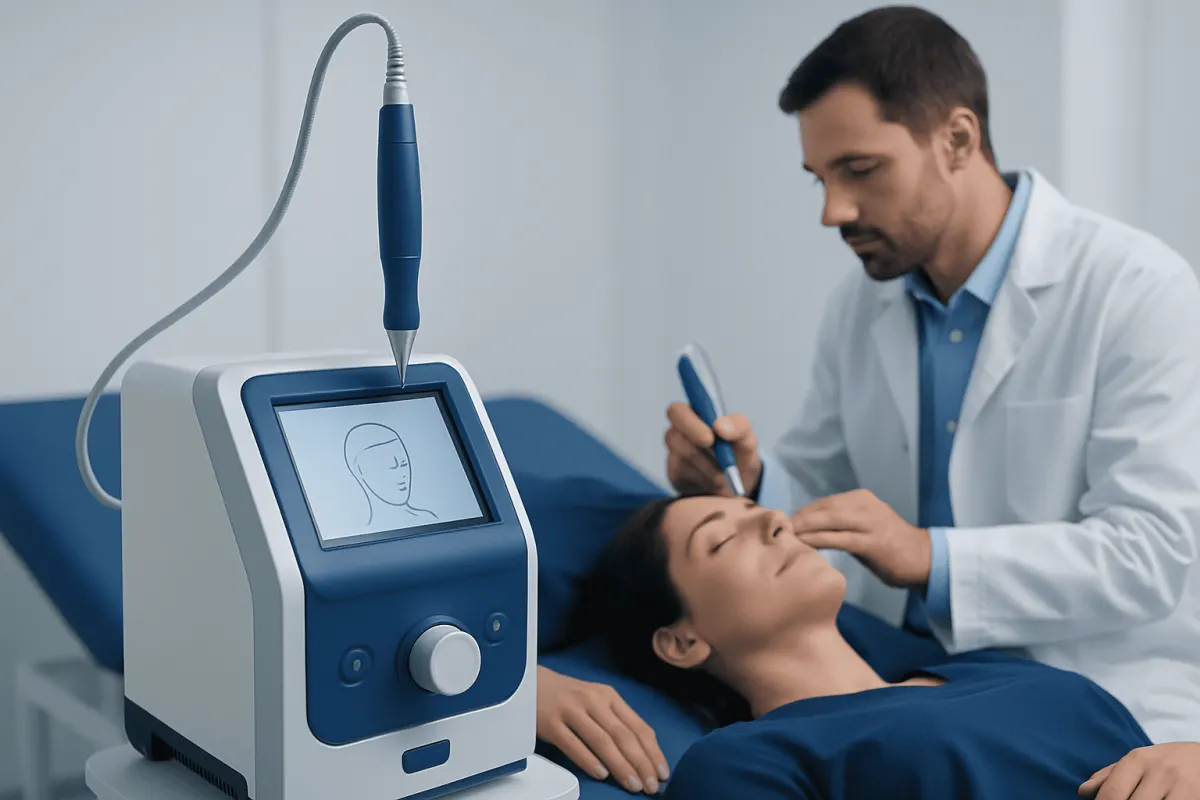
Fibroblasting treatment, also called plasma fibroblast therapy or plasma pen treatment, is a cosmetic procedure intended to tighten selected areas of skin through controlled surface injury. It may offer subtle improvement for some people, but results vary and careful assessment by a qualified skin specialist is important because healing complications can occur.
Overview: what is fibroblasting treatment?
Fibroblasting treatment is a non-surgical cosmetic procedure that uses a device often called a plasma pen. The tip of the device creates a tiny electrical plasma arc just above the skin. This delivers heat to very small points on the skin surface, creating controlled micro-injuries intended to trigger wound healing and collagen remodeling.
The procedure is commonly promoted for lax eyelid skin, fine lines around the mouth, wrinkles, acne scars and small areas of uneven texture. Although it is sometimes described as “fibroblast therapy,” it does not add fibroblast cells to the skin. Fibroblasts are normal cells that help produce collagen and support healing; the name refers to the proposed stimulation of these cells after controlled injury.
Fibroblasting is not the same as laser resurfacing, radiofrequency skin tightening, microneedling or a surgical lift. The devices, depth of injury, evidence base and suitability differ. It should be viewed as a cosmetic procedure with potential benefits and meaningful limitations, rather than a substitute for medical treatment of a skin disease.
What happens during the procedure and recovery?
Before treatment, a clinician should examine the skin, ask about medical conditions, medications, previous scars and pigment changes, and discuss realistic goals. A topical anesthetic may be used. The practitioner applies the plasma device in a pattern of tiny dots without usually touching the skin directly.
Immediately afterward, the area may feel warm and look red or swollen. Small dark crusts commonly form at each treatment point. They usually shed naturally over several days to around two weeks, depending on the area treated and the individual’s healing response. Swelling can be more noticeable around the eyes.
During recovery, the skin should be kept clean and protected from friction, picking and sun exposure. Patients should follow the treating clinician’s aftercare plan and avoid applying unapproved products to broken or healing skin. Cosmetics, exfoliating acids, retinoids and other potentially irritating products may need to be paused until the skin barrier has recovered.
Collagen remodeling, when it occurs, develops gradually over weeks to months. Some people seek more than one session, but repeating treatment too soon or too aggressively may increase the chance of unwanted injury. A careful reassessment of healing should come before additional procedures.
Expected results and outlook
The aim of fibroblasting treatment is modest tightening or improvement in fine lines and texture. Individual results depend on age, skin quality, the area treated, treatment technique, sun exposure, smoking, healing tendencies and the degree of skin laxity. It cannot reproduce the results of surgery when there is substantial loose skin or marked eyelid hooding.
Research on plasma-based cosmetic devices is still developing. Small studies and clinical reports suggest possible improvement for selected concerns, but there is limited high-quality evidence defining the best devices, settings, candidates, long-term outcomes and complication rates. Claims of dramatic lifting or permanent results should therefore be approached cautiously.
Results may fade as natural aging continues. Maintaining sun protection, avoiding tobacco and following a skin-care plan recommended by a qualified professional can support overall skin health. For some concerns, alternatives such as topical treatment, chemical peels, microneedling, laser-based procedures, injectables or surgery may be more predictable.
A consultation can help distinguish cosmetic texture changes from conditions that require diagnosis or treatment. For example, persistent discoloration or scarring may need evaluation as acne scars rather than repeated resurfacing procedures.
Who may be a suitable candidate?
A potentially suitable candidate is generally an adult with a small, well-defined cosmetic concern, realistic expectations and the ability to follow detailed aftercare instructions. The clinician should confirm that the planned treatment area is healthy and that there is no active infection, unexplained rash, suspicious lesion or poorly controlled inflammatory skin condition.
Skin tone and individual pigment response deserve particular attention. Any procedure that causes inflammation can lead to post-inflammatory hyperpigmentation or hypopigmentation, meaning darker or lighter patches after healing. This risk may be greater in people with medium to deep skin tones, a history of pigmentation changes after injury, or significant recent sun exposure.
People with a history of keloids or hypertrophic scars should discuss this carefully with a dermatologist. These scars can become raised, firm and extend beyond the original injury. Active acne, eczema, psoriasis, cold sores near the treatment area, immune suppression, diabetes that is not well controlled, bleeding disorders and certain medicines may also affect suitability.
Pregnancy and breastfeeding considerations vary by procedure and local clinical guidance. In these circumstances, it is sensible to postpone elective cosmetic treatment unless a qualified clinician advises otherwise. A patient should disclose all medicines, supplements, allergies and prior cosmetic procedures before making a decision.
Risks, side effects and safety considerations
Temporary redness, tenderness, swelling, crusting, itching and skin sensitivity are expected after fibroblasting. These effects should improve as the skin heals. However, because the procedure intentionally creates a thermal injury, complications can occur, particularly when technique, device selection, hygiene or aftercare are inadequate.
Potential complications include burns, prolonged redness, infection, delayed healing, pigment changes, persistent texture change and scarring. Rarely, an adverse outcome may be difficult to reverse. The risk can increase if crusts are picked, sun protection is neglected, the treatment is performed over inflamed skin, or the provider uses inappropriate settings.
Device regulation and training requirements differ between countries. Patients should ask who will perform the treatment, what formal training they have, whether the device is authorized or regulated for its intended use locally, how infection control is managed, and what follow-up is available if healing does not progress normally.
A medically qualified dermatologist or plastic surgeon can help compare the expected benefit with the risks for a particular skin type and concern. Where resurfacing is being considered, a discussion of laser skin resurfacing or other established options may be useful.
How to prepare and care for healing skin
Preparation starts with a thorough consultation rather than a same-day decision. Patients should be open about a history of cold sores, allergy, pigment changes, scarring, autoimmune illness, diabetes, use of blood-thinning medicines, isotretinoin or other treatments that may influence healing. The clinician may recommend postponing treatment if the skin is tanned, irritated or infected.
After treatment, hands should be washed before touching the area. Crusts should not be scratched, peeled or shaved off, as this can increase infection and scarring risk. Gentle cleansing and only the products recommended by the clinician are usually appropriate while the area is healing.
Consistent broad-spectrum sun protection is especially important once the skin has closed and as advised by the treating clinician. Physical shade, a hat and avoiding intense sun exposure can help reduce the chance of uneven pigmentation. Tanning beds should be avoided.
Patients should contact their provider if they are uncertain about a product, activity or symptom during recovery. Seeking early advice is preferable to trying home remedies or harsh products on recently treated skin.
When to seek medical care
Prompt medical advice is important if the treated area becomes increasingly painful, hot, swollen or red after an initial period of improvement. Pus, foul-smelling drainage, fever, spreading redness, blisters, open wounds or feeling unwell may indicate infection or a more significant burn and should be assessed without delay.
A person should also seek evaluation for persistent dark or pale patches, a raised or thickening scar, ongoing redness, new rash, delayed healing, eye pain or visual symptoms after treatment near the eyes. These symptoms do not always indicate a serious problem, but timely assessment can help protect healing skin.
Any mole, changing spot, bleeding lesion or unexplained skin growth should be examined before cosmetic treatment rather than treated with a plasma pen. Cosmetic procedures should not be used to remove or disguise lesions that have not been medically assessed.
Acıbadem Health Point’s multidisciplinary specialists and JCI-accredited hospitals can assess skin concerns and discuss appropriate treatment options for international patients. A personalized consultation can help determine whether a procedure is suitable or whether a different approach is safer and more likely to meet the individual’s goals.
Frequently asked questions
01Is fibroblasting treatment safe?
Fibroblasting treatment can cause controlled skin injury, so it is not risk-free. Temporary redness, swelling and crusting are common, while burns, infection, pigment changes and scarring are possible. Safety depends on appropriate patient selection, trained clinical care, sterile technique and careful aftercare.
02How long does fibroblasting take to heal?
Small crusts and visible redness often improve over several days to about two weeks, though healing time varies by treatment area and skin type. Residual redness or pigment change can last longer. The skin should be protected from sun exposure throughout healing and afterward.
03Does fibroblasting really tighten skin?
Some people may notice subtle improvement in fine lines or mild skin laxity as the skin heals and remodels collagen. Results are variable, and strong evidence for long-term effectiveness is limited. It is not expected to provide the degree of tightening achieved with surgical procedures for significant loose skin.
04Who should avoid plasma pen treatment?
People with active skin infection, an unexplained lesion, a strong tendency to keloid scarring or a history of significant pigment changes should seek specialist advice before treatment. It may also be unsuitable when healing is likely to be impaired, such as with poorly controlled diabetes or certain medications. A clinician should review individual medical history before an elective cosmetic procedure.
05Can fibroblasting cause dark spots or scars?
Yes. Inflammation from the procedure can cause darker or lighter patches, particularly in people prone to post-inflammatory pigment changes. Scarring is less common but can occur after excessive thermal injury, infection, picking crusts or poor healing. A qualified clinician can discuss skin-specific risk before treatment.
06Is fibroblasting better than laser resurfacing?
Neither option is automatically better; they use different technologies and may suit different skin concerns. Laser resurfacing has a broader clinical evidence base for many indications, while plasma fibroblasting may be considered for selected small areas. A dermatologist can compare likely benefits, downtime and risks for the individual’s skin type and goals.
This article is for general information only and is not a substitute for professional medical advice. Please consult a qualified doctor about your individual situation.
Explore treatments in Turkey — costs, top hospitals & a free quote
JCI-accredited · board-certified surgeons · reply within 24h
Add us as a Preferred Source to see more of our trusted health content across Google Search, AI Overviews and Discover.