Fat Nose: What Shapes a Wider Nasal Tip?
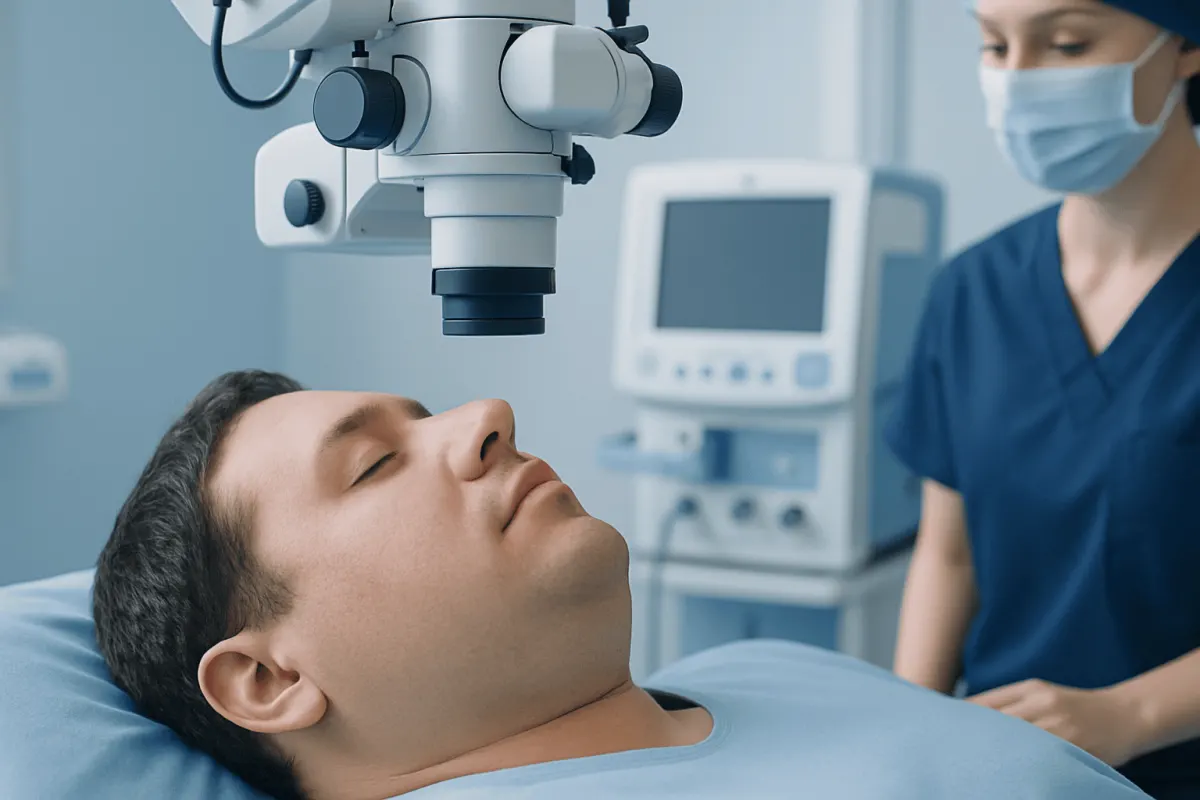
A “fat nose” commonly describes a nose with a broad, rounded or bulbous tip, wide nostrils, or thicker skin rather than extra body fat in the nose. Rhinoplasty can sometimes refine nasal shape, but the appropriate approach, recovery, and achievable result depend on anatomy, skin thickness, breathing function, and personal goals.
Overview: What Does “Fat Nose” Mean?
A fat nose is not a formal medical diagnosis. People often use the term to describe a nose that appears broad, rounded, fleshy, or less defined—particularly at the tip. This appearance is usually related to the shape and strength of the nasal cartilage, the width of the nostrils, the thickness of the skin and soft tissue, and the proportions of the face.
The nose contains skin, cartilage, bone, blood vessels, glands, and a limited amount of soft tissue. It is not an area where excess body fat can typically be targeted or removed in the way fat can be reduced from other parts of the body. Weight changes may slightly alter facial fullness, but they do not reliably make the nasal framework smaller.
For people seeking a lasting change in nasal shape, the relevant option is usually rhinoplasty. This operation can refine selected features while preserving or improving airflow. A careful consultation is important because a natural-looking outcome depends on balancing the desired change with the person’s anatomy and the function of the nose.
Fat Nose Procedure: How Rhinoplasty Can Help
A fat nose procedure generally means rhinoplasty performed to address a wide bridge, broad nasal tip, rounded tip, flared nostrils, or a combination of these features. Depending on the findings, the surgeon may reshape and support tip cartilage, reduce or reposition cartilage, narrow the nasal bones, adjust nostril width, or make carefully planned changes to soft tissue.
Rhinoplasty may be performed through a closed approach, with incisions inside the nostrils, or an open approach, which includes a small incision in the tissue between the nostrils. The best technique depends on the degree of reshaping needed, whether structural support is required, and whether the surgery is a first operation or a revision. The incisions are planned to minimize visible scarring.
Some patients have nasal blockage as well as cosmetic concerns. In these circumstances, functional treatment may be combined with aesthetic rhinoplasty, such as correction of a deviated septum or support of narrowed internal nasal passages. The assessment should include breathing, prior injury, allergies, previous nasal surgery, skin quality, and facial proportions.
Non-surgical injections can sometimes camouflage a small bump or improve symmetry in selected cases, but they cannot make a nose smaller. Injectable treatment around the nose also carries uncommon but serious vascular risks and should only be considered after consultation with an appropriately trained medical professional.
Before and After Rhinoplasty: Setting Realistic Expectations

Fat nose surgery before and after images can be useful for understanding the general range of possible refinements, but they are not a prediction of an individual result. Lighting, camera angle, facial expression, makeup, early swelling, and differences in skin thickness can all affect how the nose appears in photographs.
During consultation, surgeons commonly use facial examination and standardized photographs to discuss proportion, symmetry, tip rotation, width, and the relationship between the nose, chin, lips, and eyes. Computer imaging may assist communication, but it is a planning tool rather than a guarantee of the final appearance.
For a broad or thick-skinned tip, the aim is often improved contour and balance rather than an extremely narrow tip. Removing too much cartilage can weaken the nose, create irregularities, or compromise breathing. A safe plan prioritizes stable support and an appearance that suits the individual face.
It is also helpful to consider emotional readiness. Rhinoplasty is elective for many people, and expectations should be personal and realistic rather than based on social media filters, another person’s result, or pressure from others.
Recovery Timeline and Results
Recovery varies with the extent of surgery and the person’s healing pattern. A splint is often worn for about a week, and bruising and visible swelling are usually most noticeable during the first one to two weeks. Congestion, mild discomfort, and temporary changes in sensation can occur early in recovery.
Most people can return to desk-based work or school after roughly one to two weeks, provided they feel well and their surgeon agrees. Strenuous exercise, contact sports, heavy lifting, swimming, and activities that could bump the nose are restricted for longer. The specific timeline should come from the operating surgeon, as it differs between procedures.
Early changes can be encouraging, but the nose is still healing beneath the skin. Much of the swelling settles over several months, while the tip can take a year or longer to fully refine, especially in people with thicker skin or after more complex surgery. Follow-up appointments help the surgical team monitor healing and answer questions.
There is no proven fat nose remedy in the form of massage, facial exercise, skincare product, or home device that permanently shrinks nasal cartilage or changes the nasal framework. Gentle skin care and sun protection may support skin health, but they do not replace a medical assessment when a structural change is desired.
How long should I rest after nose surgery?
After rhinoplasty, patients generally need a quiet recovery period of about one to two weeks before returning to routine work or school. The first several days are usually best spent resting with the head elevated, using medications only as directed, and avoiding actions that increase pressure in the nose, such as forceful nose blowing, bending, or heavy lifting.
Feeling ready for everyday activities does not mean the nose has fully healed. Walking is often encouraged early if the surgeon permits it, but vigorous exercise is commonly delayed for several weeks. Sports with a risk of facial impact may need to be avoided for a longer period, sometimes with protective guidance from the surgeon.
Rest needs are individual. People should follow their own postoperative instructions, attend scheduled reviews, and contact their surgical team if pain becomes severe, bleeding persists, fever develops, or swelling and redness worsen rather than gradually improve.
Will my nose get smaller 4 months after rhinoplasty?
At four months after rhinoplasty, the nose often looks considerably less swollen than it did in the early weeks, but it may still become slightly more refined over time. Residual swelling is particularly common at the tip, along the bridge, and in areas with thicker skin. This can make the nose appear broader than the final result.
Rather than becoming progressively smaller in a predictable way, the nose gradually settles as swelling resolves and tissues adapt to their new position. Fine changes may continue for 12 months or longer. Revision surgery should not be considered early unless there is an urgent functional or healing concern, because the tissues need adequate time to stabilize.
Patients concerned about their appearance at four months should discuss it with their surgeon. Examination and comparison with prior photographs can help distinguish normal healing from an issue that needs treatment.
Are bulbous noses hard to fix?
Bulbous noses can be more technically demanding to refine than some other nasal shapes because the appearance may arise from multiple factors: broad or weak tip cartilages, a wide soft-tissue envelope, thick skin, nostril shape, or limited structural support. Successful surgery often requires precise reshaping and reinforcement rather than simply removing tissue.
Thicker skin can conceal small contour changes and can remain swollen for longer, so outcomes may be more gradual and subtle. However, this does not mean treatment is unsuitable. An experienced surgeon can explain which changes are realistic and how the individual skin and cartilage characteristics influence planning.
The goal is generally a balanced, supported tip with an appropriate degree of definition. Over-narrowing or excessive cartilage removal can lead to an unnatural appearance, pinching, asymmetry, or breathing difficulties, which is why conservative, individualized surgical planning is important.
What happens 20 years after rhinoplasty?
Twenty years after rhinoplasty, the nose continues to age along with the rest of the face. Skin loses elasticity, soft tissues may descend slightly, and cartilage can change gradually over time. A well-planned rhinoplasty is intended to provide long-lasting structural support, but no cosmetic procedure stops the natural aging process.
Many people remain satisfied with their result for decades. However, previous injury, substantial changes in skin quality, natural aging, scar behavior, or alterations in the nasal support structures can affect appearance or breathing later in life. A small proportion of patients may eventually seek assessment for a functional concern or a revision procedure.
Anyone who develops new or worsening nasal obstruction, recurrent nosebleeds, persistent pain, or a noticeable change in shape years after surgery should arrange medical evaluation. These symptoms may have causes unrelated to the original operation and should not be self-diagnosed.
When to Seek Medical Care
Medical advice is appropriate when nasal shape concerns are accompanied by difficulty breathing through the nose, persistent congestion on one side, snoring with other sleep-related symptoms, recurrent sinus symptoms, frequent nosebleeds, or a history of nasal injury. An ear, nose, and throat specialist or a qualified rhinoplasty surgeon can assess both form and function.
After surgery, urgent advice is needed for heavy or ongoing bleeding, trouble breathing, a high fever, rapidly increasing pain, marked redness or discharge, vision symptoms, or a sudden change in mental alertness. These symptoms are uncommon, but prompt assessment helps protect recovery.
Acıbadem Health Point’s multidisciplinary specialists and JCI-accredited hospitals can assess nasal appearance and breathing concerns and discuss appropriate treatment options for international patients. A consultation should always include a clear discussion of expected benefits, limitations, recovery, and potential risks.
Frequently asked questions
01Can losing weight make a fat nose smaller?
Weight loss can reduce overall facial fullness in some people, which may change how the nose looks in relation to the cheeks and jawline. It does not usually reduce the cartilage, bone, or skin thickness that determines nasal shape, so it is not a reliable way to make the nose smaller.
02Is there a non-surgical fat nose remedy?
There is no evidence-based cream, exercise, massage, or device that permanently shrinks a broad or bulbous nose. In selected cases, injectable fillers can camouflage certain contours, but they do not reduce nasal size and require careful assessment because the nose is a higher-risk injection area.
03Does rhinoplasty hurt?
Most patients describe pressure, congestion, tenderness, and swelling more often than severe pain. The surgical team provides individualized guidance on pain relief and aftercare, and discomfort usually improves during the first days after surgery.
04How long does swelling last after rhinoplasty?
The most visible swelling generally improves in the first few weeks. More subtle swelling, especially at the tip, can take several months to resolve, and final refinement may continue for a year or longer.
05Can rhinoplasty improve breathing as well as appearance?
Yes, rhinoplasty can be combined with functional nasal surgery when there are concerns such as a deviated septum, valve narrowing, or injury-related obstruction. A preoperative assessment should evaluate airflow so that cosmetic changes do not compromise nasal function.
06Are rhinoplasty results permanent?
The structural changes made during rhinoplasty are designed to last. However, the nose and face continue to change naturally with age, and injury, scar changes, or breathing problems can occasionally lead someone to seek further assessment later.
This article is for general information only and is not a substitute for professional medical advice. Please consult a qualified doctor about your individual situation.
Medical weight-loss options in Turkey — costs & eligibility
JCI-accredited · board-certified surgeons · reply within 24h
Add us as a Preferred Source to see more of our trusted health content across Google Search, AI Overviews and Discover.