

Fanconi Anemia: Symptoms, Causes and Treatment
- 8 min read
- Published November 28, 2026
Key Takeaways
- Fanconi anemia disease is a rare inherited disorder that often affects the bone marrow and blood cell production.
- Symptoms may include easy bruising, frequent infections, tiredness, and growth or developmental differences.
- Diagnosis usually involves blood tests, genetic testing, and specialized evaluation of the bone marrow and other organs.
- Treatment is individualized and may include monitoring, medicines, transfusions, stem cell transplant, and care for related complications.
- Because it can affect several body systems, long-term follow-up with a specialist team is important.
- Families may need genetic counseling to understand inheritance and future family planning.
Fanconi anemia disease is a rare inherited condition that can affect the bone marrow, blood counts, and other organs. Early diagnosis helps families understand monitoring, treatment options, and long-term care planning.
Overview
Fanconi anemia disease is a rare, inherited condition that can change how the body makes blood cells and how some organs develop. It is most often discussed as a bone marrow failure syndrome, because the bone marrow may gradually lose its ability to produce enough red blood cells, white blood cells, and platelets.
Although the name sounds similar to kidney disease, Fanconi anemia is not mainly a kidney problem. It is a genetic condition with wide effects, and its impact can differ from one person to another. Some children are diagnosed early because of birth differences or growth concerns, while others are identified later after blood tests show low counts or when infections and bruising become more noticeable.
For families, the diagnosis can be unfamiliar and emotionally heavy at first. A clear understanding of what the condition can and cannot do, how it is monitored, and which treatments are available can make decisions more manageable—especially when care is being coordinated across borders or between local doctors and a specialist center.
Symptoms
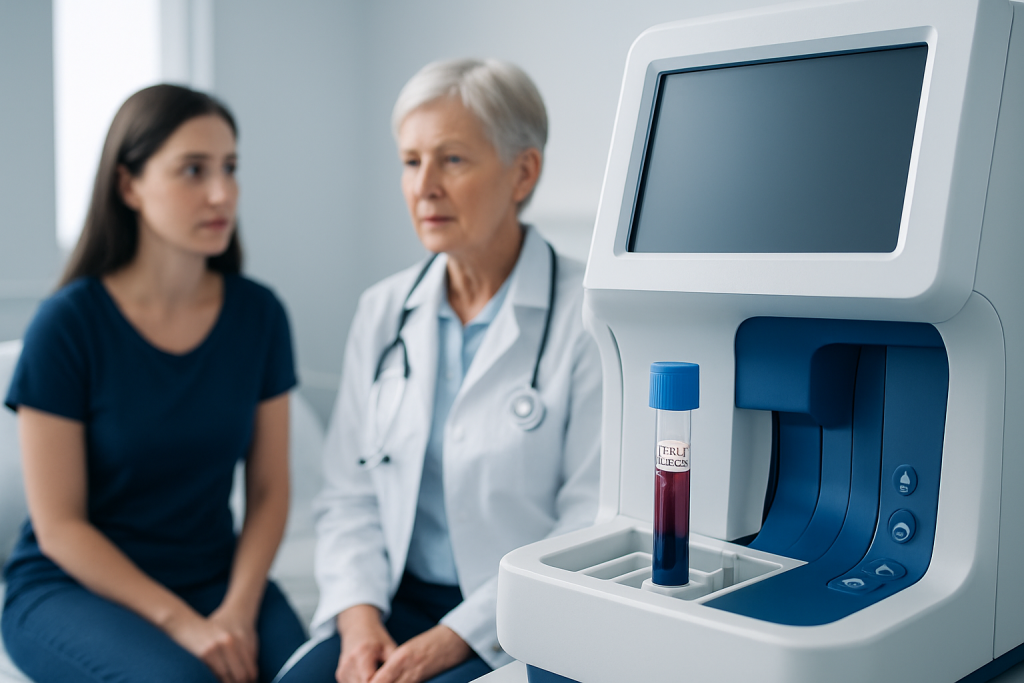
The signs of Fanconi anemia disease often develop slowly. A child may seem more tired than expected, catch infections more often, or bruise easily after minor bumps. These changes usually reflect low blood counts, which can affect oxygen delivery, infection defense, and clotting.
Some children also have physical findings that prompt earlier evaluation. These may include shorter height than expected, thumb or arm differences, skin changes such as café-au-lait spots, or differences in the kidneys, eyes, ears, or reproductive organs. Not every person has visible features, and a normal appearance does not rule out the condition.
Possible symptoms and findings include:
- Fatigue or pale skin
- Frequent or severe infections
- Easy bruising or nosebleeds
- Slow growth or delayed development
- Birth differences affecting the thumbs, arms, kidneys, or other organs
- Later risk of bone marrow failure and certain cancers
Because the condition can affect more than the blood, symptoms may appear in stages over time. That is one reason regular follow-up matters even when a child seems well.
Causes & Risk Factors

Fanconi anemia disease is caused by changes in genes involved in repairing damaged DNA. When these repair pathways do not work properly, cells can become less stable and may not divide normally. Over time, this can lead to bone marrow failure and increase the risk of certain cancers.
The condition is inherited, meaning it is passed through families. In many cases, a child inherits altered gene copies from both parents, who may be healthy carriers. Families may not know there is a risk until a child is diagnosed, especially when there has been no prior history of similar illness.
Risk factors are mostly genetic rather than lifestyle-related. A family history of Fanconi anemia, unexplained childhood blood problems, birth differences, or relatives who are known carriers can raise suspicion. Genetic counseling is often helpful after diagnosis, since it can explain inheritance patterns, testing options for relatives, and future pregnancy planning in a clear, non-technical way.
Diagnosis
Diagnosis usually starts when a doctor notices low blood counts, repeated infections, unusual bruising, growth concerns, or congenital differences. The next step is often a hematology or genetics evaluation, where the pattern of findings is reviewed in detail rather than in isolation.
Blood tests are used to look at hemoglobin, white blood cells, platelets, and the overall health of the bone marrow. Genetic testing can identify the specific gene change responsible for the condition. In many patients, specialized chromosome breakage studies are also used because the cells show a characteristic response to DNA damage.
Because Fanconi anemia disease can involve several organ systems, the assessment often goes beyond blood work. Depending on the person’s age and findings, doctors may recommend bone marrow evaluation, kidney imaging, hearing or eye testing, and developmental assessment. This broader picture helps the care team understand current needs and plan for the future rather than reacting only when symptoms become severe.
Treatment Options
Treatment depends on the person’s age, blood counts, organ findings, and overall health. There is no single plan that fits everyone, so care is usually coordinated by a team that may include pediatric hematology, genetics, transplant specialists, and other subspecialists when needed.
Some patients are first managed with close monitoring if blood counts remain stable. Supportive treatment may include transfusions, infection management, and careful follow-up for bone marrow changes. Doctors may also treat associated issues such as hearing differences, kidney abnormalities, or growth concerns, since these can affect day-to-day life and long-term wellbeing.
For some patients, stem cell transplant is the only treatment that can replace a failing bone marrow. When considered, it is planned carefully because people with Fanconi anemia disease may be more sensitive to certain treatments. The process is individualized, and the medical team will discuss benefits, risks, donor options, and supportive care in detail before moving forward.
Other treatments may focus on symptom control and complication prevention. These might include infection precautions, blood product support when needed, and surveillance for cancers that can occur later in life. The goal is not only to treat current problems, but also to reduce preventable harm over time.
Prevention & Self-care
Because Fanconi anemia disease is inherited, it cannot usually be prevented through lifestyle changes. What families can do is reduce avoidable risks and stay consistent with follow-up. A practical care plan often makes a meaningful difference, especially when the family lives far from the treating center.
Helpful self-care steps may include watching for fever, unusual bruising, bleeding, or signs of infection, and seeking medical advice promptly when changes appear. Families are often encouraged to keep a written record of blood counts, Blood Test Results: Causes and Meaning" class="ahp-ilk">test results, medications, and specialist recommendations so care remains organized across countries or between different clinics.
General support measures may include balanced nutrition, good oral hygiene, routine vaccinations if approved by the doctor, and avoiding exposure to tobacco smoke or unnecessary toxins. Parents and patients may also benefit from emotional support and genetic counseling, since this condition can affect both medical decisions and family planning.
When international treatment is being considered, planning ahead for travel, follow-up timing, and access to records can make care smoother. A well-prepared medical summary can help the receiving team move directly into evaluation rather than repeating tests that have already been done.
When to See a Doctor
Medical evaluation is important if a child has persistent fatigue, frequent infections, unexplained bruising, nosebleeds, slow growth, or visible birth differences that may relate to Fanconi anemia disease. These symptoms do not always mean a serious disorder, but they do deserve timely assessment so the cause is not missed.
A doctor should also be contacted if a known patient develops fever, bleeding, worsening weakness, or a sudden change in how often they become ill. These may be signs that blood counts are dropping or that the body is struggling to fight infection.
Families already living with the diagnosis should keep regular appointments even during stable periods. Ongoing monitoring allows the care team to detect bone marrow changes, discuss cancer surveillance when appropriate, and adjust the plan before problems become difficult to reverse. For international patients, a second opinion or specialized review can be especially useful when treatment decisions are complex or time-sensitive.
Acibadem Health Point’s multidisciplinary specialists and JCI-accredited hospitals diagnose and treat Fanconi anemia disease for international patients with coordinated care and follow-up planning.
Frequently asked questions
01Is Fanconi anemia disease always diagnosed in childhood?
No. Many children are diagnosed early because of blood count changes or physical findings, but some people are identified later. The timing depends on how strongly the condition affects the body and whether symptoms are obvious at first.
02Does Fanconi anemia only affect the blood?
No. It often affects the bone marrow and blood counts, but it can also involve the kidneys, thumbs, growth, hearing, eyes, and reproductive organs. That is why the evaluation usually includes more than one type of test.
03Is stem cell transplant a cure?
Stem cell transplant can replace failing bone marrow and is the main potentially curative treatment for the blood-related part of the disease. Even after transplant, patients still need follow-up because other organ-related issues and cancer surveillance may remain important.
04What should parents watch for at home?
Parents should pay attention to fever, repeated infections, bruising, bleeding, unusual tiredness, or changes in growth and development. Keeping notes on symptoms and blood test results can help the care team respond more effectively.
05Can children with Fanconi anemia disease go to school and have normal activities?
Many children can attend school and participate in appropriate activities with individualized guidance. The plan depends on blood counts, infection risk, and the doctor’s advice about contact sports, travel, or other exposures.
06Why is genetic counseling recommended?
Genetic counseling helps families understand how the condition is inherited and what it may mean for siblings or future pregnancies. It can also support relatives who may want testing or who need help interpreting results.
This article is for general information only and is not a substitute for professional medical advice. Please consult a qualified doctor about your individual situation.
Explore treatments in Turkey — costs, top hospitals & a free quote
JCI-accredited · board-certified surgeons · reply within 24h
Add us as a Preferred Source to see more of our trusted health content across Google Search, AI Overviews and Discover.



How can we help you today?
Meet an Acibadem specialist by secure video, before you travel.
Book a video visit