Face Serum: Benefits, Uses and Risks

Key Takeaways
- Face serums are usually more concentrated than moisturizers and are designed to target specific concerns.
- Ingredient choice matters more than packaging claims; the best serum depends on skin type and goal.
- Patch testing and gradual introduction can help reduce irritation, especially for sensitive skin.
- Serums work best as part of a consistent routine that includes cleansing, moisturizing, and daily sunscreen.
- Persistent redness, acne, dark spots, or irritation deserve professional dermatology advice.
Face serum is a lightweight skin-care product designed to deliver concentrated ingredients to the skin. Choosing the right formula depends on a person’s skin goals, sensitivity, and how well the serum fits into a simple, consistent routine.
Overview
Face serum is a broad term for a concentrated skin-care product made to address a specific concern, such as dryness, dullness, uneven tone, acne, or early signs of aging. Compared with creams and lotions, serums are usually lighter in texture and are often designed to deliver active ingredients in a more focused way.
That does not mean a serum is automatically “stronger” or better for every person. The most useful serum is the one that matches the skin’s needs and can be used comfortably over time. For someone building a routine from scratch, a serum often sits between cleansing and moisturizing, where it can complement the rest of daily skin care without making the routine complicated.
For international patients who travel for dermatology care, serum selection is often discussed as part of a practical plan: what the skin can tolerate during travel, how to maintain results after returning home, and which ingredients are readily available in the person’s country. That makes the conversation less about trends and more about long-term skin health.
What a Face Serum Actually Does

Serums are formulated to spread easily and absorb quickly. Their job is to bring active ingredients into closer contact with the skin than many richer creams can. Depending on the formula, a serum may hydrate, brighten, soothe, support the skin barrier, or help improve acne-related concerns.
Because serums are concentrated, they often target one main issue rather than doing everything at once. A hydrating serum may focus on ingredients such as hyaluronic acid or glycerin, while a brightening serum may rely on vitamin C or niacinamide. An anti-acne serum may include salicylic acid or other exfoliating or balancing ingredients.
People sometimes expect immediate transformation, but skin care usually works gradually. A serum may help most when it is paired with a stable routine, healthy sleep, sun protection, and realistic expectations. It is a support tool, not a shortcut.
Common Skin Concerns Serums May Help With
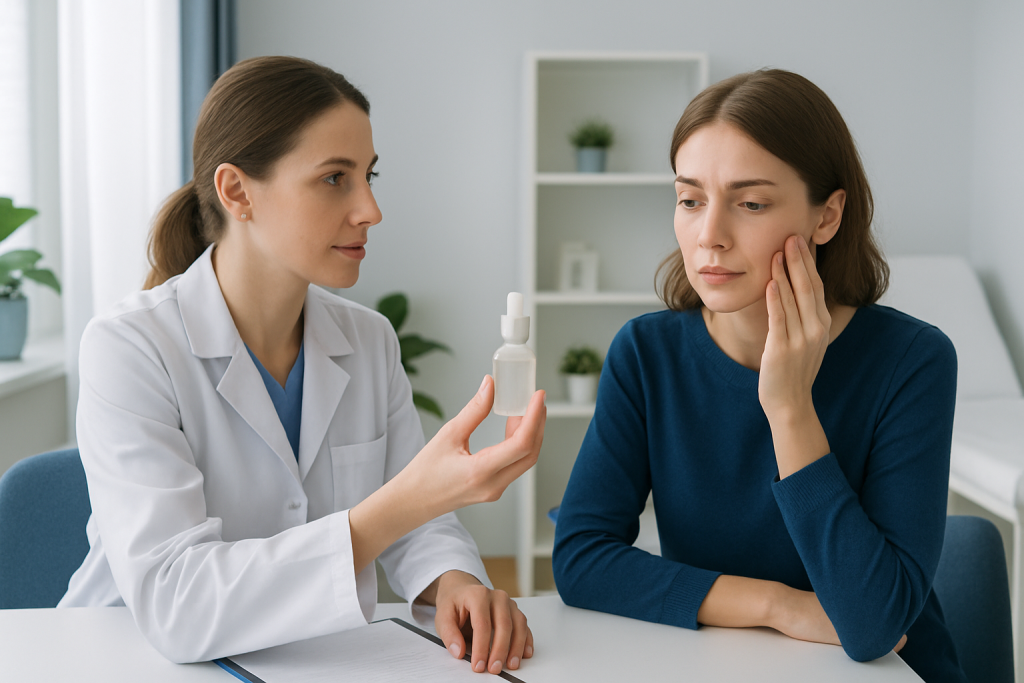
Different serums are designed for different goals, and understanding that difference makes shopping and use much easier. A person with dry or tight skin may benefit from a hydrating serum, while someone with post-acne marks may look for formulas that support a more even appearance over time.
Some of the most common use cases include:
- Dryness or dehydration
- Dull or tired-looking skin
- Uneven skin tone or dark spots
- Fine lines and early texture changes
- Acne-prone or oil-prone skin
- Sensitivity or a weakened skin barrier
It is important to note that a serum may help with the appearance of these concerns, but it does not replace medical treatment when a condition is more than a cosmetic issue. Persistent acne, eczema, rosacea, or sudden pigmentation changes should be assessed by a qualified dermatologist.
Ingredients and How They Differ
Ingredient lists tell a much more useful story than marketing labels. A face serum can contain one major active ingredient or a blend of several supporting ingredients, and the right choice depends on the skin’s needs and tolerance.
Some widely used ingredients include hyaluronic acid for hydration, niacinamide for supporting oil balance and tone, vitamin C for brightening and antioxidant support, retinoids for texture and aging concerns, and salicylic acid for oily or acne-prone skin. Soothing ingredients such as centella asiatica, panthenol, or ceramides may be helpful for sensitive or barrier-impaired skin.
More active ingredients are not always better. A serum with several strong actives can be irritating, especially when layered with exfoliants, scrubs, or prescription treatments. For many people, a simpler formula used regularly is more effective than an ambitious routine that the skin cannot comfortably tolerate.
How to Choose the Right Serum
The best serum is chosen by skin goal, skin type, and history of sensitivity. A person with dry skin may look for humectants and barrier-supporting ingredients. Someone with acne-prone skin may need lighter textures and ingredients that do not clog pores. A person concerned about pigmentation may prefer brightening ingredients but should also use daily sunscreen.
Reading labels can help. Terms such as “non-comedogenic” or “fragrance-free” may be useful, though they are not guarantees for every skin type. Testing one new serum at a time gives clearer results, because it is easier to see whether the product helps or irritates when the routine is not changing in many places at once.
When people receive dermatology advice abroad, it can also help to ask whether the recommended serum is available locally, whether it should be used with a prescription product, and how to adapt it to a different climate. Hot, humid, cold, or very dry environments can all influence how the skin responds.
How to Use Face Serum Safely
Most serums are used after cleansing and before moisturizer. Some are designed for morning use, especially antioxidant serums, while others are best used at night, particularly stronger exfoliating or retinoid products. The product instructions matter, because not every formula is meant to be layered the same way.
It is often wise to introduce a serum slowly, especially if the skin is sensitive. A patch test can help identify early irritation before the product is applied widely to the face. If redness, burning, itching, or scaling appears, it is sensible to stop the product and seek advice rather than trying to push through discomfort.
Sun protection is especially important when using active serums that may increase sun sensitivity or when treating pigmentation concerns. A broad-spectrum sunscreen remains one of the most reliable parts of any skin-care plan.
Prevention, Maintenance, and Realistic Self-care
Good skin care is usually less about finding one perfect product and more about avoiding the habits that repeatedly irritate the skin. Over-exfoliating, changing products too often, combining too many actives, and skipping sunscreen can all make it harder to see benefits from even a well-chosen serum.
Simple routines are often easier to maintain across different countries, work schedules, and climates. For travelers or people living between locations, keeping the routine consistent during flights, hotel stays, and after arrival can help the skin stay calm. A gentle cleanser, a suitable serum, moisturizer, and sunscreen are often enough for many people.
When a serum is used for a specific concern such as acne marks or uneven tone, patience matters. Skin changes usually happen over weeks rather than days, and the goal should be steady improvement rather than perfection. If the skin is becoming more irritated instead of calmer, the routine may need to be simplified.
When to See a Doctor
A dermatologist can help when a person is unsure which serum is appropriate, especially if the skin is very sensitive or there is a history of eczema, rosacea, or allergic reactions. Professional guidance is also helpful when a product seems to worsen the skin rather than improve it.
Medical advice is especially important if there is persistent acne, scarring, sudden darkening or lightening of the skin, a rash, swelling, or ongoing burning after applying skin-care products. These symptoms may indicate an underlying skin condition rather than a simple product mismatch.
For international patients, a specialist consultation can also clarify which ingredients are safe to continue after treatment, which products should be paused around procedures, and how to maintain results at home. Acibadem Health Point’s multidisciplinary specialists and JCI-accredited hospitals support diagnosis and treatment for international patients seeking dermatology care.
Frequently asked questions
01What is the difference between a face serum and a moisturizer?
A serum is usually lighter and more concentrated, while a moisturizer is designed mainly to help seal in hydration and support the skin barrier. Many people use both, because they serve different purposes in a routine.
02Can face serum replace moisturizer?
For most people, no. A serum may add targeted ingredients or hydration, but a moisturizer usually helps lock in moisture and protect the skin more effectively, especially for dry or sensitive skin.
03How long does it take to see results from a face serum?
That depends on the ingredient and the skin concern. Hydration may feel noticeable sooner, while changes in tone, texture, or acne-related marks often take several weeks of consistent use.
04Should face serum be used in the morning or at night?
It depends on the formula. Antioxidant and hydrating serums are often used in the morning, while retinoid or exfoliating serums are often reserved for nighttime use, following the product instructions.
05Can people with sensitive skin use face serum?
Yes, but they usually do better with gentle, fragrance-free formulas and slow introduction. Patch testing and choosing one active ingredient at a time can reduce the chance of irritation.
06When should a person stop using a serum?
A serum should be stopped if it causes persistent burning, swelling, rash, or worsening redness. If symptoms continue or the skin concern does not improve, a dermatologist should evaluate the skin.
This article is for general information only and is not a substitute for professional medical advice. Please consult a qualified doctor about your individual situation.
Explore treatments in Turkey — costs, top hospitals & a free quote
JCI-accredited · board-certified surgeons · reply within 24h
Add us as a Preferred Source to see more of our trusted health content across Google Search, AI Overviews and Discover.