Eyebrow Transplant vs Microblading: Key Differences
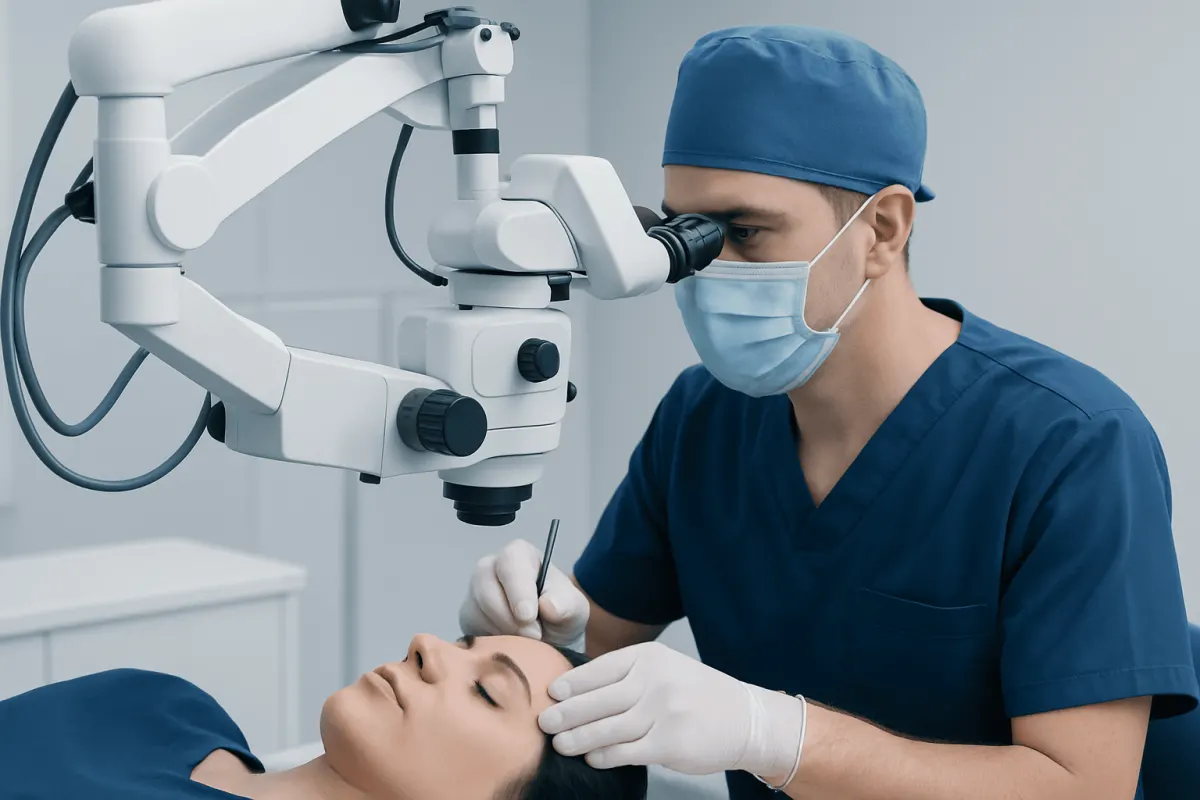
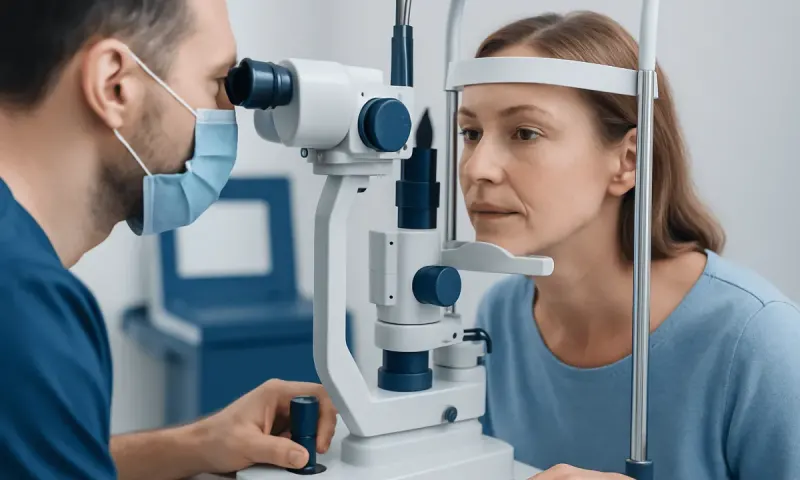
Eyebrow transplant and microblading can both improve the appearance of sparse or uneven brows, but they work in fundamentally different ways. An eyebrow transplant places living hair follicles for a long-term surgical result, while microblading adds superficial pigment to create the look of hairs for a limited period.
Overview: choosing between eyebrow transplant and microblading
When comparing eyebrow transplant vs microblading, the most important difference is that a transplant restores hair growth, whereas microblading creates the appearance of fuller brows with pigment. Neither choice is universally better: the right option depends on a person’s eyebrow pattern, underlying health, cosmetic goals, tolerance for maintenance and suitability for a procedure.
An eyebrow transplant is typically considered by people with permanently sparse brows due to genetics, over-plucking, scars, burns or stable hair loss. Follicles are usually taken from the scalp and carefully implanted into the brow. The follicles can continue producing hair, so the result is intended to be long lasting, although transplanted eyebrow hairs often need regular trimming.
Microblading is performed by a trained cosmetic practitioner using a handheld device to place pigment in fine strokes near the skin surface. It can add definition, fill gaps and reshape eyebrows without moving hair follicles. It may be useful for someone who wants a non-surgical change, has enough skin health for pigment placement and understands that fading and touch-ups are expected.
How each option works
In an eyebrow transplant, a surgeon harvests individual follicular units from a donor area, commonly the back or side of the scalp. Each graft may contain one or more hairs, and the surgeon prepares and places the grafts at carefully selected angles, directions and densities to support a natural-looking eyebrow design. Because scalp hairs have a different growth cycle from eyebrow hairs, ongoing grooming is usually part of the result.
Microblading does not create hair or treat the reason that hair has been lost. Small, controlled cuts or channels are made in the upper skin layers and pigment is deposited to mimic individual hairs. The pigment appears darker at first, then softens as the skin heals. Skin type, sun exposure, skincare products, immune factors and pigment characteristics can influence how evenly and how long the result lasts.
Some people choose microblading to preview a preferred brow shape before considering surgery. Others may use it when they do not want surgery or do not have an adequate donor area. However, previous tattoo or microblading pigment should be assessed before transplantation because it can affect brow design and may make it harder to judge natural hair placement.
Who may be a candidate?

Good candidates for eyebrow transplantation generally have stable eyebrow thinning and sufficient healthy donor hair. They should be able to follow aftercare instructions and have realistic expectations about gradual growth, the possibility of more than one session in selected cases and the need to trim growing hairs. A consultation usually includes an assessment of the eyebrow area, scalp donor supply, facial proportions, medical history and current medicines.
People may be less suitable for transplantation if active inflammation, infection, uncontrolled skin disease or an unstable form of hair loss affects the brow area. Some autoimmune or scarring disorders can damage follicles or reduce graft survival, so a dermatologist may need to establish whether the condition is inactive before an aesthetic procedure is considered. For a fuller discussion of surgical planning, patients can review eyebrow transplant treatment.
Microblading candidates should have healthy, intact skin around the brows and should disclose allergies, skin conditions, previous cosmetic tattooing and medications that may affect bleeding or healing. It may be postponed during an active rash, infection, flare of eczema or psoriasis, or if the skin is irritated by topical treatments. A patch test may be appropriate when there is concern about pigment sensitivity.
- Consider transplantation for a long-term hair-restoration approach.
- Consider microblading for a non-surgical, pigment-based enhancement that requires maintenance.
- Seek medical evaluation first when the cause of brow loss is uncertain.
What happens during the procedures and recovery
Eyebrow transplantation is commonly performed as an outpatient procedure using local anaesthetic. After the brow design is agreed, donor follicles are collected, sorted and implanted into tiny recipient sites. The process can take several hours, depending on the planned number of grafts and the complexity of the design. Mild redness, swelling, tenderness and small crusts can occur in the days afterward.
Transplanted hairs may shed in the first weeks; this can be a normal part of the growth cycle and does not necessarily mean that the follicles have failed. New growth commonly becomes noticeable over the following months, with the final appearance evolving gradually. The clinical team will provide individual guidance on cleansing, exercise, sun protection, sleeping position and when grooming can resume.
Microblading is generally shorter and usually involves topical numbing measures. Immediately after treatment, the brows can look darker, sharper or warmer in tone than the healed result. Flaking and temporary unevenness may occur while the skin recovers. Patients are usually advised to avoid picking, excessive moisture, swimming, sweating and sun exposure for the period recommended by their practitioner.
A follow-up microblading appointment is often used to assess healing and refine pigment where appropriate. Unlike a transplant, the visual effect is present early but fades over time. Touch-up timing varies considerably, so it should be discussed with the practitioner rather than assumed to be the same for every person.
Benefits, limitations and possible risks
The potential benefit of an eyebrow transplant is the placement of living follicles that can provide real hair texture and a durable result. It may be especially helpful where the goal is to restore a missing or scarred section of brow. Its limitations include the surgical nature of the procedure, recovery time, delayed visible growth and the need to trim transplanted hairs regularly.
Possible transplant risks include bleeding, infection, swelling, temporary numbness, scarring, ingrown hairs, uneven density, an unnatural direction of growth or less graft growth than expected. Experienced assessment and careful design are important because eyebrows are highly visible and hair angle matters greatly. Results can also be affected by the health of the recipient skin and the original cause of hair loss.
The potential benefits of microblading include no donor-hair surgery, relatively rapid cosmetic improvement and flexibility to change the style as pigment fades. Limitations include a temporary result, variable pigment retention and the fact that it cannot restore actual hair. The brow may need continued cosmetic maintenance to preserve its appearance.
Microblading risks include infection, allergic or inflammatory reactions, unwanted colour changes, pigment spread or blurring, scarring and dissatisfaction with the shape or symmetry. These risks can be reduced, but not eliminated, by choosing an appropriately trained practitioner who uses hygienic techniques and by following aftercare advice. People should avoid attempting either procedure during an active skin problem.
Making a practical decision
A useful starting point is to decide whether the priority is growing hair or creating the visual effect of hair. A person who wants a longer-term solution, has stable hair loss and is comfortable with surgery may prefer a transplant consultation. A person who wants a less invasive change, accepts periodic fading and does not need actual hair growth may prefer microblading.
It is also important to consider the reason for sparse brows. Over-plucking, a healed scar and naturally fine eyebrows may be approached differently from new patchy loss caused by skin disease, hormonal changes, nutritional deficiency, medication effects or an autoimmune condition. Cosmetic treatment should not delay medical assessment when symptoms suggest a health-related cause.
Photographs, a clear discussion of desired brow shape and disclosure of all previous treatments can support safer planning. People should ask about who will perform the procedure, relevant qualifications, infection-control measures, expected healing, aftercare and what outcomes are realistic for their skin and hair characteristics. Acıbadem Health Point’s multidisciplinary specialists and JCI-accredited hospitals assess and treat eyebrow hair restoration needs for international patients.
When to seek medical care
Medical care is advisable when eyebrow loss is sudden, rapidly progressing, patchy or accompanied by scalp hair loss. An appointment is also important if the skin is itchy, painful, scaly, red, swollen or scarred, or if there are changes in eyelashes, nails, weight, energy levels or menstrual patterns. These features can point to an underlying condition that needs diagnosis before cosmetic treatment.
A dermatologist can examine the skin and hair, review medicines and medical history, and decide whether tests or a biopsy are needed. Conditions such as alopecia areata, thyroid disease, inflammatory skin disorders and nutritional problems may require targeted treatment. Treating the underlying cause may help protect remaining hair and guide whether eyebrow restoration is appropriate later.
Urgent assessment is appropriate for signs of infection after a procedure, including increasing pain, spreading redness, warmth, pus, fever or significant swelling. Anyone who develops a severe rash, breathing difficulty or facial swelling after pigment exposure should seek urgent medical help.
Frequently asked questions
01Is an eyebrow transplant more permanent than microblading?
An eyebrow transplant places living hair follicles, so successful grafts can continue to grow over the long term. Microblading places pigment rather than hair and generally fades with time, making maintenance appointments necessary. Individual outcomes vary with skin health, technique and aftercare.
02Does eyebrow transplant hair grow like normal eyebrow hair?
Transplanted follicles are commonly taken from the scalp, so they may grow longer and faster than natural eyebrow hair. Regular trimming and gentle grooming are usually needed. The surgeon places grafts at low, precise angles to help the hairs lie naturally.
03Can microblading be used if there is no eyebrow hair?
Microblading can create the appearance of brow hairs even when little or no natural hair is present. However, it does not restore follicles or address the medical reason for hair loss. A clinician should evaluate unexplained or recent eyebrow loss first.
04Can someone have microblading after an eyebrow transplant?
It may be possible after the transplant has fully healed and the result has matured, but timing should be guided by the treating surgeon. Pigment may be used in selected cases to add definition or camouflage small gaps. It should not be performed over healing skin or during active inflammation.
05How long is recovery after eyebrow transplantation?
Early swelling, redness and small crusts often settle during the initial healing period, but hair growth takes longer to become visible. Transplanted hairs may shed before new growth begins, which can be expected. A surgeon can provide a personalised recovery timeline based on the procedure and individual healing.
06Is microblading safe for sensitive skin?
Sensitive skin does not automatically rule out microblading, but it can increase the importance of assessment and cautious planning. Active dermatitis, infection, irritation or a history of pigment reactions should be discussed before treatment. A qualified practitioner may recommend postponing treatment or arranging a patch test where appropriate.
This article is for general information only and is not a substitute for professional medical advice. Please consult a qualified doctor about your individual situation.
Hair transplant in Turkey — costs, graft counts & a free assessment
JCI-accredited · board-certified surgeons · reply within 24h
Add us as a Preferred Source to see more of our trusted health content across Google Search, AI Overviews and Discover.