Eye Mucus Is Usually Normal; Its Changes Signal Problems
You wake up, and there it is again — a little crust in the corner of your eye. For most people that’s simply the night’s leftovers: a mixture of tears, oils, skin cells, and mucus that helps keep the eye surface clean. Small amounts, especially on waking, are common.
What matters is when things change. Shifts in the amount, texture, or color of the discharge, and the symptoms that come along with it, can help you tell an ordinary morning crust from something that deserves a medical assessment.
Overview: What Does Eye Mucus Mean?
Eye mucus, also called eye discharge or rheum, is a normal substance made from tears, natural oils, mucus, and shed cells. Throughout the day, blinking and tears usually wash this material away. During sleep, however, blinking stops and small amounts can collect at the inner corner of the eyes or along the eyelashes.
Normal eye mucus is scant, clear to whitish, and wipes away easily. You may see a small crust in the morning, but it shouldn’t cause real discomfort, lasting redness, or changes in your vision. The amount can temporarily increase with tiredness, dry air, smoke exposure, seasonal allergies, or a mild viral illness.
More noticeable, sticky, or persistent discharge can happen when the eye surface or eyelids are irritated or inflamed. Common explanations include dry eye disease, allergies, conjunctivitis, eyelid inflammation, a blocked tear-drainage pathway, or contact lens-related irritation. In practice, the symptoms around the discharge tell us more than its color does.
How to Recognize Normal and Concerning Eye Discharge
Normal morning crusting is generally mild and occurs in both eyes without pain, marked redness, or visual disturbance. After gently cleaning the eyelids, the eyes should feel comfortable and remain mostly free of discharge during the day.
Discharge related to irritation may be watery, white, or stringy. People with allergies often notice itching, tearing, puffy eyelids, sneezing, or nasal symptoms. Dry eye can cause a gritty sensation, fluctuating vision, burning, reflex tearing, and fine strands of mucus, particularly after prolonged screen use or time in air-conditioned environments.
Features that deserve closer attention include discharge that repeatedly glues the eyelids shut, substantial redness, eyelid swelling, a foreign-body sensation, or symptoms mainly affecting one eye. Thick yellow or green discharge may occur with bacterial infection, but it is not diagnostic by itself. Viral infections can also produce mucus, tearing, redness, and crusting.
- Clear and watery: often seen with irritation, allergy, dry eye, or viral illness.
- White and stringy: may be associated with allergy or dry eye.
- Thick or pus-like: can occur with bacterial conjunctivitis or another infection.
- Bloody, dark, or persistent one-sided discharge: should be evaluated by a clinician.
Common Causes of Eye Mucus

Conjunctivitis, commonly called pink eye, is inflammation of the clear membrane covering the white of the eye and inner eyelids. It may be caused by viruses, bacteria, allergens, or irritants. Viral conjunctivitis frequently causes watery discharge and redness, while bacterial conjunctivitis can cause thicker discharge and eyelids that stick together. Allergic conjunctivitis typically affects both eyes and causes prominent itching.
Dry eye disease is another frequent cause. When tears do not adequately lubricate the eye, the surface may become irritated and produce mucus. Dry eye is more likely with aging, screen use, certain medications, hormonal changes, windy or dry conditions, and some autoimmune conditions. It can coexist with excessive tearing because irritation may trigger reflex tears.
Blepharitis is inflammation around the eyelid margins, often linked to blocked oil glands, skin conditions, or an imbalance of normal eyelid bacteria. It can lead to flaky debris at the lashes, burning, recurrent styes, and morning crusting. A stye or chalazion may also cause localized eyelid tenderness or swelling.
Less commonly, mucus or persistent tearing results from a blocked tear duct. This may occur in infants, after inflammation or injury, or in adults with narrowing of the drainage system. Contact lens wearers can develop discharge from dryness, poor lens hygiene, allergy, or infection, so new redness or discomfort while wearing lenses should not be ignored.
Risk Factors and Clues That Help Identify the Cause
Recent exposure can provide useful clues. Viral conjunctivitis may develop during or after a cold and can spread easily through hand-to-eye contact. Allergic symptoms may follow exposure to pollen, dust, animal dander, cosmetics, or other triggers. Exposure to smoke, chlorine, air pollution, or workplace irritants can also increase tearing and mucus production.
Contact lenses raise the importance of careful assessment because infection of the cornea can progress quickly. Sleeping in lenses, swimming while wearing them, extending their recommended use, or cleaning them improperly can increase risk. A person who wears contact lenses and develops red eye, pain, sensitivity to light, reduced vision, or discharge should remove the lenses and seek prompt eye care.
Age and general health also matter. Babies may have sticky eyes from a blocked tear duct or infection and should be assessed if redness, swelling, fever, or worsening discharge occurs. Older adults may be more prone to dry eye and eyelid gland dysfunction. People with diabetes, immune suppression, inflammatory conditions, or recent eye surgery should seek advice sooner for new eye symptoms.
How Eye Discharge Is Evaluated
A clinician usually begins by asking when the discharge started, whether one or both eyes are affected, and whether there is itching, pain, blurred vision, a cold, allergy symptoms, injury, or contact lens use. They will also ask about recent exposure to someone with conjunctivitis, new eye products, medications, and prior eye conditions.
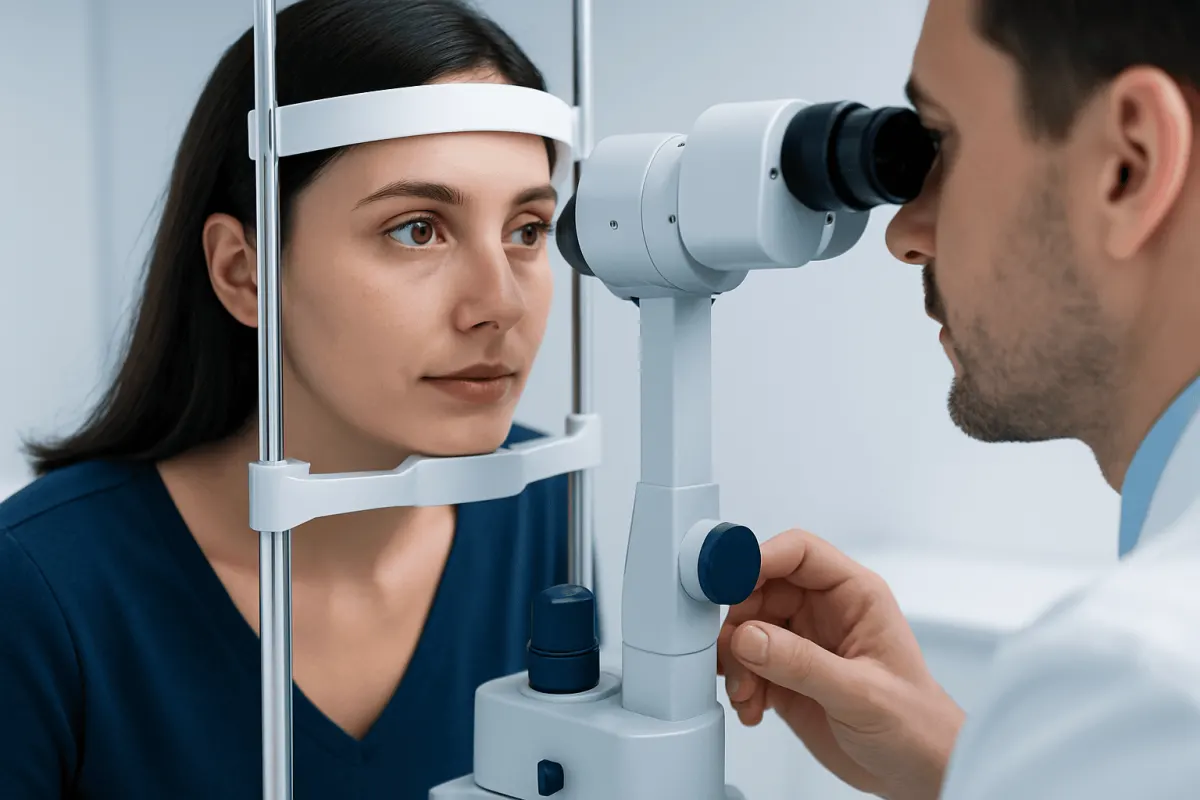
During an examination, the clinician checks vision, eyelids, eye movements, the amount and type of discharge, and the appearance of the conjunctiva and cornea. An eye examination can help distinguish surface irritation from conditions requiring more urgent treatment. In some cases, fluorescein dye is used to look for scratches, ulcers, or other corneal changes.
Laboratory swabs are not necessary for most uncomplicated cases of conjunctivitis. They may be considered when symptoms are severe, recurrent, do not improve as expected, occur in a newborn, or raise concern for an unusual infection. Accurate diagnosis matters because antibiotics do not help viral or allergic conjunctivitis and are not appropriate for every cause of eye discharge.
Treatment and Safe Self-Care
Treatment depends on the underlying cause. Mild morning mucus often needs no treatment beyond gentle cleansing. A clean washcloth moistened with cooled boiled water or clean warm water can be held against closed eyelids to soften crusts, then wiped gently from the inner corner outward. A fresh cloth or pad should be used for each eye.
For dry eye or mild irritation, a clinician may recommend preservative-free lubricating eye drops and practical adjustments such as regular screen breaks, blinking more fully, avoiding direct airflow, and managing dry indoor air. Allergy-related symptoms may improve by reducing exposure to triggers and using clinician- or pharmacist-recommended allergy eye drops. Try not to reach for redness-relieving drops again and again unless you’ve been told to — some of them make redness worse over time.
When bacterial conjunctivitis is suspected, an eye clinician may prescribe antibiotic drops or ointment in selected cases. Viral conjunctivitis usually improves with supportive care, although it can remain contagious while symptoms are active. Avoid sharing towels, pillowcases, eye makeup, or contact lens cases, and wash hands carefully after touching the face or applying eye medication.
Contact lenses should not be worn until the eye is comfortable and a clinician has advised that it is safe to resume use. Eye makeup should be discarded or replaced after an eye infection, and lenses, cases, and solutions should be handled according to professional guidance. Do not use leftover antibiotic drops, another person’s medication, or steroid eye drops without an eye specialist’s direction.
When to Seek Medical Care
Medical advice is appropriate when eye mucus is persistent, recurrent, or accompanied by redness, swelling, itching, or discomfort that does not settle with simple care. An assessment is particularly helpful if the eyelids are repeatedly stuck together, symptoms involve only one eye for an extended period, or discharge continues beyond a few days without improvement.
Urgent eye assessment is needed for eye pain, sensitivity to light, reduced or blurred vision, marked swelling, a severe headache with eye symptoms, a chemical splash, penetrating injury, or the feeling that something is embedded in the eye. These signs can indicate a problem beyond uncomplicated conjunctivitis.
People who wear contact lenses should seek prompt care for a painful red eye, discharge, light sensitivity, or vision changes. Infants with eye discharge, especially when there is redness or eyelid swelling, also need timely medical advice. If you’re travelling for care, our eye specialists at Acıbadem Health Point work in JCI-accredited hospitals and can assess your symptoms and arrange the treatment you need.
Frequently asked questions
01Is eye mucus normal in the morning?
A small amount of crust or mucus in the corners of the eyes after sleep is usually normal. It forms because tears, oils, and shed cells are not cleared by blinking overnight. It should be easy to remove and should not be associated with significant pain, redness, or vision changes.
02What color eye mucus suggests an infection?
Yellow or green, thick discharge can occur with bacterial conjunctivitis, but color alone cannot confirm an infection. Viral infections and severe irritation may also cause noticeable discharge. A clinician considers the full pattern of symptoms, eye examination findings, and contact lens use when deciding on treatment.
03Can allergies cause sticky eye mucus?
Yes. Allergies can cause watery or stringy white mucus, itching, tearing, and swelling of the eyelids. Symptoms commonly affect both eyes and may occur with sneezing or a runny nose. Avoiding known triggers and discussing suitable allergy treatment with a clinician can help.
04Should eye mucus be cleaned away?
It is safe to gently clean away crusting with clean hands and a warm, clean washcloth or pad. Wipe gently rather than rubbing the eye, and use a separate clean pad for each eye. Sharing towels or washcloths should be avoided when infection is possible.
05Can dry eye cause mucus in the eye?
Yes. Dry eye can irritate the eye surface and lead to stringy mucus, grittiness, burning, and fluctuating vision. Artificial tears and changes to screen, airflow, and environmental habits may help, but persistent symptoms should be assessed by an eye professional.
06When is eye discharge an emergency?
Urgent care is needed if discharge occurs with severe pain, sensitivity to light, vision loss or significant blurring, major swelling, an eye injury, or chemical exposure. Contact lens wearers with a painful red eye should also seek prompt assessment. These symptoms may indicate corneal involvement or another condition that needs rapid treatment.
This article is for general information only and is not a substitute for professional medical advice. Please consult a qualified doctor about your individual situation.
Explore treatments in Turkey — costs, top hospitals & a free quote
JCI-accredited · board-certified surgeons · reply within 24h
Add us as a Preferred Source to see more of our trusted health content across Google Search, AI Overviews and Discover.