External Rotation Muscles of Hip: What You Need to Know
Key Takeaways
- The external rotation muscles of the hip help stabilize the pelvis and guide leg movement.
- Pain, stiffness, clicking, or weakness in the hip may be linked to muscular imbalance, tendon irritation, or joint problems.
- Diagnosis usually begins with a physical exam and may include imaging if symptoms persist or another condition is suspected.
- Treatment often combines activity adjustment, targeted exercise, stretching, and, when needed, medical or rehabilitation care.
- Most people improve with a structured plan tailored to the underlying cause and movement pattern.
The external rotation muscles of the hip help turn the leg outward and support stable, efficient movement in walking, standing, and sports. When these muscles become tight, weak, or irritated, they may contribute to hip pain, reduced mobility, or compensatory strain elsewhere in the body.
Overview
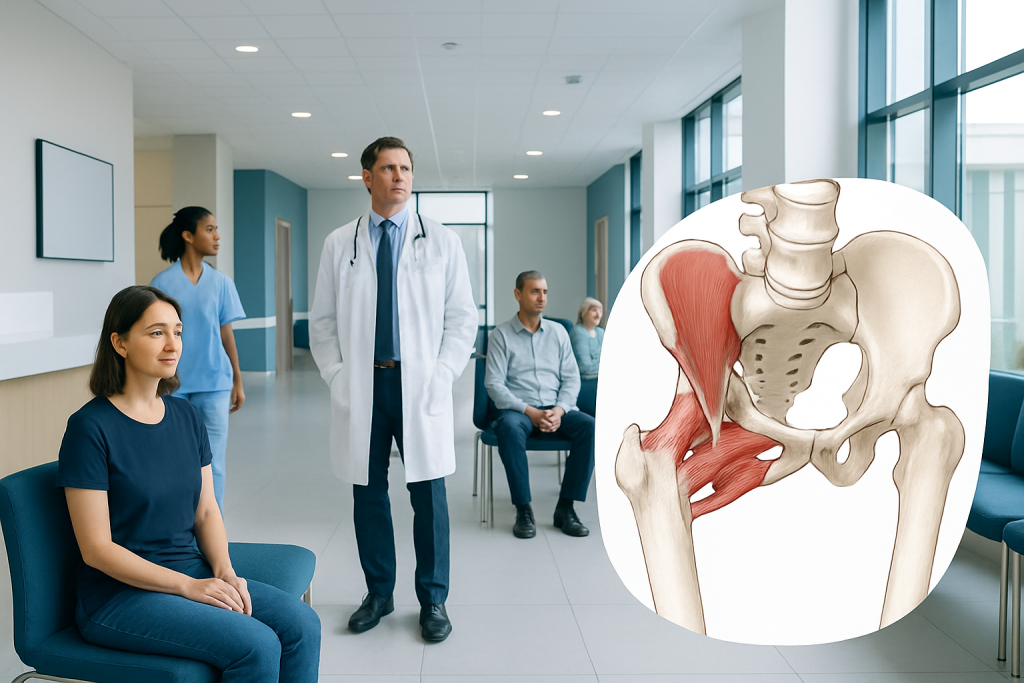
The external rotation muscles of the hip are a group of muscles that turn the thigh outward and help keep the hip joint steady during daily movement. They include the deep hip rotators, such as the piriformis, obturator internus and externus, gemelli, and quadratus femoris, along with larger muscles like the gluteus maximus that also assist with outward rotation.
These muscles do more than create movement. They help control the alignment of the pelvis and femur, especially when a person walks, climbs stairs, changes direction, or stands on one leg. When they are working well, movement feels smooth and balanced. When they are not, the body may compensate in ways that lead to discomfort in the hip, groin, lower back, or knee.
For many people, questions about the external rotation muscles of the hip begin after noticing stiffness, a deep ache in the buttock, or reduced range of motion during exercise. Sometimes the concern is not the muscles alone but how they interact with the joint, tendons, nerves, and surrounding soft tissues. That is why a careful evaluation matters; the same symptom pattern can come from several different causes.
Symptoms
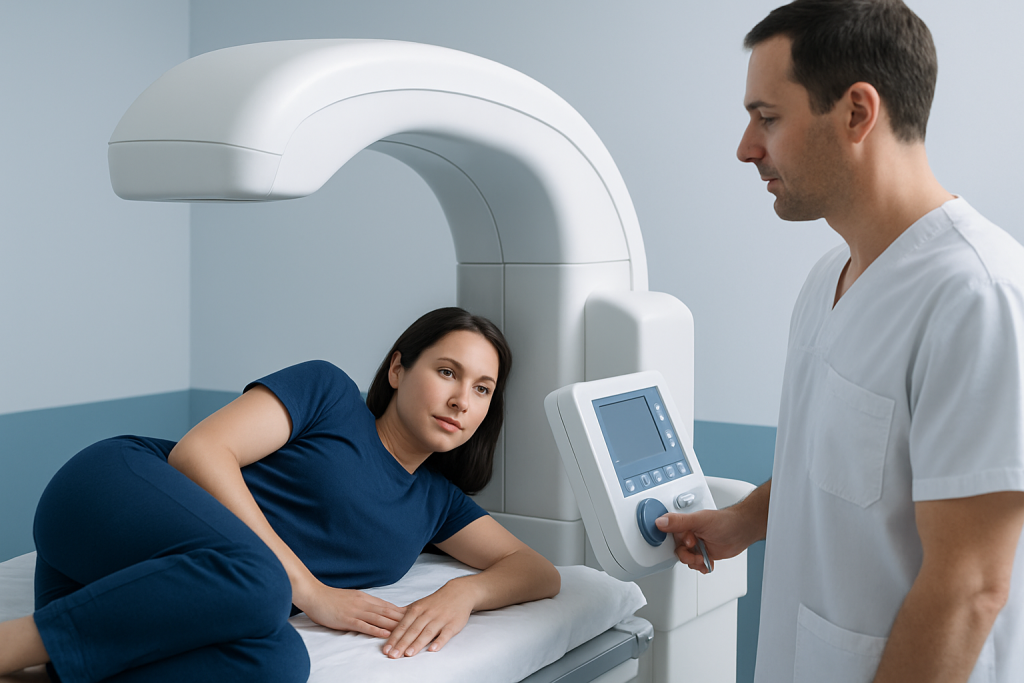
Problems involving the external rotation muscles of the hip can show up in different ways depending on whether the muscles are tight, weak, strained, or irritated. Some people mainly notice restricted movement, while others feel pain only during certain activities, such as squatting, running, getting in and out of a car, or sitting for long periods.
Common symptoms may include:
- Deep discomfort in the buttock, outer hip, or groin
- Stiffness when turning the leg outward or crossing the legs
- Weakness or poor control during walking, stair climbing, or sports
- A feeling that the hip is “catching,” overworking, or not moving freely
- Pain that increases after prolonged sitting or repetitive training
Symptoms can also reflect other conditions, such as hip impingement, bursitis, tendon irritation, arthritis, or lower back nerve-related pain. If discomfort is severe, persistent, associated with swelling, or accompanied by numbness or weakness in the leg, it is important to seek medical assessment rather than assume it is only a muscle issue.
Causes & Risk Factors
The external rotation muscles of the hip may become painful or dysfunctional for several reasons. Overuse is common in athletes and active adults, especially in sports that involve repeated pivoting, sprinting, dancing, or rapid changes in direction. A sudden increase in training volume can overload muscles that are not yet conditioned for the demand.
Tightness and weakness often develop together. For example, prolonged sitting may shorten some hip muscles and reduce gluteal activation, while an inactive lifestyle can weaken the rotator group and reduce joint support. Poor movement mechanics, such as the knees collapsing inward during squats or landings, can further strain the hip external rotators over time.
Risk factors may include previous hip or pelvic injury, limited flexibility, poor core stability, leg length differences, altered gait, arthritis, and certain structural hip conditions. In some people, muscle spasm or deep gluteal syndrome can create pain that feels like a muscle problem but may also involve nearby nerves. Identifying the true driver of symptoms is an important part of effective care.
Diagnosis
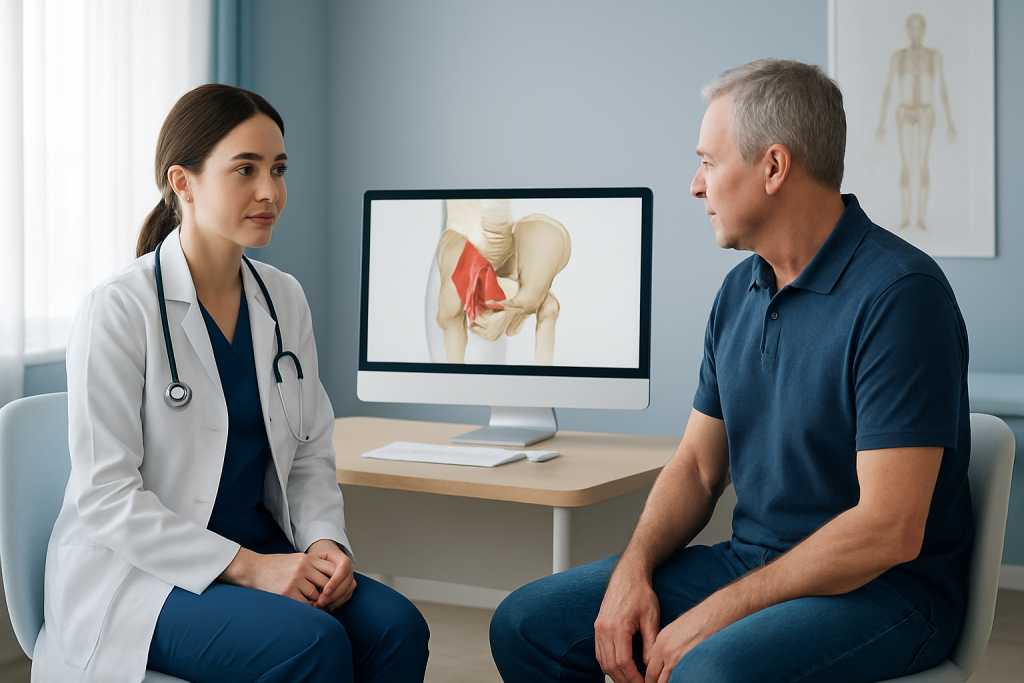
Diagnosis usually starts with a detailed medical history and a physical examination. A clinician will ask when the symptoms began, which movements make them worse, whether there was an injury, and whether the pain is in the hip itself or radiates into the back, thigh, or knee. This information helps narrow down whether the muscles, tendons, joint, or another structure is involved.
During the examination, the doctor or physiotherapist may assess hip range of motion, muscle strength, gait, posture, and tenderness around the buttock and lateral hip. Specific movement tests can help determine whether external rotation is limited or painful and whether other hip motions are also affected.
Imaging is not always required, but it may be recommended if symptoms are persistent, if the diagnosis is uncertain, or if a structural problem is suspected. X-rays can help assess the joint, while MRI or ultrasound may be useful for soft tissue or tendon concerns. In some cases, additional evaluation is needed to distinguish muscle-related pain from hip arthritis, labral injury, or lumbar spine disorders.
Treatment Options
Treatment depends on the underlying cause, but many people improve with a combination of activity modification, rehabilitation, and time. If a muscle strain or overuse problem is present, the first step is often to reduce the movements that trigger pain while maintaining gentle, pain-limited mobility. Rest alone is rarely the full answer; guided recovery is usually more effective than prolonged inactivity.
Targeted physical therapy is a common cornerstone of care. A rehabilitation plan may focus on strengthening the hip external rotators, gluteal muscles, and core, while also improving flexibility where needed. Exercises are selected to restore balance rather than simply stretch or strengthen one area in isolation. In the right setting, manual therapy, movement retraining, and gradual return-to-sport planning can be helpful.
When pain is related to inflammation, tendon irritation, or a more complex hip condition, a clinician may discuss additional options such as medication for symptom relief or image-guided procedures in selected cases. Surgery is uncommon for isolated muscle dysfunction, but it may be considered if a structural hip problem is found or if conservative treatment does not resolve the issue. The best plan is individualised and based on the patient’s diagnosis, goals, and activity level.
Prevention & Self-care
Preventing problems in the external rotation muscles of the hip often comes down to keeping the hip joint mobile, the gluteal muscles active, and training loads sensible. For people who sit for long hours, standing up periodically and adding regular movement breaks can help reduce stiffness. For athletes, a gradual warm-up and progressive training schedule are especially important.
Helpful self-care steps may include:
- Gentle hip mobility work before exercise
- Balanced strengthening of the glutes, core, and hip stabilizers
- Avoiding sudden spikes in running, jumping, or pivoting activity
- Using supportive footwear and attention to technique when appropriate
- Listening to pain signals rather than pushing through persistent discomfort
Self-care should be tailored to the person’s symptoms. Stretching can feel good when muscles are tight, but aggressive stretching is not ideal if there is an acute strain or nerve irritation. A physiotherapist or orthopedist can help determine whether the priority is mobility, strength, load management, or a combination of these factors.
When to See a Doctor
Medical assessment is advisable if hip pain lasts more than a short period, keeps returning, or limits daily activities. It is also sensible to seek help if the hip feels unstable, there is clear weakness, or movement becomes increasingly restricted. Early evaluation can prevent a small movement problem from turning into a longer rehabilitation process.
A doctor should be consulted sooner if there is pain after a fall or sports injury, visible swelling, fever, inability to bear weight, numbness, or pain that starts in the back and travels down the leg. These features do not always mean something serious, but they do deserve a proper examination.
For people traveling from abroad, a structured orthopaedic work-up can be especially useful because it combines diagnosis, imaging review, rehabilitation planning, and follow-up in one coordinated pathway. At Acibadem Health Point, multidisciplinary specialists and JCI-accredited hospitals diagnose and treat hip and musculoskeletal conditions for international patients with an emphasis on clear communication and continuity of care.
Living Well With Hip External Rotator Problems
Recovery is often most successful when treatment fits the person’s real-life demands. A desk worker may need movement breaks and gradual strengthening, while a runner may need a staged return to mileage and technique correction. The common thread is that the hip should be asked to do more only after it has been prepared to do so.
Many patients also benefit from understanding that pain does not always equal damage. Mild discomfort during rehabilitation may be expected, but increasing pain, limping, or loss of function means the plan should be reviewed. Tracking symptoms, activity changes, and response to exercises can help the care team adjust treatment efficiently.
With the right evaluation and a consistent rehabilitation plan, most people can regain comfortable motion and return to their usual routines. The external rotation muscles of the hip are small but important contributors to everyday stability, and caring for them often improves the way the entire lower body moves.
Frequently asked questions
01What do the external rotation muscles of the hip do?
They help turn the thigh outward and support the hip during walking, standing, and changes in direction. They also help stabilize the pelvis and reduce unwanted movement at the joint.
02Can tight hip external rotators cause pain?
Yes, tight or overworked external rotators can contribute to buttock or outer-hip discomfort and movement restriction. However, similar symptoms can also come from the hip joint, tendons, back, or nearby nerves, so evaluation is important.
03Is weakness in the hip external rotators common?
It can be, especially after injury, prolonged sitting, or reduced activity. Weakness may lead to poor hip control during exercise and may increase strain on other structures.
04How are hip external rotator problems diagnosed?
A clinician usually starts with a physical exam and a review of symptoms, movement patterns, and history. Imaging may be used if the diagnosis is unclear or another condition is suspected.
05What exercises help the external rotation muscles of the hip?
Exercises are usually chosen based on the person’s symptoms and movement needs, and they may include strengthening and mobility work. A physiotherapist can help select safe, effective options rather than recommending a one-size-fits-all routine.
06When is hip pain more than a muscle issue?
If pain persists, worsens, or comes with numbness, swelling, fever, or difficulty bearing weight, a medical review is advisable. Those signs can indicate a joint, tendon, nerve, or injury-related problem that needs different treatment.
This article is for general information only and is not a substitute for professional medical advice. Please consult a qualified doctor about your individual situation.
Joint and spine care in Turkey — expert assessment & treatment
JCI-accredited · board-certified surgeons · reply within 24h
Add us as a Preferred Source to see more of our trusted health content across Google Search, AI Overviews and Discover.