Expiratory Wheeze: Causes and When to Seek Assessment
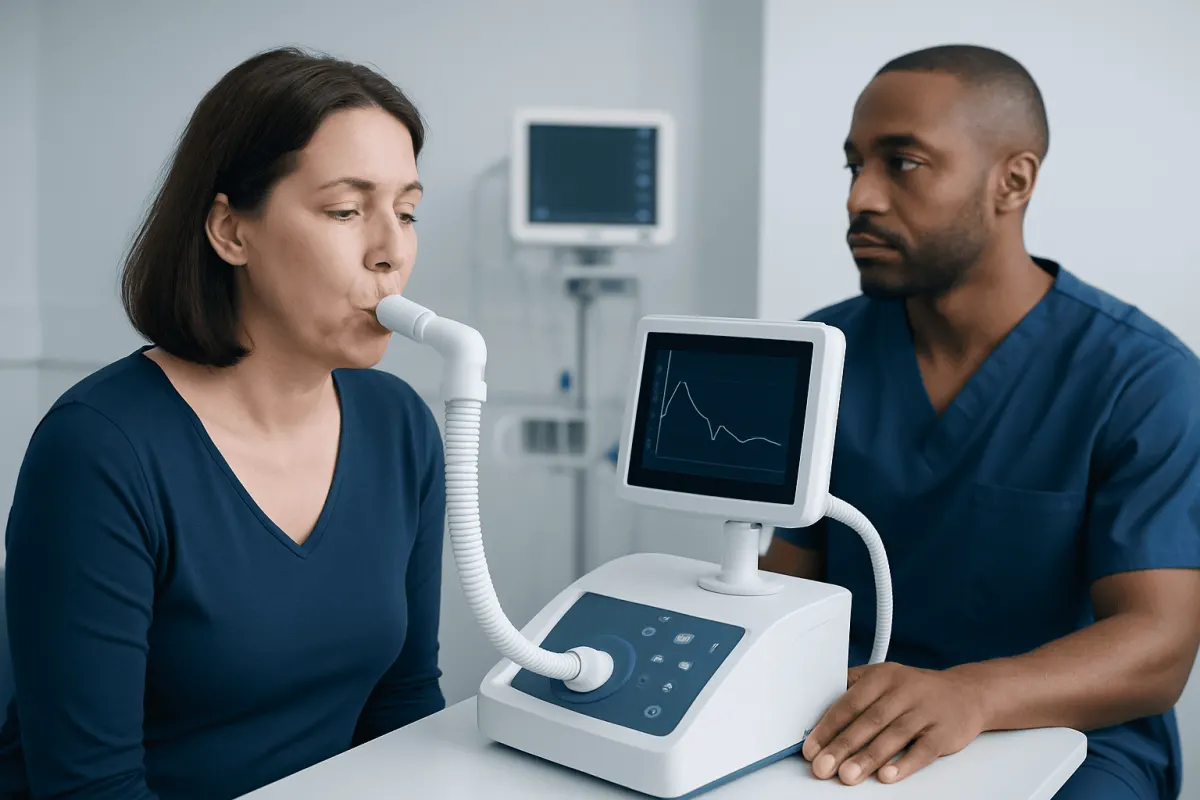
Expiratory wheeze is a high-pitched, musical sound that occurs mainly while breathing out. It often reflects temporary or ongoing narrowing of the airways and can occur with conditions such as asthma, respiratory infections, allergies, or chronic lung disease.
Overview: What Is Expiratory Wheeze?
Expiratory wheeze is a continuous, high-pitched or musical sound heard mainly when a person breathes out. It is produced when air passes through airways that have become narrowed, inflamed, compressed, or partly blocked. The sound may be noticeable to the person, a family member, or a healthcare professional listening with a stethoscope.
Wheezing is a sign rather than a diagnosis. In many cases it is linked to a temporary respiratory infection or a flare of asthma, but it can also be associated with allergies, exposure to smoke or other irritants, chronic lung disease, or less commonly a blockage in part of the airway. The meaning of wheeze depends on the person’s age, medical history, accompanying symptoms, and how suddenly it began.
Although the terms are sometimes used interchangeably, wheeze is different from other noisy breathing sounds. A harsh sound mainly during inhalation, called stridor, may point to narrowing higher in the throat or windpipe and should be assessed promptly. Crackles are brief popping sounds that can occur when small airways or air sacs open during breathing. A clinician can help distinguish these sounds during an examination.
How Expiratory Wheeze May Feel and Sound
Some people describe expiratory wheeze as a whistle, squeak, hum, or “tight” sound in the chest. It may be mild and occur only after exercise, exposure to cold air, or contact with an allergen. Others notice it at night, early in the morning, or during an illness affecting the nose, throat, and lungs.
Wheezing may occur with cough, chest tightness, breathlessness, or increased mucus production. The severity of the sound does not always precisely reflect the severity of airway narrowing. For example, a person with very restricted airflow may make little sound because not enough air is moving through the airways. This is one reason that significant breathlessness should never be judged by wheeze alone.
Important details to note include when the wheeze began, whether it is intermittent or constant, what seems to trigger it, and whether it improves with rest or prescribed medicine. A sudden onset after choking, eating, taking a new medicine, or being exposed to a suspected allergen deserves particular attention.
- Wheeze after running or cold-air exposure may occur with exercise-related airway narrowing.
- Wheeze with cough, fever, and congestion may accompany a viral respiratory infection.
- Nighttime or recurring wheeze may suggest asthma or another long-term airway condition.
- Wheeze that begins abruptly after choking may indicate an inhaled foreign object, especially in children.
Why Wheezing Happens: Causes and Risk Factors

Airways can narrow because the muscles around them tighten, their lining becomes swollen, mucus accumulates, or an object or mass obstructs the passage of air. Asthma is one of the most common causes of recurrent expiratory wheeze. In asthma, the airways are unusually sensitive and may react to triggers such as viral infections, pollen, dust mites, animal dander, exercise, cold air, smoke, or strong odors.
Respiratory infections can also cause wheezing. Viral infections, including those affecting the smaller airways in young children, may lead to swelling and mucus that temporarily restrict airflow. Acute bronchitis and pneumonia can be associated with wheeze in some people, particularly those with sensitive airways or existing lung conditions.
In adults, chronic obstructive pulmonary disease, or COPD, is another important cause. COPD includes chronic bronchitis and emphysema and is commonly associated with current or previous tobacco smoking, though long-term exposure to air pollution, occupational dust, fumes, or biomass smoke can contribute. People with COPD may have persistent cough, phlegm, reduced exercise tolerance, and repeated episodes of worsened symptoms.
Other possible causes include allergic reactions, gastroesophageal reflux that irritates the airways, heart failure with fluid congestion in the lungs, vocal cord dysfunction, and a foreign body in the airway. Risk factors vary by cause but can include a personal or family history of allergies or asthma, smoking or vaping, occupational irritant exposure, premature birth, and underlying heart or lung disease.
How Doctors Evaluate Expiratory Wheeze
A medical assessment begins with a detailed history. A clinician may ask about the timing of symptoms, triggers, recent infections, allergies, smoking or vaping, workplace exposures, medications, and previous episodes. They will also ask about cough, mucus, fever, chest discomfort, swelling, heartburn, weight changes, and the ability to complete usual daily activities.
During the examination, the clinician listens to the lungs and may measure oxygen levels using a small finger device. They assess breathing rate, use of neck or chest muscles during breathing, and signs that may point to an infection, allergy, heart condition, or another cause. Listening over different areas of the chest helps determine whether the wheeze is widespread or limited to one side.
Breathing tests, including spirometry, can measure how much air a person can exhale and how quickly. These tests are useful for evaluating asthma, COPD, and other patterns of airflow limitation. A bronchodilator response test may be used to see whether airflow improves after an inhaled medicine that relaxes airway muscles.
Depending on the clinical situation, further tests may include a chest X-ray, blood tests, allergy assessment, electrocardiogram, or more detailed chest imaging. Children and adults with sudden localized wheeze may need assessment for an inhaled foreign body. Testing is selected individually; not every person with a brief, mild wheeze during a cold requires extensive investigations.
Treatment Options Depend on the Underlying Cause
Treatment aims to improve airflow, relieve symptoms, and address the condition causing the wheeze. For asthma, a clinician may recommend inhaled medicines that quickly relax tightened airway muscles and, when appropriate, regular anti-inflammatory controller treatment. The exact plan depends on symptom frequency, lung function, recent flare-ups, age, and other health conditions.
When wheezing is related to an infection, care may include rest, adequate fluids, and treatment directed at the identified illness. Many respiratory infections are viral and do not benefit from antibiotics. Antibiotics may be considered only when a clinician suspects or confirms a bacterial infection or another specific indication.
People with COPD may benefit from inhaled bronchodilators, anti-inflammatory treatment in selected circumstances, pulmonary rehabilitation, vaccinations, and support to stop smoking. If an allergen, workplace exposure, or inhaled irritant is contributing, reducing exposure is an important part of management. Severe allergic reactions need urgent treatment rather than home monitoring.
Wheezing caused by a foreign object, fluid overload from a heart condition, or an airway abnormality requires targeted medical care. It is not advisable to use another person’s inhaler or to rely on over-the-counter cough remedies as a substitute for evaluation. A clinician can ensure that treatment fits the cause and is safe alongside other medicines.
Practical Self-Care and Prevention
For people with a diagnosed respiratory condition, following the agreed care plan is one of the most effective ways to reduce episodes of wheeze. This may include using prescribed inhalers with the correct technique, attending follow-up appointments, and keeping an up-to-date written action plan when recommended. Inhaler technique should be reviewed periodically, as small errors can reduce the amount of medicine reaching the lungs.
Avoiding tobacco smoke, vaping aerosols, secondhand smoke, and known workplace irritants can protect airway health. People who smoke may wish to discuss evidence-based cessation support with a healthcare professional. Improving indoor air quality, ventilating areas where fumes are produced, and using protective measures at work can also be helpful when exposures cannot be fully avoided.
When allergies are a known trigger, practical steps may include limiting contact with relevant allergens where possible and discussing appropriate allergy treatment with a clinician. Regular handwashing, recommended vaccinations, sleep, hydration, and management of chronic conditions may reduce the impact of respiratory infections. Exercise is usually beneficial, but anyone who repeatedly wheezes during activity should seek assessment rather than simply avoiding physical activity.
It can be useful to keep a brief record of symptoms, triggers, nighttime awakenings, and response to prescribed treatment. This information may help a clinician identify patterns and adjust management. Home devices that measure peak flow may be appropriate for some people with asthma when advised by their healthcare team, but they do not replace clinical evaluation of new or severe symptoms.
When to Seek Medical Care
Medical advice is appropriate for new wheezing, wheeze that lasts beyond a short respiratory illness, repeated episodes, or symptoms that interfere with sleep, work, school, or exercise. An appointment is also important if wheezing occurs in a person with no known respiratory condition, in an infant or young child, or after starting a medicine. A clinician can identify whether asthma, infection, COPD, allergy, or another condition is involved.
Urgent medical care is needed when wheezing is accompanied by severe or rapidly worsening shortness of breath, difficulty speaking in full sentences, bluish or gray lips or face, fainting, confusion, severe chest pain, or marked drowsiness. Swelling of the lips, tongue, face, or throat; widespread hives; or wheeze after a likely allergic exposure can indicate a serious allergic reaction and requires emergency assessment.
Emergency evaluation is also important if wheeze begins suddenly after choking or a possible inhalation of food or a small object. In young children, signs such as struggling to breathe, persistent chest retractions, inability to feed, or unusual sleepiness should be assessed promptly. If a person has an asthma action plan, they should follow its emergency instructions while arranging care.
Acıbadem Health Point’s multidisciplinary specialists and JCI-accredited hospitals can assess breathing symptoms and coordinate diagnosis and treatment for international patients. The appropriate setting, however, depends on symptom severity; emergency symptoms should always be addressed without delay through local emergency services.
Frequently asked questions
01Is expiratory wheeze always caused by asthma?
No. Asthma is a common cause of expiratory wheeze, but it is not the only one. Respiratory infections, COPD, allergies, irritant exposure, heart-related fluid congestion, and airway blockage can also cause wheezing.
02What is the difference between expiratory and inspiratory wheeze?
Expiratory wheeze is heard mainly while breathing out and often reflects narrowing in the smaller airways of the lungs. Noisy breathing mainly on inhalation may involve the upper airway and can sometimes be described as stridor. Any new prominent breathing noise should be assessed, particularly if breathing is difficult.
03Can a cold cause wheezing in someone without asthma?
Yes. Viral respiratory infections can inflame the airways and increase mucus, leading to temporary wheezing in some people. Persistent, recurrent, or severe wheeze after a cold should be discussed with a healthcare professional.
04Can anxiety cause expiratory wheeze?
Anxiety can create a sensation of breathlessness or chest tightness and may worsen awareness of normal breathing sounds. However, true wheezing should not automatically be attributed to anxiety, because it can indicate airway narrowing or another medical issue. A clinician can help determine the cause.
05Should a person use an inhaler for wheezing if it was not prescribed to them?
No. Inhalers should be used only as prescribed for the individual because the type of medicine and the reason for wheezing may differ. Using someone else’s medicine can delay proper diagnosis and may not be safe for certain health conditions.
06When is wheezing an emergency?
Wheezing is an emergency when it occurs with severe breathlessness, bluish lips or face, confusion, fainting, chest pain, inability to speak normally, or swelling of the mouth or throat. Sudden wheeze after choking or a suspected serious allergic reaction also requires urgent emergency care.
This article is for general information only and is not a substitute for professional medical advice. Please consult a qualified doctor about your individual situation.
Explore treatments in Turkey — costs, top hospitals & a free quote
JCI-accredited · board-certified surgeons · reply within 24h
Add us as a Preferred Source to see more of our trusted health content across Google Search, AI Overviews and Discover.