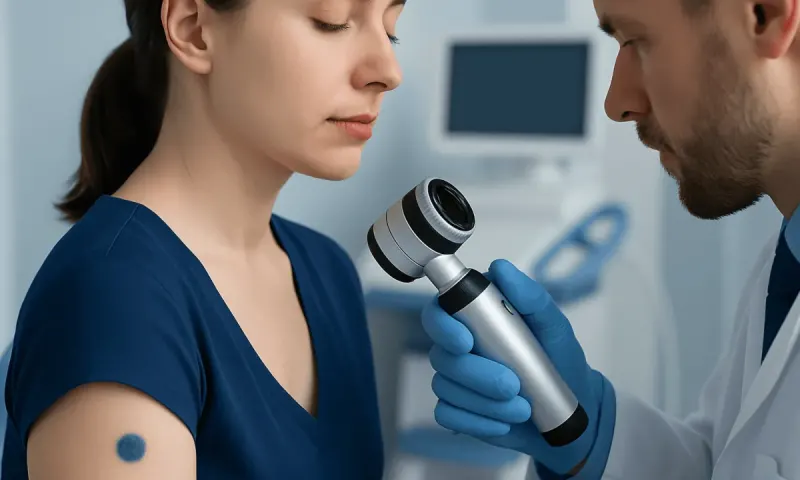
Exosomes for the Face: Evidence and Safety
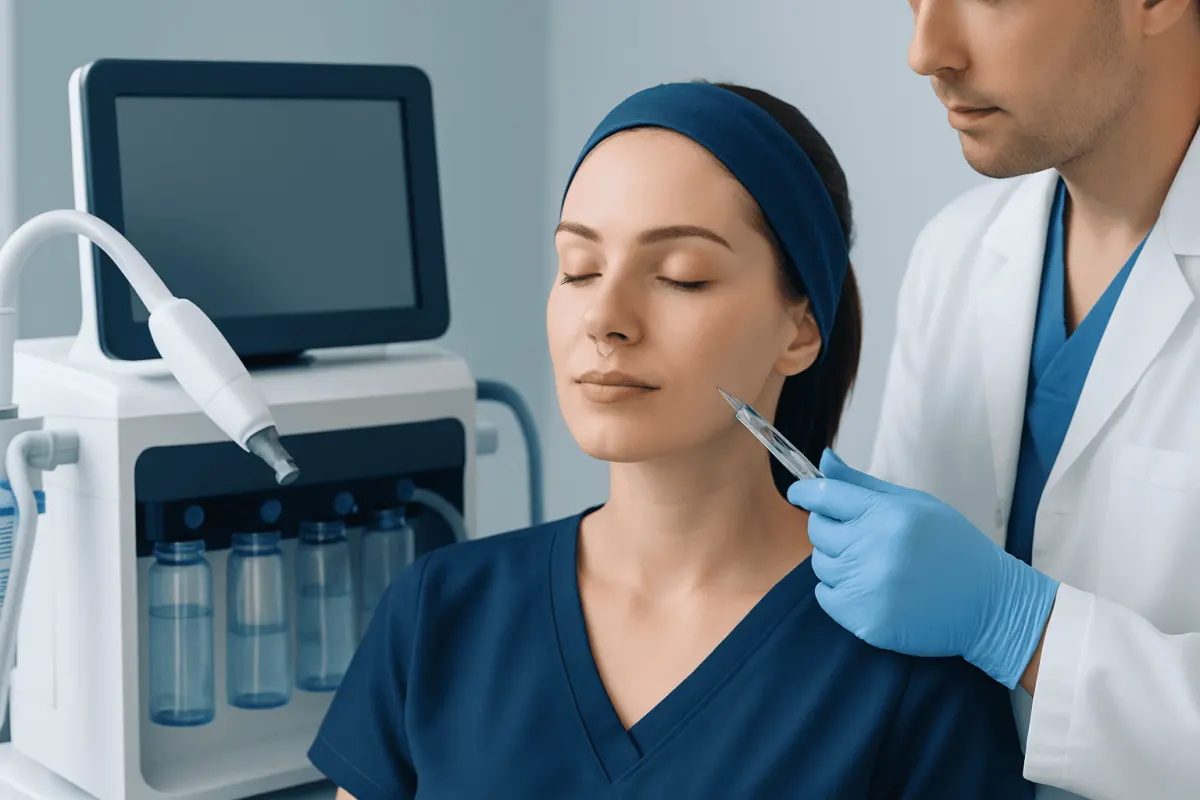
Exosomes for face refers to an emerging aesthetic approach that uses cell-derived particles in an effort to support skin repair and improve overall skin quality. Research is still developing, products and delivery methods differ, and a consultation with a qualified dermatologist is essential before treatment.
Exosomes for Face: What They Are and What to Expect
Exosomes for face are products containing microscopic, cell-derived particles that may be used in aesthetic medicine to support the skin’s recovery process and improve concerns such as dullness, uneven texture or fine lines. They are most commonly applied to the skin after a treatment that creates tiny channels, such as microneedling or laser resurfacing, although some clinics may offer other delivery approaches.
Exosomes are involved in communication between cells. They can contain proteins, lipids and genetic material that may influence inflammatory and repair-related pathways. Laboratory and early clinical research suggests potential skin-regeneration effects, but evidence for cosmetic facial use is still limited and product quality varies considerably.
For this reason, facial exosome treatment should be considered an evolving option rather than a proven, routine anti-aging treatment. A dermatologist can help a person compare it with established approaches for specific concerns, including skin-care routines, chemical peels, microneedling, lasers and other procedures.
How Facial Exosome Treatment May Work
In theory, exosomes may help influence how skin cells communicate during healing. Depending on the product and its source, they may carry signaling molecules associated with tissue repair, collagen-related processes and control of inflammation. However, the presence of these signals does not guarantee a particular cosmetic result in an individual person.
Many facial protocols use exosomes as an adjunct rather than a standalone treatment. A clinician may first perform microneedling, fractional laser resurfacing or another skin-renewal procedure. The product is then applied to the treated surface, where temporary microchannels may help it contact the upper layers of skin. Microneedling is one commonly used procedure for texture, fine lines and selected acne scars.
The way a product is prepared matters. Exosomes may be derived from different cell sources and manufactured through different processes, so formulations cannot be assumed to be equivalent. Patients should ask what product is being used, how it is stored and handled, and whether it is authorized or regulated for the intended use in the country where treatment is provided.
Who May Be a Candidate?

A suitable candidate is usually an adult who is in good general health, has realistic expectations and wants to address mild changes in skin texture, radiance or recovery after a resurfacing procedure. The most appropriate approach depends on the person’s skin type, pigmentation tendency, medical history, current medicines and main cosmetic goals.
People with active facial infection, cold sores, open wounds, uncontrolled inflammatory skin disease or a significant acne flare should generally postpone elective procedures until the condition is assessed and controlled. Those with a history of post-inflammatory hyperpigmentation, keloid scarring or poor wound healing may need a more cautious plan.
Pregnant or breastfeeding people, individuals with weakened immune systems, and people undergoing cancer treatment or taking medicines that affect healing should seek individualized medical advice. A clinician should also review any prior filler, thread, laser or injectable treatments and discuss whether a more established option may better fit the person’s goals.
- Bring a list of medicines, supplements and known allergies to the consultation.
- Tell the clinician about previous cold sores, eczema, rosacea, pigment changes or scarring.
- Discuss what improvement is realistic, how long it may take and whether maintenance treatment is proposed.
What Happens During the Procedure
The visit usually begins with an assessment of the skin and a discussion of the planned technique. Clinical photographs may be taken to document the starting point. The face is cleansed carefully, and a topical numbing cream may be used if microneedling, laser treatment or another procedure likely to cause discomfort is planned.
Next, the clinician performs the selected skin procedure using settings appropriate for the individual’s skin concerns and skin tone. The exosome product may then be placed onto the skin as a topical serum or solution. Instructions differ by product, so the clinician will determine how long it remains on the skin and which other products should be avoided immediately afterward.
Direct injection of exosome products into facial skin should be approached with particular caution. It may carry different risks and may not be authorized for cosmetic use in some settings. A reputable clinician should clearly explain the route of administration, the evidence supporting it, alternatives, expected recovery and possible complications before obtaining informed consent.
Recovery Timeline and Skin Care After Treatment
Recovery after exosomes for face is mainly determined by the accompanying procedure. After a gentle microneedling session, mild redness, warmth, tightness and swelling may last from hours to a few days. More intensive laser resurfacing can lead to several days of redness, peeling, crusting or sensitivity, with the exact timeline depending on the laser type and treatment depth.
For the first day or longer if advised, patients are commonly asked to use only clinician-recommended gentle products and avoid makeup, exfoliants, retinoids, strong acids and fragranced skin care. The treated area should be kept clean, and hands should be washed before touching the face. Picking at flaking skin or crusts can increase the risk of irritation, infection and pigment changes.
Sun protection is an important part of recovery. Once the skin is ready for it, broad-spectrum sunscreen, shade and protective clothing can reduce the chance of post-inflammatory pigmentation and help protect treatment results. Exercise, saunas, swimming pools and excessive heat may need to be avoided briefly, especially after procedures that disrupt the skin barrier.
Visible improvement, if it occurs, is generally gradual. Some people notice temporary brightness after healing, while changes in texture or fine lines may take weeks as the skin recovers. Results are variable, and no treatment can stop normal skin aging.
Potential Benefits, Risks and Evidence Limits
Potentially reported benefits of combining exosomes with facial procedures include reduced-looking redness during recovery, smoother texture, more even-looking tone and improved radiance. These outcomes are not assured, and it can be difficult to separate the effect of exosomes from the effects of microneedling, laser resurfacing or a well-designed aftercare routine.
Possible side effects include temporary redness, swelling, itching, burning, dryness, acne-like breakouts and sensitivity. With any procedure that disrupts the skin barrier, there is also a risk of infection, prolonged inflammation, cold sore reactivation, scarring or unwanted pigment changes. The risk may be higher if a product is poorly manufactured, contaminated, improperly stored or used by an inadequately trained provider.
There are important evidence and regulatory limitations. Cosmetic exosome products do not all undergo the same testing, quality control or regulatory review, and long-term safety data for facial aesthetic use remain limited. Claims that a product can regenerate skin, reverse aging or reliably treat scars should be evaluated carefully.
Patients should choose a licensed medical professional who can explain the product’s origin and intended use, use sterile technique, and provide a clear aftercare plan. For persistent discoloration or scars, a dermatologist may also evaluate related concerns such as acne scars and recommend established treatment options.
When to Seek Medical Care
It is normal to have some temporary redness and tenderness after many facial procedures. However, a person should contact the treating clinician promptly if pain, redness, swelling or warmth becomes progressively worse rather than gradually improving. New blisters, widespread rash, drainage, pus, fever or facial swelling also need timely assessment.
Urgent medical attention is appropriate for signs of a serious allergic reaction, such as difficulty breathing, swelling of the lips or tongue, fainting or widespread hives. Anyone with eye pain, vision changes or a procedure-related injury near the eye should seek urgent evaluation.
Before arranging facial exosome treatment, a consultation with a dermatologist or appropriately qualified aesthetic physician can help clarify safety, candidacy and alternatives. Acıbadem Health Point’s multidisciplinary specialists and JCI-accredited hospitals evaluate and treat skin concerns for international patients, using individualized care plans when appropriate.
Frequently asked questions
01Are exosomes for face approved as an anti-aging treatment?
Regulatory status depends on the country, the product and how it is used. Many exosome products marketed for aesthetic purposes do not have the same level of regulatory review or clinical evidence as established medical treatments. A qualified clinician should explain the status of the specific product proposed.
02How long does it take to see results from exosomes for face?
Any visible changes are usually gradual and may take several weeks after the skin has recovered from the accompanying procedure. Results vary with the treatment method, baseline skin concerns, skin-care habits and individual healing. The available evidence does not support guaranteed results.
03Is facial exosome treatment painful?
Comfort depends mostly on whether exosomes are used with microneedling, laser resurfacing or another procedure. Topical numbing medicine may be used for suitable patients before procedures that cause discomfort. Mild heat, pressure or stinging can occur during treatment and temporary tenderness can follow.
04Can exosomes be used after microneedling?
They are sometimes applied after microneedling as part of an aesthetic protocol. Microneedling creates controlled microchannels in the skin, but this does not establish that every exosome product is effective or appropriate. Product quality, sterility and practitioner training are essential considerations.
05What should be avoided after an exosome facial treatment?
Patients should follow the treating clinician’s instructions, which often include avoiding harsh skin-care ingredients, rubbing the face, makeup for a short period and strong sun exposure. Heat, intense exercise and swimming may also be restricted temporarily. The restrictions depend mainly on the associated procedure and the condition of the skin barrier.
06Who should avoid exosome facial treatments?
People with active skin infection, open wounds or uncontrolled inflammatory facial skin conditions should generally delay elective treatment. Those who are pregnant, breastfeeding, immunocompromised, prone to abnormal scarring or using medicines that affect healing need individualized medical advice. A consultation is the safest way to decide whether treatment is appropriate.
This article is for general information only and is not a substitute for professional medical advice. Please consult a qualified doctor about your individual situation.
Explore treatments in Turkey — costs, top hospitals & a free quote
JCI-accredited · board-certified surgeons · reply within 24h
Add us as a Preferred Source to see more of our trusted health content across Google Search, AI Overviews and Discover.