

Exercises for your Buttocks: Safe Techniques That Actually Help

Key Takeaways
- The best exercises for your buttocks target the gluteus maximus, medius, and minimus, not just the largest muscle.
- Safe results come from correct form, controlled movement, and a pace that matches current strength and mobility.
- A balanced routine often includes bridges, squats, lunges, step-ups, and hip-hinge movements.
- People with pain, injury, or limited mobility may need modified exercises and professional guidance.
- Visible changes usually take consistency over time, along with sleep, nutrition, and overall activity.
- Persistent pain, weakness, numbness, or difficulty walking should be assessed by a doctor or physiotherapist.
Exercises for your buttocks can help strengthen the glute muscles, support everyday movement, and improve balance when they are chosen and performed safely. The most useful approach is usually a mix of basic strength moves, gradual progression, and recovery that fits the person’s current fitness level and any health concerns.
Overview
Exercises for your buttocks can do more than change the appearance of the hips and rear. The glute muscles help the body stand, walk, climb stairs, rise from a chair, and keep the pelvis stable during daily movement. When those muscles are trained well, people often notice better balance, improved posture, and easier movement in everyday tasks.
The safest and most effective buttock training usually starts with simple patterns rather than aggressive workouts. That means learning how to squat, hinge, bridge, and step with control before adding resistance or speed. For many people, the goal is not to “burn” the muscles as much as possible, but to recruit them properly and build strength in a way the joints can tolerate.
This matters even more for people recovering from injury, returning to exercise after a break, or managing long periods of sitting. In those situations, the best plan is often gradual and specific. A qualified clinician or physiotherapist can help decide which buttock exercises are suitable and which should wait.
What the buttock muscles actually do

The buttocks contain several muscles, with the gluteus maximus, gluteus medius, and gluteus minimus playing the largest roles. The gluteus maximus is the body’s main hip extensor, which means it helps move the leg backward and power actions such as standing up or climbing. The smaller glute muscles assist with hip stability and control when walking or balancing on one leg.
Because these muscles work together, a good routine should not focus on one movement alone. A person may be able to perform many repetitions of a glute bridge yet still have weakness in side-to-side stability if the smaller glute muscles are not trained. For that reason, a mix of exercises is usually more useful than any single “best” move.
Strong glutes also help share load with the lower back, knees, and hips. When they are underactive, other areas may overcompensate, which can contribute to discomfort during exercise or daily movement. Training the buttocks can therefore be part of a broader plan for healthier movement rather than just an appearance-based routine.
Safe exercises that actually help
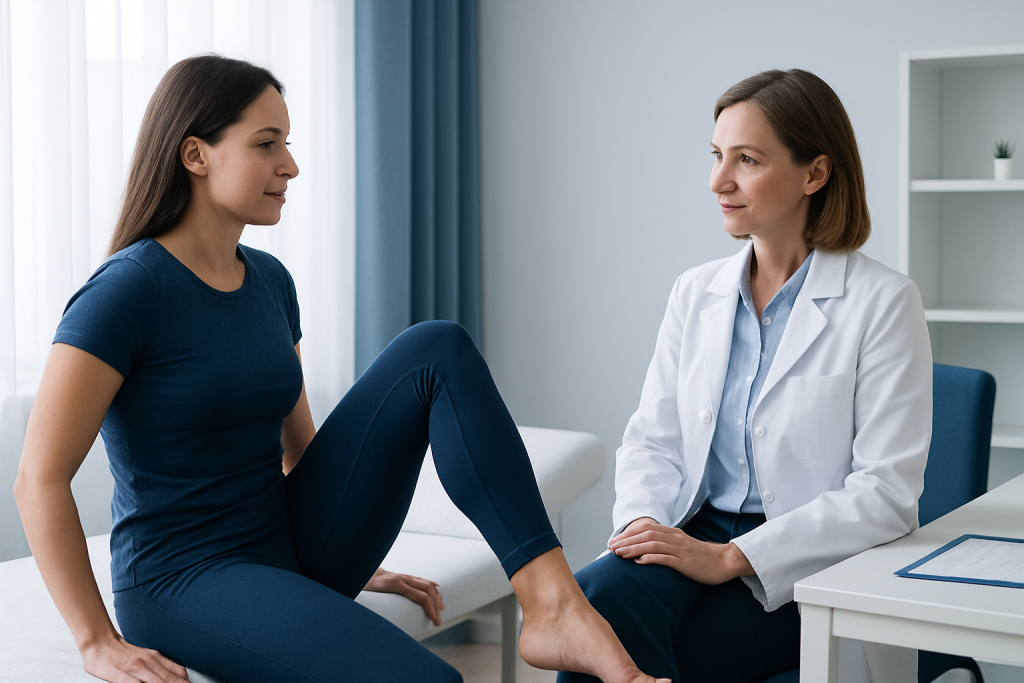
Several classic movements are especially helpful because they teach the glutes to work in common body positions. Bridge variations are often a good place to start, since they are low impact and easy to modify. Squats, sit-to-stands, step-ups, lunges, and hip hinges are also effective when performed with steady technique and an appropriate range of motion.
- Glute bridge: Lying on the back with knees bent, lift the hips by tightening the buttocks and keeping the ribs relaxed.
- Squat to chair: Sit back toward a chair, then stand again with control.
- Step-up: Step onto a low stable surface, then lower down slowly.
- Reverse lunge: Step one leg back and return upright without rushing.
- Hip hinge or Romanian deadlift pattern: Bend at the hips with a neutral spine, emphasizing glute and hamstring control.
For many beginners, one of the safest ways to begin is with bodyweight versions of these exercises. Once form is consistent and there is no pain, resistance bands, light dumbbells, or other tools can be added gradually. Progress should be measured by control and comfort, not by how sore the muscles feel the next day.
It is also useful to include side-lying leg lifts, clamshells, or banded lateral walks when hip stability is a priority. These movements may seem small, but they can help improve glute activation and pelvic control. The most practical routine is usually the one a person can do well several times a week.
How to build proper form and avoid common mistakes
Good form matters more than the number of repetitions. A common mistake is arching the lower back during bridges or thrusting the hips upward so aggressively that the glutes never fully do the work. Another is letting the knees collapse inward during squats and lunges, which can reduce control and increase strain on the hips and knees.
Helpful form cues include moving slowly, keeping the core gently engaged, and using only a range of motion that feels stable. In many exercises, the person should feel the glutes working without sharp pain in the back, hips, knees, or groin. If balance is a challenge, holding onto a chair or wall is reasonable and often safer than forcing a more advanced version too soon.
Breathing also matters. Holding the breath can create unnecessary pressure and tension, especially in people who are deconditioned or returning after an injury. A steady inhale on the easier phase and a controlled exhale during the effort phase usually supports better movement and concentration.
Causes & risk factors for weak or underused glutes
Weak or underused glute muscles are common in people who sit for long periods, have sedentary jobs, or avoid physical activity. The glutes may also become inhibited after pain episodes in the low back, hip, knee, or sacroiliac area. In those cases, the body may rely on other muscles that are less suited to the task.
Age-related muscle loss, previous injury, pregnancy and postpartum changes, and certain neurological or orthopedic conditions can also affect glute strength and control. Foot pain, ankle stiffness, or poor mobility in the hips may change the way a person moves and reduce the quality of buttock training. Understanding the underlying reason helps shape the safest exercise plan.
Risk factors do not mean a person should avoid exercise. In many cases, they mean the person should begin with a more tailored approach. A physiotherapist, sports medicine clinician, or rehabilitation specialist can identify movement limits and recommend suitable progressions.
Diagnosis and when exercise needs assessment
There is no special test for “weak buttocks” alone. Instead, a clinician usually looks at posture, walking pattern, hip strength, balance, flexibility, pain location, and how the person performs everyday movements such as sitting to standing or climbing stairs. This broader assessment helps determine whether the issue is strength, mobility, coordination, pain inhibition, or a mix of factors.
Medical review becomes more important if buttock weakness comes with significant pain, numbness, tingling, swelling, falls, or difficulty bearing weight. Those symptoms may suggest a problem involving the spine, nerve, hip joint, or soft tissues. In some cases, imaging or other tests may be needed, but many people are evaluated first through history and physical examination.
For international patients planning care abroad, it is helpful to bring prior imaging reports, medication lists, and any rehabilitation notes. That information can shorten the time needed for evaluation and support a more efficient treatment plan once they arrive.
Treatment options and exercise progression
Treatment depends on the underlying issue. If the problem is simple deconditioning, a structured exercise program may be enough. If pain is present, the plan may need to start with movement modification, manual therapy, or targeted rehabilitation before progressing to stronger work.
A typical progression might begin with activation exercises, move to supported standing work, and then advance to loaded patterns such as goblet squats, split squats, or deadlift variations. The key is gradual overload: the muscles are challenged a little more over time, but not so quickly that pain or compensation patterns develop.
People recovering from surgery, childbirth, or a musculoskeletal injury may need different pacing. Some may benefit from supervised sessions before continuing at home. In these settings, the goal is not just stronger glutes, but better movement quality, fewer flare-ups, and a routine that can be sustained.
Prevention & self-care for lasting results
Consistent habits often matter more than dramatic workouts. Short sessions done two to four times per week are usually more sustainable than occasional high-intensity routines. Walking, stair climbing, and standing up frequently during the day also support the muscles that exercises are meant to train.
Recovery is part of the process. Adequate sleep, hydration, and a balanced diet help the body adapt to training, while overly rapid increases in volume can lead to soreness or strain. People should allow at least some recovery between harder sessions, especially when they are new to exercise.
For those working remotely or spending long hours seated, simple breaks can help. Standing up, taking a short walk, or doing a few gentle hip movements can reduce stiffness and prepare the body for better exercise form later in the day. If a person is traveling for treatment or rehabilitation, planning a realistic home program before departure can make it easier to stay consistent after returning home.
When to see a doctor
Medical advice is appropriate if buttock exercises cause sharp pain, if symptoms worsen rather than improve, or if weakness affects walking, balance, or daily activities. Numbness, tingling, leg pain that travels below the buttock, or sudden loss of function should also be evaluated. These symptoms may point to a problem that needs professional assessment rather than a simple exercise adjustment.
A doctor or physiotherapist should also be consulted if the person has recently had surgery, an injury, pregnancy-related pelvic issues, or a known spine, hip, or neurological condition. In these situations, the safest exercises depend on the diagnosis and stage of healing. Self-directed training may still be possible, but it should be guided by a clinician.
Acibadem Health Point offers access to multidisciplinary specialists and JCI-accredited hospitals that diagnose and treat musculoskeletal conditions for international patients, including those needing exercise-based rehabilitation support. That kind of coordinated care can be especially helpful when a person is arranging evaluation, treatment, and follow-up from another country.
Frequently asked questions
01What are the best exercises for your buttocks?
The most useful exercises usually include bridges, squats, lunges, step-ups, and hip-hinge movements. These patterns train the glutes in ways that support real-life movement, not just isolated muscle contraction. The best choice depends on current strength, balance, and any pain or injury history.
02How often should buttock exercises be done?
Many people do well with buttock exercises two to four times per week, depending on the intensity and their recovery. Beginners often benefit from starting with shorter sessions and increasing gradually. Consistency matters more than doing a very hard workout every so often.
03Can buttock exercises help back pain?
They may help some people when weak or underactive glutes are contributing to poor movement patterns. Stronger glutes can reduce load on the lower back during standing, walking, and lifting. However, back pain has many causes, so persistent pain should be assessed by a clinician.
04Do exercises for your buttocks make the area bigger?
Strength training can change muscle tone and shape over time, especially if resistance is increased gradually. How noticeable the change is depends on genetics, training volume, nutrition, and overall body composition. For many people, the first benefits are improved function and stability rather than dramatic size changes.
05What should a person avoid when starting glute exercises?
It is wise to avoid rushing into advanced moves, heavy resistance, or fast repetitions before technique is solid. Pain, poor balance, and limited mobility are signs that a simpler version may be safer. If an exercise causes sharp or worsening symptoms, it should be stopped and reviewed by a professional.
06Are resistance bands useful for glute training?
Yes, resistance bands can be useful for activation and for adding challenge to movements such as lateral walks, bridges, or squats. They are not required, though, and bodyweight exercises are often enough to begin with. Bands work best when the person can already maintain good form.
This article is for general information only and is not a substitute for professional medical advice. Please consult a qualified doctor about your individual situation.
Joint and spine care in Turkey — expert assessment & treatment
JCI-accredited · board-certified surgeons · reply within 24h
Add us as a Preferred Source to see more of our trusted health content across Google Search, AI Overviews and Discover.


