Excisional vs Incisional Biopsy: Key Differences Explained

Key Takeaways
- Excisional biopsy removes the entire suspicious lesion when the doctor believes full removal is safe and appropriate.
- Incisional biopsy takes only a sample of a lesion, often when the area is too large, deep, or complex to remove fully at the first procedure.
- The choice depends on lesion size, location, suspected diagnosis, nearby structures, and the need to preserve function or appearance.
- Both procedures are usually performed under local anesthesia, though some cases require sedation or general anesthesia.
- Pathology results guide the next steps, which may include observation, repeat biopsy, surgery, or other treatment.
Excisional and incisional biopsy are both ways to remove tissue for laboratory examination, but they differ in how much tissue is taken and why. In general, excisional biopsy removes the whole suspicious area when feasible, while incisional biopsy removes only a portion when the lesion is larger or in a location that makes complete removal impractical.
Overview
When a doctor needs to understand a suspicious lump, patch, ulcer, or growth more clearly, a biopsy often provides the answer. In the discussion of excisional vs incisional biopsy, the key difference is simple: an excisional biopsy removes the entire area of concern, while an incisional biopsy removes only a representative piece.
That distinction matters because the goal of the procedure is not the same in every situation. If a lesion is small and can be removed safely without affecting nearby tissue, taking it all at once may be the most efficient choice. If the area is large, difficult to access, or close to important nerves, blood vessels, or organs, sampling part of it can give doctors the information they need while keeping the procedure safer and more targeted.
For international patients, biopsy planning may also involve practical questions such as how soon results will be available, whether the procedure is done as an outpatient visit, and what type of follow-up will be needed once they return home. These details are often discussed before the procedure so the diagnostic plan is clear from the start.
What Is an Excisional Biopsy?
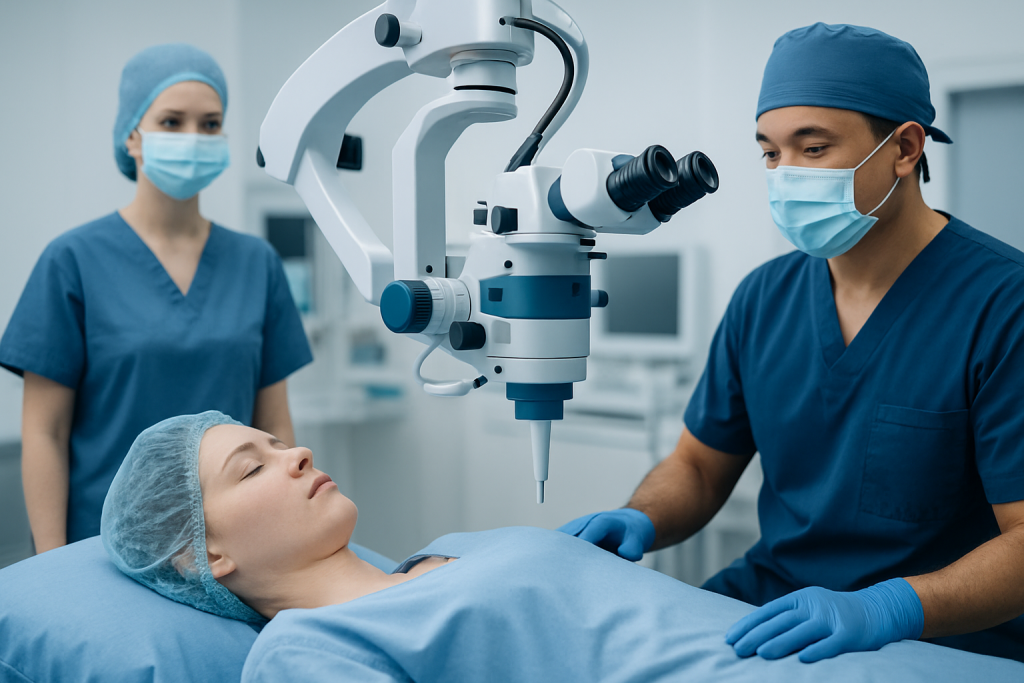
An excisional biopsy is a procedure in which the doctor removes the entire suspicious lesion or mass, usually along with a small rim of surrounding normal tissue. The removed tissue is then sent to a pathology laboratory for examination under a microscope.
This approach is commonly considered when the lesion is small enough to be removed completely and when full removal will not cause unnecessary harm. In some cases, the biopsy can also serve as treatment, because the entire abnormal area is taken out during the diagnostic procedure.
Excisional biopsy is often used for skin growths, small lumps in soft tissue, or certain breast, lymph node, or oral lesions, depending on the clinical situation. The exact choice depends on the doctor’s assessment of the lesion’s appearance, behavior, and location.
What Is an Incisional Biopsy?

An incisional biopsy removes only a portion of the suspicious area. The sample is chosen carefully so the pathologist can study tissue that is most likely to show the underlying problem.
This method is preferred when the lesion is too large to remove safely in one piece, when complete removal could affect function, or when the doctor wants to confirm a diagnosis before planning a larger operation. It is also used for lesions in areas where preserving surrounding structures is especially important.
Because only part of the lesion is removed, an incisional biopsy is usually a diagnostic step rather than a treatment by itself. If the pathology report points to a condition that needs more care, the doctor may recommend additional surgery or another therapy afterward.
Symptoms and Situations That Lead to Biopsy
People do not usually choose between these biopsy types on their own; the decision starts with a clinical finding. A biopsy may be recommended when a lump changes in size, shape, color, or texture, or when a wound or patch does not heal as expected.
Common findings that may prompt evaluation include a skin lesion with uneven borders, a firm or growing mass, an ulcer that persists, or an area that looks unusual on imaging or physical examination. Sometimes there are no symptoms beyond a finding during a routine exam.
- A new or enlarging lump
- A lesion with unusual color, edges, or surface changes
- A non-healing sore or ulcer
- An abnormal finding on imaging or screening
- Persistent pain, bleeding, or irritation in the area
Symptoms alone cannot confirm whether a lesion is benign or malignant, which is why tissue examination remains important. The biopsy method is selected to answer the question as accurately and safely as possible.
Causes and Risk Factors Behind Suspicious Lesions
Biopsies are not a diagnosis themselves; they are a way to investigate a possible diagnosis. A suspicious lesion may arise from many causes, including infection, inflammation, benign growths, precancerous changes, or cancer.
Risk factors depend on the body area involved. For example, prior sun exposure can increase concern for certain skin lesions, while a history of smoking, chronic irritation, family history, or previous cancer may influence evaluation in other organs. In many cases, however, a lesion appears without an obvious cause.
Doctors consider the whole clinical picture before recommending excisional or incisional biopsy. They assess the lesion’s size, depth, borders, growth pattern, and relationship to nearby structures, as well as the person’s overall health and whether anesthesia or wound healing may require extra planning.
How the Diagnosis Is Made
The diagnostic process usually begins with a physical examination and, when needed, imaging such as ultrasound, mammography, CT, MRI, or endoscopy. These tools help define the lesion’s location and extent, but they cannot replace tissue analysis when a diagnosis is uncertain.
Before the biopsy, the doctor may review medications, allergies, bleeding risks, and medical history. In some settings, a biopsy can be done in a clinic with local anesthesia. In others, especially when the lesion is deeper or the patient may need sedation, it may be arranged in an operating room or procedure suite.
Once the tissue is removed, it is placed in preservative and sent to pathology. The report may describe whether the tissue is benign, inflammatory, precancerous, or malignant, and it may include other details that help guide next steps.
Treatment Options and What the Procedures Involve
The best biopsy approach depends on the clinical question. An excisional biopsy is often chosen when removing the whole lesion is realistic and may also resolve the problem at the same time. An incisional biopsy is often chosen when doctors need a diagnosis first before deciding on a broader treatment plan.
During either procedure, the skin or tissue is cleaned and numbed, and the doctor removes tissue using a scalpel or another suitable instrument. The site is then closed if needed with stitches or another closure method, and a dressing is applied. Discomfort afterward is usually manageable, but the exact experience varies with the site and the size of the sample.
After the procedure, the care team may give instructions on wound care, activity limits, and warning signs that should be reported. Follow-up is important because the pathology report may change the treatment plan, especially if the lesion needs further removal or specialist review.
- Local anesthesia is commonly used
- Some procedures require sedation or general anesthesia
- Stitches, adhesive strips, or a dressing may be placed
- Pathology results guide whether more treatment is needed
Prevention, Self-Care, and Recovery
Not every lesion can be prevented, but early attention to changing skin, lumps, or sores can make evaluation simpler and treatment less invasive. People are encouraged to keep track of any new or evolving change and seek review rather than waiting for it to settle on its own.
After a biopsy, self-care focuses on protecting the wound and allowing it to heal. The doctor’s instructions may include keeping the area clean and dry for a period of time, avoiding strain or friction, and watching for bleeding, swelling, increasing pain, or signs of infection. Follow-up is especially important if the person is traveling from another country and will continue recovery at home.
For international patients, it can be helpful to ask in advance how pathology results will be shared, whether stitches need removal, and what kind of local follow-up may be required after return travel. A clear plan reduces uncertainty and helps recovery stay on track.
When to See a Doctor
A doctor should evaluate any lump, lesion, or sore that is new, enlarging, changing, painful, bleeding, or not healing. Medical assessment is also appropriate when a screening test or imaging study finds an abnormal area that needs tissue confirmation.
It is especially important to seek prompt review if the area is affecting swallowing, breathing, movement, urination, vision, or another essential function. Even when a lesion turns out to be benign, timely evaluation can prevent unnecessary delay and guide the safest next step.
In coordinated care settings, multidisciplinary teams may help decide whether excisional vs incisional biopsy is the better first step. At Acibadem Health Point, multidisciplinary specialists and JCI-accredited hospitals diagnose and treat these conditions for international patients, with planning that supports both the procedure and follow-up care.
Frequently asked questions
01What is the main difference between excisional and incisional biopsy?
An excisional biopsy removes the entire suspicious area, while an incisional biopsy removes only part of it. The choice depends on whether the lesion can be safely removed in full or whether sampling is the better first step.
02Is one biopsy more serious than the other?
Neither is automatically more serious; they are simply used for different clinical situations. An incisional biopsy is often chosen for larger or more complex lesions, while an excisional biopsy may be used when the lesion is small enough to remove completely.
03Does a biopsy mean cancer is likely?
No. Many biopsies are done because a lesion looks unusual, but the final result may show a benign or inflammatory condition. The purpose of the biopsy is to find out exactly what the tissue is.
04Will the biopsy hurt?
Most biopsies are done with local anesthesia, so the area is numbed during the procedure. Some soreness or tightness afterward is common, but the care team usually gives simple instructions for comfort and wound care.
05How long do biopsy results take?
Timing varies by laboratory and the complexity of the sample. The doctor or care team can usually explain when results are expected and how they will be shared.
06Can an incisional biopsy be followed by a larger surgery?
Yes. If the pathology report shows a condition that needs more treatment, a second procedure may be recommended. This is one reason incisional biopsy is often used first when doctors need to confirm the diagnosis before planning definitive care.
This article is for general information only and is not a substitute for professional medical advice. Please consult a qualified doctor about your individual situation.
Persistent digestive symptoms? Get evaluated in Turkey
JCI-accredited · board-certified surgeons · reply within 24h
Add us as a Preferred Source to see more of our trusted health content across Google Search, AI Overviews and Discover.