Essential Oils for Athlete’s Foot: Risks and Evidence
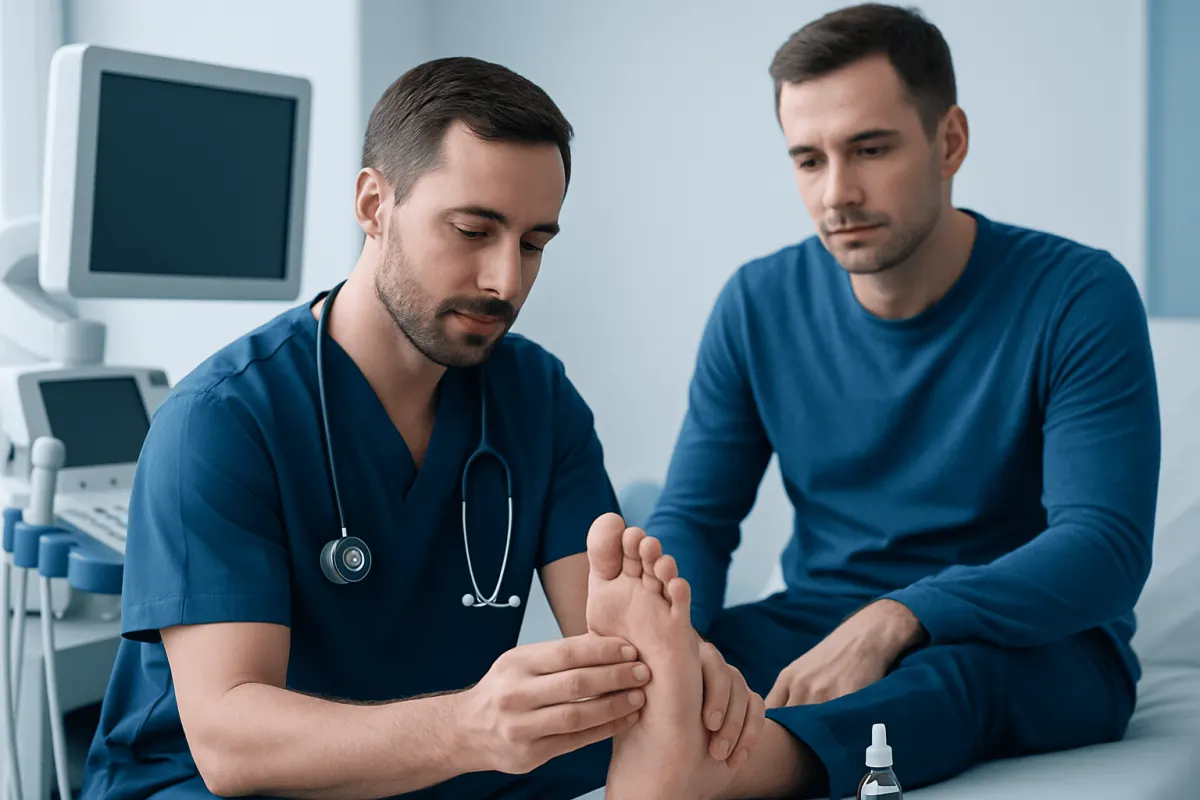
Essential oils are sometimes used for athlete's foot, but evidence is limited and they should not replace proven antifungal treatment. Some oils may cause irritation or allergic reactions, especially when applied undiluted or to cracked skin.
Overview: Can Essential Oils Treat Athlete's Foot?
Essential oils for athlete’s foot are not considered a first-line treatment. A few laboratory studies and small clinical studies suggest that certain oils, particularly tea tree oil, may have antifungal activity. However, the available evidence is less consistent and less robust than evidence for standard topical antifungal medicines.
Athlete’s foot, medically called tinea pedis, is a fungal infection of the skin on the feet. It commonly affects the spaces between the toes, but it can also cause dry scaling on the soles or small blisters. Effective care usually combines an appropriate antifungal product with steps that reduce moisture and limit fungal spread.
Essential oils are concentrated plant extracts rather than regulated antifungal medicines. Their ingredients and strengths can vary between products, and “natural” does not always mean gentle or safe for every person. Anyone considering an oil should view it as a possible complementary approach only after discussing it with a pharmacist or clinician, particularly if symptoms are persistent or the skin is broken.
Recognizing Athlete's Foot and Similar Conditions
Athlete’s foot often causes itching, burning, peeling, or white soggy skin between the toes. The skin may crack, scale, or become red. A moccasin-type pattern can produce widespread dryness and fine scaling on the soles and sides of the feet, while a blistering form may cause fluid-filled bumps.
Not every itchy or scaly foot rash is caused by fungus. Eczema, contact dermatitis from shoes or skin products, psoriasis, bacterial infections, and other skin conditions can look similar. Using fragranced products or essential oils on a rash that is actually dermatitis can make it more inflamed.
Fungal infection may also involve the nails, causing thickening, discoloration, crumbling, or separation from the nail bed. Nail infection is harder to treat than skin infection and may require a different plan. For broader information about fungal skin infections, readers can review fungal infections.
What the Evidence Says About Essential Oils
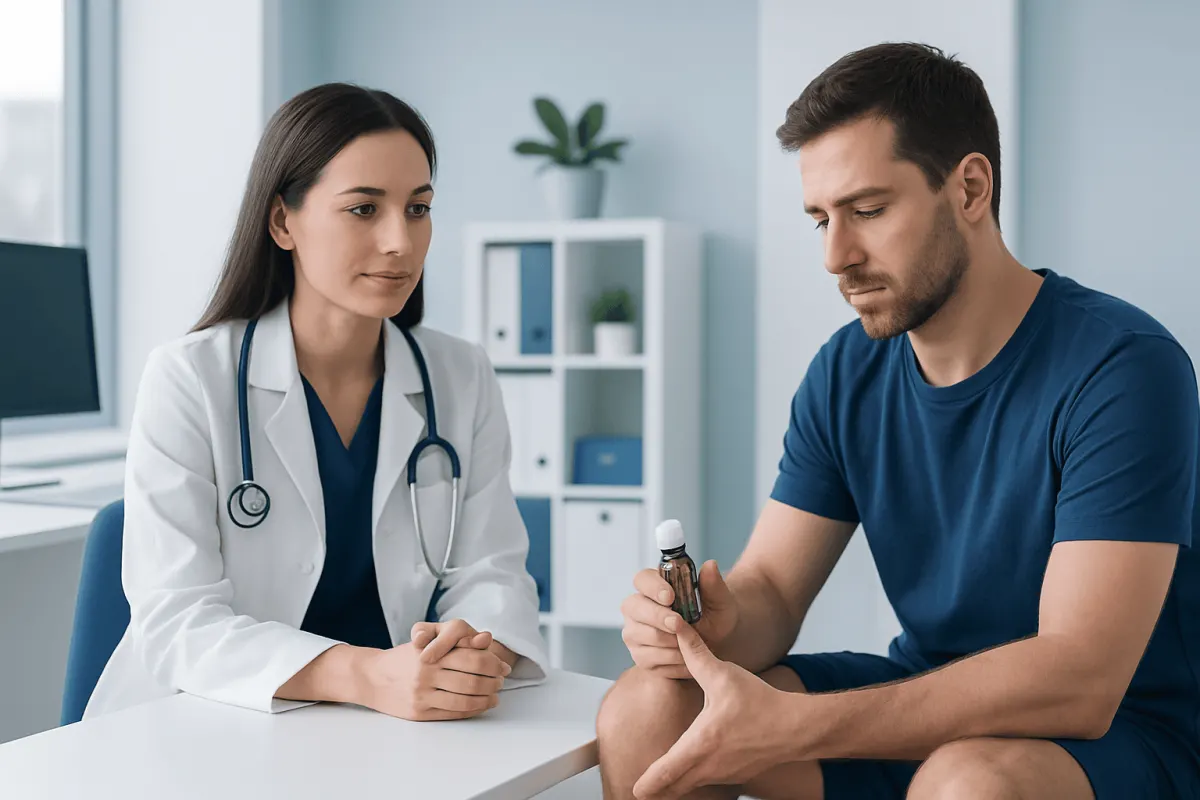
Some essential oils contain compounds that inhibit fungi in laboratory settings. Tea tree oil is the most commonly discussed option for athlete’s foot. Small studies have suggested it may improve symptoms for some people, but it has not consistently demonstrated the same reliable cure rates as well-established topical antifungal treatments.
Other oils, such as peppermint, eucalyptus, oregano, thyme, lavender, and clove oil, have shown antifungal effects in laboratory research. Laboratory activity does not prove that a product will be safe or effective when applied to human skin. Clinical studies are limited, products are not standardized, and the concentration needed to affect fungi can also irritate the skin.
For these reasons, professional guidance generally supports topical antifungals as the preferred treatment for uncomplicated athlete’s foot. Products containing antifungal ingredients such as terbinafine, butenafine, clotrimazole, or miconazole are designed and tested for this purpose. A clinician or pharmacist can help select a suitable option and explain how long it should be used.
Essential oils should not be ingested to treat athlete’s foot. Swallowing essential oils can be harmful, and they can interact with medicines or cause poisoning. Diffusing an oil into the air does not treat a fungal infection on the foot.
Safety Considerations if Using an Essential Oil
Essential oils can trigger irritant or allergic contact dermatitis. This may cause stinging, itching, redness, swelling, blistering, or worsening scaling. The risk may be higher when an oil is applied undiluted, used frequently, placed under an occlusive sock or dressing, or applied to fissured, inflamed, or recently shaved skin.
If a person still wishes to try an essential oil, they should first speak with a healthcare professional and use a properly diluted, skin-safe preparation rather than applying a concentrated oil directly. A small patch test on unaffected skin may identify an immediate reaction, but it cannot guarantee that a reaction will not develop later. The product should be stopped promptly if discomfort, rash, or worsening symptoms occur.
Essential oils are not a good self-treatment choice for people with diabetes, reduced sensation in the feet, circulation problems, immune suppression, a history of severe eczema or allergies, or open wounds. These situations increase the importance of accurate diagnosis and early medical care. Children and pregnant or breastfeeding individuals should also seek individualized advice before using essential-oil products.
It is important not to delay proven treatment while testing home remedies. A fungal infection can spread to other areas of the foot, the nails, the groin, or household contacts, although sensible hygiene can reduce this risk.
Proven Treatment Options and Foot Care
For most mild cases, a topical antifungal medicine is the usual starting point. It should be applied exactly as directed on the label or by a clinician, including to the surrounding affected skin. Symptoms can improve before the fungus is fully cleared, so completing the recommended course is important to reduce recurrence.
Keeping the feet dry supports treatment. Feet should be washed and dried carefully, especially between the toes. Fresh socks should be worn daily, and more often after sweating. Breathable shoes, alternating pairs of shoes, and allowing footwear to dry fully can reduce the warm, damp environment in which fungi thrive.
A person should avoid sharing towels, socks, shoes, nail clippers, or pumice stones. Sandals or protective footwear are sensible in communal showers, locker rooms, and poolside changing areas. Shoes and socks can be washed or cleaned according to their care instructions, and footwear may need attention if reinfection is frequent.
More extensive infection, repeated recurrence, involvement of the nails, or unsuccessful topical treatment may require prescription treatment or further testing. Dermatology specialists can assess the diagnosis and discuss dermatology care when a rash does not respond as expected.
Preventing Recurrence and Spread
Prevention is mainly about moisture control and reducing exposure in shared environments. After bathing, swimming, or exercise, drying between the toes is as important as drying the rest of the foot. People who sweat heavily may benefit from changing socks during the day and choosing moisture-wicking materials.
Well-fitting shoes can help reduce skin damage and excessive sweating. Shoes should not be worn continuously if they remain damp; alternating footwear gives each pair time to dry. Shower shoes are helpful in public wet areas, where fungi can be present on surfaces.
If a household member has athlete’s foot, shared textiles and footwear should be avoided. Cleaning shower floors and bath mats regularly is practical, although intensive household disinfection is usually unnecessary. Treating an active infection promptly can help prevent spread to the nails and other body sites.
People who have repeated athlete’s foot should consider whether a continuing source is present, such as untreated fungal nail infection, regularly damp footwear, or a misdiagnosed rash. A clinician can help identify the likely cause and develop a prevention plan that is realistic for daily life.
When to Seek Medical Care
Medical assessment is advisable if the rash is painful, rapidly spreading, swollen, warm, oozing, or associated with fever. These signs may suggest a secondary bacterial infection or another condition requiring prompt care. A person should also seek help if there are deep cracks, ulcers, marked blistering, or difficulty walking.
People with diabetes, poor circulation, peripheral neuropathy, immune suppression, or a history of foot ulcers should contact a healthcare professional early for any new foot rash. Even a minor skin problem may need closer monitoring in these groups.
A clinician should review symptoms that do not improve after an appropriate course of over-the-counter antifungal treatment, keep returning, affect the toenails, or are not clearly typical of athlete’s foot. Testing a skin sample may sometimes be needed to confirm a fungal infection and rule out conditions that need different treatment.
Acıbadem Health Point’s multidisciplinary specialists and JCI-accredited hospitals can evaluate persistent skin and foot concerns and coordinate treatment for international patients.
Frequently asked questions
01Does tea tree oil cure athlete's foot?
Tea tree oil may have antifungal activity, but it is not proven to cure athlete's foot as reliably as standard topical antifungal medicines. It can also cause irritation or allergic contact dermatitis. A proven antifungal product is generally the safer first choice.
02Can essential oils make athlete's foot worse?
Yes. Concentrated oils can burn or irritate the skin, especially when used undiluted or on cracked, inflamed skin. An allergic reaction can resemble or worsen a fungal rash, making the condition harder to assess.
03What is the fastest reliable treatment for athlete's foot?
Topical antifungal medicine combined with careful drying of the feet is usually the most reliable approach for uncomplicated athlete's foot. The exact duration depends on the product and infection pattern, so instructions should be followed carefully. If symptoms persist, a clinician should assess the diagnosis.
04Should essential oils be diluted before applying them to feet?
Essential oils should not be applied directly to the skin in concentrated form. Even when diluted in a suitable carrier product, they can still cause skin reactions and are not a replacement for antifungal treatment. People with diabetes, poor circulation, numbness, or broken skin should avoid self-treating with essential oils and seek clinical advice.
05How can a person tell if athlete's foot is gone?
Itching, peeling, redness, and cracking should resolve, and the skin should return to its usual appearance. Treatment should be continued for the full recommended period even if symptoms improve early. Recurrent scaling or itching may indicate reinfection, incomplete treatment, or a different skin condition.
06Can athlete's foot spread to toenails or other people?
Yes. The fungus can spread to the toenails, other skin areas, and sometimes other people through shared towels, socks, shoes, or wet surfaces. Avoiding shared footwear and towels, wearing footwear in communal wet areas, and treating the infection promptly can reduce spread.
This article is for general information only and is not a substitute for professional medical advice. Please consult a qualified doctor about your individual situation.
Explore treatments in Turkey — costs, top hospitals & a free quote
JCI-accredited · board-certified surgeons · reply within 24h
Add us as a Preferred Source to see more of our trusted health content across Google Search, AI Overviews and Discover.