Esophageal Diverticulum: Symptoms, Types, and Care
An esophageal diverticulum is an outward pouch that forms in the wall of the esophagus, the tube that carries food from the mouth to the stomach. Some diverticula cause no problems, while others can lead to food sticking, regurgitation, coughing, or swallowing difficulty and may need specialist assessment.
Overview: what is an esophageal diverticulum?
An esophageal diverticulum is a small sac or pouch that bulges outward from the esophageal wall. The esophagus is the muscular passage that moves food and liquid from the throat to the stomach. A diverticulum can collect food, fluid, or saliva, especially when it is larger, which may explain why some people notice regurgitation or a sensation that food is not passing normally.
This condition is uncommon and is often discovered during tests performed for swallowing symptoms. It is not the same as gastroesophageal reflux disease, although reflux and swallowing symptoms can occur at the same time. It is also not automatically a sign of cancer; however, persistent swallowing changes should always be evaluated rather than assumed to have a harmless cause.
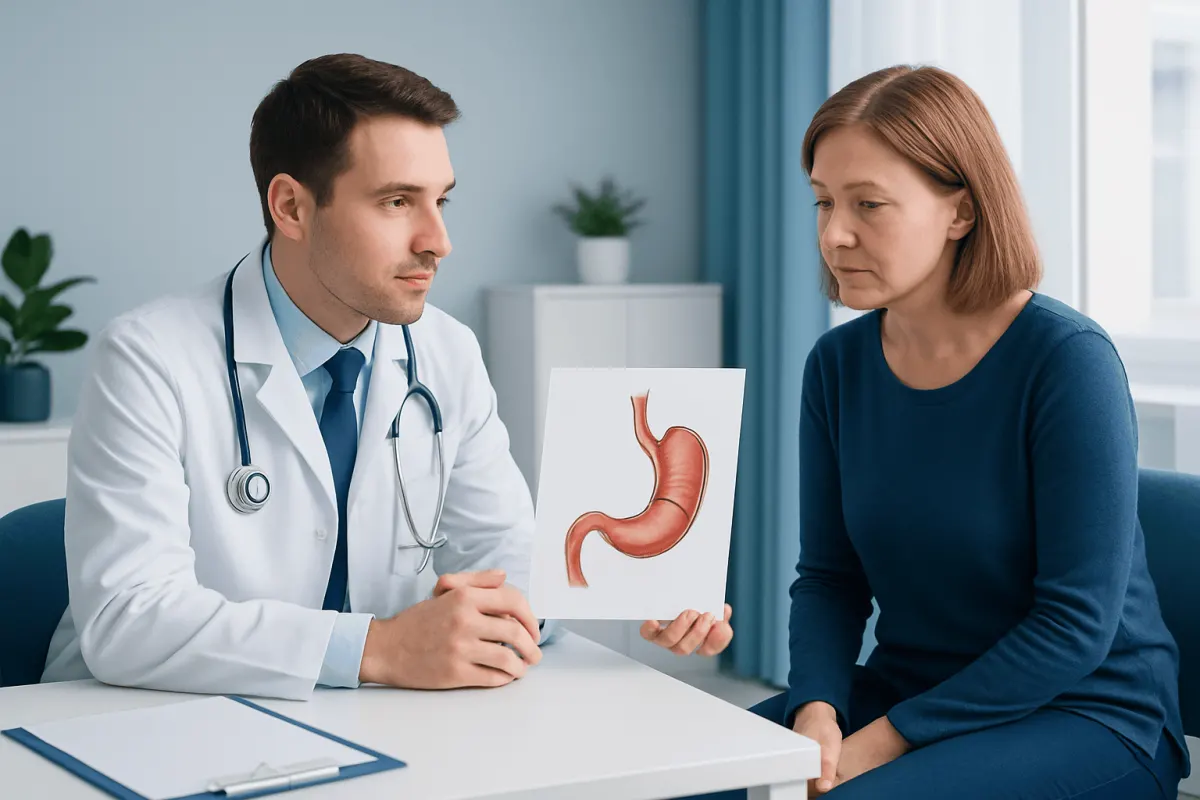
Doctors describe diverticula partly by where they occur. A Zenker diverticulum develops near the upper esophagus, just behind the throat. Mid-esophageal diverticula occur in the chest, and epiphrenic diverticula develop near the lower end of the esophagus, close to the stomach. Location matters because it influences symptoms, possible underlying causes, and the most suitable treatment approach.
How symptoms may appear in daily life
Some people with a small esophageal diverticulum have no symptoms at all. When symptoms occur, they often develop gradually. A person may feel that food catches in the throat or chest, need to swallow repeatedly, or notice that pills and dry foods are harder to pass. These experiences can be unpleasant, but they do not by themselves reveal the cause; careful assessment is important.
Food retained in a pouch may come back into the mouth after eating, sometimes hours later. This is called regurgitation and differs from vomiting because it usually happens without nausea or forceful abdominal contractions. Retained material can also contribute to bad breath, gurgling sounds in the neck, throat clearing, cough, or a feeling of fullness.
If material enters the airway, a person may cough during meals or experience recurrent chest infections. Larger diverticula can occasionally affect nutrition if eating becomes difficult or avoided. Symptoms such as heartburn, chest discomfort, or unexplained weight loss may have several possible causes, so they should not be attributed to a diverticulum without medical evaluation.
- Difficulty swallowing solids, liquids, or both
- Regurgitation of undigested food or fluid
- Coughing, choking, or throat clearing during or after meals
- Persistent bad breath or a sensation of food remaining in the throat
- Unintentional weight loss or repeated respiratory infections in more significant cases
Why esophageal diverticula develop
Esophageal diverticula form through more than one mechanism. In some cases, pressure inside the esophagus rises when the muscles do not coordinate normally during swallowing. Repeated pressure can push the inner lining outward through a relatively weak area of the muscle wall. Zenker diverticulum is a classic example and is associated with impaired relaxation or coordination of the upper esophageal sphincter.
Diverticula in the lower esophagus may be linked with motility disorders, meaning conditions that affect how esophageal muscles contract and move food. Examples include achalasia and esophageal spasm. For this reason, clinicians may look beyond the pouch itself and assess whether an underlying swallowing-movement problem needs treatment.
Other diverticula may result from inflammation or scarring in nearby tissues that pull on the esophageal wall. Age-related changes in muscle function can also contribute. There is usually no single behavior, food, or stressful event that directly causes an esophageal diverticulum, and people should not blame themselves for developing one.
Diagnosis: finding the pouch and understanding its cause
Assessment usually begins with a medical history focused on swallowing, regurgitation, coughing, reflux symptoms, medication use, and weight changes. A clinician may ask whether symptoms happen with solids, liquids, or both, and whether they began suddenly or slowly. These details help distinguish structural narrowing from a possible muscle-movement disorder.
A barium swallow, also called a contrast esophagram, is often the most useful initial test. During this X-ray examination, the person drinks a contrast liquid while images show how it moves through the throat and esophagus. The test can show the diverticulum’s location, size, and whether food or fluid is retained.
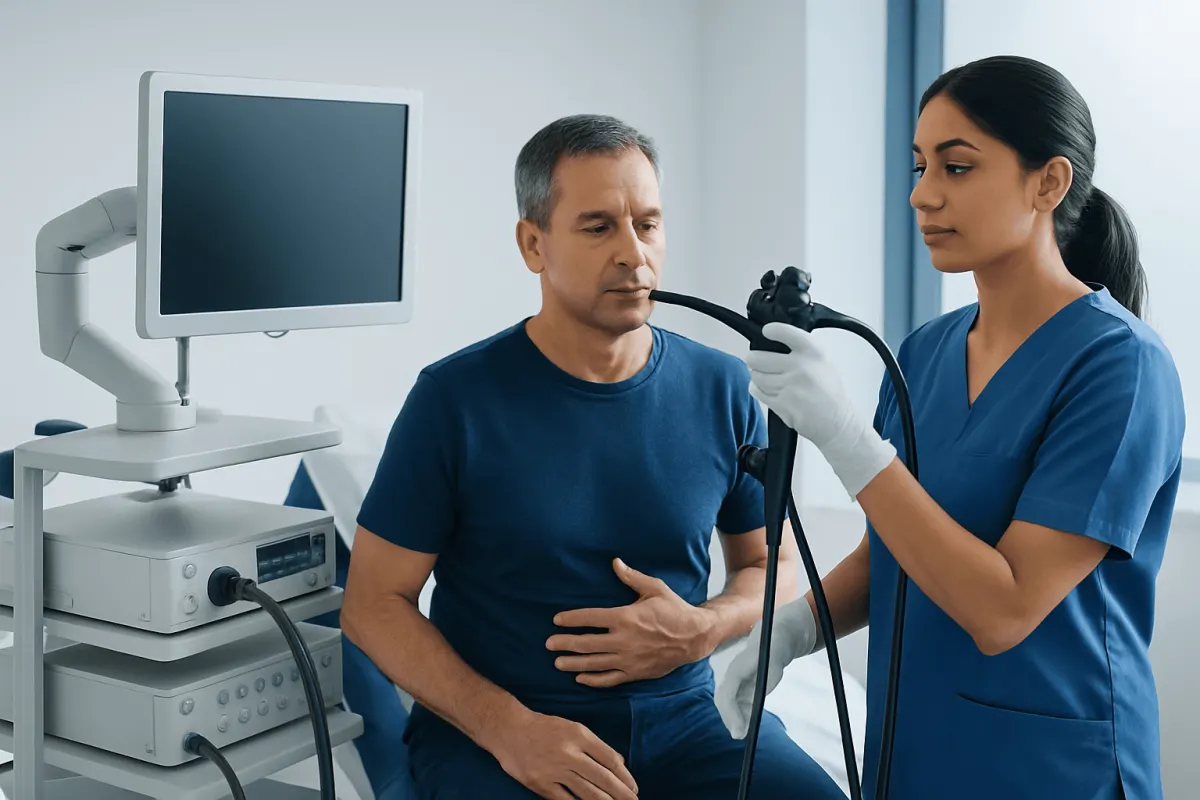
Upper endoscopy may be used to examine the esophagus directly and rule out inflammation, narrowing, or other conditions. Because a diverticulum can alter the usual anatomy, endoscopy should be performed thoughtfully by an experienced clinician. Esophageal manometry, a test that measures muscle pressure and coordination during swallowing, may be recommended particularly for diverticula near the lower esophagus or when a motility disorder is suspected.
Diagnosis is not based on symptoms alone. Similar complaints can occur with reflux, strictures, neurological swallowing disorders, or other digestive conditions. Identifying both the pouch and any related motility issue helps the care team recommend the safest and most effective plan.
Treatment options: observation, endoscopic care, and surgery
Treatment is individualized. A small diverticulum that causes no symptoms may not need an intervention. In this situation, a clinician may recommend observation and advise the person to return if swallowing, nutrition, coughing, or regurgitation changes. The presence of a diverticulum on a scan does not always mean treatment is necessary.
For symptomatic Zenker diverticulum, treatment often aims to improve the opening and muscle function at the upper esophageal sphincter while addressing the pouch. Depending on anatomy, overall health, and local expertise, this may be done through an endoscopic procedure performed through the mouth or through an operation in the neck. Endoscopic approaches can avoid a neck incision for selected patients.
Diverticula in the lower esophagus may require treatment of the associated muscle disorder as well as the pouch. This can involve minimally invasive surgery or specialized endoscopic techniques, with the exact approach based on imaging and manometry findings. Treating only the visible pouch without addressing abnormal muscle pressure may not adequately relieve symptoms in some people.
All procedures have potential risks, including bleeding, infection, perforation, leak, narrowing, or recurrence of symptoms. A gastroenterologist and surgeon can explain the expected benefits, alternatives, recovery needs, and risks for the individual situation. Decisions should reflect symptom severity, nutritional impact, other medical conditions, and personal preferences.
Practical self-care and common myths
Self-care cannot remove an esophageal diverticulum, but certain habits may make eating more comfortable while a person is being assessed or when observation is appropriate. Taking smaller bites, chewing thoroughly, eating slowly, and sipping fluids with meals may help some people. Remaining upright after eating can reduce regurgitation and lower the chance that retained material reaches the airway.
People with swallowing symptoms should avoid forcing down food that feels stuck. Softening dry foods, choosing textures that are easier to swallow, and discussing nutrition with a clinician or dietitian can be useful when symptoms affect intake. Any individualized dietary restriction should be based on professional advice, particularly for people who are losing weight or have diabetes, kidney disease, or other dietary needs.
A common myth is that every esophageal pouch must be removed. In fact, symptom-free or mild cases can often be monitored safely. Another misconception is that the condition is always caused by acid reflux or by eating particular foods. Reflux may coexist, but diverticula are more often related to anatomy, pressure, and swallowing muscle function.
It is also important not to assume that occasional regurgitation is harmless. When food or fluid repeatedly enters the airway, aspiration can cause respiratory complications. Reporting cough during meals, nighttime choking, fever, or recurrent chest infections allows clinicians to assess the risk and recommend appropriate care.
When to seek medical care
A person should arrange a medical appointment for new or persistent difficulty swallowing, food coming back up after meals, unexplained throat symptoms, or recurrent coughing with eating. Evaluation is particularly important if symptoms are progressing, interfering with meals, causing anxiety around eating, or leading to reduced food intake.
Prompt medical attention is needed for inability to swallow liquids or saliva, severe chest or neck pain, breathing difficulty, vomiting blood, black stools, fever with chest symptoms, or signs of dehydration. These symptoms may not be caused by an esophageal diverticulum, but they require timely assessment.
Unintentional weight loss, anemia, persistent hoarseness, or repeated respiratory infections also warrant a clinician’s review. Acıbadem Health Point’s multidisciplinary specialists and JCI-accredited hospitals evaluate and treat esophageal conditions for international patients, with care plans guided by appropriate imaging, endoscopy, and swallowing assessments.
Frequently asked questions
01Is an esophageal diverticulum cancer?
No. An esophageal diverticulum is a pouch in the esophageal wall and is not itself cancer. However, new or worsening swallowing symptoms should be assessed because several conditions, including some serious ones, can cause similar symptoms.
02Can an esophageal diverticulum go away on its own?
A formed diverticulum usually does not disappear on its own. If it is small and causes no symptoms, it may not require treatment and can be monitored. Treatment is considered when symptoms, aspiration risk, or nutritional problems become significant.
03What is the difference between Zenker diverticulum and other esophageal diverticula?
Zenker diverticulum forms at the upper end of the esophagus, near the throat, and often causes regurgitation, gurgling, and swallowing difficulty. Other diverticula can occur in the chest or near the stomach and may be more closely associated with esophageal motility disorders. The location helps determine which tests and treatments are appropriate.
04Can esophageal diverticulum cause coughing at night?
Yes. Food or fluid retained in the pouch can regurgitate when a person lies down and irritate or enter the airway, leading to coughing or choking. Nighttime coughing should be discussed with a healthcare professional, especially if it is frequent or accompanied by fever or recurrent chest infections.
05How is an esophageal diverticulum treated without open surgery?
Some suitable cases can be treated with endoscopic procedures performed through the mouth. These techniques can divide the tissue between the pouch and the esophagus or address the muscle causing high pressure. Eligibility depends on the diverticulum’s type, size, anatomy, and the person’s overall health.
06What foods should a person avoid with an esophageal diverticulum?
There is no universal list of foods that causes or cures this condition. People who have symptoms may find that dry, tough, or poorly chewed foods are harder to swallow, while softer foods and adequate fluids are easier. A clinician or dietitian can provide individualized guidance if symptoms affect nutrition.
This article is for general information only and is not a substitute for professional medical advice. Please consult a qualified doctor about your individual situation.
Persistent digestive symptoms? Get evaluated in Turkey
JCI-accredited · board-certified surgeons · reply within 24h
Add us as a Preferred Source to see more of our trusted health content across Google Search, AI Overviews and Discover.