ESG Stomach Tightening Cost: What Affects the Price
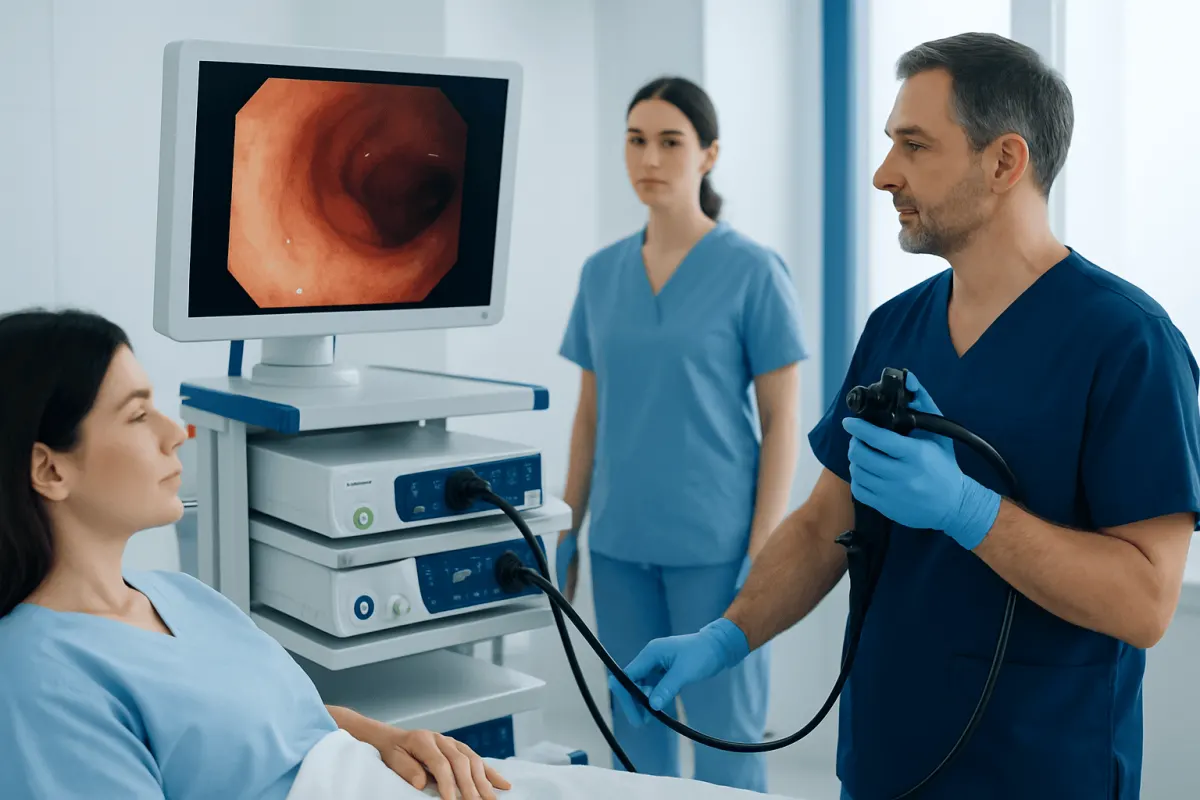
ESG stomach tightening cost cannot be given as one universal figure because the total depends on the treatment setting, clinical needs, anaesthesia, investigations, aftercare and travel-related arrangements. Endoscopic sleeve gastroplasty (ESG) is a minimally invasive weight-management procedure that reshapes the stomach from inside using sutures, without surgical incisions or removal of stomach tissue.
ESG stomach tightening cost: what is included?
ESG stomach tightening cost varies considerably between countries, hospitals and individual treatment plans. Rather than focusing only on the procedure fee, patients should ask for a written estimate that explains what is and is not included. A personalised assessment is the most reliable way to understand the likely overall cost.
Potential cost components include consultations, blood tests and other pre-procedure investigations, anaesthesia or sedation, the endoscopic procedure, hospital observation where needed, prescribed medicines, dietary guidance and scheduled follow-up. If a person is travelling for care, accommodation, transport, translation services and the practical requirements of staying nearby during early recovery may also affect the budget.
Insurance coverage differs by insurer, policy and location. Because ESG may be considered an elective or weight-management procedure, coverage is not guaranteed. Patients can contact their insurer before treatment and ask the care team whether the quote covers treatment for unexpected complications, additional tests or changes in the planned care pathway.
How ESG stomach tightening works
Endoscopic sleeve gastroplasty, often called ESG or stomach tightening, is a minimally invasive endoscopic weight-management procedure. A specialist passes a flexible camera tube, called an endoscope, through the mouth and into the stomach. There are no abdominal incisions and no stomach tissue is removed.
Using a suturing device attached to the endoscope, the clinician places full-thickness sutures in the stomach wall. These sutures reshape the stomach into a smaller, tube-like form. This generally limits the amount of food the stomach can hold and may slow gastric emptying, helping some people feel satisfied with smaller portions.
ESG is intended to work alongside structured nutrition, physical activity, behavioural support and follow-up care. It is not a stand-alone cure for obesity, and it does not replace assessment and management of medical contributors to weight gain. Patients considering the procedure can learn more about endoscopic sleeve gastroplasty during a consultation with an experienced bariatric team.
Who may be a candidate for ESG?

ESG may be considered for adults with overweight or obesity who have not achieved sufficient improvement with lifestyle measures alone and who prefer a less invasive option than bariatric surgery. Eligibility is individual. A clinician considers body mass index, weight-related health conditions, previous treatments, eating patterns, medical history and the person’s readiness for long-term follow-up.
People may need further assessment or an alternative approach if they have certain stomach or oesophageal conditions, uncontrolled bleeding problems, serious liver disease, active substance misuse, untreated eating disorders or health concerns that make sedation or anaesthesia unsafe. Pregnancy is also a time when intentional weight-loss procedures are generally postponed.
A multidisciplinary assessment commonly includes a gastroenterologist or bariatric specialist, dietitian and, when helpful, mental health professional. This process helps identify realistic goals, screens for risks and ensures that the person understands the dietary changes required before and after treatment.
What happens during and after the procedure?
Before ESG, patients usually complete medical review, laboratory testing and instructions about food, drink and medicines. The procedure is generally performed under general anaesthesia or deep sedation, depending on local practice and the individual’s health needs. The endoscope is introduced through the mouth, sutures are placed to reshape the stomach, and the team monitors the patient throughout.
ESG commonly takes place as a same-day procedure, although observation arrangements vary. Temporary nausea, throat discomfort, cramping or abdominal pain can occur in the first days. The team provides guidance on hydration, medicines, warning symptoms and when it is safe to return to usual daily activities.
Recovery includes a staged nutrition plan. Patients usually begin with liquids, then gradually move to puréed and soft foods before returning to an individually planned balanced diet. The exact timeline differs, so it is important to follow the treating team’s instructions rather than advancing food textures too quickly.
Follow-up appointments support hydration, protein and nutrient intake, symptom review, physical activity planning and behaviour change. Regular contact also helps the team address weight plateaus, reflux symptoms, emotional eating or other barriers early.
Does ESG stomach tightening work?
ESG stomach tightening can support clinically meaningful weight loss for appropriately selected patients when it is combined with a comprehensive lifestyle programme. Research has found that many people lose a meaningful proportion of their starting body weight during the first year, although results vary substantially between individuals.
Success is influenced by adherence to post-procedure eating guidance, regular physical activity, sleep, mental wellbeing, follow-up attendance and treatment of conditions that affect weight. Some people may also need anti-obesity medicines or other medical support as part of a personalised plan.
ESG may improve obesity-related health measures for some people, such as blood sugar control, blood pressure or fatty liver disease. These potential improvements should be monitored by a clinician and should not be assumed for every patient. Weight regain can occur, particularly if long-term habits and follow-up support are not maintained.
How much weight can you lose with ESG surgery?
Weight loss after ESG differs from person to person, and no result can be guaranteed. Studies commonly report average total body weight loss in the mid-teens percentage range around one year after the procedure when ESG is delivered with lifestyle support. Individual results may be lower or higher than these averages.
The term “ESG surgery” is often used in everyday conversation, but ESG is an endoscopic procedure rather than conventional surgery. A care team can discuss what a realistic and medically meaningful weight-loss target may look like based on starting weight, health conditions, previous efforts and the person’s ability to follow the programme.
Progress should be assessed beyond the number on the scale. Improved mobility, energy, eating patterns, metabolic health and quality of life can all be relevant outcomes. Ongoing reviews allow the plan to be adjusted if weight loss slows or health needs change.
Is ESG better than gastric sleeve?
ESG is not universally better than surgical sleeve gastrectomy, also called gastric sleeve surgery. They are different procedures with different levels of invasiveness, expected weight loss, risks, recovery requirements and long-term considerations. The best choice depends on an individual’s body weight, medical conditions, treatment goals and preferences.
ESG does not require abdominal incisions or removal of part of the stomach, and recovery may be quicker for many patients. Surgical sleeve gastrectomy removes a large portion of the stomach and generally produces greater average weight loss, but it is a more invasive operation with its own risks and potential nutritional and digestive consequences.
A bariatric specialist can explain whether endoscopic treatment, sleeve gastrectomy, medication-based weight management or another approach is most suitable. The decision should be made after balanced discussion of benefits, limitations and the level of long-term support available.
How long does ESG stomach tightening last?
The sutures used in ESG are intended to create a lasting change in stomach shape, but the body and stomach can change over time. Long-term results depend on how well the stomach configuration is maintained, as well as the person’s eating habits, activity level, follow-up care and any weight regain.
Available evidence supports weight-loss benefit for several years in many patients, particularly when lifestyle support continues. However, long-term outcomes are still being studied, and some people may lose less weight than expected or regain weight. In selected situations, clinicians may discuss medical treatment, repeat endoscopic therapy or another intervention.
Continued nutrition and behavioural follow-up is therefore part of maintaining results, not simply an optional extra. Patients should attend scheduled reviews and seek advice early if they notice persistent symptoms, difficulty following the food plan or substantial weight regain.
Risks, self-care and when to seek medical care
ESG is generally less invasive than abdominal bariatric surgery, but it still has risks. Common short-term effects can include nausea, vomiting, bloating, abdominal discomfort and sore throat. Less common but serious complications may include bleeding, infection, stomach injury, blood clots or reactions to anaesthesia; the treating team will explain the individual risk profile before consent.
After the procedure, patients should follow the prescribed diet stages, take medicines only as directed, drink fluids in small frequent amounts and attend follow-up appointments. Gradual return to movement and planned physical activity can support recovery and weight management. It is important to avoid relying on alcohol, restrictive dieting or unapproved supplements to accelerate weight loss.
Urgent medical advice is needed for severe or worsening abdominal or chest pain, persistent vomiting, fever, fainting, shortness of breath, black stools, vomiting blood, inability to keep fluids down or signs of dehydration. For non-urgent concerns, patients should contact their treating team promptly rather than waiting for the next routine appointment.
Acıbadem Health Point’s multidisciplinary specialists and JCI-accredited hospitals provide assessment and treatment planning for international patients considering ESG and other weight-management options.
Frequently asked questions
01What affects ESG stomach tightening cost?
The overall cost can be affected by the country and hospital, specialist expertise, anaesthesia, pre-procedure testing, the procedure itself and planned aftercare. Nutrition consultations, medicines, accommodation and travel can also be relevant for people receiving care away from home. A detailed written estimate helps patients compare care plans fairly.
02Does ESG stomach tightening work?
ESG can help many appropriately selected people achieve meaningful weight loss when it is combined with nutrition, activity and behavioural support. Results vary, and the procedure works best as part of long-term medical weight management. Regular follow-up is important for safety and for maintaining progress.
03How much weight can you lose with ESG surgery?
Research often reports average weight loss in the mid-teens percentage of starting body weight around one year after ESG with lifestyle support. This is an average, not a promise, and individual outcomes vary. A clinician can help set a realistic target based on personal health and treatment goals.
04Is ESG better than gastric sleeve?
Neither procedure is automatically better for everyone. ESG is less invasive and does not remove stomach tissue, while surgical sleeve gastrectomy usually produces greater average weight loss but involves abdominal surgery. A bariatric assessment can help determine which option best matches an individual’s needs and risk profile.
05How long does ESG stomach tightening last?
ESG is designed to create a durable reduction in stomach volume, but results can change over time. Long-term weight management, follow-up care and healthy routines influence how well benefits are maintained. Some patients may need additional medical or procedural support if weight regain occurs.
06How long is recovery after ESG?
Many patients return to light daily activities within several days, but recovery differs between individuals. Eating progresses gradually from liquids to other textures according to the treating team’s plan. Full adjustment to new eating habits and ongoing weight-management routines continues over weeks and months.
This article is for general information only and is not a substitute for professional medical advice. Please consult a qualified doctor about your individual situation.
Persistent digestive symptoms? Get evaluated in Turkey
JCI-accredited · board-certified surgeons · reply within 24h
Add us as a Preferred Source to see more of our trusted health content across Google Search, AI Overviews and Discover.