Epilepsy Surgery Evaluation: Who May Benefit Beyond Medication

Key Takeaways
- Epilepsy surgery is considered when seizures are not adequately controlled with medication or when medication side effects become difficult to manage.
- A thorough pre-surgical evaluation looks at seizure type, brain imaging, EEG findings, memory and language function, and overall health.
- Not every person with epilepsy is a surgical candidate; the best results usually come from a clearly defined seizure focus that can be treated safely.
- The evaluation process may include inpatient monitoring, neuropsychological testing, and advanced imaging to match treatment to the individual.
- Recovery and follow-up remain important because seizure management often continues after surgery, sometimes with medication adjustments.
- People traveling for care can benefit from coordinated planning for testing, procedures, and follow-up before returning home.
For some people with epilepsy, seizures continue despite trying appropriate medications. An epilepsy surgery evaluation helps determine whether surgery or another targeted procedure may reduce seizures and improve daily life.
Overview
Epilepsy treatment is often built around medication, but medicine is not always the whole answer. When seizures continue despite carefully chosen anti-seizure medicines, doctors may begin asking a different question: is there a specific area of the brain causing the seizures that can be treated more directly?
An epilepsy surgery evaluation is the step that helps answer that question. It does not mean surgery is inevitable. Instead, it is a detailed review designed to see whether removing, disconnecting, or otherwise treating the seizure source could offer better seizure control than medication alone.
For many patients, this evaluation is the bridge between living with ongoing seizures and understanding what other options exist. It is especially important for people whose seizures disrupt work, school, driving, sleep, safety, or independence, and for those who travel for specialized neurological care and need a clear plan before deciding on treatment abroad.
Signs That Medication May Not Be Enough
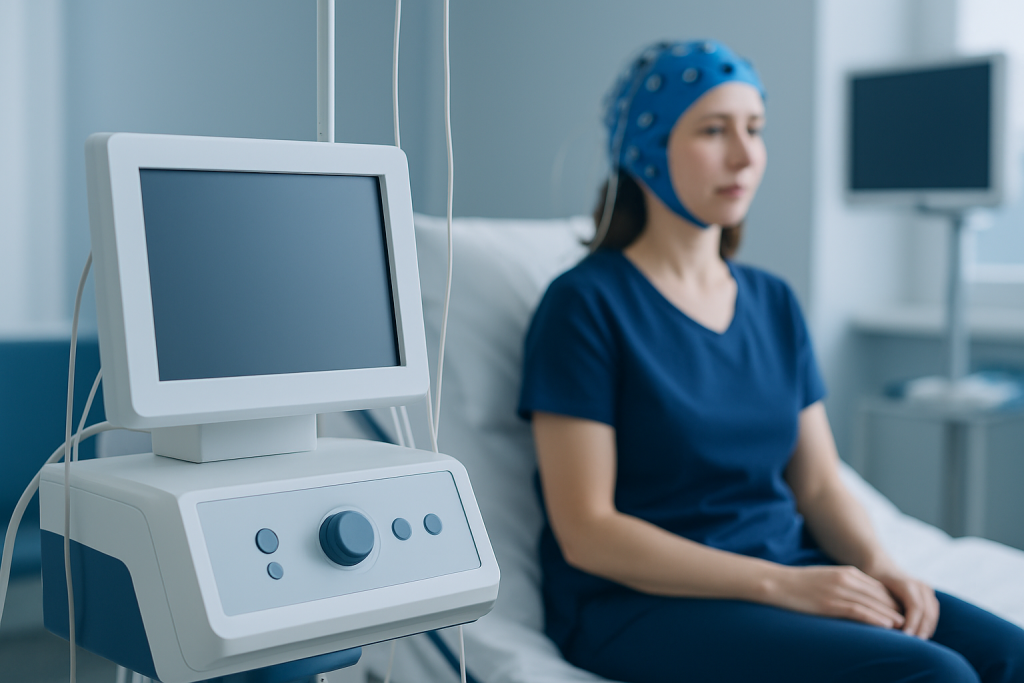
Some people respond well to the first anti-seizure medication they try, while others need several adjustments before seizures become less frequent. If seizures continue after appropriate trials of medication, doctors may describe the condition as drug-resistant epilepsy, also called medication-resistant epilepsy.
That term does not mean nothing can be done. It means the epilepsy should be reviewed by a specialist team, because the pattern of seizures may be suitable for a procedure or surgery that targets the cause more directly than medication can.
Common reasons to consider a surgical evaluation include:
- Seizures continue after trying two suitable anti-seizure medicines, either alone or in combination.
- Side effects from medication make daily life difficult, even if seizures improve only partly.
- Seizures come from one area of the brain that may be safely treated.
- There is a structural brain finding, such as scar tissue or a lesion, linked to the seizures.
- Seizures remain frequent enough to affect safety, memory, school, work, or independence.
Even when seizures are not extremely frequent, a specialist may still recommend evaluation if the episodes are dangerous, cause injuries, or create major limitations.
What Makes Someone a Possible Candidate

The most important factor is whether seizures appear to start in a region of the brain that can be identified and treated without unacceptable risk. Surgery is often more likely to help when the seizure source is well localized, especially if the area is not essential for speech, movement, or other critical functions.
People with focal epilepsy, where seizures begin in one part of the brain, are often the clearest candidates for evaluation. Some individuals with temporal lobe epilepsy, certain brain lesions, or a single seizure focus seen on testing may be especially likely to benefit from surgery or another targeted procedure.
Age alone does not decide candidacy. Children, adults, and older adults may all be evaluated, depending on seizure type, brain anatomy, overall health, and how the seizures affect quality of life. A history of long-term epilepsy does not automatically rule surgery out, but it does make expert review more important.
How the Evaluation Is Built
An epilepsy surgery evaluation is usually handled by a multidisciplinary team rather than one doctor alone. Neurologists, epileptologists, neurosurgeons, neuroradiologists, neuropsychologists, and sometimes epilepsy nurses or rehabilitation specialists work together to build a complete picture.
The evaluation may begin with a careful review of seizure history. Doctors ask what happens before, during, and after an event, how often seizures occur, whether medication has helped, and whether there are triggers, warning signs, injuries, or memory changes. If possible, family members or caregivers may help describe events, since seizures are not always remembered clearly by the patient.
Common parts of the workup include:
- EEG or prolonged video-EEG monitoring to record seizure activity
- Brain MRI to look for structural causes
- Neuropsychological testing to assess memory, attention, language, and thinking skills
- Functional imaging or other advanced tests when needed to refine the seizure map
- General medical evaluation to confirm the person is well enough for a procedure
For international patients, this stage is also where logistics matter. A thoughtful center will try to coordinate testing efficiently so the person can complete essential studies, review the results, and understand next steps before returning home.
Treatment Options Beyond Medication
Surgery is one option, but it is not the only procedure considered during evaluation. The right treatment depends on where seizures begin, how they spread, and which parts of the brain must be protected.
When a seizure focus is clearly identified, a surgeon may recommend removing the area causing seizures. In other situations, doctors may suggest procedures that interrupt seizure pathways or reduce seizure burden without removing a large amount of tissue. Some patients may be better suited to device-based therapy rather than resection.
Treatment options can include:
- Resective surgery, which removes the seizure-causing area when safe
- Ablative procedures, which use targeted energy or heat to treat a small focus
- Disconnective surgery, which separates pathways that spread seizures
- Neurostimulation devices, which help reduce seizure frequency in selected patients
The goal is not always complete seizure freedom, although that is sometimes possible. For some people, the most meaningful result is fewer seizures, less severe seizures, improved safety, or a lower medication burden. The evaluation helps match the treatment to the individual rather than forcing everyone into the same plan.
What Happens During the Decision-Making Process
After tests are completed, the team reviews the findings together. This conference-style approach helps align seizure data, imaging, cognitive testing, and surgical risk into one clear recommendation. Patients are then told whether surgery is likely to help, whether more testing is needed, or whether another non-surgical approach makes more sense.
This discussion is usually practical and personalized. Doctors explain the expected benefit, the likely risks, what kind of recovery may be needed, and whether anti-seizure medication would continue after the procedure. They also talk through the limits of surgery, because even a well-planned operation may reduce rather than completely stop seizures.
People often find it helpful to bring a written list of questions, especially if they are planning care from another country. Understanding the pathway ahead of time can make travel, family planning, and time away from work much easier to manage.
Preparation, Recovery, and Self-care
Preparation for epilepsy surgery or another procedure may involve adjusting medications, arranging transport, and planning a safe place to recover. The team may ask the patient to avoid food or drink before certain tests or procedures, and caregivers are often advised to learn seizure first aid and observe for changes after treatment.
Recovery varies widely. Some people go home quickly after minimally invasive procedures, while others need a longer hospital stay and follow-up monitoring. Fatigue, headache, temporary discomfort, or changes in energy can happen during recovery, and the care team usually provides guidance on activity limits, wound care, and when normal routines can resume.
Self-care after an epilepsy evaluation or procedure often includes:
- Taking medicines exactly as prescribed until the doctor advises changes
- Keeping a seizure diary to track frequency and triggers
- Prioritizing sleep, hydration, and regular meals
- Avoiding known seizure triggers when possible
- Following driving, bathing, and safety advice from the care team
For patients returning abroad, it is wise to leave with clear instructions, copies of test results, and a follow-up plan with both the treating center and the home neurologist.
When to See a Doctor
Anyone whose seizures continue despite medication should discuss the situation with a neurologist or epileptologist. A referral for epilepsy surgery evaluation is particularly important when seizures are ongoing, unpredictable, or causing injury, emergency visits, or a major loss of independence.
Prompt review is also wise if seizures change in character, become more frequent, or are accompanied by new weakness, persistent confusion, severe headaches, or other symptoms that feel different from the usual pattern. A new neurologic evaluation may be needed to make sure the treatment plan still fits.
Patients who are considering care outside their home country should ask whether the center can complete the evaluation in an organized sequence, provide the necessary records, and coordinate follow-up after they return. At Acibadem Health Point, multidisciplinary specialists and JCI-accredited hospitals evaluate and treat epilepsy for international patients with this kind of coordinated approach.
Frequently asked questions
01What is an epilepsy surgery evaluation?
It is a detailed assessment to see whether surgery or another procedure could help control seizures when medication is not enough. The team studies seizure history, EEG results, imaging, and thinking or memory function before making a recommendation.
02Does being evaluated for surgery mean the person will have an operation?
No. The evaluation is meant to determine whether surgery is appropriate, safe, and likely to help. Some people are found to be better suited to medication changes or device-based treatment instead.
03Who is most likely to benefit from epilepsy surgery?
People with focal epilepsy, especially when tests show one main seizure source that can be treated safely, are often the strongest candidates. Benefit is also more likely when seizures have continued despite appropriate medication trials.
04Can surgery cure epilepsy?
In some cases, surgery can lead to seizure freedom, but that is not guaranteed. For others, the main benefit is fewer or less severe seizures and improved day-to-day function.
05What tests are usually part of the evaluation?
Common tests include video-EEG monitoring, brain MRI, and neuropsychological testing. Some people also need advanced imaging or additional studies to map seizure onset more precisely.
06Will anti-seizure medicines stop after surgery?
Not always. Many patients continue medication for a period after surgery, and any changes are usually made gradually under a neurologist’s guidance.
07Is epilepsy surgery evaluation useful for patients traveling from another country?
Yes, especially when the center can organize testing and consultations efficiently. A clear pre-travel plan and follow-up arrangement help make the process safer and easier to manage.
This article is for general information only and is not a substitute for professional medical advice. Please consult a qualified doctor about your individual situation.
Explore treatments in Turkey — costs, top hospitals & a free quote
JCI-accredited · board-certified surgeons · reply within 24h
Add us as a Preferred Source to see more of our trusted health content across Google Search, AI Overviews and Discover.