Energy Foods: What to Eat and What to Avoid

Key Takeaways
- Energy comes from a balanced mix of carbohydrate, protein, fat, fluids, and micronutrients, not from one single food.
- Whole grains, beans, fruit, vegetables, nuts, seeds, yogurt, eggs, and fish are common energy-supporting choices.
- Highly refined sweets, sugary drinks, and heavily processed snack foods can lead to short-lived energy followed by a crash.
- Regular meals, enough water, and adequate sleep matter just as much as food choices for maintaining energy.
- Persistent fatigue should not be self-treated indefinitely; it may signal anemia, thyroid disease, diabetes, sleep problems, or another condition.
Energy foods are foods that help the body produce and maintain energy steadily through the day, rather than causing sharp spikes and crashes. The best choices usually combine complex carbohydrates, protein, healthy fats, and key vitamins and minerals.
Overview
When people ask about energy foods, they are usually looking for two things at once: food that helps them feel more awake now, and meals that keep them steady later. The best answer is not a single superfood. It is a pattern of eating that gives the body a reliable supply of fuel, along with the nutrients needed to turn that fuel into usable energy.
In practical terms, foods that support energy tend to be less processed and more balanced. A meal built from oats, fruit, yogurt, nuts, or eggs and whole-grain toast will usually support energy better than a pastry, soda, or candy bar. The reason is simple: the first option digests more gradually and includes protein, fiber, and healthy fats that slow the release of glucose into the bloodstream.
This also matters for people planning travel for medical care or recovery. Long clinic days, airport schedules, and treatment appointments can make energy feel unpredictable. Choosing dependable foods before and after appointments can help patients feel more comfortable, more settled, and better able to follow their care plan.
How the body turns food into energy
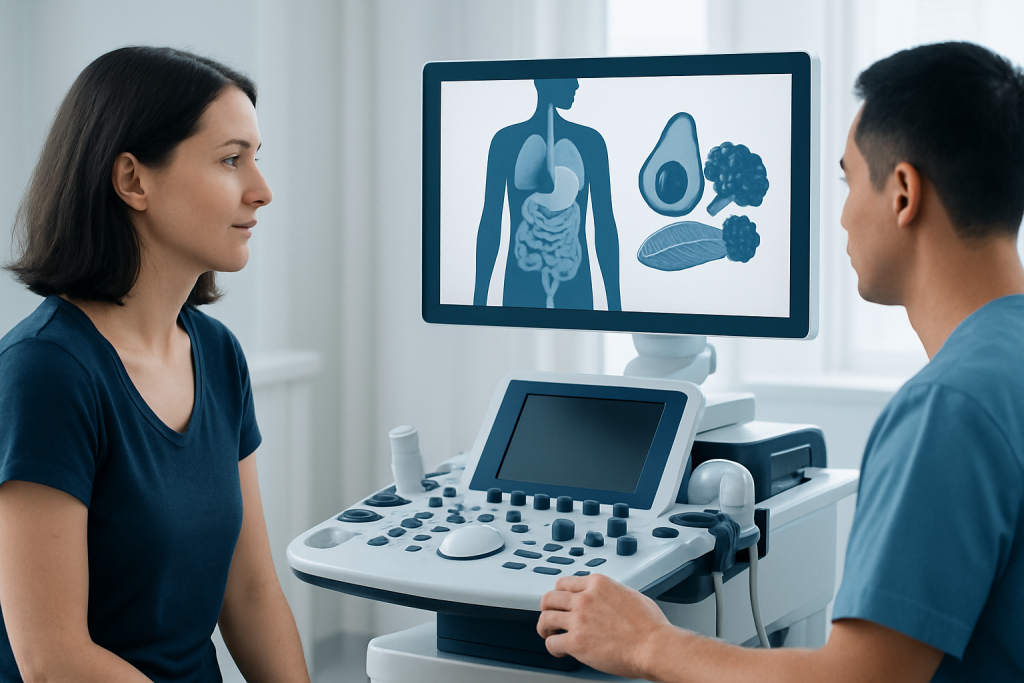
The body makes energy by breaking food down into smaller components. Carbohydrates are the most direct source of glucose, which many cells use as fuel. Protein supports muscle maintenance and repair, while fat provides a dense, long-lasting energy source. Vitamins and minerals do not provide calories, but they are essential helpers in the chemical steps that release energy from food.
This is why a person can eat enough calories and still feel tired if the diet is low in iron, vitamin B12, folate, magnesium, or other important nutrients. Hydration is part of the picture too. Even mild dehydration may make concentration and physical stamina feel worse.
The best energy foods therefore do more than “give a boost.” They support steady blood sugar, preserve muscle, and help the nervous system and metabolism do their work. That is also why extreme dieting, skipping meals, or relying on caffeine instead of nourishment often backfires.
Symptoms and signs of low energy

Low energy can feel different from simple sleepiness. Some people notice physical heaviness, poor focus, shaky feelings between meals, or a sense that normal tasks require more effort than usual. Others describe irritability, brain fog, or a midafternoon drop that happens almost every day.
Food patterns sometimes play a role in these symptoms. Long gaps between meals, a breakfast heavy in refined carbohydrates, or a day with little protein and few vegetables can make energy less stable. For some people, the problem is not only what they eat, but also how irregularly they eat.
Still, ongoing fatigue should not be assumed to come from diet alone. If tiredness is persistent, severe, or accompanied by other symptoms, a clinician may need to look for anemia, thyroid disease, depression, diabetes, sleep disorders, medication effects, or vitamin deficiencies.
Causes and risk factors for energy dips
Energy dips are often linked to diet quality and timing. Common triggers include skipping breakfast, eating large portions of sugary foods, choosing low-fiber snacks, and going too long without water. Very restrictive diets may also leave the body short on calories or key nutrients needed for normal function.
Some lifestyle factors matter as well. Poor sleep, high stress, low activity, and heavy caffeine use can all make it harder to feel truly rested. In some people, the pattern is a mix of all of these issues rather than one obvious cause.
Certain medical conditions raise the risk of fatigue or low stamina. These include iron deficiency, B12 deficiency, diabetes, thyroid disorders, celiac disease, chronic inflammation, heart or lung conditions, and sleep apnea. Because the cause is not always visible, a careful medical review is often more helpful than guessing based on food alone.
Foods that help support steady energy
The most useful energy foods are usually those that digest at a moderate pace and provide several nutrients at once. Whole grains such as oats, brown rice, quinoa, and whole wheat bread can help keep blood sugar more stable than refined grains. Beans, lentils, and chickpeas add both carbohydrate and protein, which is especially helpful for lasting fullness and alertness.
Fruit and vegetables bring fiber, water, and antioxidants. Bananas, oranges, berries, apples, leafy greens, carrots, and sweet potatoes are common examples of foods that fit easily into energy-focused meals. Lean proteins such as eggs, fish, poultry, tofu, Greek yogurt, cottage cheese, and tempeh can make meals more satisfying and may reduce the likelihood of a quick energy drop.
Healthy fats also have a place. Nuts, seeds, nut butters, avocado, and olive oil can support longer-lasting energy when used in reasonable portions. A simple rule is to build meals around three parts: a quality carbohydrate, a protein source, and a little healthy fat.
- Breakfast ideas: oatmeal with nuts and fruit, yogurt with seeds and berries, whole-grain toast with eggs.
- Lunch and dinner ideas: grilled fish with vegetables and brown rice, lentil soup with whole-grain bread, chicken or tofu with quinoa and salad.
- Snack ideas: apple with nut butter, plain yogurt, hummus with vegetables, a handful of nuts with fruit.
Foods and habits to limit when energy is the goal
Foods that seem energizing at first can sometimes work against stable energy later. Sugary drinks, candy, pastries, sweetened cereals, and many packaged snacks may cause a rapid rise in blood glucose followed by a drop that leaves a person feeling tired or hungry again. Highly refined white bread and other low-fiber starches can have a similar effect when eaten alone.
It is also wise to be cautious with large amounts of caffeine, especially on an empty stomach or late in the day. Caffeine can temporarily mask fatigue, but it does not replace sleep or nourishment. For some people, too much caffeine leads to jitters, dehydration, stomach upset, or worse sleep the next night, which then lowers energy again.
Another common pattern is under-eating during the day and then overeating at night. This may happen during busy work schedules, travel, or recovery periods. Regular meals and planned snacks are often more effective than waiting until energy has already dropped.
Practical ways to eat for more consistent energy
Consistency matters as much as food choice. Many people feel better when they eat at regular intervals, include protein at breakfast, and avoid very long gaps between meals. This does not mean eating constantly; it means giving the body fuel before energy runs too low.
Meal planning can be simple. A patient traveling for an appointment might pack a few shelf-stable items such as nuts, whole-grain crackers, fruit, or unsweetened yogurt if available. During recovery, softer options like soups, smoothies with protein, oatmeal, or mashed sweet potato may be easier to manage, depending on the procedure and the doctor’s advice.
Hydration should be built into the day, especially during travel, hot weather, or illness. Water is usually the best choice. For people with special medical conditions, fluid needs may be different, so individual guidance from a clinician is important.
When to see a doctor
Occasional tiredness is common, but persistent fatigue deserves attention. A doctor should be consulted if low energy lasts for several weeks, interferes with daily life, appears suddenly without a clear reason, or happens alongside weight changes, shortness of breath, palpitations, dizziness, headaches, fever, or changes in mood.
Medical evaluation is also important if the person has symptoms that could point to a nutritional deficiency or another underlying condition, such as heavy menstrual bleeding, digestive symptoms, numbness or tingling, frequent urination, or unexplained weakness. In these situations, food changes may help, but they should not replace a proper assessment.
For international patients, a structured review can be especially useful when care is being coordinated across countries. Acibadem Health Point’s multidisciplinary specialists and JCI-accredited hospitals diagnose and treat conditions linked to fatigue and nutrition concerns for international patients. The goal is to identify the cause clearly so the patient can return home with a practical plan for follow-up.
Frequently asked questions
01What are the best energy foods to eat every day?
The best everyday energy foods are usually whole grains, beans, fruit, vegetables, nuts, seeds, eggs, yogurt, fish, tofu, and other minimally processed foods. These choices provide a mix of carbohydrate, protein, fat, and micronutrients that support steady energy. A balanced plate is usually more helpful than focusing on one single ingredient.
02Which foods should be avoided if a person wants more energy?
It is usually wise to limit sugary drinks, candy, pastries, sweetened breakfast foods, and highly refined snacks. These foods can cause a quick rise in blood sugar followed by a crash. Large amounts of caffeine can also worsen energy if they interfere with sleep or replace meals.
03Does eating breakfast really help energy?
For many people, yes, especially if breakfast includes protein and fiber. A meal such as oats with nuts, eggs with whole-grain toast, or yogurt with fruit can help prevent an early energy drop. The exact timing matters less than consistency and balance.
04Can dehydration cause tiredness?
Yes, even mild dehydration can make a person feel less alert and more fatigued. Water is usually the best first choice, though fluid needs can vary depending on health conditions and medical advice. If someone has kidney, heart, or other medical issues, they should ask a doctor about the right amount of fluid.
05Are energy bars a good choice?
Some energy bars are useful, but many contain a lot of added sugar and very little fiber or protein. The best choice is a bar with simple ingredients and a balance of carbohydrate, protein, and healthy fats. Checking the label helps, but whole foods are often the more dependable option.
06When should low energy be checked by a doctor?
Low energy should be checked if it is ongoing, severe, new, or linked with symptoms like weight change, shortness of breath, dizziness, heavy bleeding, or palpitations. Fatigue can be caused by diet, but it can also signal anemia, thyroid disease, diabetes, sleep problems, or other conditions. A clinician can help find the real cause and guide safe treatment.
This article is for general information only and is not a substitute for professional medical advice. Please consult a qualified doctor about your individual situation.
Medical weight-loss options in Turkey — costs & eligibility
JCI-accredited · board-certified surgeons · reply within 24h
Add us as a Preferred Source to see more of our trusted health content across Google Search, AI Overviews and Discover.